
Tuesday, March 17, 2026
Home Blog Page 117

The Benefits of Hiring a Lawyer with Trial Experience

0

Hiring a lawyer can be a valuable investment for individuals and businesses alike. A lawyer can provide legal counsel and representation in legal matters, which can save time, money, and stress. Lawyers are trained to navigate the legal system and have a thorough understanding of the laws and regulations that apply to a particular case. They can provide advice on the best course of action, negotiate on behalf of their clients, and represent them in court. Additionally, lawyers can help protect their clients’ rights and interests, and ensure that they receive fair treatment under the law. Overall, the benefits of hiring a lawyer include access to legal expertise, protection of rights and interests, and assistance in navigating the legal system.

Hiring a lawyer with trial experience can provide numerous benefits for individuals or businesses involved in legal proceedings. Here are some of the key advantages of working with a lawyer who has experience in the courtroom:

  1. Knowledge of the legal system: A lawyer with trial experience has a deep understanding of how the legal system works and the various processes involved in a trial. This can give them a significant advantage when it comes to strategizing and building a strong case.
  2. Strong negotiation skills: Lawyers who have gone to trial numerous times have likely negotiated settlements with opposing counsel. This means they have the skills and experience to negotiate effectively on your behalf, whether it be in settlement negotiations or plea bargains.
  3. Ability to anticipate the opposition’s moves: A lawyer with trial experience has likely faced a variety of opponents in the courtroom and has learned to anticipate their tactics and arguments. This can be especially valuable in anticipating the opposition’s moves and being prepared to counter them.
  4. Comfort in the courtroom: Going to trial can be a nerve-wracking experience, but a lawyer with trial experience is likely more comfortable in the courtroom and able to handle the pressure of a trial with ease. This can be especially beneficial for clients who are anxious about the trial process.
  5. Reputation: A lawyer with a track record of successful trials may have a better reputation in the legal community and be seen as a more formidable opponent by the opposition. This can be beneficial in settlement negotiations and may even result in a more favorable outcome for the client.
  6. Confidence in the lawyer: Hiring a lawyer with trial experience can give clients confidence in their representation. Knowing that their lawyer has a proven track record of success in the courtroom can provide peace of mind and assurance that their case is in capable hands.
  7. Reduced risk of a trial: A lawyer with trial experience may be able to negotiate a settlement or plea bargain that avoids the need for a trial altogether. This can save the client time, money, and stress.

Of course, it’s important to keep in mind that just because a lawyer has trial experience does not guarantee a favorable outcome in your case. However, the benefits listed above can increase the chances of a successful resolution for the client.

It’s worth noting that trial experience is just one factor to consider when hiring a lawyer. It’s also important to find a lawyer who is a good fit for your needs, is knowledgeable in the area of law relevant to your case, and has a good reputation in the legal community.

In conclusion, hiring a lawyer with trial experience can provide numerous benefits for individuals or businesses involved in legal proceedings. From a deep understanding of the legal system and strong negotiation skills, to comfort in the courtroom and the potential for a more favorable outcome, a lawyer with trial experience can be a valuable asset for clients. It’s important to carefully consider all factors when hiring a lawyer, including trial experience, to ensure the best possible representation for your legal needs.

The Value of a Lawyer-Client Relationship

1

The lawyer-client relationship is a crucial aspect of the legal system, as it serves as the foundation for trust and communication between the two parties. A lawyer’s primary role is to represent their client’s best interests and advocate on their behalf, and this can only be effectively done if there is a strong relationship in place. In order for a lawyer to fully understand their client’s needs and goals, it is necessary for the client to feel comfortable sharing sensitive and personal information with their lawyer. This level of trust can only be achieved through a positive and professional lawyer-client relationship. Additionally, a lawyer is able to provide the best possible legal advice and representation when they have a thorough understanding of their client’s case, which can only be obtained through a strong lawyer-client relationship. Overall, the need for a lawyer-client relationship is essential for the successful navigation of the legal system.

A lawyer is not just a legal representative or advocate for their client, but also a trusted advisor and counselor. Building a strong relationship with a lawyer can greatly benefit a client, as it allows for open communication, thorough understanding of the legal issues at hand, and the development of personalized strategies and solutions.

Effective communication is essential in any relationship, and it is especially important in the lawyer-client relationship. Without clear and open communication, a lawyer may not fully understand the client’s needs and concerns, and the client may not fully understand the legal process or the options available to them. By establishing a rapport and fostering an open and honest dialogue, a lawyer can more effectively represent and advise their client.

The lawyer-client relationship also allows for a deeper understanding of the legal issues at hand. A lawyer is trained to analyze and interpret the law, and can provide their client with a comprehensive understanding of the legal implications of their situation. This understanding is crucial for the client to make informed decisions and to develop a legal strategy that aligns with their goals and needs.

In addition to providing legal expertise, a lawyer can also serve as a trusted advisor and counselor to their client. The lawyer-client relationship is built on trust, and a client should feel comfortable confiding in their lawyer and seeking guidance on personal and legal matters. A lawyer can offer support and guidance on a range of issues, from navigating the legal system to dealing with the emotional toll of a legal dispute.

The personalized nature of the lawyer-client relationship is another important aspect of its value. A lawyer can tailor their legal strategy to the specific needs and goals of their client, rather than applying a one-size-fits-all approach. This personalized approach can lead to more effective and efficient resolution of legal issues.

The value of the lawyer-client relationship extends beyond the resolution of a specific legal issue. A strong lawyer-client relationship can provide ongoing support and representation, as the client may face additional legal challenges in the future. By building a relationship with a lawyer, a client can have a trusted legal ally for the long term.

In conclusion, the value of a lawyer-client relationship lies in its ability to facilitate open communication, provide a comprehensive understanding of legal issues, serve as a trusted advisor and counselor, and offer personalized legal strategies. By building a strong relationship with a lawyer, a client can greatly benefit from their legal expertise and support.

How to Outsmart Your Competitors with SEO Competitor Analysis

0

The world of digital marketing is constantly evolving, and businesses need to stay ahead of the competition to succeed. One of the most effective ways to do this is by conducting SEO competitor analysis. It’s an essential strategy that allows you to keep tabs on what your competitors are doing, learn about their strengths and weaknesses, and use this information to improve your own SEO strategy. With the right SEO competitor analysis techniques, you can develop a more effective approach, outsmart your SEO competitor, and gain a competitive edge in your market. To learn more about choosing SEO competitor analysis, please visit the website.

In this blog post, we will explore how to outsmart your competitors with SEO competitor analysis. We will discuss the importance of competitive analysis, the key metrics to measure, and the best tools to use to conduct a thorough analysis of your competitors. 

Easy Guide on How To Do SEO Competitor Analysis

Contents

Identify Your Competitors

One of the critical steps in beating your competitors with SEO competitor analysis is to identify who your competitors are. Take a comprehensive and honest look at your industry as well as your business, and find out who your online competitors are. You can do this by performing a Google search on relevant keywords and analyzing the top results. Additionally, it is crucial to consider direct competitors who offer similar products or services as you do, as well as indirect competitors, who target the same target audience, overlapping geography, or have a similar marketing strategy. Identifying your competitors will give you a clear understanding of where you stand in the market and what you need to do to outrank them. This information will be the foundation of your SEO strategy aimed at gaining a competitive edge.

Analyze Their Website Structure

Analyzing the website structure of your SEO competitor is an essential step in conducting a thorough SEO competitor analysis. A well-structured website provides a seamless user experience, making it easier for search engines to crawl and index the content. To begin analyzing the website structure, start by identifying the main menu and its subcategories, the number of pages, and the hierarchical organization of the content. Evaluate whether the URL structure is simple and user-friendly or overly complex and difficult to navigate. Assess the website’s internal linking structure to determine how pages are interlinked and how deep they are within the website’s architecture. These insights can shed light on potential areas for improvement and help you develop a more effective SEO strategy to outsmart your SEO competitor.

Monitor Their Keywords

Tracking and analyzing your competitors’ keywords is an essential part of SEO competitor analysis. By monitoring the keywords your competitors are using to rank high on search engines, you can gain a deeper understanding of their target audience, marketing strategies, and overall online presence. Firstly, identify the keywords and phrases that are driving traffic to their website. This analysis will give you an insight into the specific keywords that your potential customers might be searching for, and you can optimize your pages accordingly. Secondly, pinpoint the new keywords and optimize your site in a way that stays ahead of your SEO competitor. Thirdly, keep an eye on their branded keywords, which will give you an idea of how well they are doing in their market. You can also identify keywords they are not targeting, giving you the opportunity to fill in the gaps and attract more customers to your website. With thorough keyword monitoring, you can make informed decisions about your content and promotional strategies, boosting your online visibility and outsmarting your SEO competitor.

Evaluate Their Backlinks

Analyzing your competitors’ backlinks can be a useful way to gain insight into their link building strategies and potentially uncover opportunities for your website. When conducting a backlink analysis, look for the quality and quantity of the links pointing to your competitor’s website. Evaluate the types of websites linking to them – are they credible and relevant? Utilize tools such as Ahrefs, Majestic, or SEMrush to gather information about the backlinks, including the domain authority, anchor text, and link destination. By analyzing your competitor’s backlinks, you can determine which of their strategies are effective and potentially emulate them in your own link building efforts. Additionally, by identifying any weak points in your SEO competitor backlink profile, you can focus your own efforts on building high-quality links in those areas to gain an advantage. Overall, monitoring and analyzing your competitor’s backlinks is a crucial step in developing a successful SEO strategy.

Keep Track of Their SERP Rankings

Tracking search engine results page (SERP) rankings is an important aspect of SEO competitor analysis. This allows you to monitor the performance of your website and identify areas for improvement. By keeping tabs on the rankings of your competitors’ websites, you can identify their strengths and weaknesses and adjust your strategy accordingly. There are a variety of tools available for tracking SERP rankings, such as SEMrush, Ahrefs, and Moz. These tools provide detailed data on keywords and their rankings, allowing you to track your progress over time and adjust your strategy accordingly. By keeping track of your SERP rankings, you can stay ahead of the competition and make sure that your website is performing to its full potential.

Conclusion

SEO competitor analysis is an important aspect of creating a successful SEO strategy. By understanding your competitors’ strengths and weaknesses, you can identify opportunities to improve your own website’s content and ranking. Through conducting thorough research and utilizing helpful SEO tools, you can efficiently and effectively outsmart your competitors and improve your website’s performance in the search rankings. With consistent analysis and optimization, you can continue to stay ahead of the game and maintain a strong online presence.

The Cost of 24/7 Marine Rescue and Assistance: Is it Worth the Investment?

0

Boating is a popular pastime enjoyed by many individuals, but it comes with inherent risks. Even the most experienced boaters can experience problems on the water, such as mechanical issues, running out of fuel, or getting lost. When these situations arise, it is essential to have a reliable marine rescue and assistance service to provide help when you need it most. However, some boaters may be hesitant to invest in these services due to the cost. In this article, we will discuss the cost of 24/7 marine rescue and assistance and whether it is worth the investment.

Contents

The Cost of Marine Rescue and Assistance Services

The cost of marine rescue and assistance services varies depending on the provider, the level of coverage, and the region. Some providers offer basic coverage for a flat fee, while others offer more comprehensive coverage that includes additional services such as towing, fuel delivery, and jump-starts. Additionally, the cost of marine rescue and assistance services may be affected by the type and size of your boat, as well as the distance you plan to travel.

Basic coverage for marine rescue and assistance services typically costs between $100 to $200 per year. This coverage includes services such as emergency towing, fuel delivery, and jump-starts. More comprehensive coverage that includes additional services such as on-water towing, coverage for multiple boats, and concierge services can cost upwards of $500 to $1,000 per year.

Defense Ministry imports 21 marine rescue boats to upgrade operations -  TimesKuwait

Is it Worth the Investment?

The cost of marine rescue and assistance services may seem high to some boaters, but it is essential to consider the benefits that come with investing in these services. Here are some reasons why investing in marine rescue and assistance services is worth it:

Peace of Mind

Boating can be unpredictable, and even the most experienced boaters can experience problems on the water. Investing in marine rescue and assistance services provides peace of mind, knowing that help is just a phone call away in case of an emergency.

Safety

Marine rescue and assistance services can provide a quick response in case of an emergency, helping to ensure the safety of you and your passengers. They can also provide assistance in navigating unfamiliar waters, reducing the risk of accidents or getting lost.

Cost Savings

While the cost of marine rescue and assistance services may seem high, it is essential to consider the potential cost savings. In case of an emergency, the cost of on-water towing, fuel delivery, and other services can be significant. Investing in marine rescue and assistance services can help offset these costs and provide more affordable and efficient assistance.

Expertise and Experience

Marine rescue and assistance services have experienced professionals who are trained in handling emergencies on the water. They have the expertise and equipment necessary to provide quick and efficient assistance, ensuring the safety of you and your boat.

Convenience

Marine rescue and assistance services can provide a range of services, including fuel delivery, battery jump-starts, and on-water towing. These services are designed to provide convenience and save you time and effort in case of an emergency.

Conclusion

Investing in marine rescue and assistance services is a smart decision for any boater. While the cost may seem high, the benefits of having a reliable and efficient service to provide assistance in case of an emergency are worth the investment. With marine rescue and assistance services, you can have peace of mind knowing that help is just a phone call away and that you and your passengers are safe on the water. When considering which provider to choose, it is essential to research and compare options to find a provider that meets your specific needs and offers the level of coverage you require.

The Importance of Researching a Lawyer Before Hiring

2

When it comes to hiring a lawyer, it is essential that you do your due diligence and research the individual or firm you are considering. Whether you need legal representation for a personal matter or for your business, choosing the right lawyer can make a significant difference in the outcome of your case.

On the other hand, hiring a lawyer without properly researching their background and qualifications can be a costly mistake. In this article, we will explore the importance of researching a lawyer before hiring, and provide some tips on how to go about it.

One of the primary reasons to research a lawyer before hiring is to ensure that they have the necessary skills and experience to handle your case effectively. Different areas of law require specific knowledge and expertise, and it is crucial to find a lawyer who is well-versed in the specific area you need help with.

For example, if you are facing a criminal charge, you will want to find a criminal defense lawyer with experience in handling similar cases and a track record of success. On the other hand, if you are involved in a civil dispute, you may want to find a lawyer who has experience in civil litigation and mediation.

In addition to their area of expertise, it is also important to consider a lawyer’s experience level. While it is not always necessary to hire the most experienced lawyer available, it is generally a good idea to find someone with a proven track record of success in handling cases similar to yours.

Another important factor to consider when researching a lawyer is their reputation. A lawyer’s reputation can give you insight into their character and how they conduct themselves both inside and outside of the courtroom. There are several ways to research a lawyer’s reputation, including:

  • Asking for recommendations from friends, family, and other professionals
  • Checking online reviews and ratings
  • Contacting your local bar association to see if the lawyer has any disciplinary actions on their record

It is also a good idea to ask the lawyer about their professional affiliations and memberships. Being a member of a professional organization or association can be a sign that a lawyer is committed to staying up-to-date on developments in their field and maintaining high ethical standards.

In addition to the lawyer’s qualifications and reputation, it is also essential to consider their availability and communication style. You will likely be working closely with your lawyer and communicating with them frequently, so it is important to find someone who is responsive and easy to work with.

During your initial consultation, take the time to ask the lawyer about their availability and how they prefer to communicate with clients. Some lawyers may prefer to communicate through email or phone, while others may prefer in-person meetings. It is important to find a lawyer who is willing to communicate with you in a way that works best for you.

When it comes to hiring a lawyer, it is also essential to consider their fees and billing practices. Legal services can be expensive, and it is important to have a clear understanding of how the lawyer charges for their services and what you can expect to pay.

There are several different billing models that lawyers may use, including hourly billing, flat fees, and contingency fees. It is important to ask the lawyer about their billing practices and get a written fee agreement before moving forward.

Overall, researching a lawyer before hiring is crucial to ensure that you are working with someone who is qualified, experienced, and reputable. Taking the time to carefully consider your options and do your due diligence can save you time, money, and stress in the long run.

How to Prevent Gum Disease

3

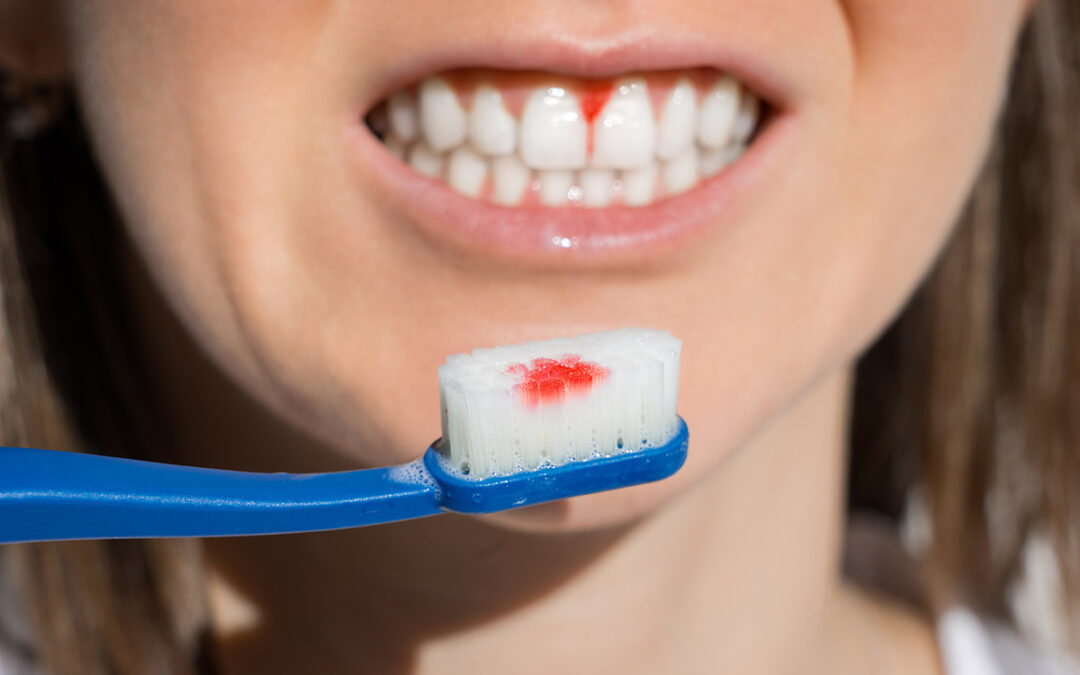
Gum disease, also known as periodontal disease, is a common condition that affects the gums and the bone that supports the teeth. It is caused by a build-up of plaque, a sticky film of bacteria that forms on the teeth. If not properly removed, plaque can harden into tartar, which can only be removed by a dental professional. Gum disease can lead to tooth loss and other serious health problems, so it is important to take steps to prevent it. Here are some tips for preventing gum disease. Best Wicker Park Family Dental dentist, we are committed to using cutting-edge technology at our quality dentistry so that our patients receive treatment that is safe, efficient, and highly-effective

To prevent gum disease, it is important to maintain good oral hygiene by brushing your teeth at least twice a day, flossing once a day, and using mouthwash to help kill bacteria and freshen breath and this will take by Caring Kids Dentist in Boca Raton. Use a fluoride toothpaste and brush for at least two minutes each time with a soft-bristled toothbrush. Limit your intake of sugary and acidic foods and drinks, and opt for a diet that is rich in fruits, vegetables, and other nutrient-dense foods. Visit the dentist regularly for cleanings and checkups, and be aware of the risk factors for gum disease such as smoking, diabetes, hormonal changes, certain medications, and certain medical conditions. If you have any of these risk factors, take extra care to maintain good oral hygiene and visit the dentist regularly.

What Are the Stages of Gum Disease?

The most effective way to prevent gum disease is to maintain good oral hygiene. This includes brushing your teeth at least twice a day, flossing once a day, and using mouthwash to help kill bacteria and freshen breath. It is also important to use a fluoride toothpaste, which can help strengthen the enamel of the teeth and protect against decay. Be sure to brush for at least two minutes each time, and use a soft-bristled toothbrush to avoid damaging your teeth or gums.

In addition to maintaining good oral hygiene, it is also important to limit your intake of sugary and acidic foods and drinks. These types of foods and drinks can cause tooth decay and increase the risk of gum disease. Instead, opt for a diet that is rich in fruits, vegetables, and other nutrient-dense foods. This can help keep your gums and teeth healthy.

It is also important to visit the dentist regularly for cleanings and checkups. During these visits, the dentist can identify any potential issues and provide necessary treatments to prevent them from becoming more serious problems. This may include scaling and root planing, a procedure in which the dentist removes plaque and tartar from the teeth and smooths the root surfaces to help prevent the build-up of bacteria.

In addition to these preventive measures, it is also important to be aware of the risk factors for gum disease. These include smoking, diabetes, hormonal changes, certain medications, and certain medical conditions such as cancer or HIV. If you have any of these risk factors, it is important to discuss them with your dentist and take extra care to maintain good oral hygiene and visit the dentist regularly.

Conclusion

Gum disease is a common condition that can lead to tooth loss and other serious health problems. The most effective way to prevent gum disease is to maintain good oral hygiene, limit your intake of sugary and acidic foods and drinks, and visit the dentist regularly. It is also important to be aware of the risk factors for gum disease and to take extra care to maintain good oral hygiene if you have any of these risk factors. By following these simple steps, you can help ensure the health and well-being of your gums and teeth.

The Different Types of Dental Braces

0

There are several different types of dental braces available, including traditional metal braces, ceramic braces, lingual braces, Invisalign, and removable braces. Traditional metal braces are made of high-grade stainless steel and are the most common type of braces. Ceramic braces are made of a ceramic material that is the same color as the teeth, making them less noticeable. Lingual braces are attached to the back of the teeth rather than the front, making them less visible but potentially more uncomfortable. Invisalign is a system of clear plastic aligners that are custom-made to fit the teeth and are virtually invisible. Removable braces are similar to traditional braces but can be removed for eating, brushing, and flossing. The best option for a particular individual will depend on their specific needs and circumstances.

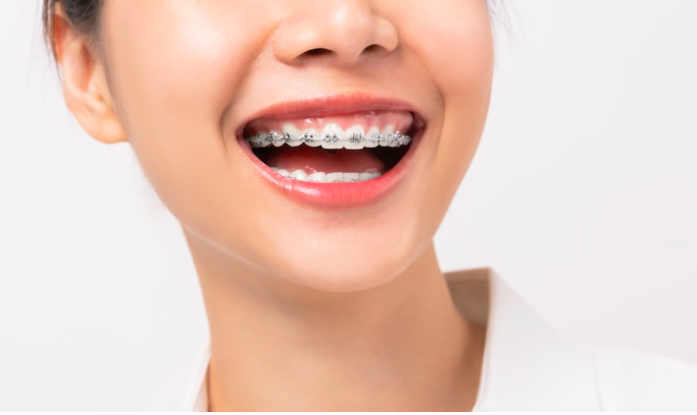
Dental braces are devices that are used to correct misaligned teeth and jaws. They consist of brackets that are attached to the teeth and connected by a wire, which applies pressure to the teeth to gradually move them into the desired position. There are several different types of dental braces available, and the best option for a particular individual will depend on their specific needs and circumstances. Here is an overview of the different types of dental braces.

Dental Braces Specialist In Noida | Dr Angad Khurana

One type of dental braces is traditional metal braces. These are the most common type of braces, and they are made of high-grade stainless steel. Metal braces are strong and durable, and they can be used to treat a wide range of orthodontic issues. One of the advantages of metal braces is that they are generally the most affordable option. However, they are also the most visible type of braces, and some people may feel self-conscious about wearing them.

Another type of dental braces is ceramic braces. These braces are made of a ceramic material that is the same color as the teeth, making them less noticeable than metal braces. Ceramic braces are a good option for people who are concerned about the appearance of traditional metal braces, but they are generally more expensive and may not be as strong as metal braces.

A third type of dental braces is lingual braces. Lingual braces are similar to traditional metal braces, but they are attached to the back of the teeth rather than the front. This makes them less visible than other types of braces, but they can be more difficult to clean and may be more uncomfortable than other types of braces. Lingual braces are also generally more expensive than other types of braces.

A fourth type of dental braces is Invisalign. Invisalign is a system of clear plastic aligners that are custom-made to fit the teeth. The aligners are worn over the teeth and apply gentle pressure to move the teeth into the desired position. Invisalign is a good option for people who are concerned about the appearance of traditional braces, as the aligners are virtually invisible. However, Invisalign is generally more expensive than other types of braces and may not be suitable for all orthodontic issues.

Finally, there is the option of removable braces. Removable braces are similar to traditional braces, but they can be removed for eating, brushing, and flossing. This can make them more convenient and easier to clean than other types of braces, but they may not be as effective at correcting certain orthodontic issues.

Conclusion

There are several different types of dental braces available, including traditional metal braces, ceramic braces, lingual braces, Invisalign, and removable braces. The best option for a particular individual will depend on their specific needs and circumstances. It is important to discuss all of the available options with an orthodontist to determine the best course of treatment.

How to Care for Your Dental Implants

5

To care for your dental implants, it is important to brush your teeth twice a day and floss daily to remove plaque and bacteria. Use a soft-bristled toothbrush and be gentle when brushing and flossing to avoid damaging the implant. It is also a good idea to use mouthwash to help kill bacteria and freshen breath. In addition, maintain a healthy diet by avoiding sugary and acidic foods and drinks, and drink plenty of water to flush out bacteria and keep your mouth hydrated. Visit the dentist regularly for cleanings and checkups, and follow the dentist’s instructions for caring for your implants. Be aware of potential complications such as implant failure, infection, and gum irritation, and contact the dentist if any issues arise.

Dental implants are a popular and effective option for replacing missing teeth. They are small titanium posts that are surgically placed in the jawbone, and once they have healed and integrated with the jawbone, a crown is placed on top of the implant to create a new tooth. While dental implants are a more permanent solution than some other options for missing teeth, they still require proper care to ensure their longevity. Here are some tips for caring for your dental implants.

First and foremost, it is important to brush your teeth twice a day and floss daily. This will help remove plaque and bacteria from around the implant, which can cause gum irritation and infection. Use a soft-bristled toothbrush and be gentle when brushing and flossing around the implant to avoid damaging it. It is also a good idea to use mouthwash to help kill bacteria and freshen breath.

It is also important to maintain a healthy diet to help keep your implants in good condition. Avoid sugary and acidic foods and drinks, as these can cause tooth decay and damage to the implant. Instead, opt for a diet that is rich in fruits, vegetables, and other nutrient-dense foods. In addition, be sure to drink plenty of water to help flush out bacteria and keep your mouth hydrated.

While it is important to maintain good oral hygiene at home, it is also essential to visit the dentist regularly for cleanings and checkups. During these visits, the dentist can identify any potential issues and provide necessary treatments to prevent them from becoming more serious problems. It is important to follow the dentist’s instructions for caring for your implants, as well as any recommendations for additional cleanings or treatments.

In addition to maintaining good oral hygiene and seeing the dentist regularly, it is also important to be aware of any potential complications that can arise with dental implants. These may include implant failure, infection, and gum irritation. If you experience any issues with your implants, be sure to contact your dentist as soon as possible for evaluation and treatment.

In conclusion, dental implants are a popular and effective option for replacing missing teeth. Proper care is essential to ensure the longevity of the implants, including maintaining good oral hygiene, following a healthy diet, and visiting the dentist regularly. It is also important to be aware of potential complications and to contact the dentist if any issues arise. By following these simple steps, you can help ensure that your dental implants remain healthy and functional for years to come.

The Different Options for Missing Teeth

0

There are several options available for replacing missing teeth, including dental bridges, implants, partial dentures, and full dentures. A dental bridge consists of a false tooth held in place by two crowns on either side, while a dental implant is a small titanium post that is surgically placed in the jawbone and topped with a crown. Partial dentures are removable appliances made of acrylic that are held in place by clasps attaching to remaining teeth, and full dentures are removable appliances that replace all teeth in the upper or lower jaw. The best option will depend on the individual’s specific needs and circumstances, and it is important to discuss all options with a dental professional.

Losing a tooth can be a traumatic experience, both emotionally and functionally. In addition to the aesthetic impact, missing teeth can also cause problems with speaking and eating, and can lead to the shifting of remaining teeth and changes in facial structure. Fortunately, there are several options available for replacing missing teeth and restoring both function and appearance.

One common option for replacing missing teeth is a dental bridge. A bridge is a false tooth, or pontic, that is held in place by two dental crowns on either side. The crowns are placed on the teeth adjacent to the gap left by the missing tooth, and the pontic is suspended between them, filling the gap. Bridges can be made of a variety of materials, including porcelain, gold, or a combination of both. Bridges are a good option for people who have healthy teeth on either side of the missing tooth, and they can be used to replace one or more missing teeth in a row.

Another option for replacing missing teeth is a dental implant. Implants are small titanium posts that are surgically placed in the jawbone. Once the implant has healed and integrated with the jawbone, a crown is placed on top of the implant, creating a new tooth. Implants are a more permanent solution than bridges, and they can be used to replace a single missing tooth or several missing teeth. Implants are a good option for people who have enough healthy jawbone to support the implant, and who are in good overall health.

A third option for replacing missing teeth is a partial denture. Partial dentures are removable appliances that are made of acrylic and are held in place by clasps that attach to the remaining teeth. Partial dentures are a good option for people who are missing several teeth in a row, or who have several missing teeth scattered throughout their mouth. While partial dentures are a less expensive option than implants or bridges, they are not as stable and may not be as comfortable.

Finally, a full denture is another option for replacing missing teeth. A full denture is a removable appliance that replaces all of the teeth in the upper or lower jaw. Full dentures are made of acrylic and are held in place by suction or with the help of a denture adhesive. Full dentures are a good option for people who are missing all of their teeth, or who are in the process of having all of their teeth extracted. While full dentures can restore function and appearance, they may not be as stable or comfortable as other options.

In conclusion, there are several options available for replacing missing teeth. The best option will depend on the individual’s specific needs and circumstances. Options include dental bridges, implants, partial dentures, and full dentures. It is important to discuss all of the available options with a dental professional to determine the best course of treatment.

How to Keep Your Teeth Healthy at Home

0

Maintaining good oral hygiene at home is essential for keeping your teeth and gums healthy. Here are some tips for how to keep your teeth healthy at home: Here are some tips for how to keep your teeth healthy at home: brush your teeth twice a day with a fluoride toothpaste and a soft-bristled toothbrush, floss daily to remove plaque and food particles from between the teeth, use mouthwash to kill bacteria and freshen breath, avoid sugary and acidic foods that can contribute to tooth decay and erosion of the enamel, don’t use tobacco products, and wear a mouthguard if you participate in activities that could potentially cause injury to your teeth. By following these tips, you can help to keep your teeth healthy and prevent dental problems.

There are several things you can do to keep your teeth healthy. First and foremost, it is important to brush your teeth twice a day with a fluoride toothpaste. Make sure to brush for at least two minutes each time, and use a soft-bristled toothbrush to avoid damaging your teeth or gums. Flossing daily is also essential for removing plaque and food particles that your toothbrush can’t reach. In addition, try to limit your intake of sugary and acidic foods and drinks, as these can cause tooth decay. It is also important to visit the dentist regularly for cleanings and checkups. During these visits, the dentist will be able to identify and treat any issues before they become serious problems. By following these simple steps, you can help ensure that your teeth stay healthy and strong.


  1. Brush your teeth twice a day: It is important to brush your teeth at least twice a day, once in the morning and once before bed. Use a fluoride toothpaste and a soft-bristled toothbrush. Hold the toothbrush at a 45-degree angle to the gums and gently move it in a circular motion to clean the front, back, and top of the teeth. Spit out the toothpaste after brushing, but do not rinse your mouth with water. This helps to keep the fluoride from the toothpaste on your teeth, which can help to prevent tooth decay.
  2. Floss daily: Flossing is an important part of oral hygiene because it removes plaque and food particles from between the teeth and along the gum line, where a toothbrush cannot reach. Use a floss threader or interdental cleaner to gently slide the floss between the teeth and along the sides of the teeth. Move the floss up and down in a sawing motion to remove plaque and debris.
  3. Use mouthwash: Mouthwash can help to kill bacteria and freshen breath. Look for a mouthwash that contains fluoride, which can help to prevent tooth decay. Use mouthwash after brushing and flossing, but do not rinse your mouth with water after using mouthwash. This allows the mouthwash to work for a longer period of time.
  4. Avoid sugary and acidic foods: Sugary and acidic foods can contribute to tooth decay and erosion of the enamel. Try to limit your intake of these types of foods and drink plenty of water to help rinse away food particles and neutralize acid.
  5. Don’t use tobacco products: Tobacco products can cause a variety of oral health problems, including gum disease, tooth loss, and oral cancer. Quitting tobacco is one of the best things you can do for your oral health.
  6. Wear a mouthguard: If you play sports or participate in activities that could potentially cause injury to your teeth, it is a good idea to wear a mouthguard. Mouthguards can help to protect your teeth from injury and preserve your