

Sunday, March 22, 2026
Home Blog Page 58

The Importance of Work-Life Balance in Your Career

0

In today’s fast-paced world, it’s easy to get caught up in the hustle and bustle of daily life, especially when it comes to work. Many people often find themselves working longer hours and sacrificing their personal time in order to get ahead in their careers. However, studies have shown that this type of lifestyle can lead to burnout, decreased productivity, and even serious health problems. That’s why it’s essential to prioritize work-life balance in your career.

Contents

What is Work-Life Balance?

Work-life balance refers to the idea of achieving a healthy balance between your work life and personal life. It’s about finding a way to meet the demands of your job while also having time for the things you enjoy outside of work. Work-life balance is different for everyone, as it depends on individual priorities and lifestyle choices.

Work-Life Balance in the Digital Workplace: TRANSFORM Article

The Benefits of Work-Life Balance

Finding a healthy work-life balance is not only good for your personal life but also your career. Here are some benefits of work-life balance:

  1. Increased Productivity: When you have a good balance between work and personal life, you’re more likely to be productive at work. This is because you’ll be more focused and motivated, knowing that you have time for the things you enjoy outside of work.
  2. Improved Health: Overworking can lead to stress, anxiety, and burnout, which can have serious health implications. By prioritizing work-life balance, you can reduce stress levels and improve your overall health and well-being.
  3. Better Relationships: When you have a good balance between work and personal life, you’re more likely to have stronger relationships with friends and family. This is because you’ll have more time to spend with them and be fully present in the moment.
  4. Increased Job Satisfaction: When you have a healthy work-life balance, you’re more likely to enjoy your job and feel fulfilled in your career. This can lead to increased job satisfaction and a more positive attitude towards work.

Tips for Achieving Work-Life Balance

  1. Set Boundaries: It’s important to set boundaries between your work life and personal life. This means knowing when to turn off your work phone or computer and focus on your personal life.
  2. Prioritize Self-Care: Make time for self-care activities, such as exercise, hobbies, and relaxation. These activities can help reduce stress levels and improve overall well-being.
  3. Take Breaks: It’s important to take breaks throughout the workday to recharge and refocus. This can include taking a walk outside or chatting with a coworker.
  4. Communicate with Your Employer: If you’re struggling to find a healthy work-life balance, it’s important to communicate with your employer. They may be able to offer solutions or adjustments to help you achieve a better balance.
  5. Set Realistic Goals: It’s important to set realistic goals for yourself, both at work and in your personal life. This will help you prioritize your time and focus on what’s truly important.

Conclusion

Achieving a healthy work-life balance is essential for both personal and professional success. By prioritizing work-life balance, you can increase productivity, improve your health and well-being, build stronger relationships, and enjoy a more fulfilling career. Remember to set boundaries, prioritize self-care, take breaks, communicate with your employer, and set realistic goals. With these tips, you can achieve a healthy work-life balance and thrive in both your career and personal life.

How to Navigate a Career Change

0

Navigating a career change can be a daunting and challenging process. Whether you are considering a change due to personal reasons or are looking for a new challenge, there are many factors to consider before taking the leap.

At the outset, it is important to remember that a career change can be a positive and fulfilling experience. By taking the time to assess your skills, interests, and goals, you can find a career that not only matches your strengths but also aligns with your values and aspirations.

In this article, we will explore some practical tips and strategies to help you navigate a successful career change.

Contents

Assess Your Skills and Interests

The first step in navigating a career change is to assess your skills and interests. Take some time to reflect on your strengths and areas of expertise. Consider the tasks you enjoy doing and those that come naturally to you. This will help you identify potential career paths that match your strengths and interests.

One useful tool for assessing your skills and interests is a career assessment test. These tests can provide valuable insights into your personality, strengths, and interests, helping you to identify potential careers that align with your values and aspirations.

Tips For People In A Career Change - CareerGuide.com

Research Potential Career Paths

Once you have identified your skills and interests, it’s time to research potential career paths. Start by conducting online research and exploring job descriptions in your target field. This will give you a better understanding of the qualifications and experience required for different roles and help you identify any skills gaps that you may need to address.

You can also network with professionals in your target field to gain valuable insights into the day-to-day responsibilities of different roles and the skills and experience required to succeed in those positions.

Build Your Skills and Experience

If you identify any skills gaps during your research, it’s important to take steps to build your skills and experience before applying for jobs in your target field. This may involve taking courses or certifications, volunteering, or pursuing internships or apprenticeships.

Building your skills and experience not only helps you stand out to potential employers but also boosts your confidence and prepares you for success in your new career.

Update Your Resume and LinkedIn Profile

Once you have identified your target career path and built your skills and experience, it’s time to update your resume and LinkedIn profile. Make sure that your resume and profile highlight your relevant skills and experience and align with the requirements of your target role.

You can also use LinkedIn to connect with professionals in your target field and learn more about potential job opportunities.

Network, Network, Network

Networking is a critical component of a successful career change. Reach out to professionals in your target field, attend industry events and conferences, and join professional organizations and groups.

Networking not only helps you learn about potential job opportunities but also provides valuable insights into the industry and the skills and experience required to succeed in your new career.

Be Patient and Persistent

Finally, it’s important to remember that a career change can take time and requires patience and persistence. You may face setbacks and rejections along the way, but it’s important to stay focused on your goals and keep pushing forward.

Stay motivated by reminding yourself of the reasons why you wanted to make a career change in the first place, and celebrate your successes along the way.

Conclusion

Navigating a career change can be a challenging but rewarding experience. By assessing your skills and interests, researching potential career paths, building your skills and experience, updating your resume and LinkedIn profile, networking, and staying patient and persistent, you can successfully transition to a fulfilling and rewarding new career.

The Benefits of Professional Development in Your Career

0

At some point in your career, you may have considered the idea of professional development. But what exactly is professional development, and how can it benefit you? In this article, we will explore the importance of professional development and the advantages it can bring to your career.

Contents

What is Professional Development?

Professional development refers to the ongoing process of learning and acquiring new skills that are relevant to your field or industry. This could be through attending workshops, seminars, online courses, or taking part in mentoring programs.

Why is Professional Development Important?

Professional development is essential for both personal and professional growth. It allows you to stay up-to-date with the latest trends and developments in your industry, ensuring that you remain competitive and valuable to your employer.

By investing in your professional development, you demonstrate a commitment to your career and a willingness to continuously improve. This can lead to greater job satisfaction, increased earning potential, and more opportunities for career advancement.

7 Reasons Why you Should Invest in the Professional Development of  Employees - AIHR

Advantages of Professional Development

Improved Job Performance

Professional development can help you acquire new skills and knowledge that can be directly applied to your job. This can lead to improved job performance and increased productivity. By improving your job performance, you may also increase your chances of receiving a promotion or a pay raise.

Increased Job Satisfaction

When you invest in your professional development, you are taking control of your career and taking steps to improve your skills and knowledge. This can lead to a sense of accomplishment and personal fulfillment. In turn, this can lead to increased job satisfaction and a more positive attitude towards work.

Better Job Security

In today’s competitive job market, it is important to remain competitive and valuable to your employer. By continuously improving your skills and knowledge, you increase your value to your employer, making it less likely that you will be replaced or laid off.

Expanded Network

Professional development events, such as conferences and workshops, provide opportunities to meet and connect with other professionals in your field. This can lead to an expanded network of contacts, which can be valuable for career advancement and job opportunities.

More Opportunities for Career Advancement

By investing in your professional development, you may acquire new skills and knowledge that can open up new opportunities for career advancement. This could include promotions, new job opportunities, or the ability to take on new projects and responsibilities.

Increased Earning Potential

Professional development can increase your earning potential by making you more valuable to your employer. By acquiring new skills and knowledge, you may be able to negotiate a higher salary or receive a pay raise.

Improved Confidence

As you acquire new skills and knowledge through professional development, you may also gain more confidence in your abilities. This can lead to a more positive attitude towards work and a greater sense of self-worth.

Conclusion

In today’s fast-paced and constantly evolving job market, professional development is essential for personal and professional growth. By investing in your professional development, you demonstrate a commitment to your career and a willingness to continuously improve. This can lead to improved job performance, increased job satisfaction, more opportunities for career advancement, and increased earning potential. So, take control of your career and invest in your professional development today!

How to Build Confidence in Your Career

0

In today’s competitive job market, building and maintaining build confidence is crucial for success. Whether you are just starting out in your career or looking to advance to the next level, having a strong sense of self-assurance can help you make better decisions, overcome challenges, and achieve your goals.

At times, it can be challenging to maintain build confidence, especially when faced with setbacks, criticism, or self-doubt. However, with the right mindset, skills, and habits, you can build and sustain confidence throughout your career. In this article, we will discuss some practical steps you can take to boost your confidence and thrive in your career.

Contents

Know Yourself

The first step to building confidence is to know yourself. This means understanding your strengths, weaknesses, values, and personality traits. Take some time to reflect on what motivates you, what you are passionate about, and what you are good at. Be honest with yourself about your limitations, but also acknowledge your accomplishments and successes.

Knowing yourself also means setting realistic expectations and goals. Avoid comparing yourself to others, and focus on your own progress and growth. Celebrate your achievements, no matter how small they may seem, and use them as motivation to keep moving forward.

How to Build Confidence in the Workplace: A 10-step Guide

Learn and Improve

Build Confidence comes from competence. The more you know and the better you get at what you do, the more confident you will feel. Invest in your education and professional development, whether it’s taking courses, attending conferences, or learning from mentors and colleagues.

Take on new challenges and responsibilities, even if they seem daunting at first. Embrace opportunities to learn and grow, and don’t be afraid to ask for feedback and constructive criticism. Use setbacks and failures as learning opportunities and as a chance to improve and refine your skills.

Practice Self-Care

Taking care of yourself physically, mentally, and emotionally is essential for building and maintaining confidence. Make sure you get enough sleep, exercise regularly, and eat a healthy diet. Practice stress-management techniques such as meditation, deep breathing, or yoga to help you cope with stress and anxiety.

Find ways to relax and recharge, whether it’s spending time with loved ones, pursuing hobbies and interests, or simply taking a break from work. Remember that self-care is not selfish but rather a necessary part of being your best self.

Build Relationships

Building positive relationships with colleagues, mentors, and other professionals can boost your confidence and help you succeed in your career. Networking and building connections can open up new opportunities, provide support and guidance, and give you a sense of belonging and community.

Be proactive in building relationships, whether it’s attending industry events, joining professional associations, or volunteering for causes you care about. Seek out mentors and role models who can offer guidance and support, and be willing to mentor and help others in return.

Take Action

Finally, building confidence requires taking action. Don’t wait for opportunities to come to you; create them yourself. Be proactive in seeking out new challenges and taking risks. Focus on your strengths, and don’t let fear or self-doubt hold you back.

Remember that failure is a natural part of the learning process and a necessary step on the path to success. Don’t be afraid to take calculated risks, and use setbacks as opportunities to learn and grow.

Conclusion

Build confidence in your career requires a combination of self-awareness, learning and improvement, self-care, relationship-building, and action-taking. By focusing on these areas and taking practical steps to build and maintain confidence, you can overcome challenges, achieve your goals, and thrive in your career.

The Importance of Self-Care in Your Career

1

In today’s fast-paced world, it’s easy to get caught up in the hustle and bustle of daily life, especially when it comes to work. We often prioritize our careers over our well-being, leading to burnout, stress, and ultimately, a decrease in job performance. This is where the importance of self-care comes in. Self-care is the act of taking care of oneself, mentally, physically, and emotionally, and it is critical for anyone looking to excel in their career. In this article, we will discuss the importance of self-care in your career and how to implement self-care practices into your daily routine.

The Negative Effects of Neglecting Self-Care

Neglecting self-care can have many negative effects on your career, including burnout, decreased productivity, and increased absenteeism. When we don’t take care of ourselves, we become more susceptible to stress, anxiety, and depression, which can lead to burnout. Burnout is a state of emotional, physical, and mental exhaustion caused by excessive and prolonged stress. When we are burned out, we feel depleted, unmotivated, and disengaged, which can lead to a decrease in job performance and productivity.

Moreover, neglecting self-care can also lead to increased absenteeism. When we are physically, emotionally, and mentally exhausted, we are more likely to take sick days or mental health days, which can have a negative impact on our careers. Constantly taking time off can lead to missed deadlines, unfinished projects, and decreased productivity, ultimately affecting our reputation in the workplace.

The Art of Self-Care and Its Importance - D WA Herbals

Implementing Self-Care Practices into Your Daily Routine

Implementing self-care practices into your daily routine is essential for anyone looking to excel in their career. Below are some self-care practices that can help you improve your overall well-being and job performance:

  1. Prioritize Sleep: Getting enough sleep is crucial for our mental, emotional, and physical health. Lack of sleep can lead to fatigue, decreased productivity, and an increase in stress and anxiety. Aim to get 7-8 hours of sleep each night, and create a relaxing bedtime routine to help you wind down.
  2. Make Time for Exercise: Exercise is an excellent way to reduce stress, improve mood, and increase energy levels. Even a 30-minute walk or yoga session can make a significant difference in your overall well-being.
  3. Practice Mindfulness: Mindfulness is the act of being present and aware of our thoughts, feelings, and surroundings. Practicing mindfulness can help reduce stress, increase focus, and improve job performance. Try incorporating mindfulness practices, such as meditation or deep breathing, into your daily routine.
  4. Set Boundaries: Setting boundaries is critical for maintaining a healthy work-life balance. Learn to say no when you feel overwhelmed, and establish clear guidelines for when you are and are not available to work.
  5. Take Breaks: Taking breaks throughout the day is essential for preventing burnout and maintaining productivity. Even a 10-minute break can help you recharge and refocus.

Conclusion

Self-care is critical for anyone looking to excel in their career. Neglecting self-care can lead to burnout, decreased productivity, and increased absenteeism, ultimately affecting our job performance and reputation. By implementing self-care practices into our daily routine, such as prioritizing sleep, making time for exercise, practicing mindfulness, setting boundaries, and taking breaks, we can improve our overall well-being and job performance. Remember, taking care of ourselves is not selfish; it is necessary for achieving success in our careers and in life.

How to Build a Personal Brand in Your Career

0

In today’s highly competitive job market, building a personal brand is more important than ever. It’s no longer enough to simply have a strong resume and impressive work experience. You need to be able to differentiate yourself from the crowd, and that’s where personal branding comes in.

Contents

What is Personal Branding?

Personal branding is the process of creating a unique identity for yourself that sets you apart from others in your field. It involves identifying your unique strengths and skills, and then communicating those strengths to others in a way that makes them want to work with you.

Why is Personal Branding Important?

Personal branding is important for several reasons. First and foremost, it can help you stand out in a crowded job market. When you have a strong personal brand, you’re more likely to be remembered by potential employers and clients.

In addition, personal brand can help you establish yourself as an expert in your field. By sharing your knowledge and experience with others, you can build a reputation as someone who knows what they’re talking about.

Finally, personal brand can help you build a network of contacts who can help you advance in your career. When people know who you are and what you’re good at, they’re more likely to recommend you to others and help you make valuable connections.

Seven Steps to Creating a Personal Brand - Communication Generation

How to Build a Personal Brand

Building a personal brand takes time and effort, but it’s worth it in the long run. Here are some steps you can take to build a strong personal brand:

Identify Your Unique Strengths and Skills

The first step in building a personal brand is to identify your unique strengths and skills. Think about what sets you apart from others in your field. What do you do better than anyone else? What makes you stand out? Once you’ve identified your unique strengths, focus on them in your branding efforts.

Develop a Consistent Message

Once you’ve identified your unique strengths, develop a consistent message that communicates those strengths to others. This message should be reflected in everything you do, from your resume to your social media profiles. Consistency is key when it comes to building a personal brand.

Create a Professional Online Presence

In today’s digital age, having a professional online presence is essential. Make sure your social media profiles are up-to-date and reflect your personal brand. Consider starting a blog or website where you can showcase your expertise and share your thoughts on industry-related topics.

Network and Build Relationships

Building a personal brand isn’t just about promoting yourself. It’s also about building relationships with others in your field. Attend industry events, join professional organizations, and connect with others on social media. By building relationships with others, you can expand your network and increase your visibility in your field.

Share Your Knowledge and Expertise

Finally, don’t be afraid to share your knowledge and expertise with others. Write articles, speak at events, and offer to mentor others in your field. By sharing your knowledge, you can establish yourself as an expert and build a reputation as someone who knows what they’re talking about.

Conclusion

Building a personal brand is essential for anyone looking to advance in their career. By identifying your unique strengths and skills, developing a consistent message, creating a professional online presence, networking and building relationships, and sharing your knowledge and expertise, you can establish yourself as a leader in your field and stand out from the crowd.

The Benefits of Taking Risks in Your Career

0

When it comes to your career, taking risks can be a scary prospect. Stepping outside of your comfort zone and trying something new can be intimidating, but the benefits of taking risks in your career are numerous and can have a significant impact on your success.

At the heart of it, taking risks means challenging yourself to go beyond what you know and what feels safe. It means embracing the unknown and being willing to fail. Here are some of the benefits that come with taking risks in your career.

Contents

Increased Learning and Growth Opportunities

When you take risks in your career, you open yourself up to new experiences and learning opportunities. Trying something new, even if it doesn’t work out, can teach you valuable lessons and help you grow both personally and professionally.

By taking risks, you challenge yourself to think outside of the box and come up with creative solutions to problems. This can help you develop new skills and competencies that can be valuable in your current job or future roles.

Embracing the Unknown: The Benefits of Taking Risks in Your Career

Enhanced Creativity and Innovation

Taking risks can also help to foster creativity and innovation. When you step outside of your comfort zone, you are forced to think differently and come up with new ideas. This can lead to breakthroughs and innovations that can benefit both you and your company.

Increased Confidence and Resilience

Taking risks requires a certain level of courage and confidence. When you step outside of your comfort zone and try something new, you are demonstrating your willingness to take on challenges and face your fears.

Even if things don’t work out as planned, taking risks can help you develop resilience and bounce back from setbacks. This can help you build confidence in yourself and your abilities, which can be valuable in all aspects of your life.

Expanded Network and Opportunities

When you take risks in your career, you are also expanding your network and opening yourself up to new opportunities. By trying something new, you are connecting with new people and building new relationships that can be valuable in your career.

Taking risks can also lead to new job opportunities and career advancements. When you demonstrate your willingness to take on challenges and try new things, you become more attractive to employers and are more likely to be considered for new roles and responsibilities.

Increased Happiness and Fulfillment

Finally, taking risks in your career can lead to increased happiness and fulfillment. When you challenge yourself and try new things, you are more likely to find work that is engaging, rewarding, and meaningful.

By taking risks and pursuing your passions, you are more likely to find work that aligns with your values and brings you a sense of purpose and fulfillment. This can lead to greater happiness and satisfaction in all aspects of your life.

Conclusion

Taking risks in your career can be scary, but the benefits are numerous and can have a significant impact on your success and happiness. By stepping outside of your comfort zone, you can increase your learning and growth opportunities, enhance your creativity and innovation, build confidence and resilience, expand your network and opportunities, and find greater happiness and fulfillment.

So don’t be afraid to take risks in your career. Embrace the unknown, challenge yourself, and see where it takes you.

How to Overcome Imposter Syndrome in Your Career

0

As professionals, we all want to be successful and excel in our careers. However, sometimes we may feel like we don’t belong in our current roles or that we are not good enough to perform our job duties. This feeling of self-doubt and inadequacy is commonly known as Imposter Syndrome. Imposter Syndrome can be detrimental to our professional and personal lives, causing us to feel stressed, anxious, and unmotivated. However, there are ways to overcome Imposter Syndrome and become a more confident and successful professional.

Contents

Recognize the Symptoms of Imposter Syndrome

The first step in overcoming Imposter Syndrome is to recognize the symptoms. Imposter Syndrome can manifest in different ways, including feeling like a fraud, fear of failure, perfectionism, self-doubt, and lack of confidence. If you notice any of these symptoms in yourself, it’s essential to acknowledge them and address them.

Talk to Someone About It

Talking to someone you trust about your feelings of Imposter Syndrome can be helpful. It can be a friend, a family member, or a mentor. Sharing your feelings with someone can provide you with support and perspective, and it can help you realize that you are not alone. Your confidante can also offer you constructive feedback and help you develop strategies to overcome your feelings of inadequacy.

How to fight off imposter syndrome to keep your career momentum and  personal growth going strong

Celebrate Your Achievements

It’s easy to focus on your shortcomings and feel like you are not doing enough. However, it’s equally important to celebrate your achievements, no matter how small they may seem. Celebrating your achievements can boost your confidence and help you realize that you are capable of doing great things. Make a list of your accomplishments and celebrate them with yourself or with others.

Focus on Your Strengths

Imposter Syndrome often makes us focus on our weaknesses and shortcomings, causing us to forget our strengths. To overcome Imposter Syndrome, it’s essential to focus on your strengths and what makes you unique. Write down your strengths and skills, and remind yourself of them regularly. You can also try to use your strengths in new and challenging situations to build your confidence.

Learn from Your Mistakes

Mistakes are a natural part of learning and growing. Instead of beating yourself up over your mistakes, try to learn from them. Analyze what went wrong, and think about what you could have done differently. Use this knowledge to improve yourself and prevent similar mistakes in the future.

Seek Professional Help

If you are struggling with Imposter Syndrome and it’s affecting your daily life and work, it may be helpful to seek professional help. A therapist or counselor can help you identify the root causes of your feelings of inadequacy and develop coping strategies to overcome them. There’s no shame in seeking professional help, and it can be a powerful tool in your journey towards self-improvement.

Conclusion

Imposter Syndrome is a common feeling that many professionals experience. However, it’s essential to recognize the symptoms of Imposter Syndrome and take steps to overcome it. By talking to someone about your feelings, celebrating your achievements, focusing on your strengths, learning from your mistakes, and seeking professional help, you can become a more confident and successful professional. Remember that you are capable of great things, and your feelings of inadequacy do not define you.

The Importance of Emotional Intelligence in Your Career

0

In today’s fast-paced and ever-changing workplace, being intelligent is no longer enough to guarantee success. While having a high IQ can help you solve complex problems and make sound decisions, it is not the only factor that determines your success in your career. In fact, your emotional intelligence (EI) is just as important, if not more so, in ensuring your career advancement and professional growth.

Contents

What is Emotional Intelligence?

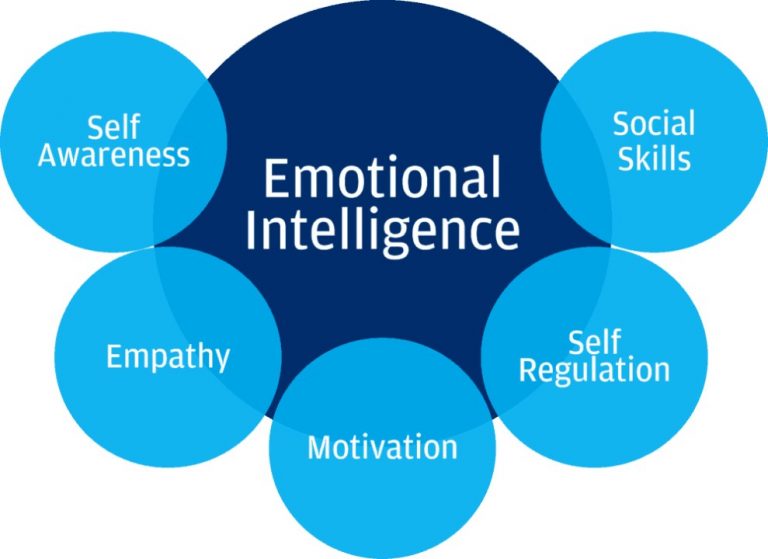
Emotional intelligence refers to the ability to understand and manage your own emotions, as well as the emotions of others. It involves being aware of your own feelings, having empathy for others, and being able to regulate your emotions effectively. Emotional intelligence also encompasses the ability to communicate effectively, resolve conflicts, and build strong relationships with others.

Why is Emotional Intelligence Important in Your Career?

Emotional intelligence plays a crucial role in your career for several reasons. Firstly, it helps you to navigate interpersonal relationships more effectively. When you have a high level of emotional intelligence, you are better able to communicate with your colleagues, build strong relationships, and resolve conflicts in a positive and constructive way. This can help you to establish yourself as a team player and build a positive reputation within your workplace.

The Importance of emotional intelligence in work · CPL · Cpl

Secondly, emotional intelligence can help you to manage stress more effectively. In today’s fast-paced and high-pressure work environment, stress is a common occurrence. However, when you have a high level of emotional intelligence, you are better able to recognize and manage stress effectively. This can help you to remain calm and focused under pressure, and ensure that you are able to perform at your best even in challenging situations.

Thirdly, emotional intelligence is a key factor in leadership success. Leaders who possess high emotional intelligence are better able to inspire and motivate their teams, build strong relationships with their employees, and create a positive work environment. This can lead to higher employee satisfaction and engagement, as well as improved productivity and profitability for the company.

How to Develop Your Emotional Intelligence

If you want to improve your emotional intelligence, there are several things you can do. Firstly, focus on becoming more self-aware. Take time to reflect on your own emotions and how they affect your behavior and interactions with others. Practice mindfulness techniques such as meditation, yoga, or deep breathing exercises to help you stay present and focused in the moment.

Secondly, work on developing your empathy skills. Try to put yourself in other people’s shoes and see things from their perspective. Listen actively when others are speaking, and ask questions to show that you are interested and engaged in what they are saying.

Thirdly, practice effective communication skills. Be clear and concise when you speak, and listen actively to what others are saying. Use “I” statements to express your feelings and needs, rather than blaming or criticizing others.

Finally, work on building strong relationships with others. Take the time to get to know your colleagues on a personal level, and show genuine interest and concern for their well-being. Be willing to help out when needed, and show appreciation for the contributions of others.

Conclusion

In today’s competitive and fast-paced work environment, emotional intelligence is more important than ever. By developing your emotional intelligence skills, you can improve your ability to navigate interpersonal relationships, manage stress effectively, and become a successful leader. So if you want to succeed in your career, start focusing on developing your emotional intelligence today.

The Benefits of Volunteering for Your Career

0

At times, it can be challenging to find the right job, especially in a highly competitive job market. It may be even more difficult to land your dream job, but there are things you can do to improve your chances of getting that job you have always wanted. One of those things is volunteering. Volunteering offers numerous benefits for your career, and in this article, we will explore some of those benefits.

Contents

Develops New Skills

Volunteering is an excellent way to acquire new skills that could be relevant to your career. When you volunteer, you get to work with a diverse group of people, and this can help you develop new skills. For example, if you volunteer to teach English to non-native speakers, you will develop your teaching skills, which could be useful in a teaching career.

Builds Your Network

Volunteering provides an excellent opportunity to build your professional network. You get to meet new people who share the same interests as you, and you could build lasting relationships that could benefit your career. You never know who you might meet while volunteering, and they could provide valuable connections in the future.

The Professional Benefits of Volunteering | ResumeCoach

Enhances Your Resume

Volunteering is an excellent way to enhance your resume. Employers value candidates who have a history of volunteering, and it could be the deciding factor in landing your dream job. Volunteering shows that you have a genuine interest in helping others and that you are a responsible and reliable person.

Provides Valuable Experience

Volunteering provides valuable experience that could be useful in your career. For example, if you volunteer at a non-profit organization, you will gain experience in fundraising, event planning, and project management, which could be useful in a variety of careers.

Increases Your Confidence

Volunteering can help increase your confidence. When you volunteer, you get to work with people from different backgrounds and cultures, and this can help you become more comfortable in social situations. It can also help you develop leadership skills, which could be useful in your career.

Helps You Explore Different Career Paths

Volunteering is an excellent way to explore different career paths. If you are unsure about what career you want to pursue, volunteering can provide valuable insights into different industries. For example, if you volunteer at a hospital, you will gain insights into the healthcare industry and the various careers available.

Gives You a Sense of Purpose

Volunteering can give you a sense of purpose. When you volunteer, you get to help others, and this can be incredibly fulfilling. It can also help you develop a sense of gratitude and appreciation for the things you have in your life.

Improves Your Communication Skills

Volunteering can help improve your communication skills. When you volunteer, you get to interact with people from different backgrounds, and this can help you become a better communicator. It can also help you develop empathy and understanding for people from different cultures and backgrounds.

Helps You Stand Out From the Crowd

Volunteering is an excellent way to stand out from the crowd. When employers see that you have a history of volunteering, they will see you as someone who is committed to making a difference in the world. It can also help you demonstrate your skills and experience in a tangible way.

Conclusion

Volunteering offers numerous benefits for your career. It can help you develop new skills, build your network, enhance your resume, provide valuable experience, increase your confidence, help you explore different career paths, give you a sense of purpose, improve your communication skills, and help you stand out from the crowd. If you are looking for ways to improve your chances of landing your dream job, consider volunteering today.