
Friday, March 20, 2026
Home Blog Page 76

From Medieval Times to Modern Day: The History of Miniature Painting

1

Miniature painting is an art form that has been around for centuries, dating back to the medieval era. It involves the creation of small-scale paintings with intricate details, often on surfaces such as parchment, vellum, or ivory. The technique and style of miniature painting have evolved over time, from its roots in medieval manuscript illumination to modern-day portrait miniatures. In this article, we will delve into the history of miniature painting, from its origins to the present day.

Contents

Origins of Miniature Painting

The history of miniature painting can be traced back to the medieval era, where it was used primarily for illuminating manuscripts. Illuminated manuscripts were books that had been decorated with elaborate illustrations and ornamental designs. These manuscripts were created by monks and were used for religious purposes, such as prayer books or liturgical texts.

The earliest surviving examples of illuminated manuscripts date back to the 6th century. However, it wasn’t until the 12th century that the art of illumination began to flourish in Europe. At this time, illuminated manuscripts were not only used for religious purposes but also for secular texts such as poetry, history, and law.

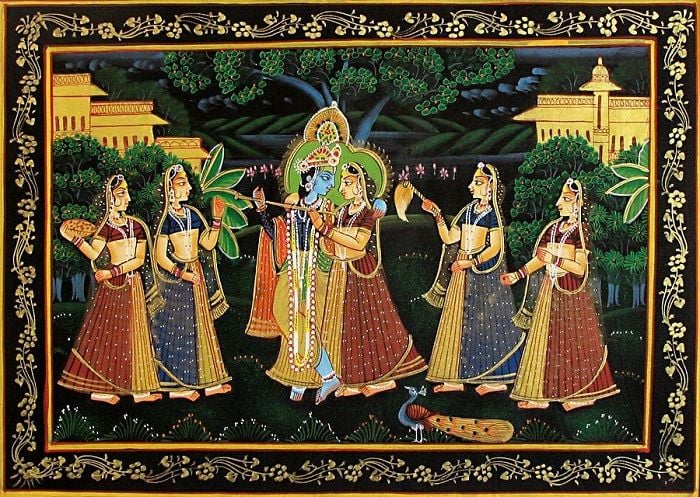
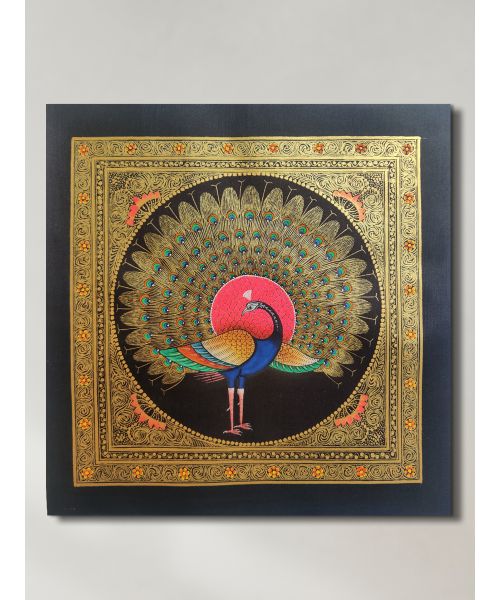
Miniature Paintings of India – Chronicling History Through the Ages – Artisera

The Rise of Portrait Miniatures

As the art of illumination continued to evolve, artists began to experiment with creating small-scale portraits. These portraits, which were often painted on vellum or ivory, became known as portrait miniatures. The earliest surviving portrait miniature painting is believed to be a portrait of the French king Louis IX, which dates back to the 13th century.

During the Renaissance, portrait miniatures became increasingly popular, particularly in the courts of Europe. Artists such as Hans Holbein the Younger and Nicholas Hilliard were renowned for their skill in creating intricate and lifelike portrait miniatures.

Miniature Painting in the Mughal Empire

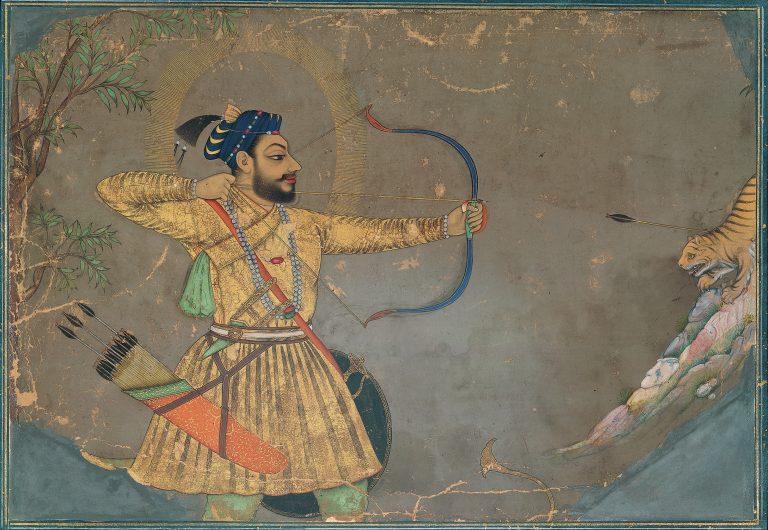
The art of miniature painting also flourished in other parts of the world, particularly in the Mughal Empire in India. Mughal miniature painting were heavily influenced by Persian art and often depicted scenes from court life or religious themes. The artists who created these paintings were highly skilled, and their work was characterized by its attention to detail and use of vivid colors.

One of the most famous Mughal miniatures is the Hamzanama, a series of paintings that depict the adventures of Hamza, an Islamic hero. The Hamzanama was commissioned by the Mughal emperor Akbar in the 16th century and is considered to be one of the finest examples of Mughal miniature painting.

Modern Day Miniature Painting

Although the art of miniature painting has its roots in the medieval era, it continues to be practiced today. Modern-day miniature painting often draw inspiration from the techniques and styles of the past but also experiment with new materials and subject matter.

Contemporary miniature painting create works that range from traditional portraits to abstract compositions. Some artists even create miniature painting on unusual surfaces, such as postage stamps or even grains of rice!

Conclusion

The history of miniature painting is a rich and fascinating one, spanning centuries and continents. From its origins in medieval manuscript illumination to modern-day portrait miniatures, this art form has evolved and adapted over time. Whether created for religious purposes or as works of art in their own right, miniature painting have captivated audiences for centuries and continue to do so today.
The Art of Precision: Techniques for Miniature Painting

1

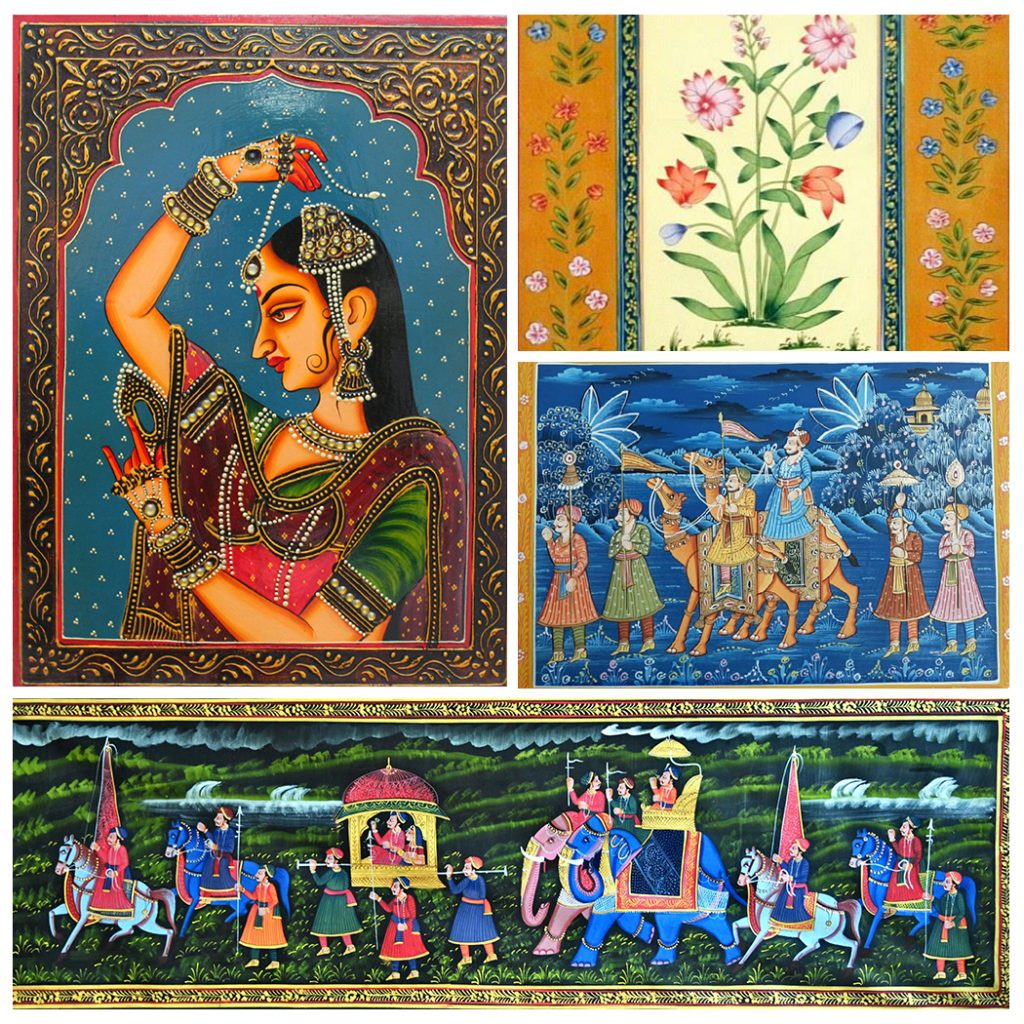
Miniature painting is an art form that requires a great deal of precision, attention to detail, and patience. It is a process that involves creating small-scale artworks that are incredibly detailed and intricate. This art form has been around for centuries and has been practiced by artists all over the world. However, it has recently gained popularity among hobbyists and collectors alike.

In this article, we will explore the techniques used in miniature painting and how to achieve precision in your work. We will cover everything from the tools and materials you will need to the various techniques and tips for creating the perfect miniature painting.

Tools and Materials

The first step in achieving precision in your miniature painting is to have the right tools and materials. The following are some of the essential tools and materials you will need:

  1. Brushes – The most important tool in your arsenal is your brush. A good brush is essential for achieving precision in your work. Look for brushes with fine, pointed tips and a good spring. The size of the brush will depend on the size of your painting.
  2. Paints – When it comes to paints, it is essential to use high-quality paints that are highly pigmented. Acrylic paints are a popular choice for miniature painting because they dry quickly and are easy to work with.
  3. Palette – You will need a palette to mix your paints on. Look for a palette with a smooth surface that is easy to clean.
  4. Primer – A good primer is essential for preparing your surface for painting. Look for a primer that is specifically designed for miniature painting.
  5. Miniature – Of course, you will need a miniature to paint. You can either purchase a miniature or create one yourself using modeling clay.Exploring the Art of Indian Miniature Painting

Techniques

Now that you have your tools and materials, it is time to start painting. The following are some of the techniques used in miniature painting:

  1. Base coating – The first step in painting your miniature is to basecoat it. This involves applying a thin layer of paint to the entire surface of the miniature. This will provide a base color for your painting.
  2. Layering – Once the base coat has dried, you can start layering your paint. Layering involves applying thin layers of paint to build up the color and create shadows and highlights.
  3. Glazing – Glazing is a technique used to create subtle color variations and smooth transitions. This involves applying a thin layer of translucent paint over an area that has already been painted.
  4. Dry Brushing – Dry Brushing is a technique used to create texture and highlights. This involves applying a small amount of paint to the tip of your brush and then wiping most of it off on a paper towel. You then lightly brush the surface of the miniature to create texture and highlights.

Tips for Achieving Precision

Achieving precision in your miniature painting takes time and practice. The following are some tips to help you achieve the perfect miniature painting:

  1. Work in good lighting – Good lighting is essential for achieving precision in your work. Make sure you are working in a well-lit area with plenty of natural light.
  2. Take breaks – Painting miniatures can be a time-consuming process. Take breaks often to rest your eyes and prevent fatigue.
  3. Use a magnifying glass – A magnifying glass can be a helpful tool for achieving precision in your work. Use a magnifying glass to get a closer look at the details of your painting.
  4. Practice, practice, practice – The key to achieving precision in your work is practice. Keep practicing and trying new techniques until you find the ones that work best for you.

Read more: For more information please visit our website neukirche.org

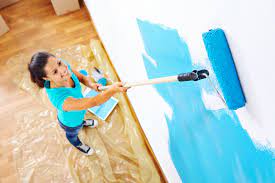
Stress-Free Home Painting: Hiring the Right Professionals for the Job

When it comes to home painting, there are a lot of factors to consider. From choosing the right colors to deciding which rooms to paint, it can be a daunting task for any homeowner. But one thing that should never be overlooked is the importance of hiring the right professionals for the job. In this article, we’ll explore why it’s crucial to hire experienced painters for your home, what to look for when choosing a painting company, and how to ensure a stress-free painting experience.

Contents

Why It’s Important to Hire Experienced Painters

When it comes to home painting, it may be tempting to try and save money by doing it yourself or hiring an inexperienced painter. However, this can often lead to costly mistakes and a less-than-desirable outcome. Experienced painters have the knowledge and skills to tackle any painting project, big or small, and can ensure a high-quality finish that will last for years to come.

In addition, professional painters have access to high-quality tools and materials that are necessary for a successful paint job. They know how to properly prepare surfaces, choose the right type of paint, and apply it in a way that will ensure a smooth and even finish. Plus, they have the expertise to handle any unforeseen challenges that may arise during the painting process.

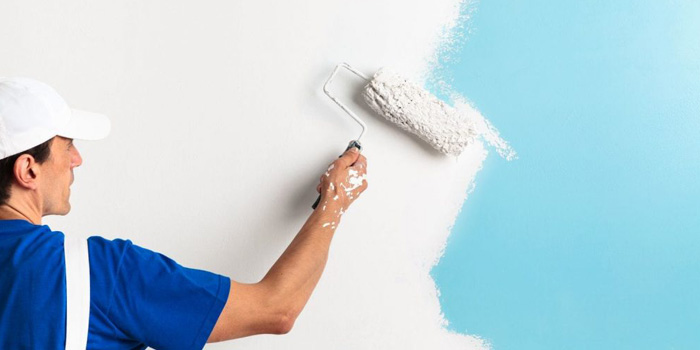
Is it worth painting your own house? | Is painting houses a hard job?

What to Look for When Choosing a Painting Company

When it comes to choosing a painting company, there are a few key factors to consider. First and foremost, make sure the company has a good reputation in the community. Read online reviews, ask for references, and check their credentials to ensure they are licensed and insured.

Next, look for a company that offers a wide range of services. This can include interior and exterior painting, as well as services like drywall repair and deck staining. By choosing a company that offers a variety of services, you can save time and money by having all of your painting needs met in one place.

Another important factor to consider is the quality of their work. Look for a painting company that takes pride in their craftsmanship and uses only the best materials. Ask to see examples of their work and make sure it aligns with your expectations.

How to Ensure a Stress-Free Painting Experience

Now that you’ve chosen the right painting company for your project, it’s important to take steps to ensure a stress-free painting experience. Here are a few tips to help you prepare for your paint job:

  1. Plan ahead: Make sure you have a clear idea of what you want before the painters arrive. This can include choosing paint colors, deciding which rooms to paint, and identifying any special requirements.
  2. Clear the space: Remove any furniture or decor that could get in the way of the painters. This will ensure that they have easy access to all areas that need to be painted.
  3. Communicate clearly: Make sure you communicate your expectations and preferences to the painting company before they begin. This can include things like the type of paint you want to use, the level of gloss you prefer, and any other special requests.
  4. Trust the professionals: Once the painters arrive, trust that they know what they’re doing. Avoid micromanaging or hovering over them, as this can add unnecessary stress to the process.

By following these simple tips, you can ensure a stress-free painting experience that will leave your home looking beautiful and refreshed.

Conclusion

When it comes to home painting, hiring the right professionals is crucial for a successful outcome. Experienced painters have the skills and knowledge to ensure a high-quality finish, while a reputable painting company can provide a stress-free painting experience from start to finish.

The Role of Texture in Abstract Painting: Techniques for Creating Depth and Movement

Abstract painting is a unique genre of painting that focuses on non-representational forms and shapes, making use of various colors, lines, and textures to create an impression or convey an emotion. One of the key elements that make abstract painting stand out is the use of texture, which can add depth and movement to a piece. In this article, we will explore the different techniques for creating texture in abstract painting and how to use it to enhance the overall composition of your artwork.

Contents

Understanding Texture in Abstract Painting

Texture refers to the physical quality of a surface, including its smoothness, roughness, or the way it reflects light. In abstract painting, texture is used to add interest and dimension to the artwork. When you add texture to your painting, you can create a more tactile and immersive experience for the viewer, making the artwork feel more real and alive.

Benefits of Art: Challenge Yourself With Abstract | iCanvas Blog -  Heartistry

Types of Texture in Abstract Painting

There are many different ways to create texture in abstract painting. Some of the most common techniques include:

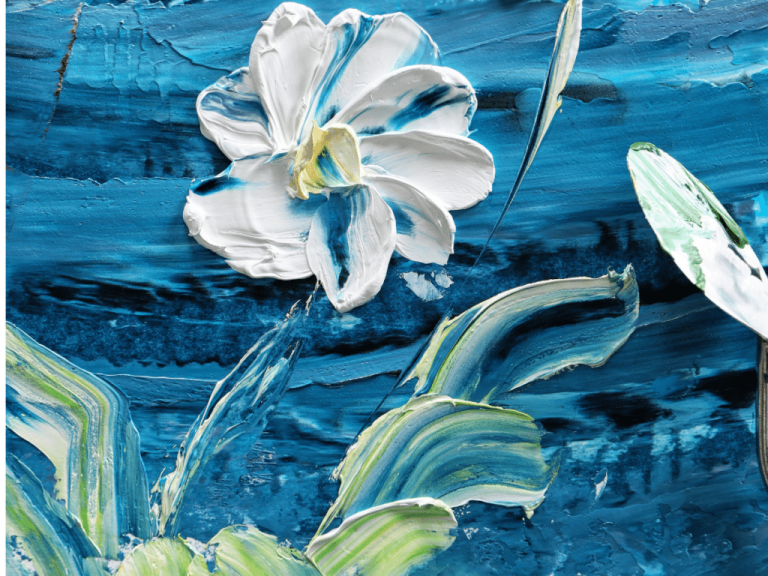
1. Impasto

Impasto is a technique where thick paint is applied to the canvas using a palette knife or brush. This creates a three-dimensional effect on the canvas, as the paint rises off the surface.

2. Collage

Collage is a technique where different materials, such as paper, fabric, or found objects, are glued to the canvas to create a textured surface.

3. Sgraffito

Sgraffito is a technique where the top layer of paint is scratched off to reveal the layer underneath. This creates a textured effect that is both visually interesting and tactile.

4. Stippling

Stippling is a technique where small dots or dashes are used to create a textured effect. This technique is often used to create a pointillist effect, where small dots of color are used to create an overall image.

Using Texture to Create Depth and Movement

Texture can be used to create depth and movement in abstract painting. Here are some tips for incorporating texture into your artwork:

1. Experiment with Different Techniques

Try out different techniques for creating texture to find the ones that work best for your artistic style. Don’t be afraid to experiment with different materials, tools, and techniques to create unique and interesting effects.

2. Layer Your Textures

Layering different textures on top of each other can create a more complex and interesting surface. For example, you might apply a layer of impasto, followed by a layer of collage, and then scratch off some of the top layer to reveal the layer underneath.

3. Play with Color

Using different colors in your textures can create a more dynamic and visually interesting surface. Try using contrasting colors or complementary colors to create a sense of movement or tension in your artwork.

4. Use Texture to Create Focal Points

Texture can be used to draw the viewer’s eye to specific areas of the painting. For example, you might use a heavily textured area to draw attention to a particular element or object in the artwork.

Conclusion

Texture is an essential element of abstract painting that can add depth, movement, and interest to your artwork. By experimenting with different techniques and incorporating texture into your artistic process, you can create unique and visually compelling pieces that stand out from the crowd.

Expressing Emotion Through Abstraction: The Power of Intuition in Art

Art is a means of self-expression and communication, where artists use various mediums to convey their emotions and ideas. One of the most powerful ways of doing this is through abstraction. Abstract art is often misunderstood, but it has the ability to convey emotions and ideas in a way that is not possible with representational art. In this article, we will explore the power of intuition in abstraction art and how it allows artists to express their emotions through abstraction.

Contents

What is Abstraction Art?

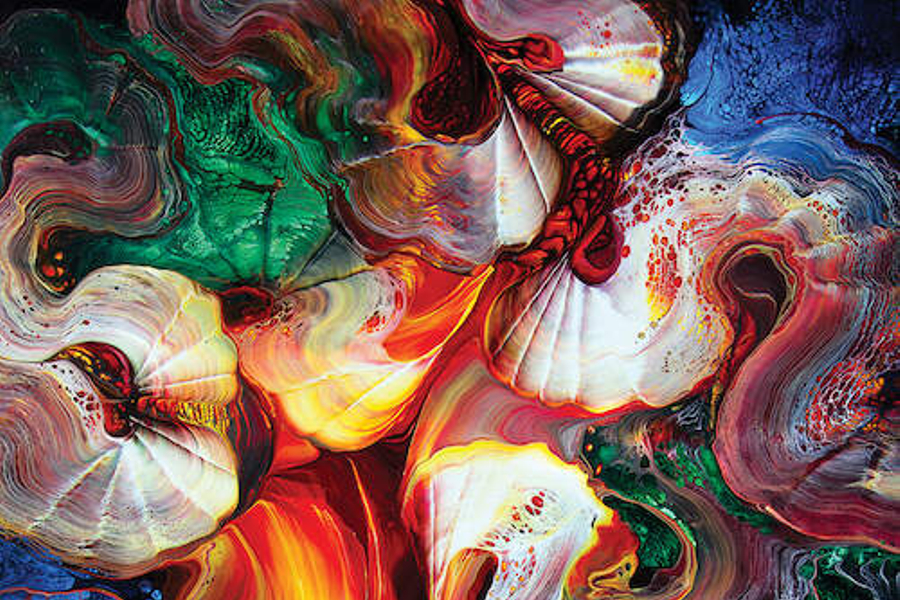
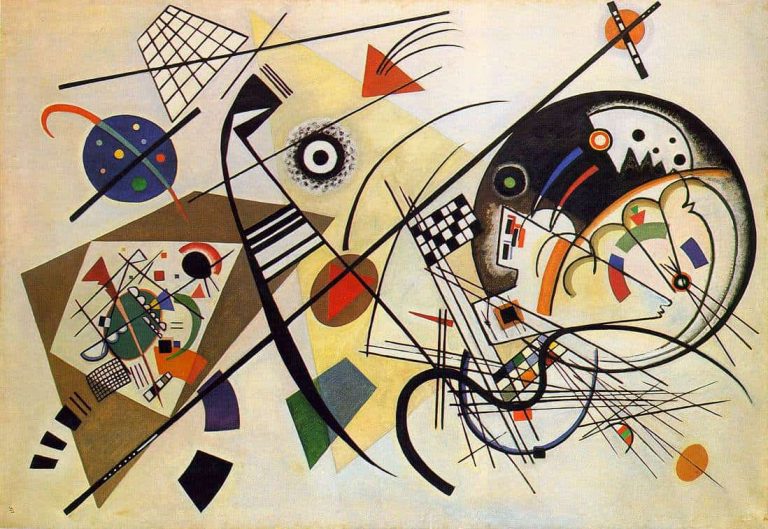
Abstraction art is a form of art that is not meant to represent the physical world. Instead, abstraction art uses shapes, colors, and textures to convey emotions and ideas. abstraction art can be found in various mediums, such as painting, sculpture, and even music. It is a form of art that allows the viewer to interpret the piece in their own way, creating a unique experience for each individual.

Abstract Art: Examples Throughout History | Rise Art

The Power of Intuition in Abstraction Art

Abstraction art is a means of expressing emotions and ideas that are not easily conveyed through representational art. Abstraction artists rely on their intuition to guide them through the creative process. By tapping into their intuition, artists are able to express their emotions in a way that is unique to them.

Intuition is a powerful tool that allows artists to create without inhibition. It is the ability to understand something immediately, without the need for conscious reasoning. By relying on their intuition, artists are able to create works that are raw and emotional. These works have the ability to move the viewer in a way that is not possible with representational art.

The Role of Emotions in Abstraction Art

Emotions play a crucial role in abstraction art. Abstraction artists use their emotions as a source of inspiration, allowing them to create works that are deeply personal. By expressing their emotions through their art, abstract artists are able to connect with their viewers on a deeper level.

Abstraction art allows for a more visceral experience, where the viewer is able to connect with the emotions expressed in the piece. This emotional connection is what makes abstract art so powerful. It has the ability to move the viewer in a way that is not possible with representational art.

The Importance of Color in Abstraction Art

Color is an essential element of abstraction art. Color has the ability to evoke emotions and feelings in the viewer. Abstraction artists use color to convey emotions and ideas, creating a powerful experience for the viewer.

Each color has its own unique meaning and emotion associated with it. For example, red is often associated with passion and energy, while blue is associated with calmness and tranquility. By using color in their work, abstraction artists are able to convey emotions and ideas in a way that is not possible with words.

The Beauty of Abstraction Art

Abstraction art is often misunderstood and underappreciated. However, it is a beautiful form of art that has the ability to move the viewer in a way that is not possible with representational art. Abstraction art allows for a more visceral and emotional experience, where the viewer is able to connect with the emotions expressed in the piece.

Abstraction art is a form of self-expression that allows artists to convey their emotions and ideas in a unique and personal way. By relying on their intuition, abstraction artists are able to create works that are raw, emotional, and deeply personal.

Conclusion

Abstraction art is a powerful form of art that allows artists to express their emotions and ideas in a way that is not possible with representational art. By tapping into their intuition, artists are able to create works that are deeply personal and emotional. Abstraction art has the ability to move the viewer in a way that is not possible with words, creating a unique and powerful experience for each individual.

The Evolution of Landscape Painting: From the Hudson River School to Modern Art

1

The evolution of landscape painting is a fascinating journey that spans over centuries, encompassing various art movements and styles. One of the earliest schools of landscape painting was the Hudson River School, which emerged in the mid-19th century in America. This movement emphasized the natural beauty of the American wilderness and the sublime power of nature. Artists such as Thomas Cole and Frederic Edwin Church created panoramic landscapes with meticulous details and a romanticized interpretation of nature.

Landscape painting has been a popular art form for centuries. It is a form of art that captures the beauty of nature, and has been used to convey a range of emotions and ideas. From the Hudson River School to Modern Art, the evolution of landscape painting has been influenced by various factors. In this article, we will explore the history and evolution of landscape painting and how it has influenced the art world today.

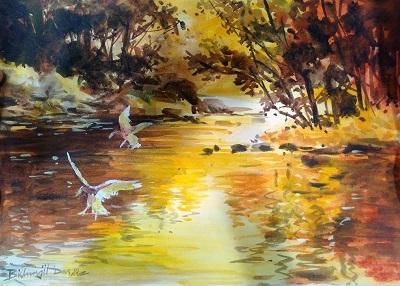
Landscape Painting Medium: Water Color at Best Price in Noida | Ansh  Ventures Pvt.Ltd.

Contents

The Hudson River School

The Hudson River School was a group of American painters who painted landscapes in the mid-19th century. They were known for their romantic and idealized depictions of the American wilderness. Their paintings often featured dramatic landscapes, including waterfalls, mountains, and forests. The Hudson River School was also known for their attention to detail, with many of their paintings featuring highly realistic depictions of nature.

One of the most famous artists of the Hudson River School was Thomas Cole. He is best known for his series of paintings, “The Course of Empire,” which depicted the rise and fall of civilizations. Another prominent artist of the Hudson River School was Frederic Edwin Church, who painted stunning landscapes of the American West.

Impressionism

In the late 19th century, a new art movement emerged in France known as Impressionism. Impressionism was characterized by loose brushstrokes and a focus on capturing the effects of light on nature. Impressionist paintings often depicted scenes of daily life, including landscapes.

One of the most famous Impressionist landscape painters was Claude Monet. His series of paintings, “Water Lilies,” captured the beauty of his garden in Giverny, France. Another prominent Impressionist landscape painter was Camille Pissarro, who landscape painting in a more realistic style than many of his fellow Impressionists.

Post-Impressionism

Post-Impressionism was a movement that emerged in the late 19th and early 20th centuries. It was characterized by a rejection of the limitations of Impressionism and a focus on individual expression. Post-Impressionist artists often used bold colors and exaggerated forms to convey emotion and meaning.

One of the most famous Post-Impressionist landscape painters was Vincent van Gogh. His painting, “Starry Night,” is one of the most recognizable paintings in the world. Another prominent Post-Impressionist landscape painter was Paul Cézanne, who used bold colors and geometric forms to capture the essence of nature.

Modern Art

In the 20th century, landscape painting continued to evolve. Modern artists continued to push the boundaries of traditional landscape painting, experimenting with new techniques and styles.

One of the most famous Modern landscape painters was Georgia O’Keeffe. Her paintings of the American Southwest captured the rugged beauty of the desert landscape. Another prominent Modern landscape painter was Mark Rothko, who used color to convey emotion and mood in his abstract landscape paintings.

Conclusion

The evolution of landscape painting has been influenced by various factors throughout history. From the romantic and idealized depictions of the Hudson River School to the bold colors and exaggerated forms of Post-Impressionism, landscape painting has continued to evolve and inspire artists throughout the world. Today, landscape painting continues to be a popular form of art, with artists continuing to push the boundaries and explore new techniques and styles.

Choosing the Right Tools and Materials for Your Miniature Painting Project

0

Miniature painting can be a fun and rewarding hobby, but choosing the right tools and materials can make a huge difference in the quality of your finished product. In this article, we will guide you through the process of selecting the best materials and tools for your miniature painting project.

Contents

1. Brushes

The first step in any miniature painting project is to choose the right brushes. The brushes you select will depend on the size of your miniatures and the level of detail you want to achieve.

For fine detail work, we recommend using a size 0 or 1 brush with a fine point. If you are working on larger miniatures or want to cover a larger area, a size 2 or 3 brush is a good choice. When selecting brushes, it is important to choose high-quality brushes made from natural fibers, such as sable or kolinsky, as they will hold more paint and allow for better control.

Miniature Painting & Art - History & Evolution, Schools & Techniques

2. Paints

Selecting the right paints for your miniature painting project is crucial to achieving the desired effect. There are two main types of paints used in miniature painting: acrylic and enamel.

Acrylic paints are the most popular choice for miniature painting due to their ease of use, quick drying time, and ability to be thinned with water. They also come in a wide range of colors and can be mixed to create custom shades.

Enamel paints, on the other hand, offer a more durable finish and are ideal for metal miniature painting. However, they require a longer drying time and can be difficult to clean up.

When selecting paints, it is important to choose high-quality paints that are specifically designed for miniature painting, as they will provide better coverage and adhesion.

3. Primer

Priming your miniatures is an important step in the painting process, as it provides a smooth surface for the paint to adhere to and can help improve the longevity of your finished product.

We recommend using a spray primer designed specifically for miniatures, as it will provide a smooth, even coat and can help highlight any imperfections in your miniature that need to be addressed before painting.

4. Lighting

Proper lighting is essential when miniature painting, as it allows you to see the details and colors more clearly. Natural daylight is the best option, but if this is not possible, a high-quality LED light will also work well.

When selecting a light, it is important to choose one that provides a bright, even light without casting shadows or causing glare.

5. Workspace

Creating a dedicated workspace for your miniature painting project can help improve the quality of your finished product and make the process more enjoyable.

We recommend setting up a table or desk with ample space to work and good lighting. It is also important to keep your workspace clean and organized, as clutter can be distracting and make it more difficult to focus on your painting.

6. Miscellaneous Tools

There are several other tools and materials that can be useful when miniature painting, including:

  • Palette: A palette is used to mix and hold your paints. We recommend using a wet palette, as it will keep your paints moist and prevent them from drying out too quickly.
  • Paint Thinner: If you are using enamel paints, you will need to use a paint thinner to thin the paint to the desired consistency.
  • Magnifying Glass: A magnifying glass can be useful when painting small details or working on particularly small miniatures.
  • Pin Vice: A pin vice is used to drill small holes in your miniatures for things like pinning and basing.

From Boring to Beautiful: Residential Painting for Interior Spaces

Residential painting for interior spaces is one of the most effective ways to transform a boring home into a beautiful, inviting space. A fresh coat of paint can do wonders in updating the look of any room, and it’s a relatively inexpensive way to increase the value of your property. In this article, we’ll explore the benefits of professional residential painting, the different types of paint available, and some tips for achieving the perfect finish. Professional commercial painters service check over here.

Contents

Benefits of Professional Residential Painting

One of the main benefits of hiring a professional painter is the quality of work you can expect. Experienced painters have the skills and knowledge needed to achieve a flawless finish that will last for years. They also have access to the best tools and materials, ensuring that your project will be completed efficiently and to a high standard.

Another advantage of hiring a professional painter is the time and effort it saves you. Residential painting can be a time-consuming and messy process, especially if you’re not familiar with the technique. By hiring a professional, you can sit back and relax while they take care of everything, from preparing the surfaces to cleaning up after the job is done.

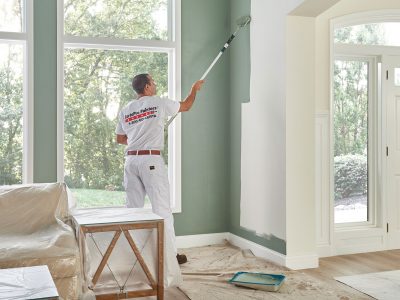
Interior Painters | House Painting Services | CertaPro Painters®

Different Types of Paint

When it comes to choosing the right type of paint for your interior spaces, there are several options available. Some of the most common types include:

  1. Matte Paint: This type of paint has a flat, non-reflective finish and is ideal for hiding imperfections in walls and ceilings.
  2. Eggshell Paint: With a slight sheen, eggshell paint is perfect for high-traffic areas like kitchens and hallways. It’s durable and easy to clean, making it a popular choice for many homeowners.
  3. Satin Paint: Similar to eggshell, satin paint has a slight sheen but is more durable and resistant to moisture. It’s a good choice for bathrooms and other damp areas.
  4. Gloss Paint: Gloss paint has a shiny, reflective finish and is ideal for highlighting architectural details like moldings and trim.

Tips for Achieving the Perfect Finish

If you’re planning to do some painting yourself, there are several tips you can follow to achieve a professional-looking finish:

  1. Prepare the surface: Proper surface preparation is crucial to achieving a flawless finish. This includes cleaning the walls, filling in any holes or cracks, and sanding down rough spots.
  2. Use high-quality tools and materials: Investing in good-quality paint, brushes, and rollers will help you achieve a better finish and make the job easier.
  3. Prime the surface: Using a primer will help the paint adhere better to the surface and provide a more even finish.
  4. Use the right technique: Whether you’re using a brush or roller, it’s important to use the right technique to avoid drips and uneven coverage.
  5. Take your time: Rushing the job is one of the most common mistakes people make when painting. Taking your time and applying several thin coats will help you achieve a smoother, more even finish.

Conclusion

Residential painting for interior spaces is a great way to update the look of your home and increase its value. By hiring a professional painter or following some basic tips, you can achieve a flawless finish that will last for years. Whether you’re looking to refresh a single room or give your entire home a makeover, investing in a fresh coat of paint is a smart and cost-effective solution.

Common Fiberglass Insulation Myths Debunked

As a trusted source of information, we believe that it is our responsibility to address some of the common myths surrounding fiberglass insulation. This way, we can help individuals and organizations make informed decisions when it comes to choosing insulation materials for their homes and businesses.

Contents

Fiberglass insulation causes respiratory problems

One of the most common myths about fiberglass insulation is that it causes respiratory problems. This myth has been around for decades, and it has no scientific basis. In fact, fiberglass insulation is one of the most widely used and thoroughly tested insulation materials in the world.

Fiberglass insulation is made from tiny fibers of glass, which are spun into wool-like fibers. These fibers are then used to make a variety of products, including insulation. Because of their small size, these fibers are unlikely to cause respiratory problems, even when inhaled. In addition, fiberglass insulation is treated with a variety of chemicals that help to bind the fibers together, further reducing the risk of respiratory problems.

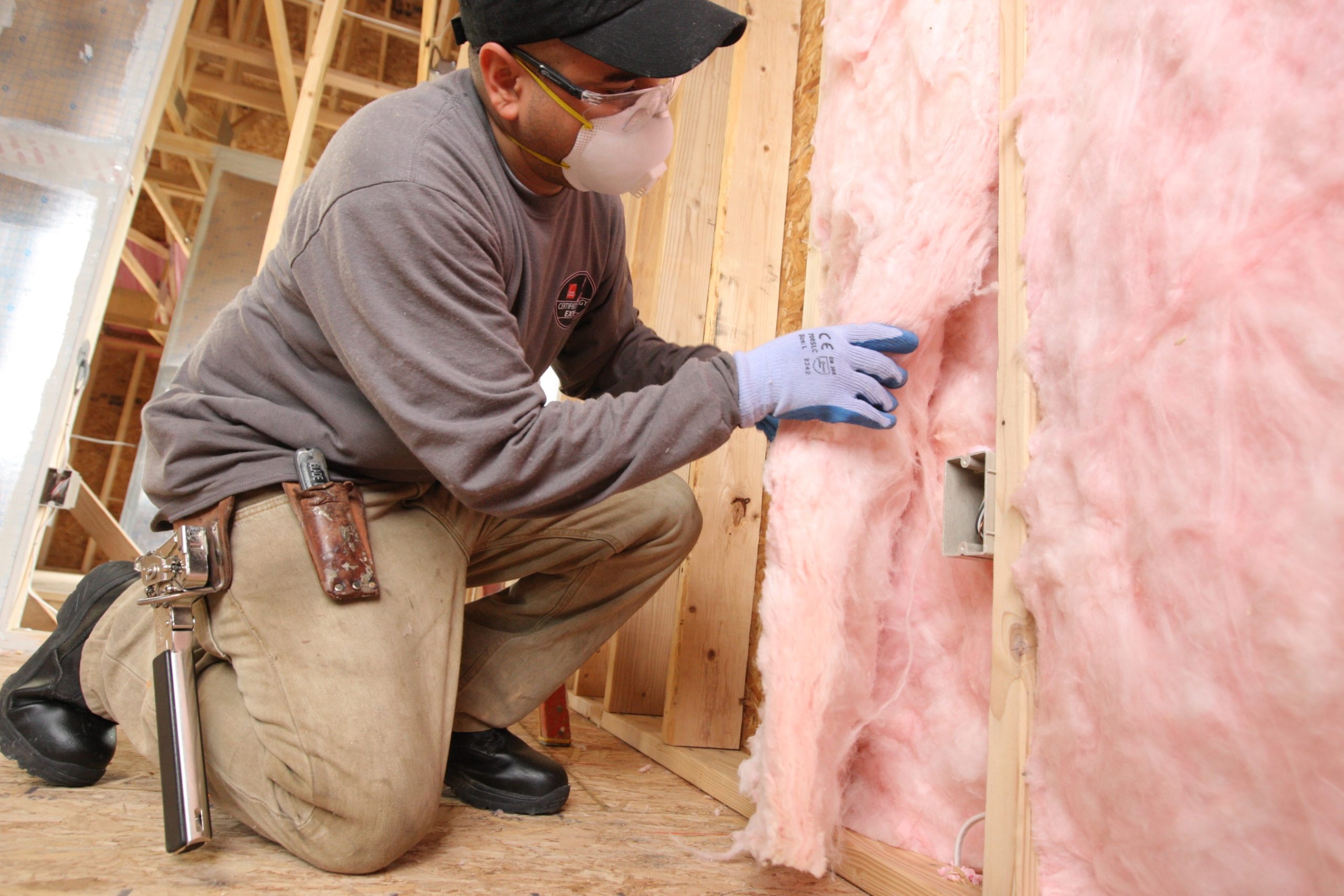
Fiberglass Insulation Installers Cincinnati | Call Now

Fiberglass insulation is not environmentally friendly

Another common myth about fiberglass insulation is that it is not environmentally friendly. This myth is based on the fact that fiberglass insulation is made from glass, which is not a renewable resource. However, what most people don’t realize is that fiberglass insulation is actually one of the most environmentally friendly insulation materials available.

Firstly, fiberglass insulation is made from recycled glass, which means that it is not only environmentally friendly, but also helps to reduce waste. Secondly, fiberglass insulation is energy efficient, which means that it helps to reduce the amount of energy needed to heat and cool buildings. Finally, fiberglass insulation is long-lasting, which means that it does not need to be replaced as often as other insulation materials.

Fiberglass insulation is not as effective as other insulation materials

Another common myth about fiberglass insulation is that it is not as effective as other insulation materials. This myth is based on the fact that fiberglass insulation has a lower R-value than some other insulation materials, such as spray foam insulation.

However, what most people don’t realize is that R-value is just one factor to consider when choosing insulation materials. Other factors, such as cost, ease of installation, and environmental impact, are also important. In addition, fiberglass insulation can be installed to any R-value required, making it a versatile and effective insulation material.

Fiberglass insulation is difficult to install

Another common myth about fiberglass insulation is that it is difficult to install. While it is true that fiberglass insulation requires a certain level of skill to install properly, it is not as difficult as some people think.

In fact, fiberglass insulation can be installed in a variety of ways, including by hand, by blowing it into cavities, or by using a special machine. In addition, many insulation contractors are trained and certified to install fiberglass insulation, making the installation process quick, easy, and hassle-free.

Fiberglass insulation is not safe for use in homes and businesses

Finally, one of the most persistent myths about fiberglass insulation is that it is not safe for use in homes and businesses. This myth is based on the fact that fiberglass insulation is made from glass, which is a sharp and potentially dangerous material.

However, what most people don’t realize is that fiberglass insulation is treated with a variety of chemicals that help to bind the fibers together, making it safe for use in homes and businesses. In addition, fiberglass insulation is non-flammable, which means that it does not pose a fire hazard.

Conclusion

Fiberglass insulation is a safe, effective, and environmentally friendly insulation material that has been thoroughly tested and proven to be effective in a wide range of applications.

The Benefits of Mineral Wool Insulation for Your Home

Mineral wool insulation is a type of insulation material that is made from natural materials like rock and slag. This type of insulation has gained popularity in recent years due to its many benefits for homeowners. One of the main advantages of mineral wool insulation is its excellent thermal insulation properties, which help to keep homes warm in the winter and cool in the summer. Additionally, mineral wool insulation is also great at reducing noise transmission, which can be particularly useful in homes located near busy roads or other noisy environments.

As homeowners, it is our top priority to ensure that our homes are properly insulated to keep us warm in the winter and cool in the summer. With a plethora of insulation options available on the market, it can be overwhelming to choose the right one for your home. However, we highly recommend mineral wool insulation for its numerous benefits.

Contents

What is Mineral Wool Insulation?

Mineral wool insulation is made from natural rock or slag that is melted and spun into fibers. The fibers are then compressed and bonded to create insulation batts or loose-fill insulation. Mineral wool insulation is available in various forms, including rolls, batts, or blown-in insulation.

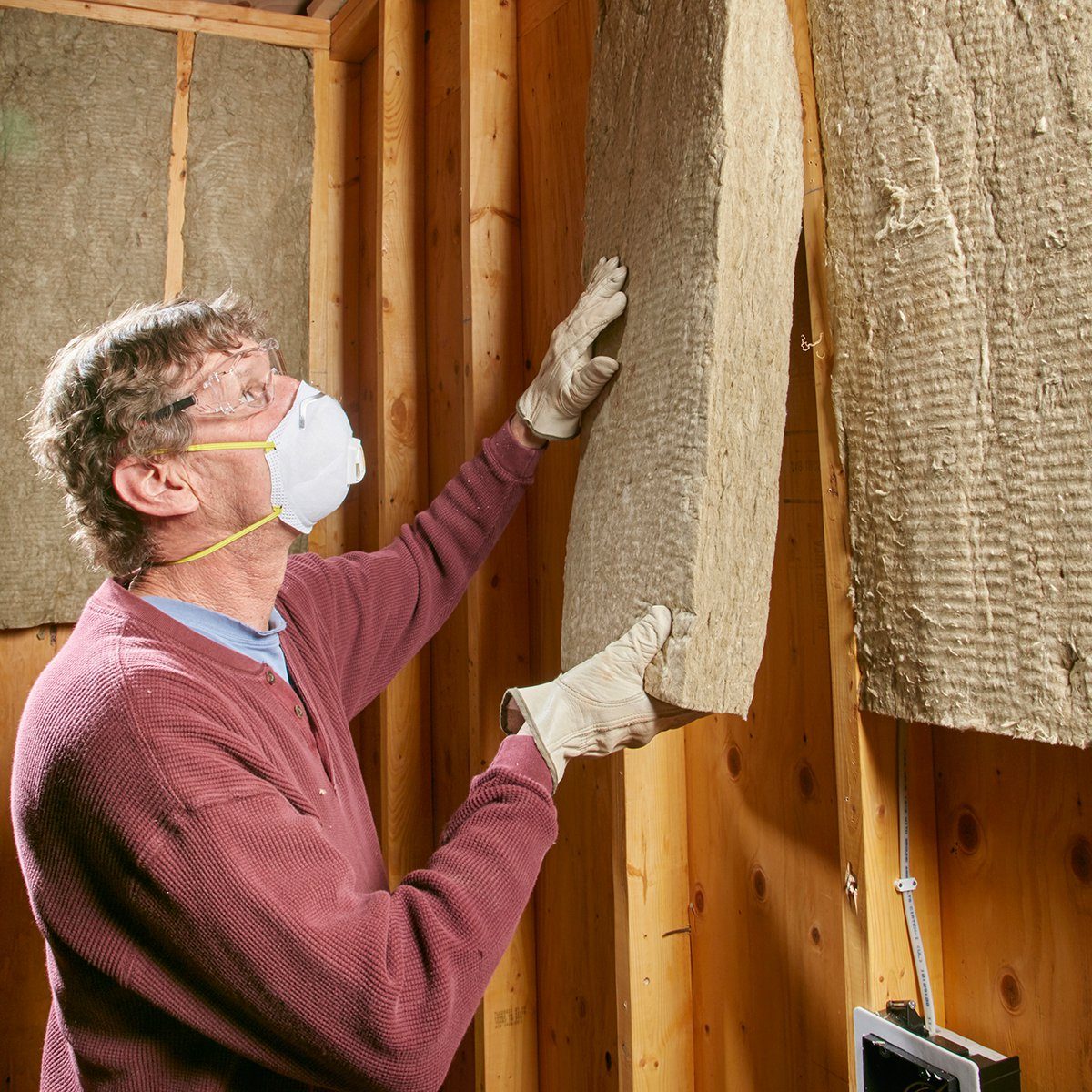
Why Choose Mineral Wool Insulation? | Family Handyman

Benefits of Mineral Wool Insulation

1. Fire Resistance

Mineral wool insulation is an excellent fire-resistant option for your home. It can withstand temperatures of up to 1,800 degrees Fahrenheit, making it an ideal choice for homes in wildfire-prone areas. In the event of a fire, mineral wool insulation will not contribute to the spread of flames, providing extra protection for your home.

2. Sound Insulation

In addition to thermal insulation, mineral wool insulation provides excellent sound insulation. Its dense fibers trap sound waves, reducing noise transfer from room to room or from outside the home. This makes mineral wool insulation an excellent choice for homeowners who live in busy neighborhoods or near busy roads.

3. Moisture Resistance

Mineral wool insulation is hydrophobic, meaning it repels water. This property makes it an ideal insulation choice for damp areas like basements, attics, or crawl spaces. Mineral wool insulation does not absorb moisture, preventing the growth of mold and mildew, which can cause health problems and damage to your home.

4. Energy Efficiency

Mineral wool insulation provides excellent thermal insulation, keeping your home warm in the winter and cool in the summer. It has a high R-value, which measures its thermal resistance. With proper installation, mineral wool insulation can significantly reduce your energy bills, making it a cost-effective option in the long run.

5. Environmentally Friendly

Mineral wool insulation is an environmentally friendly option for homeowners. It is made from natural and recycled materials, reducing the amount of waste in landfills. Mineral wool insulation is also non-toxic, making it a safe option for homeowners with children or pets.

Installation of Mineral Wool Insulation

Mineral wool insulation is easy to install and can be done by homeowners or professionals. However, it is important to ensure that it is installed correctly to reap its benefits fully. Here are some installation tips:

  • Wear protective gear such as gloves, goggles, and a mask during installation to avoid skin and respiratory irritations.
  • Ensure that the insulation is properly fitted into wall cavities or attic spaces to prevent air leaks.
  • Use a vapor barrier to prevent moisture buildup.
  • Ensure that the insulation is not compressed, as this can reduce its effectiveness.

Conclusion

Mineral wool insulation is an excellent choice for homeowners who prioritize safety, energy efficiency, and environmental friendliness. Its fire-resistant, sound-insulating, moisture-repellent, and thermal-insulating properties make it a versatile insulation option for any home. With proper installation, mineral wool insulation can significantly reduce your energy bills while providing extra protection and comfort for your family.