
Friday, March 20, 2026
Home Blog Page 82

Home Appliances for a Healthier Home: Air Purifiers and Humidifiers

1

The air we breathe in our homes can have a significant impact on our health and well-being. Poor indoor air quality can lead to respiratory problems, allergies, and other health issues. Fortunately, there are home appliances available that can improve the air quality in our homes, such as air purifiers and humidifiers. In this article, we’ll explore the benefits of these home appliances and how they can help create a healthier home.

Contents

Air Purifiers

Air purifiers are home appliances designed to remove pollutants and contaminants from the air in our homes. These pollutants can come from a variety of sources, such as pet dander, pollen, and mold. Air purifiers work by using filters to capture these pollutants, preventing them from circulating in the air we breathe.

Benefits of Air Purifiers

Reducing Allergies and Asthma Symptoms

Air purifiers can be particularly beneficial for individuals with allergies or asthma. They can remove allergens and irritants from the air, such as pet dander, pollen, and dust, reducing the risk of allergic reactions and asthma attacks.

Home appliances HD wallpapers | Pxfuel

Removing Odors

Air purifiers can also remove unpleasant odors from our homes. They can capture odors from cooking, smoking, and other sources, creating a fresher and more pleasant environment.

Improving Overall Air Quality

By removing pollutants from the air, air purifiers can improve the overall air quality in our homes. This can lead to better respiratory health, a reduction in headaches and fatigue, and a generally healthier living environment.

Types of Air Purifiers

HEPA Filters

HEPA (High-Efficiency Particulate Air) filters are the most common type of filter used in air purifiers. They are designed to capture 99.97% of particles as small as 0.3 microns, including allergens, dust, and other pollutants.

Carbon Filters

Carbon filters are designed to remove odors and gases from the air, such as cooking smells and tobacco smoke. They are often used in combination with HEPA filters to provide comprehensive air purification.

Ultraviolet (UV) Light

UV light air purifiers use ultraviolet light to kill bacteria and viruses in the air. They are often used in hospitals and other medical settings, but can also be used in homes for individuals with compromised immune systems.

Humidifiers

Humidifiers are home appliances designed to add moisture to the air in our homes. Dry air can lead to a variety of health issues, such as dry skin, nasal congestion, and sore throats. Humidifiers can help alleviate these symptoms by adding moisture to the air, creating a more comfortable living environment.

Benefits of Humidifiers

Reducing Respiratory Symptoms

Humidifiers can be particularly beneficial for individuals with respiratory problems, such as allergies and asthma. By adding moisture to the air, they can alleviate symptoms such as congestion and coughing, making it easier to breathe.

Improving Skin Health

Dry air can also lead to dry skin, which can be uncomfortable and unsightly. Humidifiers can help add moisture to the air, preventing skin from becoming dry and flaky.

Reducing Snoring

Dry air can cause the tissues in our throats to become dry and irritated, leading to snoring. By adding moisture to the air, humidifiers can help reduce snoring and improve sleep quality.

Types of Humidifiers

Evaporative Humidifiers

Evaporative humidifiers use a fan to blow air over a wet wick, which evaporates the water and adds moisture to the air. They are typically more affordable than other types of humidifiers, but require regular cleaning to prevent bacteria growth.


How to Create a Cohesive Look with Your Home Appliances

1

Creating a cohesive look in your home can be challenging, especially when it comes to appliances. With so many different styles, finishes, and brands available, it can be difficult to create a seamless and harmonious look throughout your home. In this article, we’ll explore some tips and tricks for creating a cohesive look with your home appliances.

Contents

Choose a Style

The first step in creating a cohesive look with your home appliances is to choose a style that you like and that works well with the overall design of your home. Some popular styles include traditional, modern, and transitional. Traditional appliances typically have ornate details and come in classic finishes like stainless steel or black. Modern appliances, on the other hand, are sleek and streamlined, often with a minimalist design and bold finishes like red or blue. Transitional appliances are a blend of both traditional and modern styles, with simple lines and muted finishes like gray or beige.

Stick to One Brand

Another way to create a cohesive look with your home appliances is to stick to one brand. Many appliance manufacturers offer a range of products in different styles and finishes, making it easy to create a unified look throughout your home. For example, if you choose a stainless steel refrigerator from a certain brand, you may be able to find a matching range, dishwasher, and microwave from the same brand.


Consider Color

While stainless steel is a popular finish for appliances, it’s not the only option. Consider incorporating color into your appliance choices to add a pop of personality to your home. Some popular color options include black, white, and various shades of gray. If you’re feeling bold, you can also opt for home appliances in brighter colors like red, blue, or green. Just make sure the colors you choose complement each other and work well with the overall design of your home.

Look for Matching Handles

Another subtle way to create a cohesive look with your home appliances is to look for models with matching handles. Handles can make a big difference in the overall appearance of an home appliance, and having matching handles can help tie everything together. This is particularly important if you’re using appliances from different brands or in different finishes.

Electronics & Appliances

Choose Built-In Appliances

Built-in home appliances are another way to create a cohesive look in your home. Built-in appliances are designed to be integrated seamlessly into your cabinetry, making them blend in with the rest of your kitchen or laundry room. This can create a sleek and cohesive look that’s both functional and stylish.

Use Cabinet Panels

If you don’t want to invest in built-in appliances, another option is to use cabinet panels to disguise your home appliances. Cabinet panels are custom-made to fit over your appliances, giving them a seamless and integrated look. This is a particularly good option if you have appliances in different finishes or styles that don’t match each other.

Don’t Forget the Details

Finally, don’t forget about the little details when it comes to creating a cohesive look with your home appliances. This includes things like the knobs on your stove, the buttons on your dishwasher, and the finishes on your range hood. By paying attention to these small details and ensuring they match the overall style of your home, you can create a cohesive and unified look that ties everything together.

Conclusion

Creating a cohesive look with your home appliances is all about choosing a style, sticking to one brand, considering color, looking for matching handles, choosing built-in appliances, using cabinet panels, and paying attention to the details. By following these tips and tricks, you can create a beautiful and harmonious home environment that’s both functional and stylish.

Reflexology and Athletic Performance: How It Can Benefit Athletes and Active Individuals

2

Athletic performance can be improved through a variety of techniques, including physical training, nutrition, and rest. However, there is another technique that is gaining popularity among athletes and active individuals: reflexology. Reflexology is a complementary therapy that involves applying pressure to specific points on the feet, hands, and ears. In this article, we’ll explore the benefits of reflexology for athletic performance and how it can help athletes and active individuals reach their full potential.

Contents

What is Reflexology?

Reflexology is a form of complementary therapy that involves applying pressure to specific points on the feet, hands, and ears. These points, also known as reflex points, are believed to correspond to different organs, glands, and body systems. By applying pressure to these points, reflexologists aim to stimulate the corresponding areas of the body, promoting relaxation and balance.

Ahead of Olympics, athletes call out sexist uniform practices. - The 19th


Benefits of Reflexology for Athletic Performance

Reducing Stress and Anxiety

Athletes and active individuals often experience high levels of stress and anxiety, which can negatively impact their performance. Reflexology can help reduce stress and anxiety by promoting relaxation and reducing tension in the body. This can lead to improved mental focus and better performance on the field or in the gym.

Improving Circulation

Improved circulation is essential for athletes and active individuals, as it helps deliver oxygen and nutrients to the muscles, improving performance and reducing the risk of injury. Reflexology can help improve circulation by stimulating blood flow to the feet and other areas of the body, improving overall circulation and reducing the risk of injury.

Enhancing Recovery

Athletes and active individuals often experience muscle soreness and fatigue after workouts or competitions. Reflexology can help enhance recovery by reducing inflammation and promoting relaxation, allowing the body to recover more quickly and effectively.

Boosting Immune Function

Athletes and active individuals are more susceptible to illness and infection, which can negatively impact their performance. Reflexology can help boost immune function by stimulating the lymphatic system and promoting the elimination of toxins from the body. This can help athletes and active individuals stay healthy and perform at their best.

How Does Reflexology Work?

Reflexology works by stimulating the nerve endings on the feet, hands, and ears that correspond to different organs, glands, and body systems. By applying pressure to these reflex points, reflexologists aim to promote relaxation and balance throughout the body. Reflexology can be performed by a trained reflexologist, or individuals can perform self-reflexology techniques at home.

Techniques for Self-Reflexology

Foot Massage

One of the simplest techniques for self-reflexology is a foot massage. Start by sitting in a comfortable chair and taking a few deep breaths to relax. Use your hands to massage the soles of your feet, applying firm pressure to the reflex points. Pay particular attention to the reflex points corresponding to the organs or body systems you wish to stimulate.

Hand Reflexology

Hand reflexology is another effective technique for self-reflexology. Start by sitting in a comfortable chair and taking a few deep breaths to relax. Use your thumb and fingers to apply pressure to the reflex points on your hands, paying particular attention to the areas that correspond to the organs or body systems you wish to stimulate.

Ear Reflexology

Ear reflexology involves applying pressure to specific points on the ears that correspond to different organs and body systems. Start by sitting in a comfortable chair and taking a few deep breaths to relax. Use your fingers to apply pressure to the reflex points on your ears, paying particular attention to the areas that correspond to the organs or body systems you wish to stimulate.

The Role of Massage Therapy in Pain Management and Injury Rehabilitation

1

Massage therapy has been used for thousands of years to help alleviate pain, reduce stress, and improve overall health and wellness. In recent years, the use of massage therapy in pain management and injury rehabilitation has become increasingly popular. In this article, we’ll explore the role of massage therapy in pain management and injury rehabilitation and how it can benefit those seeking relief from chronic pain and injuries.

Contents

What is Massage Therapy?

Massage therapy is a form of manual therapy that involves manipulating the soft tissues of the body, including muscles, tendons, ligaments, and fascia. Massage therapists use a variety of techniques to apply pressure to these tissues, including kneading, stroking, stretching, and tapping. The goal of massage therapy is to promote relaxation, improve circulation, and reduce tension and pain in the muscles.

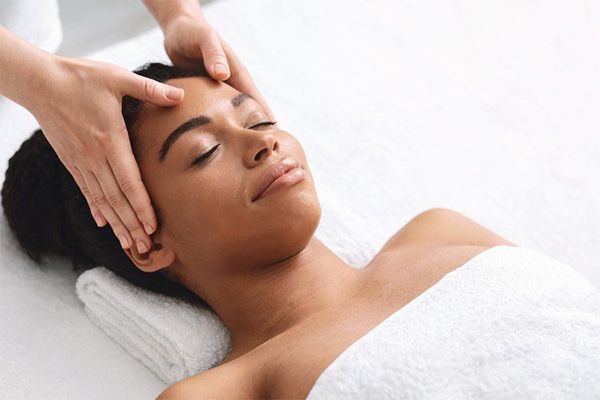
Top 10 Benefits of Massage Therapy - Balanced Body Chiropractic

The Role of Massage Therapy in Pain Management

Chronic pain is a common problem that affects millions of people around the world. While pain medication can provide temporary relief, it often comes with side effects and can be addictive. Massage therapy is a non-invasive, drug-free alternative to pain management that can provide long-term relief for chronic pain.

Massage therapy works by increasing blood flow to the affected area, which helps to reduce inflammation and promote healing. It also helps to relax the muscles, which can reduce tension and pain. Massage therapy has been shown to be effective in reducing pain in a variety of conditions, including fibromyalgia, osteoarthritis, and back pain.

The Role of Massage Therapy in Injury Rehabilitation

Injuries can be painful and debilitating, and they often require a period of rest and rehabilitation to heal properly. Massage therapy can play an important role in injury rehabilitation by reducing pain and promoting healing.

Massage therapy can help to reduce scar tissue and increase range of motion, which can be particularly beneficial for people who have suffered from injuries like sprains, strains, and fractures. It can also help to improve circulation to the affected area, which can speed up the healing process.

Massage therapy can be used in combination with other therapies like physical therapy to help speed up the healing process and reduce pain. It can also help to prevent further injuries by improving flexibility and range of motion.

Types of Massage Therapy

There are several different types of massage therapy that can be used in pain management and injury rehabilitation. These include:

  1. Swedish Massage – A gentle, relaxing massage that involves long, smooth strokes and kneading.
  2. Deep Tissue Massage – A more intense massage that focuses on the deeper layers of muscle tissue.
  3. Sports Massage – A massage that is specifically designed for athletes and involves stretching and kneading to improve flexibility and reduce the risk of injury.
  4. Trigger Point Massage – A massage that focuses on specific areas of muscle tension to release knots and alleviate pain.
  5. Myofascial Release – A massage that focuses on the fascia, the connective tissue that surrounds muscles, to reduce tension and pain.
  6. Neuromuscular Therapy – A massage that focuses on the nervous system and its impact on the muscles to reduce pain and improve function.

Conclusion

Massage therapy can be an effective and non-invasive way to manage chronic pain and promote healing in injuries. By increasing blood flow, reducing tension, and promoting relaxation, massage therapy can help to reduce pain and improve overall function. There are several different types of massage therapy that can be used in pain management and injury rehabilitation, and a trained massage therapist can help determine which type of massage therapy is best for your specific needs. If you’re struggling with chronic pain or recovering from an injury, consider adding massage therapy to your treatment plan.

The Different Types of Massage Therapy and Their Benefits

0

Massage therapy has been used for centuries to promote relaxation, ease muscle tension, and alleviate pain. There are many different types of massage therapy, each with their unique benefits. In this article, we will explore the different types of massage therapy and their benefits.

Contents

Swedish Massage

Swedish massage is the most popular type of massage therapy. It involves long, smooth strokes, kneading, and circular movements on the topmost layers of muscles. The goal of Swedish massage is to promote relaxation, increase blood flow, and relieve muscle tension. It is an excellent choice for those who are new to massage therapy.

Deep Tissue Massage

Deep tissue massage targets the deeper layers of muscles and connective tissue. This type of massage therapy uses slow, deep strokes and friction techniques to relieve chronic pain, reduce inflammation, and promote relaxation. It is ideal for individuals with chronic muscle pain, injury, or limited mobility.

How Does Massage Therapy Work? - Intent Health Clinic - Intent Health Clinic

Sports Massage

Sports massage is a type of massage therapy that is specifically designed for athletes. It helps athletes to prepare their bodies for optimal performance, recover after a big event or workout, and prevent or treat sports-related injuries. Sports massage uses techniques such as stretching, compression, and cross-fiber friction to improve flexibility, reduce muscle fatigue, and increase blood flow.

Hot Stone Massage

Hot stone massage involves the use of smooth, heated stones that are placed on specific points on the body. The heat from the stones helps to relax muscles and increase blood flow. The therapist may also use the stones as a massage tool to apply pressure and promote relaxation. Hot stone massage is an excellent choice for individuals who suffer from muscle tension, stress, or poor circulation.

Aromatherapy Massage

Aromatherapy massage combines the benefits of massage therapy with the use of essential oils. The therapist will choose specific oils based on the client’s needs and preferences. The oils are used to promote relaxation, reduce stress, and relieve pain. Aromatherapy massage is an excellent choice for individuals who suffer from anxiety, depression, or chronic pain.

Reflexology

Reflexology is a type of massage therapy that focuses on the feet, hands, and ears. The therapist will apply pressure to specific points on these areas, which are believed to correspond to different organs and systems in the body. Reflexology can help to improve circulation, reduce stress, and relieve pain.

Shiatsu Massage

Shiatsu massage is a type of massage therapy that originated in Japan. It involves applying pressure to specific points on the body using fingers, thumbs, and palms. The pressure is applied in a rhythmic sequence to promote relaxation, reduce stress, and improve overall health. Shiatsu massage is an excellent choice for individuals who suffer from anxiety, stress, or chronic pain.

Thai Massage

Thai massage is a type of massage therapy that originated in Thailand. It involves a combination of yoga-like stretches, acupressure, and massage techniques. Thai massage is designed to promote relaxation, reduce stress, and improve flexibility. It is an excellent choice for individuals who suffer from muscle tension, stress, or poor circulation.

Conclusion

There are many different types of massage therapy, each with their unique benefits. Whether you are looking to reduce stress, relieve pain, or improve flexibility, there is a type of massage therapy that is right for you. If you are new to massage therapy, we recommend starting with a Swedish massage. If you suffer from chronic pain or limited mobility, deep tissue massage may be the right choice for you. And if you are an athlete or suffer from sports-related injuries, sports massage may be the best option. Whatever your needs, there is a type of massage therapy that can help you achieve optimal health and wellness.

The Benefits of Massage Therapy for Overall Health and Well-being

1

At some point in our lives, we all experience some form of physical, emotional or mental stress. It could be due to work-related issues, personal problems, or even physical injuries. Regardless of the cause, stress can have a negative impact on our overall health and well-being. Fortunately, there are several ways to manage stress, and one of the most effective ways is through massage therapy.

Massage therapy has been used for centuries to relieve stress and promote healing. It involves the manipulation of soft tissues in the body, including muscles, tendons, ligaments, and connective tissues. Massage therapists use a variety of techniques, including kneading, stroking, tapping, and pressure point stimulation, to help relax muscles and alleviate pain.

Massage therapy has been used for centuries to promote relaxation, reduce stress, and improve overall health and well-being. There are numerous benefits associated with regular massage therapy, including improved circulation, decreased muscle tension, increased range of motion, and reduced pain and stiffness. Additionally, massage therapy can help boost the immune system, improve sleep quality, and even alleviate symptoms of depression and anxiety.

How Can You Benefit From Massage Therapy? - Beverly Physiotherapy

One of the most significant benefits of massage therapy is its ability to promote relaxation and reduce stress. When the body is under stress, it releases a hormone called cortisol, which can lead to a variety of negative health effects over time. Massage therapy has been shown to decrease cortisol levels in the body, which can help reduce feelings of anxiety and improve mood.

In this article, we will explore the benefits of massage therapy for overall health and well-being, and how it can help you manage stress and improve your quality of life.

Contents

Reduces stress and anxiety

One of the primary benefits of massage therapy is its ability to reduce stress and anxiety. Studies have shown that regular massage sessions can lower cortisol levels in the body, which is a hormone associated with stress. Massage therapy also stimulates the release of endorphins, which are natural mood enhancers that promote a sense of well-being and relaxation.

Relieves pain and stiffness

Massage therapy can also help relieve pain and stiffness in the body. Whether you are suffering from chronic pain due to an injury or a medical condition, or simply have tight muscles from sitting at a desk all day, massage therapy can help alleviate your symptoms. Massage therapy can also improve flexibility and range of motion, which can reduce the risk of future injuries.

Improves sleep

Sleep is essential for good health and well-being, but many people struggle to get enough quality sleep. Massage therapy can help improve the quality of your sleep by promoting relaxation and reducing stress and anxiety. Studies have shown that massage therapy can increase the production of serotonin, a hormone that regulates mood and sleep.

Boosts immunity

Massage therapy has been shown to have a positive effect on the immune system. Studies have found that regular massage sessions can increase the number of white blood cells in the body, which are responsible for fighting off infection and disease.

Enhances overall well-being

Massage therapy can also enhance your overall well-being by promoting a sense of relaxation and calmness. It can also improve your mood, increase your energy levels, and improve your concentration and productivity.

Conclusion

Massage therapy offers numerous benefits for overall health and well-being. From reducing stress and anxiety to relieving pain and stiffness, massage therapy can help you manage your symptoms and improve your quality of life. If you are looking for a natural way to promote healing and relaxation, consider adding massage therapy to your self-care routine.

Hair Treatments for Dry, Damaged Hair: How to Restore Your Hair’s Health and Shine

2

Are you tired of having dry, damaged hair? Do you want to restore your hair’s health and shine? If so, you’ve come to the right place. In this article, we will explore the best hair treatments for dry, damaged hair and provide you with the knowledge you need to restore your hair’s health and shine.

Contents

Understanding the Causes of Dry, Damaged Hair

Before we dive into the best hair treatments for dry, damaged hair, it’s important to understand the root causes of this problem. There are many factors that can contribute to dry, damaged hair, including:

  • Over-washing or using harsh shampoos
  • Exposure to extreme temperatures and weather conditions
  • Chemical treatments, such as coloring or perming
  • Heat styling tools, such as blow dryers and flat irons
  • Lack of proper hydration and nutrition

Now that we understand the causes of dry, damaged hair, let’s explore some of the best hair treatments to restore your hair’s health and shine.

If you love salon hair treatments | All Things Hair PH

Deep Conditioning Treatments

One of the most effective ways to restore dry, damaged hair is by using a deep conditioning treatment. Deep conditioning treatments work by penetrating the hair shaft and providing intense hydration and nourishment to your hair.

To use a deep conditioning hair treatments, start by washing your hair with a gentle shampoo. Next, apply the deep conditioning treatment to your hair, focusing on the ends and any areas that are particularly dry or damaged. Leave the hair treatments on for at least 20 minutes before rinsing it out with cool water.

Hair Oils

Another effective way to restore dry, damaged hair is by using hair oils. Hair oils work by providing essential nutrients and hydration to your hair, leaving it soft, shiny, and healthy.

There are many different types of hair oils available, including coconut oil, argan oil, and jojoba oil. To use hair oil, start by applying a small amount to your hair, focusing on the ends and any areas that are particularly dry or damaged. Leave the oil on for at least 30 minutes before washing it out with a gentle shampoo.

Protein Treatments

Protein treatments are another great option for restoring dry, damaged hair. These treatments work by strengthening your hair and repairing any damage to the hair shaft.

To use a protein treatment, start by washing your hair with a gentle shampoo. Next, apply the treatment to your hair, focusing on the ends and any areas that are particularly dry or damaged. Leave the hair treatments on for the recommended amount of time before rinsing it out with cool water.

Hair Masks

Hair masks are another effective way to restore dry, damaged hair. These hair treatments work by providing intense hydration and nourishment to your hair, leaving it soft, shiny, and healthy.

To use a hair mask, start by washing your hair with a gentle shampoo. Next, apply the mask to your hair, focusing on the ends and any areas that are particularly dry or damaged. Leave the mask on for at least 20 minutes before rinsing it out with cool water.

Avoiding Heat Styling Tools

One of the most common causes of dry, damaged hair is the use of heat styling tools, such as blow dryers and flat irons. To prevent further damage to your hair, it’s important to avoid using these tools as much as possible.

If you do need to use heat styling tools, be sure to use a heat protectant spray and keep the heat on a low or medium setting. You should also avoid using these tools on wet hair, as wet hair is more susceptible to damage from heat styling.

DIY Body Wraps: How to Make Your Own at Home

0

If you’re looking for an affordable and easy way to pamper yourself at home, DIY body wraps are the perfect solution. Body wraps have been used for centuries to detoxify the body, improve circulation, and tighten and tone the skin. By making your own body wrap at home, you can enjoy these benefits without breaking the bank. In this article, we’ll show you how to make your own DIY body wrap using natural ingredients that you probably already have in your kitchen.

Contents

What Are Body Wraps?

Body wraps are a spa treatment that involves wrapping the body in bandages or a plastic wrap infused with various ingredients. The ingredients used in body wraps vary depending on the desired effect, but they often include herbs, essential oils, and other natural ingredients. The body is then left to sweat and absorb the ingredients for a set period of time before the wrap is removed.

Body wraps are known for their detoxifying properties and can help to remove toxins from the body, reduce inflammation, and improve circulation. They can also help to tighten and tone the skin, leaving it looking smoother and more radiant.

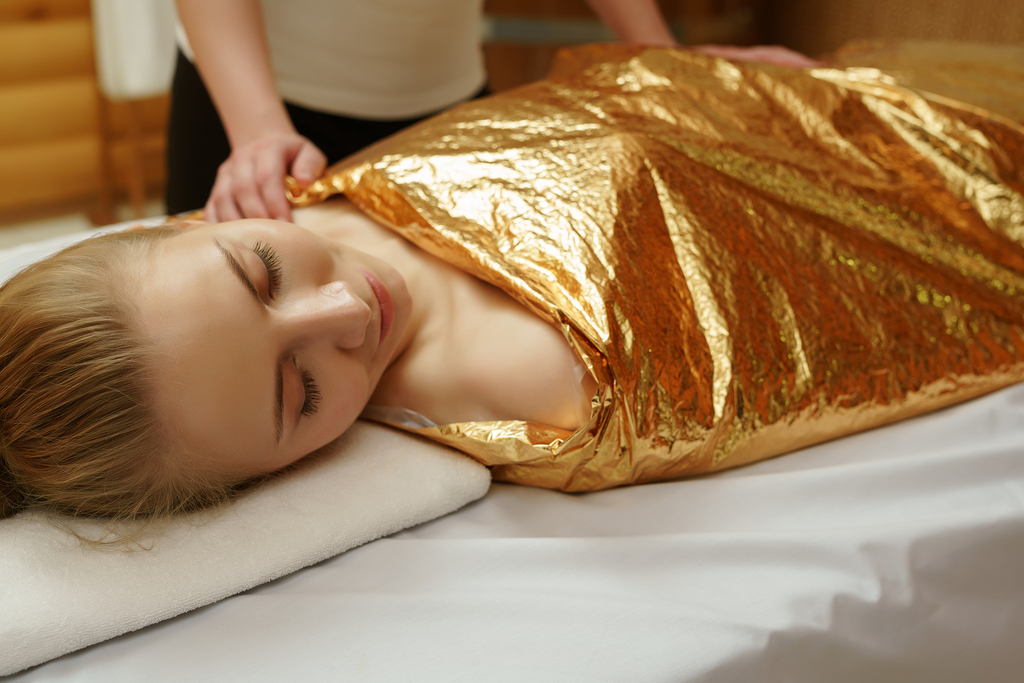
Body Wraps & Body Scrubs

How to Make Your Own DIY Body Wrap

Making your own body wrap at home is a simple and affordable way to pamper yourself. Here’s how to do it:

Step 1: Gather Your Ingredients

To make your own body wrap, you’ll need a few key ingredients:

  • Clay: Bentonite clay is a popular choice for body wraps as it helps to detoxify the skin and remove impurities.
  • Sea Salt: Sea salt is a natural exfoliant and can help to remove dead skin cells and improve circulation.
  • Essential Oils: Essential oils such as lavender, peppermint, and eucalyptus can help to relax the body and improve circulation.
  • Plastic Wrap: Plastic wrap is used to wrap the body and help the ingredients penetrate the skin.

Step 2: Mix Your Ingredients

Mix the clay, sea salt, and essential oils in a bowl. Add water to create a paste.

Step 3: Apply the Body Wrap

Apply the mixture to your body, starting from the feet and working your way up. Make sure to cover all areas of the body, including the arms, legs, and torso. Once you’ve applied the mixture, wrap your body in plastic wrap.

Step 4: Relax and Let the Ingredients Work Their Magic

Once you’ve wrapped your body in plastic wrap, it’s time to relax and let the ingredients work their magic. Lie down and cover yourself with a blanket to keep warm. Leave the wrap on for 30-60 minutes.

Step 5: Rinse Off the Wrap

After 30-60 minutes, remove the plastic wrap and rinse off the mixture in the shower.

Additional Tips and Tricks

  • Drink plenty of water before and after your body wrap to help flush out toxins.
  • Don’t wrap yourself too tightly – you want to be comfortable.
  • Use caution when using essential oils, as they can be irritating to some people’s skin. Start with a small amount and test it on a small patch of skin first.
  • If you have sensitive skin, consider using a milder clay such as French green clay.

Conclusion

DIY body wraps are a great way to pamper yourself at home and enjoy the benefits of a spa treatment without breaking the bank. By using natural ingredients, you can detoxify your body, improve circulation, and tighten and tone your skin. Follow these simple steps to make your own DIY body wrap and enjoy a relaxing and rejuvenating spa experience in the comfort of your own home.

Wax On, Wax Off: Tips and Tricks for a Pain-Free Waxing Experience

0

Waxing is a popular hair removal method that can leave you with smooth, hair-free skin for weeks. However, it can also be a painful and uncomfortable experience if not done properly. To ensure a pain-free waxing experience, there are several tips and tricks you can follow.

Firstly, make sure your skin is clean and dry before waxing. Any oil, lotion, or sweat on your skin can prevent the wax from sticking to the hair, making it more painful to remove. You should also avoid waxing during your period, as your skin can be more sensitive and prone to pain.

Secondly, choose the right waxing products for your skin type. If you have sensitive skin, look for a wax that contains natural ingredients and is designed for sensitive skin. You should also test the wax on a small patch of skin before applying it to a larger area to make sure you’re not allergic to any of the ingredients.

Waxing is a popular hair removal method that can leave your skin feeling silky smooth. However, it can also be a painful experience if not done correctly. That’s why we’ve compiled a list of tips and tricks to help you have a pain-free waxing experience.

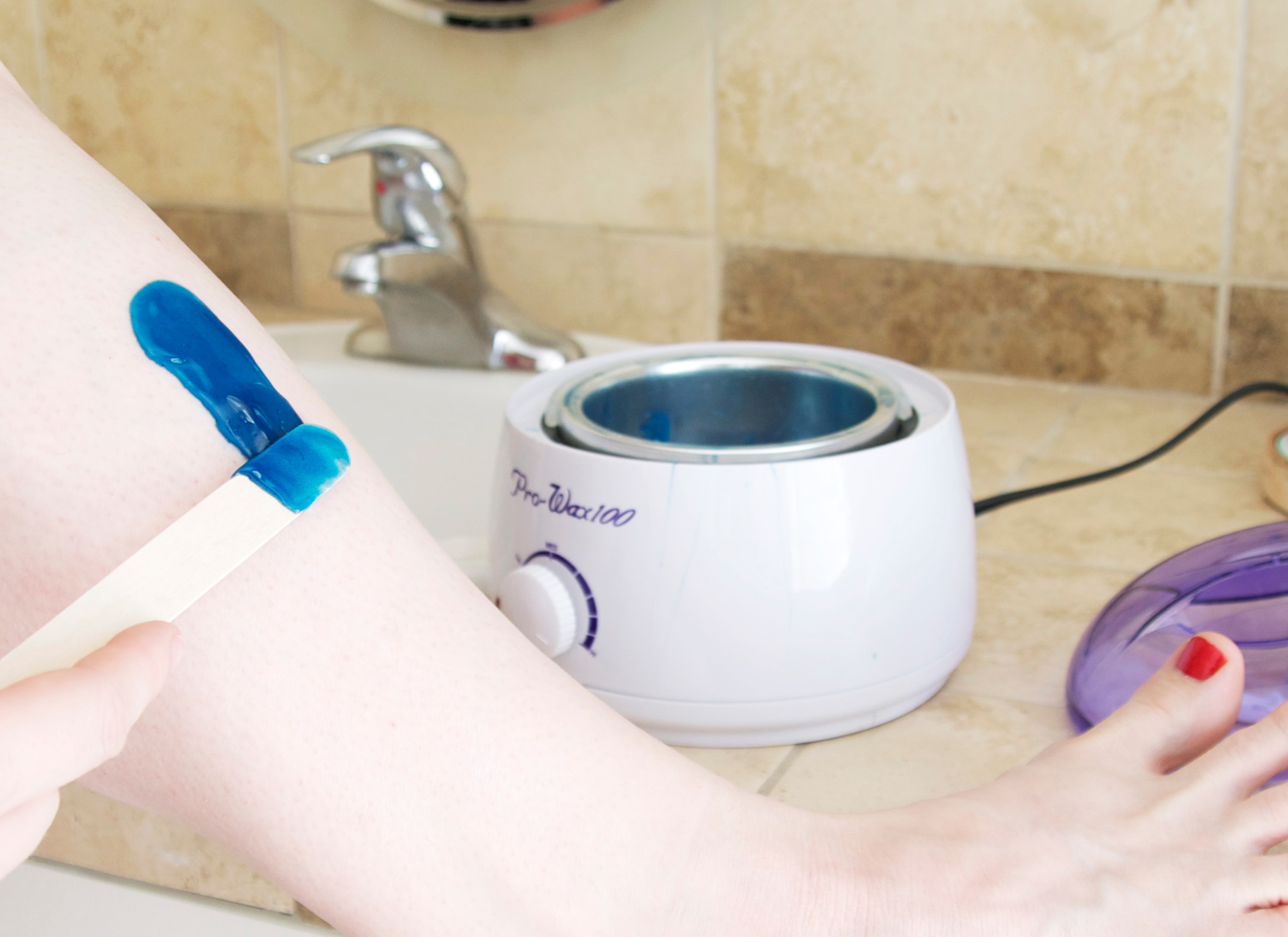
Testing Pain Free Wax | Style & Living

Contents

Prepare your skin

Before waxing, make sure to exfoliate your skin with a gentle scrub to remove any dead skin cells that can clog hair follicles and cause ingrown hairs. It’s also important to clean the area with a mild soap to remove any dirt or oils.

Let the hair grow

It’s important to let your hair grow out to the appropriate length before waxing. Hair that is too short won’t stick to the wax, and hair that is too long can make the process more painful. The ideal length is typically between 1/4 and 1/2 inch.

Choose the right wax

There are two types of wax: hard wax and soft wax. Hard wax is great for sensitive areas, as it only sticks to the hair and not the skin. Soft wax is better for larger areas, as it can remove more hair at once. Make sure to choose the right type of wax for your specific needs.

Apply wax correctly

When applying the wax, make sure to spread it in the direction of hair growth. This will ensure that the wax adheres to the hair and not the skin, making it less painful to remove. Apply the wax in small sections, and make sure to apply enough pressure to ensure the wax is firmly attached to the hair.

Remove wax properly

When removing the wax, make sure to do it quickly and in the opposite direction of hair growth. This will help to minimize pain and discomfort. Make sure to hold the skin taut with one hand while removing the wax with the other.

Soothe the skin

After waxing, apply a soothing cream or lotion to the area to reduce redness and inflammation. Avoid applying any products with fragrance, as this can irritate the skin. It’s also important to avoid hot showers, saunas, and other heat sources for at least 24 hours after waxing.

Maintain the area

To prevent ingrown hairs and maintain smooth skin, exfoliate the area regularly with a gentle scrub. You can also apply a hair growth inhibitor to slow down hair regrowth.

Conclusion

Waxing can be a great way to achieve smooth, hair-free skin. By following these tips and tricks, you can have a pain-free waxing experience and avoid common mistakes that can lead to discomfort and irritation. Remember to prepare your skin, choose the right wax, apply and remove it correctly, soothe the skin, and maintain the area for best results. Happy waxing!

Waxing vs. Shaving: Which Method is Right for You?

0

When it comes to hair removal, there are two methods that are most commonly used: waxing and shaving. Both have their pros and cons, and which method is right for you will depend on your personal preferences, skin type, and hair growth pattern. In this article, we will compare the two methods and help you make an informed decision about which one to choose.

Contents

Waxing

Waxing involves the use of hot or cold wax to remove hair from the root. The wax is applied to the skin and a strip of cloth is placed on top of it. The cloth is then pulled off in the opposite direction of hair growth, pulling the hair out by the roots. Waxing can be done at a salon or at home with a do-it-yourself kit.

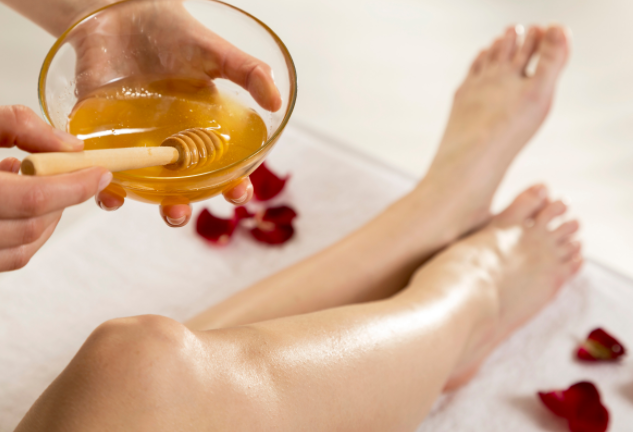
Why Body Waxing is Important to Your Skin? |OC Facial care centre : Facial  Treatments | Chemical Peeling | Waxing

Pros:

  • Waxing provides longer-lasting results than shaving. Depending on your hair growth pattern, waxing can last anywhere from three to six weeks before the hair regrows.
  • Waxing can be less irritating than shaving. Since the hair is removed from the root, it takes longer to regrow and may grow back softer and thinner.
  • Waxing can be less messy than shaving. Waxing strips can be disposed of in the trash, whereas shaving can leave a mess of hair and shaving cream in the shower or sink.

Cons:

  • Waxing can be painful, especially for those with sensitive skin. The pulling motion can cause discomfort and even redness or swelling.
  • Waxing can be more expensive than shaving. While do-it-yourself kits are available, salon waxing can add up over time.
  • Waxing may not be suitable for all skin types. Those with certain skin conditions, such as eczema or psoriasis, may find waxing too irritating.

Shaving

Shaving involves the use of a razor to cut hair at the surface of the skin. Shaving can be done in the shower or bath, with shaving cream or gel to lubricate the skin and prevent razor burn.

Pros:

  • Shaving is quick and easy. It can be done in a matter of minutes, making it a convenient option for those with busy schedules.
  • Shaving is less painful than waxing. Since the hair is not being pulled out by the roots, there is less discomfort involved.
  • Shaving is less expensive than waxing. Razors and shaving cream can be purchased at most drugstores for a relatively low cost.

Cons:

  • Shaving provides shorter-lasting results than waxing. Depending on your hair growth pattern, you may need to shave every day or every other day to maintain smooth skin.
  • Shaving can cause razor burn and ingrown hairs. Razor burn is a red, irritated rash that can occur after shaving, while ingrown hairs are hairs that grow back into the skin, causing bumps or pimples.
  • Shaving can be messy. Shaving cream and hair can clog up drains and leave a mess in the shower or sink.

Conclusion

Ultimately, the decision to wax or shave comes down to personal preference. If you have sensitive skin or are looking for longer-lasting results, waxing may be the better option. If you are looking for a quick and easy solution, shaving may be more up your alley. It’s important to keep in mind that both methods have their pros and cons, and what works for one person may not work for another.

If you do decide to try waxing, be sure to do a patch test first to make sure you’re not allergic to the wax. If you choose to shave, make sure to use a sharp razor and shaving cream or gel to prevent razor burn.