
Thursday, March 19, 2026
Home Blog Page 85

Mastering Kiteboarding Tricks: Tips from the Pros

0

Kiteboarding is an exciting and challenging sport that offers a wide range of tricks and maneuvers for riders to master. Whether you’re just starting out or you’re a seasoned pro, there’s always room for improvement and new tricks to learn. In this article, we’ll provide some tips and insights from the pros to help you master kiteboarding tricks.

Contents

Practice Makes Perfect

The key to mastering any kiteboarding trick is practice. You need to spend time on the water, experimenting with different techniques and approaches, and pushing yourself to try new things. Don’t be afraid to fail or make mistakes – every failed attempt is a learning opportunity that will help you improve.

Break Down the Trick

When approaching a new trick, it’s important to break it down into smaller components. Try to isolate the different elements of the trick and practice them individually before putting them all together. For example, if you’re trying to learn a backloop, start by practicing the timing and technique of the jump before adding the rotation.

Kiteboarding Lessons in Cabarete | Laurel Eastman Kiteboarding

Visualize the Trick

Visualization is a powerful tool for mastering kiteboarding tricks. Take some time to visualize the trick in your mind, imagining each step and movement in detail. This can help you develop a better understanding of the trick and improve your muscle memory.

Learn from Others

Watching other kiteboarders can be a great way to learn new tricks and techniques. Pay attention to the riders around you and try to pick up on their movements and approaches. You can also watch videos online or attend kiteboarding clinics and lessons to learn from experienced riders and instructors.

Start Small and Progress Gradually

It’s important to start small when learning a new trick and progress gradually. Don’t try to tackle a complicated trick right away – instead, start with something simple and build your way up. As you gain confidence and improve your technique, you can start pushing yourself to try more advanced tricks.

Focus on Technique

Mastering kiteboarding tricks requires good technique. Take the time to work on your fundamentals, such as your stance, edging, and body position. Make sure you’re using proper technique when attempting a trick, as this will make it easier to execute and reduce the risk of injury.

Stay Safe

Kiteboarding can be a dangerous sport, especially when attempting advanced tricks. Always prioritize safety when riding and make sure you have the right equipment, such as a helmet and impact vest. If you’re attempting a new trick, start in calm, controlled conditions and work your way up gradually to more challenging conditions.

Seek Feedback

Getting feedback from others can be a valuable tool for improving your kiteboarding skills. Ask a more experienced rider to watch you attempt a trick and provide feedback on your technique and approach. You can also record yourself riding and analyze the footage to identify areas for improvement.

Push Your Limits

Finally, to truly master kiteboarding tricks, you need to push your limits. Don’t be afraid to take risks and try new things – this is how you’ll improve and develop your skills. However, make sure you’re pushing yourself in a controlled, safe manner and not putting yourself or others at risk.

Conclusion

Mastering kiteboarding tricks requires dedication, practice, and a willingness to learn from others. By breaking down the trick, visualizing it, focusing on technique, and staying safe, you can develop the skills and confidence to tackle even the most advanced tricks.

How to Choose the Right Kiteboarding Gear: A Comprehensive Guide for Every Rider

0

Kiteboarding is an exciting and challenging sport that requires a lot of skill and practice. However, before you can hit the water, you’ll need to make sure you have the right gear. Choosing the right kiteboarding gear can be a daunting task, but it doesn’t have to be. In this article, we’ll provide a comprehensive guide to help you choose the right kiteboarding gear for your needs.

Contents

The Kite

The kite is the most important piece of equipment in kiteboarding. There are several factors to consider when choosing a kite, including size, shape, and style. The size of the kite you choose will depend on your weight, skill level, and the wind conditions in your area. The shape of the kite will also affect its performance, with some shapes being better suited for certain styles of riding.

The Control Bar

The control bar is what connects the kite to the rider and allows you to control the kite’s direction and speed. When choosing a control bar, make sure to consider the length of the bar, the quality of the lines, and the type of release system. A longer bar will give you more control over the kite, while a shorter bar will be more responsive.

Kitesurfing and kiteboarding in Cape Town - Cape Town Tourism

The Lines

The lines are what connect the kite to the control bar. They come in various lengths and materials, with longer lines being better for lighter wind conditions and shorter lines being better for stronger winds. The quality of the lines is also important, as low-quality lines can break under pressure.

The Board

The board is what you stand on while riding the kite. There are several factors to consider when choosing a board, including size, shape, and flex. The size of the board will depend on your weight and skill level, with larger boards being better for beginners and smaller boards being better for advanced riders. The shape of the board will also affect its performance, with some shapes being better suited for certain styles of riding.

The Harness

The harness is what attaches you to the kite and helps distribute the pull of the kite across your body. When choosing a harness, make sure to consider the type of harness, the fit, and the level of support. There are several types of harnesses, including waist harnesses, seat harnesses, and vest harnesses, each with its own pros and cons.

The Wetsuit

Kiteboarding is a water sport, so you’ll need a wetsuit to keep you warm and protected from the elements. When choosing a wetsuit, make sure to consider the thickness, material, and fit. A thicker wetsuit will keep you warmer in colder water, while a thinner wetsuit will be more flexible and allow for better range of motion.

The Booties

Booties are another important piece of kiteboarding gear, as they protect your feet from rocks, coral, and other hazards in the water. When choosing booties, make sure to consider the thickness, material, and fit. Thicker booties will provide more protection, while thinner booties will be more flexible.

The Helmet

A helmet is an essential piece of safety gear for kiteboarding, as it protects your head from impacts with the water or other objects. When choosing a helmet, make sure to consider the fit, ventilation, and level of protection. Look for a helmet with a snug fit that won’t move around on your head, as well as plenty of ventilation to keep you cool.

The Impact Vest

An impact vest is another piece of safety gear that can protect you from impacts with the water or other objects. When choosing an impact vest, make sure to consider the level of protection, the fit, and the range of motion.

How to Choose the Right Parasailing Operator: A Comprehensive Guide for Every Flyer

0

Parasailing is an exhilarating activity that allows you to soar above the water and take in stunning views from a unique perspective. However, choosing the right parasailing operator is crucial to ensuring a safe and enjoyable experience. With so many options to choose from, it can be difficult to know where to start. In this comprehensive guide, we’ll walk you through everything you need to consider when choosing a parasailing operator.

Contents

Safety First

Safety should always be your top priority when selecting a parasailing operator. Look for a company that takes safety seriously and has a good track record. Check if they have any safety certifications or affiliations, such as the Professional Association of Parasail Operators (PAPO) or the Parasail Safety Council.

Additionally, ensure that the operator is licensed and insured. Parasailing operators are required to have a commercial parasail license from the U.S. Coast Guard, and they should carry liability insurance to protect themselves and their customers in case of accidents.

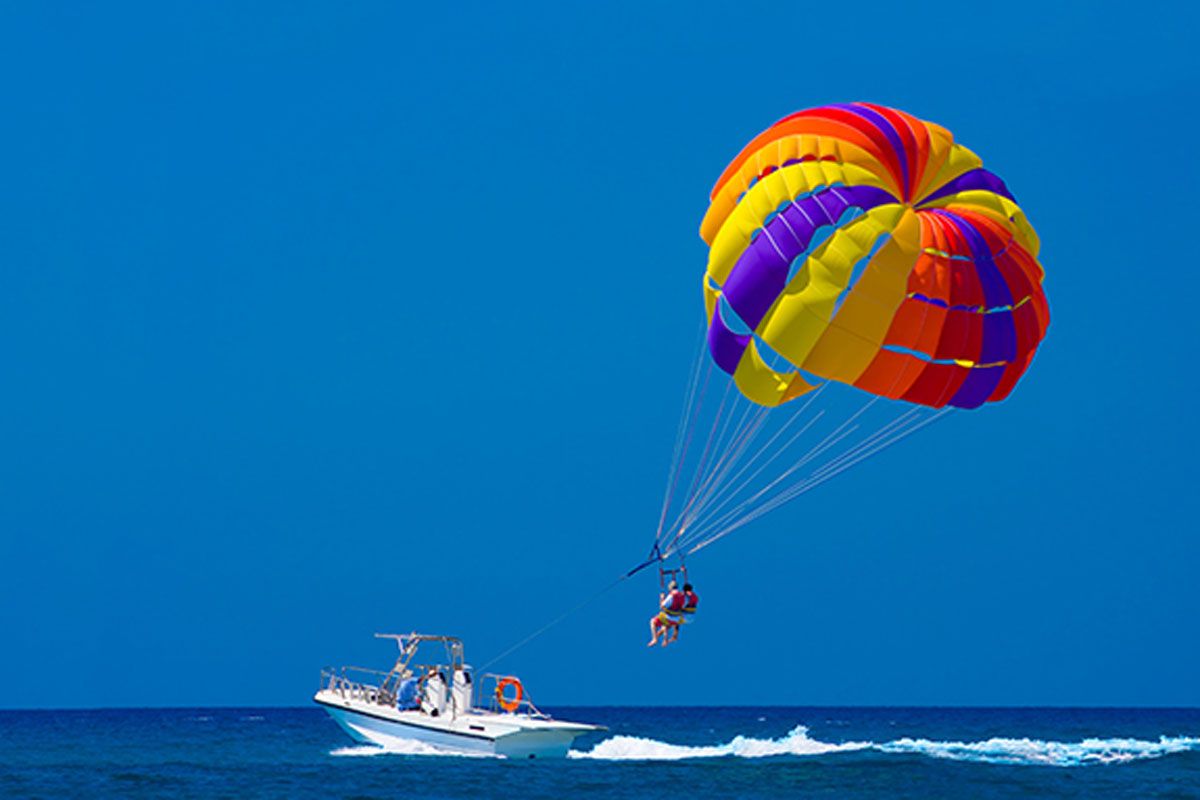
Parasailing | Andaman Tour Packages | Andaman Tour Package

Check the Equipment

The quality of the equipment used by the parasailing operator can have a significant impact on your safety and experience. Look for a company that uses high-quality equipment that is well-maintained and regularly inspected. This includes the parasail, harnesses, ropes, and boat.

Make sure that the parasail is made from sturdy and durable material, such as nylon, and that it’s in good condition. The harness should fit comfortably and securely, and the ropes should be free from fraying or other damage. The boat should be well-maintained and equipped with all the necessary safety features, such as life jackets, first aid kits, and communication devices.

Experience and Reputation

An experienced and reputable parasailing operator can make all the difference in your experience. Look for a company that has been in business for several years and has a good reputation. Check their website and social media pages for reviews and testimonials from previous customers.

You can also ask the operator about their experience and qualifications. Do they have experienced captains and crew members? Have they received any awards or recognition in the industry?

Location and Weather

The location and weather conditions can also affect your parasailing experience. Choose a location that is safe and suitable for parasailing, with calm waters and minimal boat traffic. Some operators may also offer parasailing in more scenic or exotic locations, such as over coral reefs or near exotic wildlife.

Additionally, check the weather conditions before booking your parasailing adventure. Parasailing should not be done in high winds, thunderstorms, or other adverse weather conditions. A reputable operator will always prioritize safety and cancel or reschedule trips if weather conditions are not favorable.

Cost and Value

Finally, consider the cost and value of the parasailing experience. While price shouldn’t be the only factor, it’s essential to choose an operator that offers a fair price for the service provided. Compare prices and packages from different operators and consider what’s included, such as transportation, photos, or video footage.

Also, look for an operator that offers a personalized and memorable experience. Some operators may offer customized packages, such as sunset or private parasailing trips, that can make your experience even more special.

Conclusion

Choosing the right parasailing operator is crucial to ensuring a safe and enjoyable experience. Look for a company that prioritizes safety, uses high-quality equipment, and has a good reputation. Consider the location and weather conditions, as well as the cost and value of the experience. With these factors in mind, you’ll be able to choose an operator that provides a memorable and thrilling parasailing adventure.

The Thrill of Parasailing: Why It’s an Experience You’ll Never Forget

0

Parasailing is an exhilarating activity that allows you to soar high above the water and experience a unique perspective of the world around you. If you’ve never tried parasailing before, you might be wondering what all the fuss is about. In this article, we’ll explore the thrill of parasailing and why it’s an experience you’ll never forget.

Contents

The Feeling of Flight

One of the most thrilling aspects of parasailing is the feeling of flight. As you ascend higher and higher into the sky, you’ll feel a rush of adrenaline as you look down at the water below. The sensation of being lifted up into the air by a parasail is unlike anything else, and it’s sure to get your heart racing.

The Scenery

Another reason why parasailing is such a unique and unforgettable experience is the scenery. From high above the water, you’ll have a bird’s-eye view of the surrounding landscape. Depending on where you’re parasailing, you might see everything from sandy beaches and crystal-clear water to lush green forests and rugged mountains.

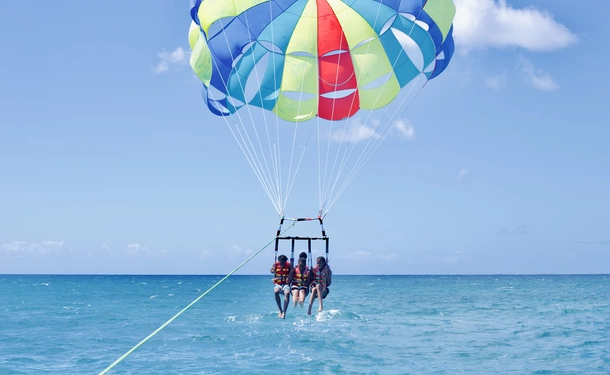
Thrill-seeking parasailing - Tourcrib

The Peace and Quiet

Despite the rush of adrenaline and excitement that comes with parasailing, there’s also a sense of peace and quiet that can be incredibly calming. As you soar high above the water, you’ll be able to take in the view in a way that’s impossible from the ground. The noise of the wind and the waves is muffled, creating a sense of serenity that’s hard to find elsewhere.

The Sense of Freedom

There’s something incredibly liberating about parasailing. As you float through the sky, you’ll feel a sense of freedom that’s hard to put into words. It’s a feeling of being unencumbered by the cares of the world below, and it can be incredibly empowering.

The Unique Perspective

From high above the water, you’ll be able to see things in a way that’s impossible from the ground. You’ll be able to take in the whole vista and get a sense of the lay of the land. This unique perspective can be incredibly valuable, whether you’re exploring a new place or simply seeing your hometown from a different angle.

The Sense of Adventure

Parasailing is an adventure, plain and simple. It’s a chance to step outside your comfort zone and try something new and exciting. Even if you’re not typically a thrill-seeker, the rush of parasailing can be incredibly addictive.

The Bonding Experience

If you’re parasailing with friends or family, it can be a great bonding experience. Sharing the thrill of flight with loved ones can create memories that will last a lifetime. It’s a chance to connect with the people around you in a new and exciting way.

The Sense of Accomplishment

After you’ve finished parasailing, you’ll likely feel a sense of accomplishment. It’s not every day that you get to soar high above the water and experience the world from a different perspective. Completing a parasailing excursion can be a source of pride and a reminder of what you’re capable of achieving.

The Adrenaline Rush

Of course, we can’t forget about the adrenaline rush. Parasailing is a high-intensity activity that can get your heart racing and your blood pumping. If you’re looking for a thrilling experience that will leave you feeling energized and alive, parasailing is definitely worth considering.

The Memories

Finally, parasailing is an experience that will create lasting memories. Whether you’re parasailing for the first time or the fiftieth, you’re sure to walk away with stories to tell and images to remember. It’s a unique and unforgettable experience that you’ll be talking about for years to come.

From Freestyle to Wave Riding: Exploring the Different Disciplines of Kiteboarding

0

Kiteboarding, also known as kitesurfing, is an exciting water sport that combines elements of surfing, wakeboarding, and windsurfing with the thrill of flying a kite. Since its inception in the late 1990s, kiteboarding has grown rapidly in popularity, with enthusiasts all over the world enjoying the freedom and adrenaline rush it offers.

One of the great things about kiteboarding is that there are many different disciplines within the sport, each with its unique challenges and rewards. In this article, we’ll explore some of the different disciplines of kiteboarding, from freestyle to wave riding, and give you a taste of what each one involves.

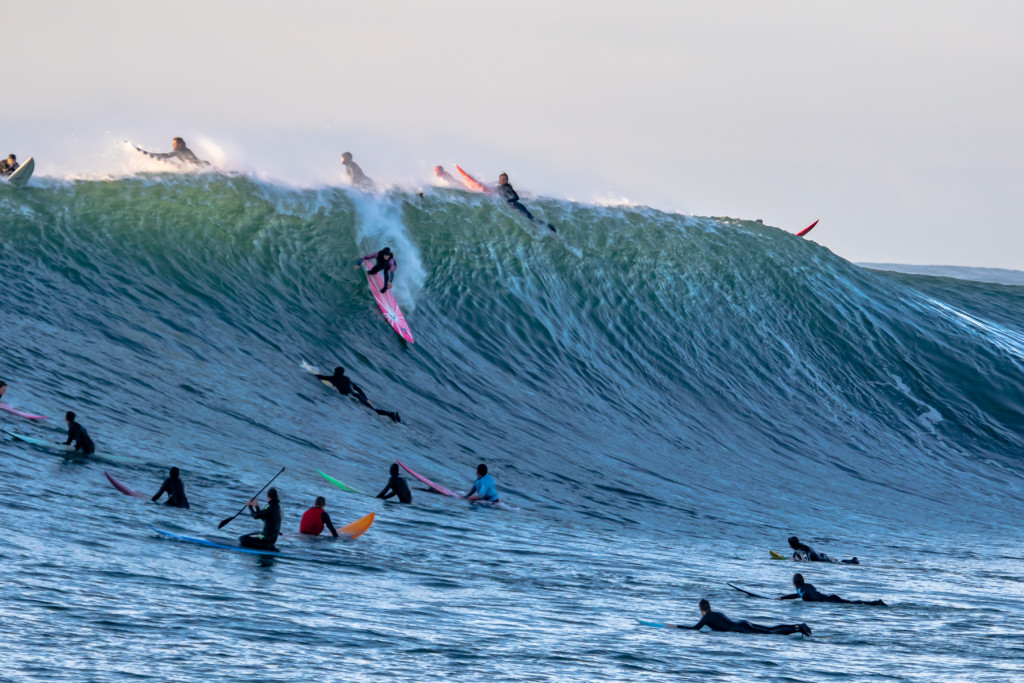
Riding Waves ~ NBC Bay Area Revelations - Big Wave Bianca

Contents

Freestyle

Freestyle is one of the most popular disciplines of kiteboarding, and it’s easy to see why. It’s all about performing tricks and jumps while riding your board, with the aim of impressing judges or your fellow kiteboarders. Freestyle competitions usually take place in a controlled environment, such as a kite park, where riders can show off their skills and creativity.

Some of the most common tricks in freestyle include grabs, rotations, and flips. Riders can also perform unhooked maneuvers, where they release their kite from their harness and perform tricks without any support from the kite. This adds an extra degree of difficulty and requires a high level of skill and confidence.

To excel in freestyle, you need to have good board control, excellent kite-handling skills, and the ability to read the wind and waves. It also helps to have a fearless attitude and a willingness to take risks, as some tricks can be dangerous if not executed correctly.

Big Air

If you’re looking for a rush of adrenaline, then Big Air is the discipline for you. As the name suggests, it’s all about jumping as high as possible and performing tricks in the air before landing back on the water. Big Air competitions typically take place in open water, where riders can catch the strongest winds and launch themselves to dizzying heights.

In Big Air, riders aim to achieve as much height as possible, and the competition is usually won by the rider who can jump the highest. However, judges also consider the difficulty of the tricks performed, as well as the rider’s style and execution.

To excel in Big Air, you need to be able to read the wind and waves and know how to position your kite to catch the strongest gusts. You also need to have excellent board control and the ability to perform tricks in the air while maintaining control of your kite.

Wave Riding

For those who love the ocean and the challenge of riding waves, Wave Riding is the ultimate discipline of kiteboarding. In Wave Riding, riders use the power of their kite to catch and ride waves, much like traditional surfers do. However, kiteboarders have the added advantage of being able to use their kite to generate speed and power, allowing them to ride bigger waves and perform more radical maneuvers.

Wave Riding competitions usually take place in locations with consistent surf, such as Hawaii or Australia’s Gold Coast. Riders are judged on their ability to catch and ride waves, as well as the difficulty and style of the maneuvers they perform.

To excel in Wave Riding, you need to have good wave knowledge and the ability to read the surf to position yourself correctly. You also need to have excellent kite-handling skills and the ability to generate speed and power with your kite to catch and ride the waves.

Speed Racing

If you’re a competitive person who loves the thrill of speed, then Speed Racing might be the discipline for you. In Speed Racing, riders compete to see who can cover a set distance in the shortest amount of time, using the power of their kite to generate speed.

The Health Benefits of Kiteboarding: Why It’s Good for Your Body and Mind

1

Kiteboarding is a thrilling water sport that has been growing in popularity over the years. It combines elements of surfing, wakeboarding, and paragliding, and involves using a large kite to pull a rider across the water while they stand on a board. While many people are drawn to kiteboarding for its adrenaline-pumping thrills and excitement, it also offers a range of health benefits that can positively impact your body and mind. In this article, we’ll explore some of the ways that kiteboarding can be good for your health.

Contents

Improves Cardiovascular Health

One of the most obvious benefits of kiteboarding is that it is a great cardiovascular workout. When you’re kiteboarding, you are constantly moving and using a variety of muscles, which increases your heart rate and helps to improve your cardiovascular health. The physical demands of the sport can also help to lower blood pressure and reduce the risk of heart disease.

Kiteboarding can be particularly beneficial for people who struggle with traditional forms of cardio exercise, such as running or cycling. Because it’s such an engaging and dynamic activity, it can be a great way to get your heart pumping without feeling like you’re just slogging through a workout.

Kiteboarding Lessons & Camps — REAL Watersports

Increases Strength and Endurance

In addition to improving your cardiovascular health, kiteboarding is also a great way to build strength and endurance. When you’re riding the board, you are constantly using your leg muscles to maintain your balance and control your speed. You also use your arms and core to control the kite and maintain your balance.

Over time, kiteboarding can help to build lean muscle mass and increase overall strength and endurance. This can be particularly beneficial for people who want to tone their bodies and improve their overall physical fitness.

Enhances Balance and Coordination

Kiteboarding requires a great deal of balance and coordination. When you’re riding the board, you need to maintain your balance while being pulled across the water by the kite. This involves using your core muscles and making small adjustments to your posture and stance.

Over time, kiteboarding can help to improve your balance and coordination. This can have benefits beyond just the sport itself. For example, improved balance and coordination can reduce the risk of falls and injuries in everyday life.

Reduces Stress and Improves Mental Health

Kiteboarding is a great way to reduce stress and improve your mental health. The thrill of the sport and the rush of adrenaline can help to release endorphins, which are natural mood boosters. Additionally, being out on the water and surrounded by nature can be a calming and meditative experience.

In fact, studies have shown that spending time in nature can help to reduce stress and anxiety, and improve overall mental health. Kiteboarding combines the physical benefits of exercise with the mental benefits of being in nature, making it a great way to boost your overall well-being.

Provides a Full-Body Workout

One of the great things about kiteboarding is that it provides a full-body workout. Unlike some other sports that focus on specific muscle groups, kiteboarding involves using a variety of muscles throughout your body. This makes it a great way to work out your entire body in a fun and engaging way.

In addition to the physical benefits, a full-body workout can also help to boost your metabolism and burn calories. This can be particularly beneficial for people who are looking to lose weight or maintain a healthy weight.

Increases Self-Confidence

Kiteboarding can also help to increase your self-confidence. The sport requires a lot of skill and coordination, and it can be challenging to learn at first. However, with practice and persistence, you can master the basics and begin to take on more challenging maneuvers.

The Science of Parasailing: Understanding the Physics and Aerodynamics of Flight

0

Parasailing is a popular recreational activity that involves being towed behind a boat while attached to a parachute-like canopy. As you soar through the air, you experience a unique sense of freedom and exhilaration. However, parasailing is not just about having fun; it also involves a complex interplay of physics and aerodynamics. In this article, we’ll take a closer look at the science of parasailing and help you understand the physics behind this exciting activity.

The Physics of Parasailing

Parasailing is essentially a combination of two different types of motion: horizontal motion, which is provided by the boat, and vertical motion, which is provided by the parachute. As the boat moves forward, it generates a horizontal force that pulls the parasail and the person attached to it along with it. At the same time, the wind resistance generated by the parasail creates an upward force that lifts the person into the air.

The amount of lift generated by the parasail depends on several factors, including the size and shape of the canopy, the wind speed, and the angle of attack. The angle of attack refers to the angle at which the parasail is positioned relative to the wind. A higher angle of attack generates more lift, but it also increases the drag, which can slow down the speed of the parasail.

Parasailing in Havelock Island, Best Parasailing Tour Package in Havelock  Island, Andaman & Nicobar Islands

The aerodynamics of Parasailing

Aerodynamics is the study of the properties of air and how they interact with solid objects. In parasailing, the shape of the parasail is critical to its aerodynamic properties. The canopy of the parasail is designed to create a large surface area that interacts with the wind, allowing it to generate lift.

The parasail canopy is typically made of lightweight, high-strength nylon fabric. The fabric is divided into cells, which are inflated by the wind to create the parachute shape. The canopy is attached to a set of lines that connect it to the harness worn by the person being towed.

The shape of the parasail canopy is designed to create a smooth flow of air over its surface, which reduces drag and increases lift. The shape of the canopy also plays a crucial role in steering the parasail. By adjusting the position of the canopy relative to the wind, the person being towed can control their direction and speed.

The forces involved in parasailing

Parasailing involves several different forces that interact with each other to create the overall experience. These forces include:

  1. Lift: As we mentioned earlier, lift is the upward force generated by the parasail as it interacts with the wind. The amount of lift generated depends on several factors, including the size and shape of the canopy and the wind speed.
  2. Drag: Drag is the force that opposes the motion of the parasail. As the parasail moves through the air, it encounters resistance, which slows it down. The amount of drag generated depends on several factors, including the size and shape of the canopy and the wind speed.
  3. Weight: Weight is the force exerted by gravity on the person being towed. The weight of the person and the equipment they’re wearing must be balanced against the lift generated by the parasail to maintain stable flight.
  4. Tension: Tension is the force exerted on the lines that connect the parasail to the boat. The tension in the lines helps to control the speed and direction of the parasail.

Staying Safe While Parasailing: Tips for Avoiding Common Risks and Hazards

0

Parasailing is a thrilling activity that allows you to fly high above the water and enjoy breathtaking views. However, like any adventure sport, parasailing comes with certain risks and hazards. By following some basic safety guidelines, you can minimize these risks and enjoy a safe and memorable parasailing experience. In this article, we’ll provide you with some tips for staying safe while parasailing.

Contents

Choose a Reputable Operator

The first step in ensuring your safety while parasailing is to choose a reputable operator. Look for companies with a good safety record and experienced staff. You can check online reviews and ask for recommendations from friends or family who have been parasailing before. Don’t be tempted to go for the cheapest operator; your safety should be your top priority.

Check the Weather

Weather conditions play a significant role in determining whether parasailing is safe or not. Strong winds, rain, and thunderstorms can make parasailing dangerous, and operators will likely cancel or postpone trips in such conditions. Check the weather forecast before you book your trip and make sure to follow the operator’s recommendations regarding weather conditions.

Bali Parasailing - Tanjung Benoa Water Sport - Good Price

Wear the Right Gear

Wearing the right gear is essential to your safety while parasailing. Make sure to wear a life jacket, a helmet, and appropriate clothing, such as a swimsuit or lightweight clothing that won’t restrict your movements. If you wear glasses, make sure to bring a strap to secure them to your face. Most operators will provide the necessary gear, but it’s always a good idea to double-check beforehand.

Listen to the Instructions

Before you take off, your operator will provide you with a set of instructions on how to stay safe while parasailing. Pay close attention and listen carefully to these instructions. If you have any questions or concerns, make sure to ask before you take off.

Communicate with Your Operator

Communication is key to staying safe while parasailing. Make sure to communicate with your operator throughout the trip, and let them know if you’re feeling uncomfortable or experiencing any issues. Operators are trained to handle emergencies and will have a plan in place to deal with any unexpected situations.

Be Mindful of Your Surroundings

While parasailing, it’s essential to be mindful of your surroundings. Keep an eye out for other boats, swimmers, or any other hazards in the area. If you see any potential risks, make sure to alert your operator immediately.

Don’t Push Your Limits

Parasailing can be an exhilarating experience, but it’s important not to push your limits. If you’re feeling uncomfortable or nervous, let your operator know. Don’t attempt any stunts or maneuvers that you’re not comfortable with, and always follow your operator’s instructions.

Be Prepared for Emergencies

While the chances of an emergency occurring during parasailing are relatively low, it’s always better to be prepared. Make sure to familiarize yourself with the emergency procedures provided by your operator. If you do experience an emergency, try to remain calm and follow the instructions provided by your operator.

Consider Your Health and Fitness

Parasailing can be physically demanding, and it’s essential to consider your health and fitness before you go. If you have any underlying medical conditions, such as heart or lung problems, or if you’re pregnant, you should consult your doctor before booking a parasailing trip. Similarly, if you’re not physically fit, you may struggle with the physical demands of parasailing.

How to Choose the Right Scuba Gear: A Comprehensive Guide for Every Diver

0

Scuba diving is a thrilling experience that allows you to explore the underwater world. However, before you can embark on your underwater adventure, you need to have the right scuba gear. Choosing the right scuba gear can be overwhelming, especially if you’re new to the sport. In this guide, we’ll provide you with a comprehensive overview of scuba gear and tips on how to choose the right gear for your needs.

Contents

Understanding Scuba Gear

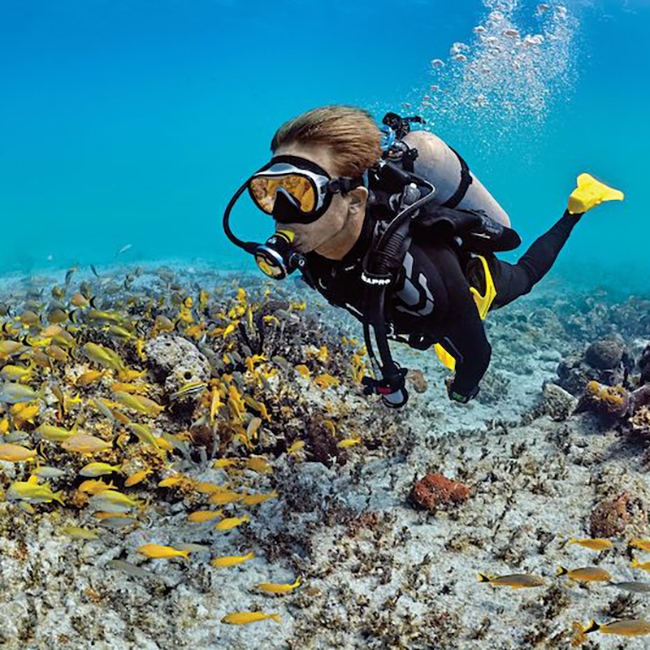
Scuba gear consists of several essential pieces of equipment that allow you to breathe, move, and see underwater. Here are the primary pieces of scuba gear:

Dive Mask

The dive mask is an essential piece of equipment that allows you to see underwater. The mask should fit snugly on your face and provide a clear view of your surroundings. Look for masks with tempered glass lenses, as they’re more durable and less likely to scratch.

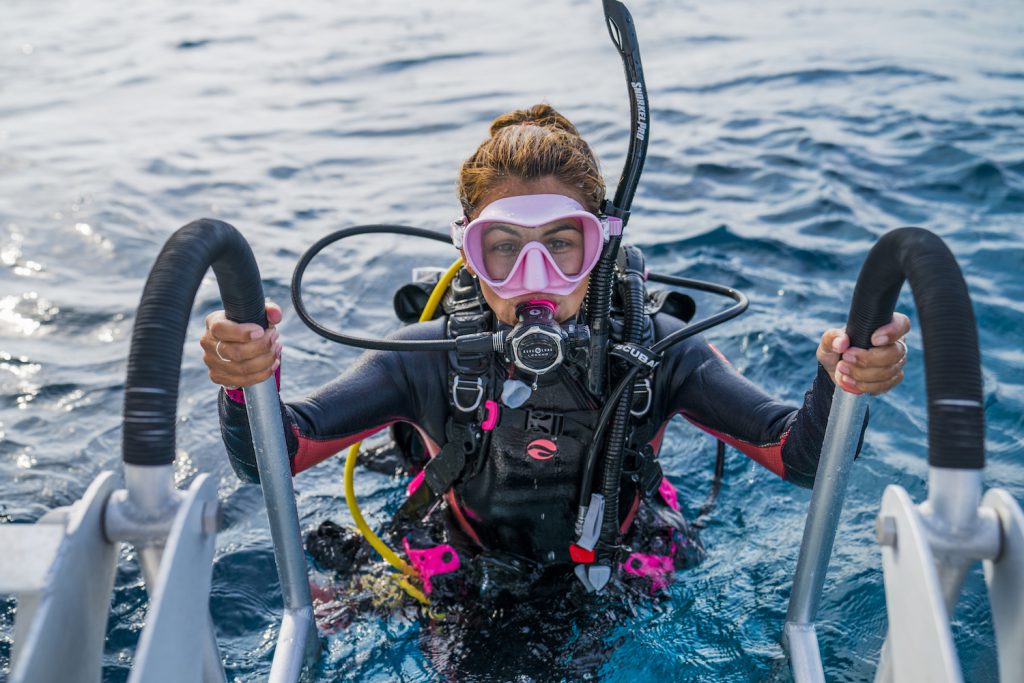
How To BUY SCUBA GEAR and Not Die Trying | Dressel Divers

Snorkel

A snorkel allows you to breathe while swimming on the surface. It’s a tube that extends above the water, allowing you to breathe in air while keeping your face submerged. Snorkels come in different shapes and sizes, so it’s essential to choose one that fits comfortably in your mouth.

Wetsuit

A wetsuit is a garment made of neoprene that provides thermal insulation underwater. It keeps you warm by trapping a thin layer of water between your body and the suit, which your body then heats up. Wetsuits come in different thicknesses, depending on the water temperature you’ll be diving in.

BCD (Buoyancy Control Device)

The BCD allows you to control your buoyancy underwater. It’s an inflatable vest that you wear over your wetsuit and can be inflated or deflated to adjust your buoyancy. Look for a BCD with enough lift capacity to support your body weight and any additional gear you’ll be carrying.

Regulator

The regulator is the device that allows you to breathe underwater. It connects to the tank and reduces the high-pressure air to breathable air. Look for a regulator with a comfortable mouthpiece and adjustable airflow to suit your diving style.

Dive Computer

The dive computer is an electronic device that tracks your dive profile, including depth, time, and decompression stops. It helps you avoid decompression sickness by tracking your nitrogen levels and providing alerts when it’s time to ascend.

Fins

Fins are essential for moving underwater efficiently. They come in different shapes and sizes, so it’s essential to choose fins that fit comfortably and match your diving style.

Choosing the Right Scuba Gear

Now that you understand the essential pieces of scuba gear let’s explore how to choose the right gear for your needs:

Fit is Key

The fit of your scuba gear is crucial to your comfort and safety underwater. Make sure your mask, snorkel, wetsuit, BCD, and fins fit correctly and feel comfortable. Ill-fitting gear can lead to discomfort, leaks, and accidents underwater.

Consider Water Temperature

The water temperature will determine the thickness of your wetsuit. If you’re diving in cold water, you’ll need a thicker wetsuit to keep you warm. Conversely, if you’re diving in warm water, a thinner wetsuit will be more comfortable.

Choose the Right BCD

Your BCD should have enough lift capacity to support your body weight and any additional gear you’ll be carrying. Look for a BCD with adjustable straps and a comfortable fit. It’s also essential to consider the style of the BCD, as different styles offer different features and benefits.

The Science of Scuba Diving: Understanding the Physiology and Physics of Diving

0

Scuba diving is an exciting and fascinating activity that lets you explore the underwater world. It allows you to experience a sense of weightlessness, observe marine life up close, and enjoy the feeling of being in a different world. While scuba diving is a thrilling activity, it also involves certain risks that can be minimized through proper training and understanding of the physiology and physics of diving. In this article, we will explore the science of scuba diving and how it affects the human body.

The Physiology of Scuba Diving

When you dive underwater, your body experiences a variety of physiological changes that can affect your comfort and safety. The most significant changes occur due to the increased pressure of water on your body. As you descend deeper into the water, the pressure around your body increases, which affects your body in several ways.

Scuba Equipment List: From Beginner to Advanced - SCUBAPRO

The first change you will notice is the compression of air spaces in your body, such as your lungs, ears, and sinuses. As the pressure increases, the air in these spaces compresses, causing discomfort or pain. To prevent this, you need to equalize the pressure in these spaces regularly by clearing your ears and sinuses and breathing out through your nose while descending.

Another significant physiological change is the increased workload on your cardiovascular system. When you dive, your body must pump blood to your muscles and organs while also supplying oxygen to your brain. The increased pressure of water on your body causes your heart to work harder to pump blood, which can lead to an increased heart rate and a higher risk of decompression sickness.

Decompression sickness occurs when nitrogen gas, which is breathed in as part of compressed air, forms bubbles in the body’s tissues and bloodstream as a diver ascends to the surface too quickly. To prevent this, divers must follow safe ascent rates and make decompression stops to allow the excess nitrogen to escape safely.

The Physics of Scuba Diving

Scuba diving also involves the physics of buoyancy and pressure. Understanding these concepts is crucial to control your movement underwater and conserve your energy.

Buoyancy is the force that causes objects to float or sink in water. As a scuba diver, you have a buoyancy compensator device (BCD) that allows you to adjust your buoyancy by inflating or deflating the device. By controlling your buoyancy, you can control your depth and movement underwater.

Pressure is another crucial concept in scuba diving. The pressure at depth increases, and the volume of air in your equipment decreases, which affects your breathing. As a result, you need to manage your air consumption to ensure that you have enough air to complete your dive safely.

The physics of scuba diving also includes the effects of light and color. As you dive deeper, the amount of light decreases, and the colors become less vibrant. Understanding how to use underwater lights and filters can enhance your experience by bringing back the colors and making your photos and videos more visually appealing.

Safety in Scuba Diving

Scuba diving involves certain risks, such as decompression sickness, nitrogen narcosis, and oxygen toxicity. To minimize these risks, you must follow safe diving practices, including proper training, careful planning, and adherence to the rules of diving.

Proper training is essential for scuba diving. You must obtain a certification from a recognized scuba diving agency, such as PADI or SSI, that teaches you the necessary skills and knowledge to dive safely. You must also practice regularly and continue to improve your skills to become a better and safer diver.