

Tuesday, March 17, 2026
Home Blog Page 13

Boost Brainpower and Body: The Mediterranean Diet for Overall Wellness

0

In a world inundated with fad diets promising quick fixes and miraculous transformations, the Mediterranean diet stands out as a beacon of balanced, sustainable nutrition. Originating from the traditional dietary patterns of countries bordering the Mediterranean Sea, this way of eating has garnered attention not just for its delicious flavors but also for its numerous health benefits. More than just a means of weight management, the Mediterranean diet is celebrated for its ability to boost brainpower and enhance overall wellness.

Contents

Understanding the Mediterranean Diet

At its core, the Mediterranean diet emphasizes whole, minimally processed foods abundant in fruits, vegetables, whole grains, legumes, nuts, and olive oil. Fish and seafood are consumed regularly, while poultry, eggs, cheese, and yogurt are enjoyed in moderation. Red meat and sweets are limited, making occasional appearances rather than staples.

This dietary pattern is not just about what you eat but also how you eat, encouraging mindful eating practices and the enjoyment of meals with family and friends. When following the Mediterranean diet, a traditional Greek salad is a nutrient-dense option that typically contains around 200-300 calories per serving, making it a flavorful and healthy choice for those mindful of their calorie intake.

Mediterranean Diet 2

Brain-Boosting Benefits

Research has consistently shown that adhering to the Mediterranean diet is associated with improved cognitive function and a reduced risk of cognitive decline as we age. The abundance of antioxidants, vitamins, and minerals found in fruits and vegetables protects brain cells from oxidative stress and inflammation, contributing to better cognitive health. Additionally, the consumption of healthy fats, particularly omega-3 fatty acids from fish and olive oil, supports brain structure and function, enhancing memory, learning, and overall cognitive performance.

Nourishing the Body, Inside and Out

Beyond its cognitive benefits, the Mediterranean diet is renowned for promoting overall wellness and longevity. The high intake of fruits, vegetables, and whole grains provides essential nutrients and fiber, supporting digestive health and reducing the risk of chronic diseases such as heart disease, diabetes, and certain cancers. The inclusion of fish as the primary source of protein offers heart-healthy omega-3 fatty acids, which help lower cholesterol levels and maintain cardiovascular health.

The Role of Olive Oil

Central to the Mediterranean diet is the use of olive oil as the primary source of fat. Rich in monounsaturated fats and powerful antioxidants, such as oleocanthal and oleuropein, olive oil offers a myriad of health benefits. Not only does it protect against heart disease by reducing inflammation and improving cholesterol levels, but it also possesses anti-inflammatory and antimicrobial properties, contributing to overall health and well-being.

Mediterranean Diet 3

Practical Tips for Incorporating the Mediterranean Diet

Transitioning to a Mediterranean-style way of eating can be simple and enjoyable. Start by incorporating more fruits and vegetables into your meals, aiming for a colorful variety to maximize nutrient intake. Swap out butter and margarine for olive oil when cooking or dressing salads. Choose whole grains such as quinoa, barley, and bulgur over refined grains like white rice and pasta. Experiment with herbs and spices to add flavor without relying on excess salt or unhealthy condiments.

Conclusion

In a world where health trends come and go, the Mediterranean diet stands as a timeless approach to nourishing both the body and mind. By emphasizing whole, nutrient-dense foods and healthy fats while limiting processed and sugary options, this dietary pattern offers a sustainable path to overall wellness. Whether you’re looking to boost brainpower, improve heart health, or simply enjoy delicious, wholesome meals, the Mediterranean diet provides a roadmap to a healthier, happier lifestyle. So why not embark on this culinary journey today and experience the transformative power of Mediterranean-inspired eating? Your body and brain will thank you for it.


Johnny Depp vs Amber Heard: A Legal Battle Explained

The legal confrontation between Johnny Depp and Amber Heard has been one of the most high-profile celebrity cases in recent years, drawing significant media attention and public interest. What began as a seemingly typical Hollywood romance quickly spiraled into a contentious and highly publicized legal battle. This blog aims to break down the complexities of the case, providing a comprehensive overview of the events, allegations, court proceedings, and the eventual outcomes.

Contents

Who is Amber Heard?

Amber Heard is an American actress and activist known for her roles in films such as Aquaman, The Rum Diary, and Magic Mike XXL. Born on April 22, 1986, in Austin, Texas, Heard moved to Los Angeles to pursue a career in acting, quickly making a name for herself with early roles in television and film. Beyond her acting career, she is recognized for her advocacy work, particularly in areas related to domestic violence and LGBTQ+ rights. Heard’s personal life, especially her highly publicized and contentious relationship with actor Johnny Depp, has also been a significant part of her public persona, drawing widespread media attention and public debate.

The Beginning: Romance and Marriage

Johnny Depp, an acclaimed actor known for his roles in films like Pirates of the Caribbean and Edward Scissorhands, met Amber Heard, an actress recognized for her roles in The Rum Diary and Aquaman, on the set of The Rum Diary in 2009. They began dating in 2012, got engaged in 2014, and married in a private ceremony in February 2015. The couple’s relationship, however, was fraught with rumors of discord and tension.

Amber Heard 2

The Allegations Surface

In May 2016, Heard filed for divorce from Depp, citing irreconcilable differences. Shortly after, she obtained a temporary restraining order against Depp, accusing him of physically abusing her during their relationship. Heard alleged that Depp had been violent on multiple occasions, often under the influence of drugs and alcohol. She provided photographic evidence of her injuries and claimed that Depp had thrown a phone at her, hitting her in the face.

Depp vehemently denied the allegations, asserting that Heard was attempting to secure a premature financial resolution by presenting false claims of abuse. The divorce was finalized in January 2017, with Heard receiving a $7 million settlement, which she pledged to donate to charity.

The Defamation Lawsuits

The legal battle took a dramatic turn in 2018 when Heard wrote an op-ed for The Washington Post, in which she described herself as a survivor of domestic abuse. While she did not mention Depp by name, it was widely perceived that she was referring to him. In response, Depp filed a $50 million defamation lawsuit against Heard in March 2019, claiming that her op-ed had caused significant damage to his career and reputation.

In his lawsuit, Depp accused Heard of being the actual abuser in their relationship. He presented evidence, including recordings in which Heard allegedly admitted to hitting him. Depp’s legal team argued that Heard’s allegations were part of an elaborate hoax to advance her career and paint herself as a victim.

The UK Libel Case

Parallel to the defamation suit in the US, Depp also sued The Sun, a British tabloid, for libel after it referred to him as a “wife-beater” in a 2018 article. The trial took place in the UK in July 2020, where both Depp and Heard testified extensively about their tumultuous relationship. The case was highly publicized, revealing intimate details about their lives and marriage.

In November 2020, the UK High Court ruled against Depp, stating that The Sun had proved that their article was “substantially true.” The judge found that 12 of the 14 alleged incidents of domestic violence had occurred. Depp’s appeal to overturn the verdict was subsequently denied, and he was asked to resign from his role in the Fantastic Beasts franchise.

The US Defamation Trial

The defamation trial in Virginia began in April 2022 and was live-streamed, capturing global attention. The trial featured testimony from both Depp and Heard, as well as various witnesses and experts. Depp maintained that he had never abused Heard and reiterated his claims that she had been the aggressor. Heard stood by her allegations, describing multiple instances of alleged abuse in graphic detail.

Throughout the trial, both sides presented extensive evidence, including audio recordings, text messages, and photographs. The trial highlighted issues of credibility, with both Depp and Heard’s actions and statements being scrutinized by the jury and the public.

Amber Heard 3

The Verdict and Its Aftermath

In June 2022, the jury found in favor of Depp, awarding him $10 million in compensatory damages and $5 million in punitive damages, although the punitive damages were later reduced to $350,000 due to Virginia’s statutory cap. The jury also found that Heard had been defamed by Depp’s lawyer, awarding her $2 million in compensatory damages.

The verdict was seen as a significant victory for Depp, who stated that the jury had given him his life back. Heard, on the other hand, expressed disappointment, calling it a setback for women who speak out against domestic violence. The case has sparked widespread debate on social media and in public discourse about domestic abuse, defamation, and the role of the media.

Conclusion

The Johnny Depp vs. Amber Heard legal battle has been a complex and multifaceted case, involving serious allegations and significant legal ramifications. Beyond the personal ramifications for both Depp and Heard, the case has had broader implications for discussions about domestic violence, the #MeToo movement, and the public’s perception of celebrity disputes. As the dust settles, the case remains a poignant reminder of the intricate dynamics of high-profile legal battles and the far-reaching consequences they can have on all parties involved.

Your Guide to a Healthy Weight: BMI Calculator

0

Maintaining a healthy weight is a fundamental aspect of overall well-being. It not only impacts physical health but also contributes significantly to mental and emotional wellness. One of the widely used tools for assessing weight status is the Body Mass Index (BMI) calculator. In this blog, we’ll delve into what BMI is, how it’s calculated, its significance, and how you can use it as a guide to achieve and maintain a healthy weight.

Contents

Understanding BMI:

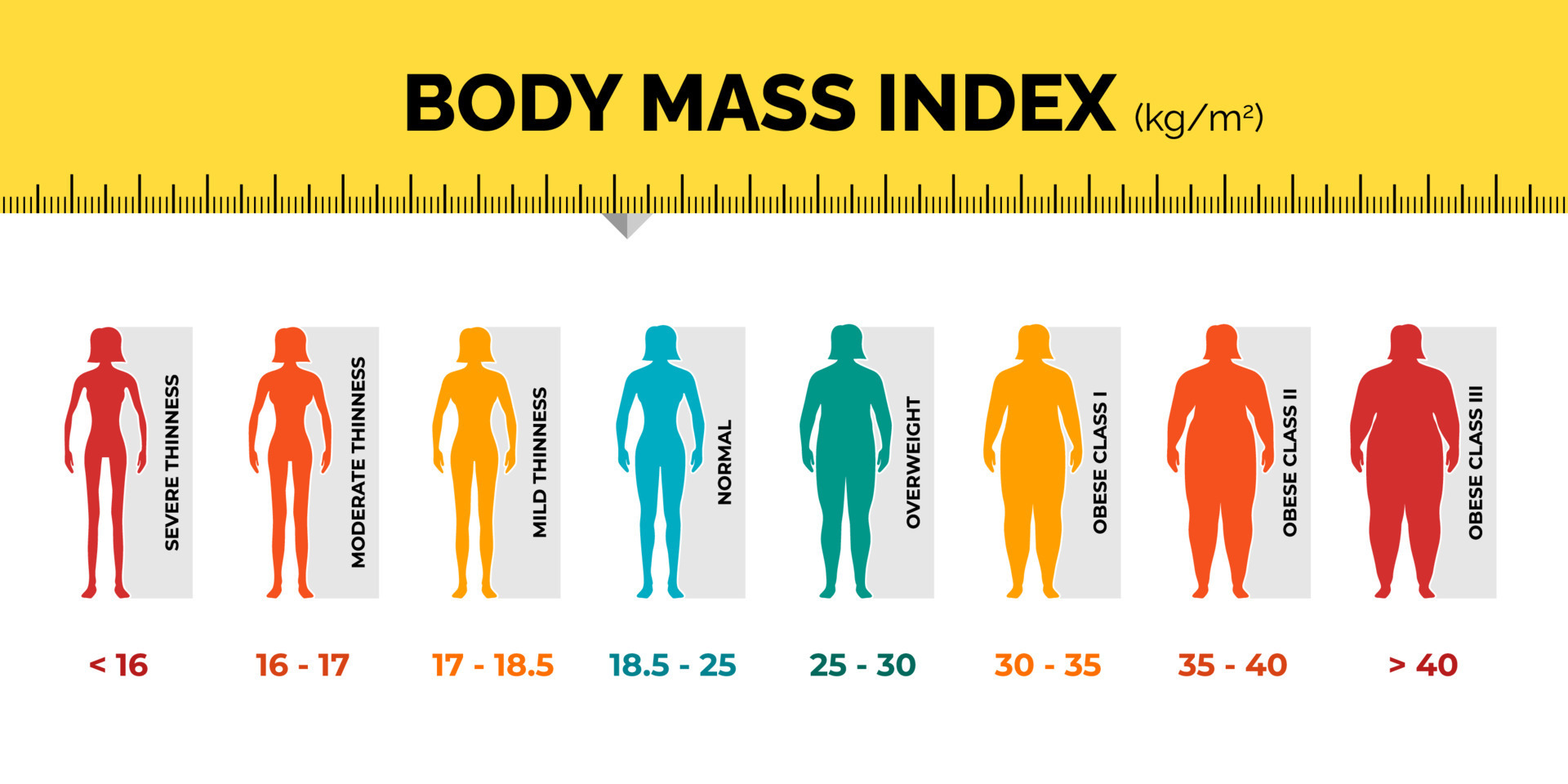
BMI is a measure that assesses whether an individual’s weight is appropriate for their height. It’s calculated by dividing a person’s weight in kilograms by the square of their height in meters (BMI = weight(kg) / height(m)^2). The resulting number indicates the individual’s body fatness and helps categorize them into different weight status categories, such as underweight, normal weight, overweight, or obese.

Significance of BMI:

BMI serves as a screening tool to identify potential weight-related health risks. While it doesn’t directly measure body fat, it correlates well with body fatness in most adults. High BMI values are associated with an increased risk of various health conditions, including heart disease, type 2 diabetes, certain cancers, and musculoskeletal disorders. Conversely, having a low BMI can also indicate risks such as malnutrition or weakened immunity.

BMI Calculator 6

Interpreting BMI Categories:

  • Underweight: BMI less than 18.5
  • Normal weight: BMI between 18.5 and 24.9
  • Overweight: BMI between 25 and 29.9
  • Obese: BMI 30 or greater

However, it’s essential to note that BMI has limitations, especially in certain populations such as athletes or individuals with high muscle mass. In such cases, additional assessments may be needed to accurately evaluate their weight status and health risks.

Using the BMI Calculator:

Now that you understand what BMI is and its significance, let’s discuss how you can use a BMI calculator effectively.

Online Calculators

Numerous websites offer BMI calculators where you input your weight and height, and the calculator provides your BMI along with interpretation. These are easily accessible and provide quick results.

Mobile Apps

There are several mobile applications available for both Android and iOS devices that offer BMI calculators. These apps often come with additional features such as tracking your weight over time, setting weight goals, and providing health tips.

Manual Calculation

If you prefer to calculate your BMI manually, you can use the formula mentioned earlier. Simply divide your weight in kilograms by the square of your height in meters. For example, if you weigh 70 kilograms and are 1.75 meters tall, your BMI would be calculated as follows: BMI = 70 / (1.75 x 1.75) = 22.86.

BMI Calculator 7

Interpreting Results:

Interpreting the results of your BMI calculation is key to understanding your weight status and potential health risks. If your BMI falls within the normal weight range, it suggests that your weight is generally considered healthy for your height. This is an encouraging sign that you are at a lower risk for weight-related health conditions. However, if your BMI indicates that you are underweight, overweight, or obese, it’s essential to take action to address these findings.

Consultation with a healthcare professional can provide further insights into your weight status and personalized recommendations for achieving a healthier BMI. Remember, interpreting your BMI results is just the first step in your journey towards better health, and proactive measures can lead to significant improvements in overall well-being.

Conclusion:

In conclusion, a BMI calculator is a valuable tool for assessing weight status and identifying potential health risks associated with weight. However, it’s crucial to remember that BMI is just one indicator and should be considered alongside other factors such as waist circumference, lifestyle, and overall health status. By understanding your BMI and taking proactive steps towards achieving and maintaining a healthy weight, you can enhance your overall well-being and reduce the risk of weight-related health conditions. So, why not calculate your BMI today and take the first step towards a healthier you?

Ashwagandha: Ancient Herb, Modern Benefits

0

Ashwagandha, scientifically known as Withania somnifera, is a prominent herb in Ayurvedic medicine, the traditional system of medicine practiced in India for thousands of years. Known as “Indian ginseng” or “winter cherry,” ashwagandha has garnered significant attention recently due to its impressive range of health benefits. This ancient herb has found its place in modern health regimes, offering a natural remedy for various ailments and promoting overall well-being.

Contents

Historical Significance

Ashwagandha’s name is derived from Sanskrit, meaning “smell of the horse,” which refers to its unique smell and ability to impart strength and vitality similar to that of a horse. Historically, it has been used as a Rasayana (a rejuvenator) in Ayurvedic medicine to promote longevity, mental acuity, and physical strength. Its use can be traced back over 3,000 years, highlighting its long-standing significance in traditional health practices.

Ashwagandha 3

Adaptogenic Properties

One of the most celebrated attributes of ashwagandha is its adaptogenic properties. Adaptogens are natural substances that help the body adapt to stress and promote homeostasis. In today’s fast-paced world, chronic stress is a common issue, leading to a plethora of health problems. Ashwagandha helps modulate the body’s response to stress, reducing cortisol levels, which are the primary stress hormones. Studies have shown that regular intake of ashwagandha can significantly decrease cortisol levels, helping individuals manage stress more effectively and maintain a balanced state of mind.

Cognitive Benefits

Ashwagandha is renowned for its cognitive-enhancing properties. It has been shown to support brain health, improve memory, and enhance cognitive functions. The herb is believed to protect nerve cells from damage and improve synaptic plasticity, which is crucial for learning and memory. Research suggests that ashwagandha can enhance both immediate and general memory, attention span, and information-processing speed. This makes it a valuable supplement for individuals looking to improve their mental performance, particularly in high-stress environments.

Anti-inflammatory and Antioxidant Effects

Chronic inflammation is a root cause of many health conditions, including heart disease, diabetes, and cancer. Ashwagandha possesses powerful anti-inflammatory and antioxidant properties, which help reduce inflammation and protect cells from oxidative stress. The active compounds in ashwagandha, such as withanolides, play a critical role in modulating the body’s inflammatory response and neutralizing free radicals. This, in turn, helps in the prevention of various chronic diseases and supports overall health.

Immune System Support

A robust immune system is essential for protecting the body against infections and diseases. Ashwagandha has been shown to boost the immune system by increasing the activity of natural killer cells, which are critical in the body’s defense against pathogens. Additionally, it enhances the body’s ability to produce white blood cells, further strengthening its immune response. Regular consumption of ashwagandha can, therefore, help enhance immune function and provide better resistance against common illnesses.

Energy and Endurance

For those seeking to improve their physical performance, ashwagandha offers significant benefits. It has been found to enhance energy levels, reduce fatigue, and improve overall physical endurance. Athletes and individuals engaging in strenuous physical activities can benefit from ashwagandha’s ability to increase muscle strength and recovery rate. Studies have demonstrated that ashwagandha supplementation can improve aerobic capacity, muscle mass, and muscle strength, making it a popular choice among fitness enthusiasts.

Hormonal Balance and Sexual Health

Ashwagandha has also been traditionally used to support reproductive health and balance hormones. For men, it has been shown to increase testosterone levels and improve sperm quality, which can enhance fertility. For women, it helps balance hormonal fluctuations, particularly during menopause, reducing symptoms such as hot flashes and mood swings. The herb’s adaptogenic nature plays a crucial role in regulating the endocrine system, thereby promoting hormonal balance and overall reproductive health.

Ashwagandha 2

How to Incorporate Ashwagandha into Your Routine

Ashwagandha is available in various forms, including powders, capsules, and tinctures. The recommended dosage can vary depending on the form and the specific health goal. For general health and stress reduction, a common dosage is 300-500 mg of ashwagandha extract taken twice daily. It’s always advisable to consult with a healthcare provider before starting any new supplement, especially for individuals with pre-existing health conditions or those who are pregnant or breastfeeding.

Conclusion

The resurgence of interest in ashwagandha highlights the growing recognition of traditional herbal remedies in modern health practices. With its wide range of benefits, from stress reduction and cognitive enhancement to improved physical performance and hormonal balance, ashwagandha stands out as a versatile and potent natural supplement. As more scientific research continues to uncover its therapeutic potential, ashwagandha is likely to remain a valuable ally in promoting health and well-being in the modern world.

Whether you are looking to boost your energy levels, manage stress, enhance cognitive function, or improve your overall health, ashwagandha offers a natural and effective solution. Embrace this ancient herb and experience its myriad benefits, bridging the gap between traditional wisdom and contemporary wellness.

Tiny But Mighty: Small Bedroom Makeover Hacks for Maximum Impact

Welcome to the world of small bedroom makeovers! Having a compact bedroom doesn’t mean you have to compromise on style or functionality. In fact, with the right hacks and strategies, you can transform your tiny space into a cozy retreat that feels spacious and inviting. Whether you’re dealing with a dorm room, a studio apartment, or just a snug bedroom in your home, these small bedroom makeover hacks will help you make the most of every square inch.

Contents

Small Bedroom Makeover Hacks:

Embrace Vertical Space:

In a small bedroom, every inch of space counts, so don’t neglect the walls. Vertical storage solutions are your best friend when it comes to maximizing storage in a compact room. Consider installing wall-mounted shelves or floating shelves above your bed or desk to display books, plants, or decorative items without taking up valuable floor space. You can also opt for tall dressers or wardrobes that reach to the ceiling to maximize storage potential. Transform your small bedroom with a makeover, featuring reupholstering furniture for a fresh new look.

Choose Multi-Functional Furniture:

When space is limited, every piece of furniture should serve more than one purpose. Look for multi-functional furniture pieces like a storage ottoman that can double as seating, a bed with built-in drawers for extra storage, or a desk that folds down when not in use. Murphy beds are another great space-saving solution for small bedrooms, allowing you to tuck your bed away when it’s not needed, creating more room to move around during the day.

small bedroom makeover 3

Optimize Closet Space:

Closet space is often at a premium in small bedrooms, so it’s essential to make the most of what you have. Invest in closet organizers, such as hanging shelves, shoe racks, and slim hangers, to maximize vertical storage space and keep your belongings neatly organized. Consider adding a second rod or installing a closet organizer system to double your hanging space and make it easier to find what you need.

Use Mirrors to Create Illusions of Space:

Mirrors are a tried and true trick for making small spaces appear larger and more open. Strategically placing mirrors opposite windows or doors will reflect natural light and create the illusion of depth, making your bedroom feel brighter and more spacious. Consider hanging a large mirror above your bed or leaning a full-length mirror against the wall to visually expand the room.

Keep Colors Light and Bright:

When it comes to small bedroom makeovers, light and neutral colors are your best bet for creating a sense of airiness and openness. Opt for soft shades of white, cream, or pastel colors on the walls and bedding to make the room feel larger and more inviting. You can add pops of color and personality with decorative accents like throw pillows, rugs, and artwork, but keep the overall color palette light and cohesive to maintain a sense of harmony.

Maximize Natural Light:

Natural light can make even the smallest bedroom feel airy and spacious. Keep window treatments minimal to allow as much light in as possible, and opt for sheer curtains or blinds that can be easily opened during the day. If privacy is a concern, consider installing frosted glass or window film that allows light to filter through while still maintaining privacy. And don’t forget to keep windowsills clear of clutter to maximize the flow of natural light into the room.

Declutter Regularly:

In a small bedroom, clutter can quickly accumulate and make the space feel cramped and chaotic. Make it a habit to declutter regularly and keep only the essentials in your bedroom. Invest in storage bins or baskets to corral loose items like shoes, accessories, and extra bedding, and designate a specific spot for everything to prevent clutter from taking over. Remember, a tidy space not only looks larger but also feels more peaceful and relaxing.

Conclusion:

With these small bedroom makeover hacks, you can transform even the tiniest of rooms into a stylish and functional retreat that you’ll love spending time in. By maximizing vertical space, choosing multi-functional furniture, and keeping colors light and bright, you can create a cozy sanctuary that feels spacious and inviting, no matter how small your bedroom may be. So roll up your sleeves, get creative, and see how much of a difference these hacks can make in your small bedroom makeover journey!

Room Dividers: Stylish Solutions for Creating Separate Spaces

In the ever-evolving landscape of interior design, the concept of open-plan living has gained immense popularity. However, as much as we adore the spaciousness and flow of open layouts, there are times when we crave a sense of separation within our living spaces. This is where room dividers come into play, offering stylish solutions for delineating areas without compromising on aesthetics. Whether you’re seeking privacy in a studio apartment or looking to add depth to a large room, room dividers present versatile options that cater to both form and function.

Contents

Exploring the Purpose of Room Dividers

Room dividers serve a dual purpose

they define separate zones within a space while simultaneously adding an element of visual interest. In open-plan layouts, they offer a practical solution to create distinct areas for different activities without the need for permanent walls. Whether it’s delineating a living room from a dining area or partitioning a workspace within a home office, room dividers provide versatility in space utilization.

Beyond their functional role, these dividers contribute to the overall ambiance of a room, allowing for creative expression and customization. They can serve as design focal points, adding texture, color, or architectural interest to an otherwise bland space. Thus, room dividers not only enhance the functionality of a room but also elevate its aesthetic appeal, making them indispensable elements in modern expert interior design.

Materials and Designs: Aesthetic Versatility

One of the most appealing aspects of room dividers is their sheer diversity in terms of materials and designs. Whether your style leans towards minimalist chic or eclectic bohemian, there’s a room divider to suit every taste and preference.

For those drawn to a contemporary aesthetic, sleek metal or glass dividers offer a modern touch, effortlessly blending into minimalist interiors. On the other hand, natural materials such as wood and rattan evoke a sense of warmth and texture, perfect for creating a cozy atmosphere in rustic or Scandinavian-inspired spaces. For a touch of opulence, ornately carved screens or intricately woven textiles add a layer of sophistication, infusing the room with an air of luxury.

Functional Considerations: Balancing Form and Utility

While aesthetics play a crucial role, it’s equally important to consider the practical aspects when choosing a room divider. Factors such as size, flexibility, and ease of assembly should be taken into account to ensure that the divider seamlessly integrates into your space.

For smaller rooms or apartments with limited square footage, opting for lightweight and portable dividers allows for easy reconfiguration and storage when not in use. Folding screens or accordion-style dividers are particularly well-suited for this purpose, providing flexibility without sacrificing style.

In larger spaces, such as open-plan living areas or loft apartments, room dividers can serve as architectural focal points, anchoring different zones within the room. Floor-to-ceiling partitions or built-in shelving units not only provide visual separation but also offer additional storage and display opportunities, maximizing the functionality of the space.

Creative Solutions: Thinking Outside the Box

While traditional room dividers certainly have their place, thinking outside the box can yield innovative solutions that elevate your interior design to new heights. Repurposing everyday items such as bookshelves, curtains, or even indoor plants can effectively divide a room while infusing it with personality and character.

For example, a row of tall bookshelves not only acts as a partition but also doubles as a library or display area for cherished books and decor items. Similarly, floor-to-ceiling curtains can be drawn closed to create a private dressing area in a bedroom or to conceal clutter in a home office.

Conclusion

In the realm of interior design, room dividers stand as versatile tools that enable us to customize our living spaces according to our unique needs and preferences. Whether you’re seeking to create privacy, define separate zones, or simply add visual interest to a room, there’s a room divider solution to suit every style and functional requirement.

By carefully considering factors such as materials, designs, and functional considerations, you can seamlessly integrate room dividers into your space, elevating its aesthetic appeal while enhancing its functionality. From sleek and modern partitions to creative DIY solutions, the possibilities are endless when it comes to styling your space with room dividers. So why wait? Transform your living space today and unlock the full potential of your home with stylish room divider solutions.

Cleaning Concrete: Tips and Tricks for a Flawless Finish

Contents

Introduction

Discover expert tips for flawless Cleaning Concrete! From stain removal to sealing, learn how to restore and maintain pristine surfaces. Concrete is a ubiquitous building material prized for its durability and versatility. Whether it’s your driveway, patio, or basement floor, concrete surfaces endure heavy use and exposure to the elements, often leading to grime buildup and stains. However, with the right techniques and tools, achieving a flawless finish on concrete is entirely feasible. In this blog, we’ll explore effective tips and tricks for cleaning concrete, restoring its original luster, and maintaining its aesthetic appeal.

Understanding Concrete

Before diving into cleaning methods, it’s essential to understand the nature of concrete. Concrete is porous, meaning it easily absorbs liquids and substances, making it susceptible to staining. Additionally, concrete surfaces can accumulate dirt, mold, mildew, and other contaminants over time, detracting from their appearance and structural integrity. Post-construction cleaning is essential for removing debris and residues from newly constructed concrete surfaces

Cleaning Concrete 2

Preparation is Key

Proper preparation is crucial for successful concrete cleaning. Begin by removing any debris, such as leaves, dirt, or loose particles, using a broom or leaf blower. Next, consider pressure washing the surface to eliminate stubborn dirt and grime. Pressure washing is particularly effective for large areas like driveways and sidewalks, but ensure you use the appropriate pressure setting to avoid damaging the concrete.

Choosing the Right Cleaning Solution

Selecting the correct cleaning solution is paramount for achieving optimal results. For general cleaning purposes, a mild detergent or soap mixed with water can suffice. Alternatively, specialized concrete cleaners formulated to dissolve stains, oil spots, and grease are available at hardware stores. When using chemical cleaners, always follow the manufacturer’s instructions and wear protective gear, including gloves and goggles, to safeguard your skin and eyes.

Spot Treatment for Stains

Concrete stains can be particularly challenging to remove, especially those caused by oil, rust, or mold. For oil stains, apply a degreasing agent or a paste made of baking soda and water to the affected area. Allow it to sit for several hours before scrubbing with a stiff brush and rinsing thoroughly. Rust stains may require a commercial rust remover, while mold and mildew can be treated with a mixture of bleach and water. Be cautious when using bleach, as it can discolor concrete if not diluted properly.

Utilizing Mechanical Cleaning Concrete Methods

In addition to chemical cleaners, mechanical cleaning Concrete methods can be highly effective for tackling tough stains and ingrained dirt. Rotary scrub brushes, floor scrubbers, and power scrubbers equipped with abrasive pads can agitate and lift stubborn grime from concrete surfaces. These tools are particularly useful for deep cleaning garage floors, warehouse floors, and industrial spaces where heavy machinery leaves behind residue.

Sealing for Long-Term Protection

Once the concrete surface is clean and dry, consider applying a sealant to protect it from future stains and deterioration. Concrete sealers come in various formulations, including acrylic, epoxy, and penetrating sealers, each offering different levels of protection and durability. Penetrating sealers are preferred for outdoor applications as they penetrate the pores of the concrete, forming a protective barrier against water, oil, and UV damage without altering the surface appearance.

Cleaning Concrete

Regular Maintenance

Maintaining a flawless finish on concrete requires ongoing care and attention. Implement a regular cleaning schedule, especially for high-traffic areas, to prevent dirt buildup and prolong the lifespan of the concrete. Sweep or rinse the surface regularly to remove debris, and address any spills or stains promptly to prevent them from becoming permanent.

Conclusion

Cleaning concrete surfaces to achieve a flawless finish is a manageable task with the right approach and tools. By understanding the properties of concrete, selecting appropriate cleaning solutions, utilizing mechanical methods, and implementing regular maintenance, you can preserve the aesthetic appeal and structural integrity of your concrete surfaces for years to come. With these tips and tricks, you’ll be well-equipped to tackle any cleaning challenge and enjoy the beauty of pristine concrete.

Revolutionizing Construction: The Advantages of Flexible Concrete

0

Contents

Introduction:

In the realm of construction, innovation has always been a driving force, pushing the boundaries of what’s possible and redefining traditional practices. One such innovation that’s been gaining traction in recent years is flexible concrete. Unlike conventional concrete, which is rigid and prone to cracking under stress, flexible concrete offers a myriad of advantages that are revolutionizing the way we build. In this blog post, we’ll delve into the unique properties of flexible concrete and explore how it’s reshaping the construction industry.

What is Flexible Concrete?

Flexible concrete, also known as bendable or ductile concrete, is a type of concrete that exhibits enhanced flexibility and durability compared to conventional concrete. It is achieved through the incorporation of special additives and fibers, such as polymer fibers or carbon fibers, which impart flexibility while maintaining structural integrity. This innovative material retains the strength of traditional concrete while offering increased ductility and crack resistance. For custom shed construction, flexible concrete offers unparalleled durability and design flexibility, ensuring a long-lasting and visually striking outdoor storage solution.

Flexible Concrete 2

Advantages of Flexible Concrete:

Crack Resistance:

One of the primary advantages of flexible concrete is its exceptional crack resistance. Traditional concrete is prone to cracking due to factors such as shrinkage, temperature fluctuations, and structural loads. However, flexible concrete’s ability to deform and absorb energy helps mitigate the formation of cracks, thereby enhancing the longevity of structures. This feature is particularly beneficial in earthquake-prone regions where the ability to withstand seismic activity is crucial.

Enhanced Durability:

Flexible concrete boasts superior durability compared to conventional concrete. Its ability to flex under stress reduces the likelihood of structural failure, making it ideal for applications where resilience is paramount. Whether it’s bridges, pavements, or high-rise buildings, flexible concrete offers a longer service life and requires less frequent maintenance, resulting in cost savings over the lifespan of a structure.

Design Flexibility:

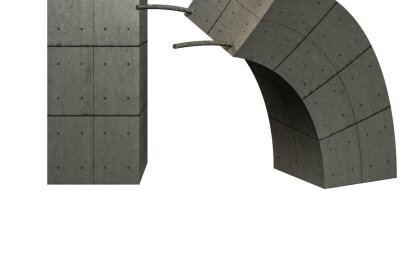
The flexibility of flexible concrete opens up a world of design possibilities for architects and engineers. Unlike rigid concrete, which limits design options, flexible concrete can be molded into various shapes and forms, allowing for innovative and visually striking structures. This versatility enables designers to create curved elements, intricate patterns, and unconventional geometries that were previously challenging to achieve with traditional materials.

Sustainable Solution:

In an era increasingly focused on sustainability, flexible concrete emerges as a viable eco-friendly solution for construction projects. Its enhanced durability reduces the need for frequent repairs and replacements, thereby minimizing material consumption and waste generation. Additionally, the incorporation of recycled materials into flexible concrete further enhances its environmental credentials, making it a sustainable choice for sustainable building practices.

Cost-Effectiveness:

While the initial cost of flexible concrete may be slightly higher than conventional concrete, its long-term benefits far outweigh the upfront investment. The reduced maintenance requirements, extended service life, and decreased likelihood of structural failures translate to significant cost savings over time. Moreover, the versatility of flexible concrete can streamline construction processes, leading to shorter project timelines and lower labor costs.

Flexible Concrete 3

Applications of Flexible Concrete:

The versatility and superior performance of flexible concrete make it suitable for a wide range of applications in the construction industry. Some notable examples include:

  • Bridge decks and infrastructure
  • Pavements and sidewalksconstruction
  • High-rise buildings and skyscrapers
  • Retaining walls and sound barriers
  • Tunnels and underground structures

Conclusion:

Flexible concrete represents a paradigm shift in the construction industry, offering a host of advantages that are reshaping the way we build. From enhanced durability and crack resistance to design flexibility and sustainability, the benefits of flexible concrete are undeniable. As technology continues to evolve, and environmental concerns grow, the adoption of innovative materials like flexible concrete will play a crucial role in creating resilient, efficient, and sustainable infrastructure for the future. Embracing this revolution in construction will pave the way for safer, more durable, and visually captivating structures that stand the test of time.

Shielding Your Home: Trusted Siding Contractor Services

Discover the importance of quality siding for your home’s protection. Learn how trusted siding contractor services can shield your home from the elements. In the realm of homeownership, protection is paramount. Every homeowner desires a sanctuary that not only exudes beauty but also stands resilient against the elements. When it comes to shielding your home, the siding plays a pivotal role. It’s not merely a decorative element but a crucial barrier safeguarding your house against weather, pests, and structural damage. However, achieving this level of protection necessitates the expertise of trusted siding contractor services.

Contents

Understanding the Importance of Quality Siding

Siding serves as the outer shell of your home, shielding it from rain, wind, snow, and sunlight. It acts as a barrier against moisture, preventing mold, rot, and mildew from infiltrating your walls. Moreover, quality siding enhances energy efficiency by providing insulation, thus reducing heating and cooling costs.

Apart from its functional aspects, siding significantly contributes to your home’s aesthetic appeal and curb appeal. It can elevate the overall appearance of your residence, enhancing its value and desirability in the real estate market.

siding contractor 2

The Role of Siding Contractors

While the importance of quality siding is undeniable, its effectiveness largely depends on proper installation. This is where siding contractors come into play. These professionals possess the expertise, experience, and tools necessary to install, repair, or replace siding with precision and efficiency.

Qualities of Trusted Siding Contractor Services

Expertise and Experience

Trusted siding contractors boast years of experience in the industry. They understand the nuances of various siding materials, such as vinyl, wood, fiber cement, and metal, and can recommend the most suitable option based on your preferences and budget.

Licensing and Insurance

Reputable siding contractors are licensed and insured, providing you with peace of mind knowing that your project is in capable hands. This ensures accountability and protects you from liability in the event of accidents or damages during the construction process.

Quality Craftsmanship

A reliable siding contractor takes pride in their workmanship. They pay attention to detail, adhere to industry best practices, and strive for excellence in every aspect of the project, from preparation to installation.

Transparent Pricing and Contracts

Trustworthy siding contractors offer transparent pricing and detailed contracts. They provide accurate estimates, clearly outlining the scope of work, materials, labor costs, and timelines involved. This transparency fosters trust and eliminates any potential misunderstandings down the line.

Customer Satisfaction

Customer satisfaction is the cornerstone of trusted siding contractor services. These professionals prioritize the needs and preferences of their clients, striving to deliver results that exceed expectations. From the initial consultation to the completion of the project, they maintain open lines of communication, address any concerns promptly, and ensure that every aspect of the work aligns with the client’s vision. By prioritizing customer satisfaction, siding contractors not only build strong relationships with their clients but also uphold their reputation for excellence in the industry.

siding contractor 3

Choosing the Right Siding Contractor

When selecting a siding contractor for your home, consider the following factors:

  • Reputation: Research online reviews, testimonials, and ratings to gauge the reputation of the siding contractor.
  • Portfolio: Review their portfolio of past projects to assess the quality of their workmanship and their proficiency with different siding materials.
  • References: Request references from previous clients and inquire about their experience working with the contractor.
  • Communication: Evaluate the contractor’s communication skills and responsiveness to ensure smooth collaboration throughout the project.
  • Warranty: Inquire about warranties offered on materials and workmanship to safeguard your investment.

Conclusion

Shielding your home with quality siding is essential for safeguarding its structural integrity, enhancing energy efficiency, and elevating its aesthetic appeal. Trusted siding contractor services play a crucial role in achieving these objectives by providing expert installation, repair, and replacement solutions. By choosing a reputable siding contractor with the right qualifications, experience, and commitment to customer satisfaction, you can ensure that your home remains a safe and beautiful haven for years to come.

Siding Installation: A Step-by-Step Guide

Contents

Introduction:

Siding installation is a crucial aspect of home improvement projects, not only enhancing the aesthetic appeal of your house but also providing protection against the elements. Whether you’re renovating your home or constructing a new one, installing siding requires careful planning and execution. In this comprehensive guide, we’ll walk you through the step-by-step process of siding installation, ensuring a successful outcome for your project.

Step-by-Step Siding Installation:

Step 1: Planning and Preparation

Siding installation is a crucial stage in house construction, providing both protection and aesthetic appeal to the exterior walls. Before diving into the installation process, it’s essential to plan meticulously and gather the necessary materials and tools. Start by measuring the dimensions of your walls to determine the amount of siding needed. Consider factors such as the type of siding material, color, and texture that best suit your home’s architectural style and personal preferences.

Next, prepare the surface by cleaning it thoroughly and repairing any damaged areas. Remove old siding, trim, and protrusions, ensuring a smooth and even substrate for the new siding. It’s also crucial to inspect the sheathing and framing for any signs of rot or structural issues that need addressing before proceeding with installation.

Siding Installation 2

Step 2: Choosing the Right Siding Material

There are various siding materials available, each with its unique characteristics and installation requirements. Common options include vinyl, wood, fiber cement, and metal siding. Consider factors such as durability, maintenance needs, energy efficiency, and cost when selecting the right material for your home.

Step 3: Installing the Starter Strip

Begin the installation process by attaching a starter strip along the bottom edge of the wall. This strip serves as a base for the first row of siding panels and helps ensure proper alignment and water drainage. Use galvanized nails or screws to secure the starter strip to the sheathing, making sure it’s level and flush with the ground.

Step 4: Installing the Siding Panels

With the starter strip in place, it’s time to install the siding panels. Start from one corner of the wall and work your way horizontally, overlapping each panel to prevent water infiltration. Follow the manufacturer’s instructions for spacing and fastening methods, ensuring a tight and secure fit. Use a level to check for vertical alignment periodically and make adjustments as needed.

Step 5: Cutting and Fitting

As you progress with the installation, you’ll inevitably encounter areas that require cutting and fitting, such as around windows, doors, and corners. Use a utility knife, tin snips, or a saw, depending on the material, to make accurate cuts and ensure a precise fit. Take your time to measure carefully and double-check before cutting to avoid wastage and costly mistakes.

Siding Installation 3

Step 6: Adding Trim and Accessories

Once the siding panels are in place, add trim pieces and accessories to complete the look and enhance functionality. Install J-channels around windows and doors to provide a clean finish and accommodate siding ends. Use corner caps or trim pieces to cover exposed edges and corners, adding visual interest and protection against moisture infiltration.

Step 7: Finishing Touches and Inspection

After installing the siding panels, take a step back and inspect the entire installation for any gaps, misalignments, or imperfections. Make any necessary adjustments and perform a final cleanup to remove debris and dust. Consider applying a coat of paint or sealant to enhance the durability and longevity of the siding, depending on the material used.

Conclusion:

Siding installation is a rewarding project that can transform the appearance and functionality of your home. By following this step-by-step guide and paying attention to detail, you can achieve professional-quality results that will stand the test of time. Whether you’re a seasoned DIY enthusiast or hiring a professional contractor, proper planning, preparation, and execution are key to a successful siding installation project.