
Tuesday, March 17, 2026
Home Blog Page 18

Getting to Know Your Chakra Colors: What They Mean and How They Work

Have you ever felt a certain color resonate with your mood? Perhaps a vibrant red ignites your passion, or a calming blue washes over you with serenity. Dive into the world of Chakra Colors! These connections aren’t just happenstance; according to ancient Eastern traditions, colors hold a special significance within our energetic bodies. In this realm lie the chakras, swirling vortexes of energy believed to influence our physical, emotional, and spiritual well-being. Each chakra is associated with a specific color, offering valuable insights into its function and how to keep it balanced.

Contents

The Seven Chakras: A Rainbow of Energy

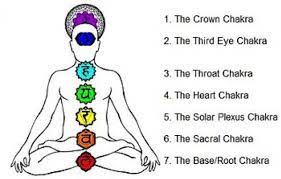
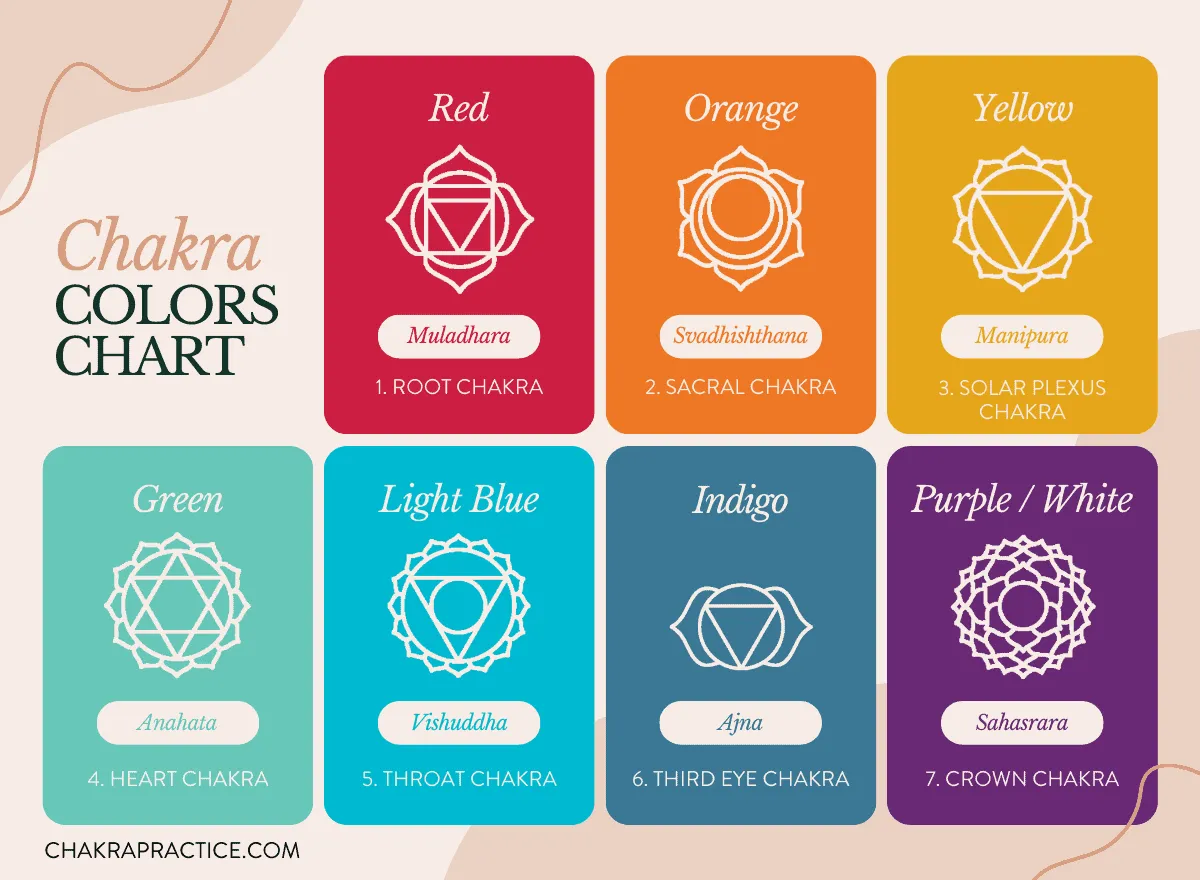
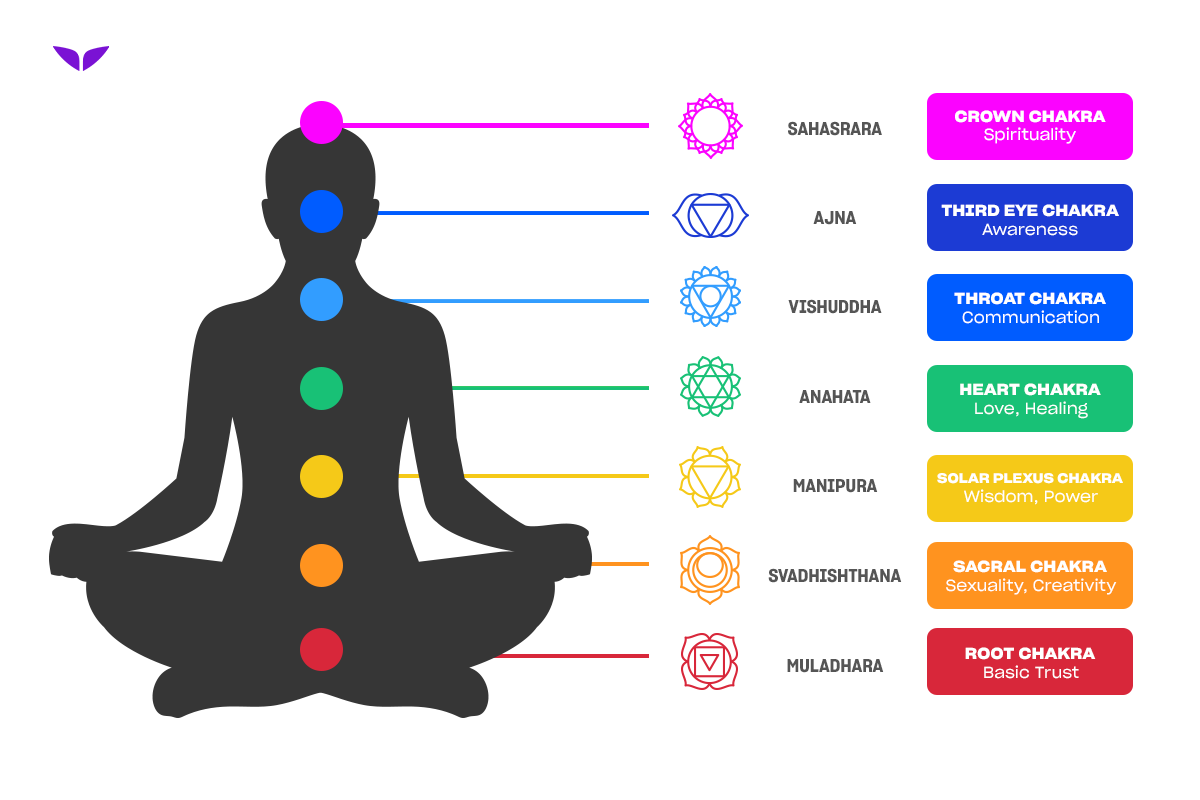
Our bodies are believed to house seven main chakras, positioned along the spine from the base to the crown of the head. Each chakra pulsates with a distinct color, and understanding these vibrant hues can be a powerful tool for self-discovery and healing. Exploring Chakra Colors can be a path to unlocking your body’s potential for Physical to Mental Well-Being. Let’s delve into the world of chakra colors:

Chakra Colors 2

Root Chakra (Muladhara)

Located at the base of the spine, the root chakra is symbolized by the color red. It represents our foundation, our sense of security, and our connection to the physical world. When balanced, we feel grounded, stable, and confident.

Sacral Chakra (Svadhisthana)

Moving up the spine, we find the sacral chakra, associated with the color orange. This center governs our creativity, sexuality, and emotional well-being. A balanced sacral chakra allows us to embrace pleasure, connect with others, and express ourselves authentically.

Solar Plexus Chakra (Manipura)

The solar plexus chakra, located in the upper abdomen, is symbolized by the color yellow. Representing our personal power, willpower, and self-esteem, a healthy solar plexus chakra empowers us to take action and manifest our desires.

Heart Chakra (Anahata)

Often depicted as green, the heart chakra resides in the center of the chest. It governs our capacity for love, compassion, and forgiveness. When balanced, we experience deep connections with others and radiate unconditional love.

Throat Chakra (Vishuddha)

The throat chakra, symbolized by the color blue, is located in the throat area. It governs our communication skills, self-expression, and truth. A balanced throat chakra allows us to speak our minds clearly and authentically.

Third Eye Chakra (Ajna)

Located between the eyebrows, the third eye chakra is associated with the color indigo. This center governs our intuition, insight, and connection to the spiritual realm. When balanced, we develop stronger intuition and a deeper understanding of ourselves and the world around us.

Crown Chakra (Sahasrara)

Located at the crown of the head, the crown chakra is symbolized by the color violet. Representing our connection to the divine and our spiritual purpose, a balanced crown chakra allows us to experience a sense of oneness with the universe.
Chakra Colors 3

How to Work with Your Chakra Colors

Now that you’ve explored the rainbow within, how can you use this knowledge to enhance your well-being? Here are some ways to work with your chakra colors:

Visualization

Meditate and visualize the color of a specific chakra glowing brightly within your body. Imagine the color expanding and filling you with its corresponding energy. In visualization, you close your eyes and create a mental image. For chakra work, focus on the specific color associated with the chakra you want to balance. Imagine this color as a radiant light swirling within your body at the chakra’s location. See it pulsing with vibrant energy, growing brighter and stronger. This visualization can help activate and balance the chakra’s energy flow.

Affirmations

Repeating positive affirmations related to the chakra you’re working on can be a powerful tool. For example, for the root chakra, you could say, “I am grounded and secure. Affirmations can be powerful allies in balancing your chakra colors. Choose positive statements that resonate with the qualities of the chakra you’re focusing on. Repeating them regularly, like mantras, can help shift your mindset and strengthen the desired energy within you. For example, for the root chakra, you could say “I am safe and secure,” or for the heart chakra, “I am open to love and compassion.” Find affirmations that feel authentic to you and repeat them with intention to cultivate the qualities you seek.

Crystals and Gemstones

Many crystals and gemstones resonate with specific chakra colors. Wearing or carrying these stones can help balance the corresponding chakra energy. Crystals and gemstones have long been associated with balancing chakra energy due to their believed energetic properties. Each stone vibrates with a specific frequency that aligns with a particular chakra color. Wearing or carrying crystals that resonate with a chakra you’d like to focus on can be a powerful way to support its balance and promote the associated qualities.

Yoga and Movement

Certain yoga postures and movements are believed to stimulate specific chakras. Explore different asanas (yoga postures) that target the chakra you wish to balance. In the realm of movement, yoga offers a powerful tool for balancing chakras. Specific postures, known as asanas, target different areas of the body that correspond to each chakra. For instance, warrior poses can ignite the fire of the solar plexus, while gentle twists can stimulate the flow of energy in the sacral chakra. By incorporating these targeted movements into your practice, you can awaken and harmonize the energy within your chakras.
Chakra Colors 1

Color Therapy

Surround yourself with the color of a chakra you’re working on. Color therapy can be a powerful tool for balancing your chakras. By surrounding yourself with the color associated with a specific chakra, you can encourage its proper functioning. Decorate your space with throws or artwork in that hue, wear clothing in that color, or simply spend time in nature appreciating its presence. The idea is to bathe yourself in the color’s energy and allow it to resonate within you.

“Remember, a balanced chakra system is a key to overall well-being. By understanding your chakra colors and incorporating these practices into your life, you can unlock the vibrant energy within and radiate your unique light.”

Conclusion:

It’s important to acknowledge that the chakra system is a complex concept within Eastern traditions. While there’s no scientific evidence to support the existence of chakras, many people find working with chakra colors to be a valuable tool for self-exploration and personal growth. Through practices like meditation, visualization, and color therapy, you can nurture the vibrant energy within and radiate your own unique light into the world. Whether you view chakras as a concrete energetic system or a symbolic map for self-discovery, the journey of exploring your chakra colors can be a transformative and empowering experience.


The idea concerning the ending of One Piece that would bring joy to all the main characters.

0

Contents

Introduction

This heartwarming ending of One Piece theory imagines a future where all the Straw Hats achieve their dreams. As One Piece sails towards its final chapter, theories about the ending are swirling. But what if the finale isn’t just epic, but heartwarming? Buckle up for a feel-good theory that brings joy to our favorite characters! One Piece, the brainchild of Eiichiro Oda, has become a global phenomenon thanks to its rich narrative, unforgettable crew, and meticulously crafted world. Let’s dive into this sweet speculation!

As the series progresses, fans eagerly speculate about how it will conclude, hoping for an ending that satisfies the journey of the beloved protagonists. In this blog, we’ll delve into a compelling theory that suggests a conclusion to One Piece that would bring joy to all the main characters. The idea concerning the ending of One Piece that would bring joy to all the main characters also resonates with Naruto fans, envisioning a satisfying conclusion for both beloved series.

Ending of One Piece

Right now, there’s no denying that One Piece is the most popular manga and anime out there. Created by Eiichiro Oda, it’s been Japan’s top choice for reading and watching for years. But lately, its popularity has exploded, thanks to its amazing storylines and even Netflix, which has turned it into one of the few live-action anime adaptations worth checking out. The ending of One Piece promises to be a momentous event in anime history, eagerly anticipated by fans around the globe.

But here’s the deal: One Piece isn’t just a passing trend. In fact, it’s gearing up for its grand finale, which could still take about five years to unfold. With each new chapter, the story gets even more captivating, especially with the latest one being particularly mind-blowing thanks to a game-changing revelation. Just a heads up, spoilers are on the way!

ending of One Piece 5

The Theory

In the latest chapter 1113 of the One Piece series, scientist Vegapunk sets off a mechanism that reveals his biggest secret to the world after his death. This bombshell revelation, marking a pivotal moment in the series, unveils that the world will eventually sink into the sea. Despite its initial strangeness, this revelation resonated deeply with One Piece fans, shedding light on many mysteries. It appears that figures like Imu and the Gorosei have been orchestrating a plan to submerge the world’s islands, leaving only the Red Line above water. This revelation suggests a long-standing plot to drastically alter the world as we know it.

Every main character in One Piece will achieve their dreams.

In the world of One Piece, each main character embarks on a journey fueled by their dreams. Whether it’s finding the legendary One Piece treasure, becoming the greatest swordsman, or charting the map of the entire world, every protagonist pursues their aspirations with unwavering determination. Along the way, they face countless challenges, form lasting bonds, and grow stronger, inching closer to the realization of their deepest desires. Through resilience, courage, and sheer willpower, they navigate the treacherous seas of the Grand Line, overcoming adversaries and obstacles to ultimately achieve their dreams, leaving an indelible mark on the vast oceanic landscape of their world.

  • Luffy dreams of becoming the king of the pirates.
  • Zoro’s ambition is to  become the world’s greatest swordsman.
  • Nami aspires to chart out a complete map of the entire world.
  • Usopp seeks acknowledgment as a fearless hero of the sea.
  • Sanji longs to discover the All Blue, a harmonious ocean where all creatures coexist.
  • Chopper’s goal is to excel as a healer and cure all illnesses.
  • Robin’s desire is to uncover the true history of the world.
  • Franky aims for the Sunny to be the finest vessel ever and sail across every corner of the globe.
  • Brook yearns to reunite with his dear friend Laboon.
  • Jinbe strives to achieve equality between fishmen and humans

Sure! According to this theory, at the ending of One Piece all dreams would be fulfilled simultaneously. How? By resurrecting the world, which was once a single continent called Pangea and a single ocean called Panthalassa, from the devastation caused by historical villains during the Great Flood. Currently, there are four separate seas connected by a large landmass known as the Red Line. If this Red Line were cut and the world refloated, everything would revert to its previous state, potentially solving many problems faced by the planet’s inhabitants.

Conclusion

As fans eagerly await the conclusion of One Piece, theories abound regarding how the story will ultimately unfold. The theory discussed in this blog offers a compelling vision of an ending that brings joy to all the main characters, celebrating their individual dreams while reinforcing the bonds of friendship that unite them. The ending of One Piece is a topic of intense speculation among fans, eagerly anticipating the culmination of the epic journey of Luffy and his crew.

Whether or not this theory proves to be true remains to be seen, but one thing is certain: the journey of One Piece has touched the hearts of millions around the world, and its conclusion will be eagerly anticipated by fans old and new alike. Until then, we can only speculate, discuss, and continue to marvel at the epic tale of Monkey D. Luffy and his crew as they sail towards their destiny.

What do you need for DTF printing?

0

Direct-to-film (DTF) printing has become increasingly popular in the realm of garment decoration. This innovative printing method offers versatility, durability, and vibrant colors, making it a preferred choice for many businesses and hobbyists alike. However, diving into the world of DTF printing requires some essential equipment and materials. In this blog post, we’ll explore the key components needed to start DTF printing and delve into why each one is crucial for success.

Contents

DTF Printing

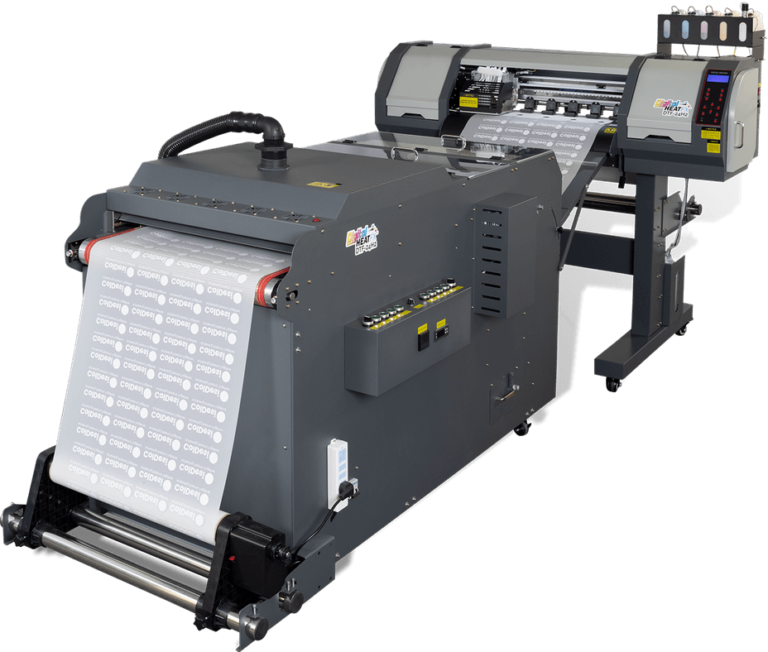
At the heart of DTF printing lies the DTF printer itself. Unlike traditional methods like screen printing or direct-to-garment (DTG) printing, DTF printing requires a specialized printer capable of handling the unique process. DTF printers are designed to transfer designs from a printed film onto various fabrics with precision and efficiency. When choosing a DTF printer, factors such as print quality, speed, and compatibility with different films should be considered to ensure optimal results.

DTF printing 2


DTF Ink

DTF ink is specifically formulated for use in DTF printing applications. Unlike traditional inks, DTF inks are designed to bond with both the film and the fabric, creating a durable and vibrant print. These inks come in various colors, including CMYK and white, allowing for full-color printing on dark and light-colored fabrics alike. It’s essential to use high-quality DTF inks to achieve sharp, long-lasting prints that resist fading and washing.

Printable Film

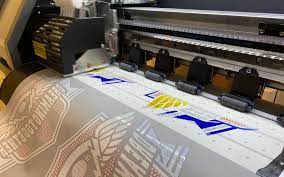
Printable film, also known as DTF film or release paper, serves as the medium for transferring designs onto fabrics. This film features a special coating that allows the DTF ink to adhere to it during printing. After printing, the film is applied to the fabric using a heat press, where the ink is transferred from the film to the garment. Printable films come in different sizes and thicknesses to accommodate various printing needs, and they play a crucial role in determining the quality and durability of the final print.

Heat Press

A heat press is an essential piece of equipment for transferring designs from the printable film to the fabric. During the heat transfer process, the heat press applies heat and pressure to ensure proper adhesion of the ink to the garment. It’s important to use a high-quality heat press with precise temperature and pressure controls to achieve consistent results across different fabrics and designs. Additionally, the size of the heat press should be chosen based on the size of the prints and the volume of production.

RIP Software

Raster Image Processor (RIP) software is used to prepare designs for printing and optimize color output. DTF printing involves printing the design onto the printable film in reverse, so it appears correctly when transferred onto the fabric. RIP software allows users to adjust colors, sizes, and other parameters to ensure accurate and vibrant prints. Some RIP software also includes features for color management, halftone settings, and advanced image processing, making it indispensable for achieving professional-quality results in DTF printing.

Pretreatment Solution (Optional)

For printing on dark-colored fabrics or materials with low fabric content, a pretreatment solution may be necessary to ensure proper ink adhesion and washability. Pretreatment solution is applied to the fabric before printing, creating a base layer that helps the DTF ink bond securely to the surface. While not always required, pretreatment solution can significantly improve the quality and durability of prints on challenging substrates.

Conclusion

DTF printing offers an exciting and versatile alternative to traditional garment decoration methods. By investing in the right equipment and materials, businesses and individuals can unlock endless creative possibilities and produce high-quality, customized apparel with ease. From specialized printers and inks to printable films and heat presses, each component plays a vital role in achieving optimal results in DTF printing. Whether you’re starting a new printing venture or expanding your existing capabilities, having the right tools and knowledge is essential for success in this dynamic industry.

What is the difference between a DTF printer and a regular printer?

0

In the realm of printing technology, the landscape is constantly evolving, with innovations paving the way for more efficient, versatile, and high-quality printing solutions. Among the plethora of options available, two types of printers that often garner attention are DTF (Direct-to-Film) printers and regular printers. While both serve the fundamental purpose of transferring digital designs onto physical substrates, they differ significantly in their functionality, application, and output quality. In this blog, we’ll delve into the intricacies of DTF printers and regular printers, exploring their differences and understanding their respective roles in the printing ecosystem.

Contents

Understanding DTF Printers:

DTF printers are a relatively new addition to the printing industry, offering a unique approach to the printing process. Unlike traditional methods that rely on direct printing onto substrates such as paper or fabric, DTF printers employ a different mechanism. These printers utilize a specialized film, typically made of polyethylene terephthalate (PET) or similar materials, which acts as an intermediary layer between the print head and the substrate.

The process begins with the digital design being printed onto this transparent film using a DTF printer. Subsequently, the printed film is carefully placed on the desired substrate, which could range from garments to promotional items like tote bags or hats. The design is then heat-pressed onto the substrate, causing the ink on the film to adhere firmly, resulting in a vibrant and durable print.

DTF printer 5

Key Characteristics of DTF Printer:

Film-Based Printing

The hallmark feature of DTF printers is their reliance on specialized films for the transfer process. This approach offers several advantages, including enhanced color vibrancy, improved durability, and the ability to print on a wide range of substrates, including dark and textured surfaces.

Versatility

DTF printers are highly versatile, capable of handling various types of designs, including intricate graphics, gradients, and fine details. This versatility makes them well-suited for applications in the apparel industry, signage, personalized merchandise, and more.

Durability

DTF prints are known for their exceptional durability, with the transferred designs exhibiting resistance to fading, cracking, and peeling, even after multiple washes or prolonged use.

Understanding Regular Printers

Regular printers, also known as conventional or standard printers, encompass a broad category of printing devices that have been ubiquitous in homes, offices, and commercial establishments for decades. These printers utilize inkjet or laser technology to produce printed output directly onto various substrates, including paper, cardstock, and transparencies.

The process involves the printer receiving digital data from a connected device, such as a computer or smartphone, and translating this data into physical images or text using ink or toner cartridges. The printed output is typically produced on flat surfaces, with the quality and resolution varying depending on the printer’s specifications and the type of substrate used.

Key Characteristics of Regular Printers:

Substrate Compatibility

Regular printers are primarily designed for printing on flat, flexible surfaces such as paper or cardstock. While they excel in producing documents, photographs, and graphics on these substrates, their compatibility with other materials may be limited.

Ease of Use

One of the defining features of regular printers is their user-friendly interface and straightforward operation. With plug-and-play functionality and intuitive software, these printers are accessible to a wide range of users, from casual home users to professionals in office environments.

Cost-Effectiveness

Regular printers are often valued for their affordability and cost-effectiveness, both in terms of initial purchase price and ongoing maintenance. Inkjet printers, in particular, are known for their low upfront costs and the ability to produce high-quality color prints at a reasonable per-page cost.

DTF Printer 6

Key Differences Between DTF Printers and Regular Printers:

Printing Methodology

The most significant distinction between DTF printers and regular printers lies in their printing methodology. While DTF printers utilize a film-based transfer process, regular printers produce direct prints onto substrates using inkjet or laser technology.

Substrate Compatibility

DTF printers offer greater versatility in terms of substrate compatibility, allowing for printing on a wider range of materials, including textiles, plastics, and wood. In contrast, regular printers are primarily suited for printing on paper and similar flat surfaces.

Output Quality

DTF printers typically deliver superior output quality compared to regular printers, especially when it comes to color vibrancy, durability, and compatibility with diverse design elements. This makes them particularly well-suited for applications where image quality and longevity are paramount.

Application Scope

While regular printers find widespread use in office environments, homes, and commercial settings for producing documents, photographs, and marketing materials, DTF printers cater to more specialized niches, such as custom apparel printing, promotional merchandise, and signage.

Conclusion

In conclusion, while both DTF printers and regular printers serve the fundamental purpose of transferring digital designs onto physical substrates, they differ significantly in their underlying technology, substrate compatibility, output quality, and application scope. DTF printers offer a unique approach to printing, leveraging specialized films for vibrant and durable transfers onto various surfaces, while regular printers excel in producing high-quality prints on paper and similar materials. Understanding these differences is crucial for selecting the most suitable printing solution for specific needs and applications, whether it be for personal projects, commercial ventures, or industrial applications.

CodeCraft: Your AI Code Assistant

1

In the dynamic world of software development, efficiency is paramount. Whether you’re a seasoned programmer or just starting out, having the right tools can make all the difference in your productivity and the quality of your code. This is where CodeCraft steps in – your ultimate AI code assistant. In this blog, we’ll delve into what CodeCraft is, how it works, and why it’s revolutionizing the way developers write code.

Contents

AI Code Assistant

An AI Code Assistant is a software tool powered by artificial intelligence algorithms that assists developers in writing code more efficiently. It analyzes code patterns, syntax, and context to provide intelligent suggestions, auto-completion, error detection, and code optimization. AI code assistants aim to streamline the coding process, enhance productivity, and improve the overall quality of code by leveraging machine learning and natural language processing techniques. With an AI code assistant, developers can save time, reduce errors, and focus on solving complex problems rather than mundane coding tasks.

What is CodeCraft?

CodeCraft is an innovative AI-powered code assistant designed to streamline the coding process. It’s built on advanced machine learning algorithms that analyze code patterns, syntax, and semantics to provide intelligent suggestions and assistance to developers in real-time. From code completion and error detection to code refactoring and optimization, CodeCraft offers a comprehensive suite of features aimed at making coding faster, easier, and more efficient.

AI Code Assistant 3

How Does CodeCraft Work?

At its core, CodeCraft leverages natural language processing (NLP) and machine learning techniques to understand and interpret code written in various programming languages such as Python, JavaScript, Java, and more. It continuously learns from vast repositories of code and developer interactions to enhance its capabilities and accuracy over time.

When you start coding with CodeCraft, it integrates seamlessly into your preferred integrated development environment (IDE) or code editor, providing context-aware suggestions as you type. These suggestions range from auto-completion of code snippets and function names to identifying potential errors and offering solutions. Moreover, CodeCraft’s intelligent code analysis capabilities help you refactor code for better readability and performance, ensuring adherence to best practices and coding standards.

Key Features of CodeCraft:

Smart Code Completion

CodeCraft predicts the next line of code based on context, reducing the need for manual typing and minimizing errors.

Error Detection and Correction

It identifies syntax errors, logical inconsistencies, and potential bugs in real-time, allowing you to rectify them before they manifest into issues.

Code Refactoring

CodeCraft suggests improvements to your existing codebase, such as renaming variables, extracting methods, and optimizing algorithms for better efficiency.

Code Documentation

It assists in generating comprehensive documentation for your code, including function signatures, parameter descriptions, and usage examples, facilitating collaboration and code comprehension.

Integration with Version Control Systems

CodeCraft seamlessly integrates with popular version control systems like Git, enabling smooth collaboration and code management within teams.

Language Support

With support for multiple programming languages, including Python, JavaScript, Java, C++, and more, CodeCraft caters to a wide range of developers and projects.

Why Choose CodeCraft?

CodeCraft isn’t just another code assistant – it’s a game-changer for developers worldwide. Here’s why:

Boosts Productivity

By automating repetitive tasks and providing intelligent suggestions, CodeCraft significantly accelerates the coding process, allowing developers to focus on solving complex problems and implementing innovative solutions.

Improves Code Quality

With its advanced code analysis capabilities, CodeCraft helps maintain code consistency, readability, and reliability, resulting in cleaner, more maintainable codebases.

Facilitates Learning

For beginners, CodeCraft serves as an invaluable learning tool, offering contextual explanations and guidance throughout the coding journey. It empowers novices to learn programming concepts faster and more effectively.

Adaptable and Scalable

Whether you’re working on a small personal project or a large-scale enterprise application, CodeCraft scales with your needs, adapting to diverse programming paradigms and project requirements.

Conclusion

In conclusion, CodeCraft is a game-changing AI code assistant that revolutionizes the way developers write code. With its intelligent features, seamless integration, and unparalleled efficiency, it empowers developers of all levels to write better code faster. Whether you’re a seasoned professional or just starting your coding journey, CodeCraft is your indispensable companion in the world of software development. Embrace the future of coding with CodeCraft – your ultimate AI code assistant.

Taking Control: How to turn off google assistant on android Device

0

In today’s tech-driven world, voice assistants have become ubiquitous, offering convenience and efficiency at our fingertips. Learn how to turning off Google Assistant on your android. Follow our step-by-step guide on how to turn off Google Assistant on Android devices. Google Assistant, with its array of features and functionalities, undoubtedly enhances the Android experience for many users. However, there are times when you might prefer to turn it off temporarily or permanently for various reasons—privacy concerns, accidental activations, or simply a desire for more control over your device. If you’re looking to take charge of your Android device by disabling Google Assistant, you’re in the right place. Here’s a comprehensive guide to help you navigate through the process.

Contents

What is Google Assistant

Google Assistant is a virtual assistant developed by Google, designed to help users perform various tasks using voice commands or text inputs. It leverages artificial intelligence and natural language processing to understand and respond to user queries, providing information, performing actions, and facilitating interactions with compatible devices and services. Google Assistant can seamlessly control your smart thermostat, adjusting the temperature with just a simple voice command. From setting reminders and sending messages to controlling smart home devices and providing personalized recommendations, Google Assistant aims to streamline everyday tasks and enhance the overall user experience across devices, including smartphones, smart speakers, and smart displays. With its wide range of capabilities and integrations, Google Assistant serves as a versatile digital companion, empowering users to accomplish more with ease.

How to turn off google assistant on android 2

How does google assistant work?

Google Assistant operates on a sophisticated blend of artificial intelligence, natural language processing, and machine learning algorithms. When you activate Google Assistant, either by voice command or tapping the Assistant icon, your device records your query and sends it to Google’s servers for processing. There, the Assistant analyzes the context, language, and intent behind your request to provide relevant and personalized responses or actions. It can perform a wide range of tasks, from answering questions and setting reminders to controlling smart home devices and sending messages. Google Assistant continually learns from user interactions, improving its accuracy and effectiveness over time. Its seamless integration with various Google services and third-party apps enhances its versatility, making it a powerful virtual assistant that adapts to your needs and preferences.

There are steps given below, How to turn off google assistant on android Device :

Accessing Settings

First, unlock your Android device and navigate to the Settings app. This can usually be found in the app drawer or by swiping down from the top of the screen and tapping the gear icon.

Locating Google Assistant Settings

Once in the Settings menu, scroll down until you find the “Apps & notifications” or “Apps” section. Tap on it to proceed.

Managing Assistant Apps

Within the Apps section, you’ll see a list of all installed apps on your device. Look for “Google” or “Google Assistant” among the options and tap on it.

Disabling Google Assistant

After selecting Google Assistant, you’ll be presented with various options and settings related to the app. Look for the “Disable” or “Turn off” button and tap on it. You may need to confirm your action by selecting “Disable” again from the prompt that appears.

Confirming Deactivation

Once disabled, Google Assistant will no longer be active on your device. You may notice that the Assistant icon disappears from your home screen or navigation bar, depending on your device’s settings.

Reactivating Google Assistant

Should you decide to re-enable Google Assistant in the future, simply revisit the same settings menu and look for the option to enable it again. Keep in mind that the location of this option may vary slightly depending on your device model and Android version. Ok, this is how to turn off google assistant on android device.

Conclusion

By following these steps, you can easily take control of Google Assistant on your Android device and can easily how to turn off google assistant on android device. Tailoring your user experience to suit your preferences and needs. Whether you’re prioritizing privacy, minimizing distractions, or simply exploring alternative ways to interact with your device, disabling Google Assistant puts the power back in your hands.

Remember, technology should always serve you, not the other way around. With the ability to customize and configure features like Google Assistant, you can ensure that your Android device aligns perfectly with your lifestyle and usage habits. So go ahead, experiment with disabling Google Assistant, and reclaim control over your digital experience.

Reflections: Thought on Discipline

0

Delve into the thought on discipline, exploring its impact, challenges, and rewards. Discover insights and strategies for cultivating self-mastery. Discipline – it’s a word often associated with strict rules, punishment, and rigidity. However, true discipline encompasses much more than that. It’s about self-control, commitment, and the pursuit of excellence. In this reflection, we delve into the multifaceted nature of discipline and its profound impact on our lives.

Contents

Understanding Thought on Discipline

Understanding the thought on discipline empowers individuals to harness its strength, fostering resilience and success in pursuit of their goals. Contemplating thought on discipline, one realizes its transformative power in shaping character and achieving goals. Discipline is the cornerstone of success in any endeavor. Whether it’s mastering a skill, achieving academic excellence, or leading a fulfilling life, discipline plays a pivotal role. At its core, discipline is about making conscious choices and sticking to them, even when faced with challenges or temptations.

Self-Control and Consistency

One of the fundamental aspects of discipline is self-control. It’s the ability to regulate our impulses and emotions, directing them towards constructive actions. Without self-control, we are at the mercy of our whims, prone to procrastination and indulgence. Consistency is equally important; it’s the daily commitment to our goals, even when motivation wanes. Also its crucial role in fostering child development, laying the foundation for strong character and resilience.

Thought on Discipline 2

Discipline in Daily Life

Discipline manifests in various aspects of our daily lives. From waking up early to exercising regularly, from managing our finances to maintaining healthy relationships – every area requires discipline. It’s the small, consistent efforts that culminate in significant achievements over time.

Overcoming Challenges

Discipline is not without its challenges. Temptations lurk at every corner, distractions abound, and setbacks are inevitable. Yet, it’s during these moments of adversity that our discipline is truly tested. It’s easy to stay disciplined when everything is going smoothly, but real growth happens when we persist despite obstacles.

Cultivating Discipline

Discipline is not innate; it’s a skill that can be cultivated and honed over time. It requires self-awareness, goal-setting, and a willingness to push beyond our comfort zones. Here are some strategies to cultivate discipline:

1. Set Clear Goals

Define what you want to achieve and break it down into manageable tasks. Setting clear goals is the cornerstone of discipline. When we have a clear vision of what we want to achieve, we are better able to direct our efforts and stay focused amidst distractions. Clear goals provide us with a roadmap, guiding our actions and motivating us to push beyond obstacles. Whether it’s pursuing a career ambition, mastering a new skill, or improving our health, setting clear and achievable goals is the first step towards success.

2. Create a Routine

Establish a daily routine that aligns with your goals and stick to it consistently. Creating a routine is essential for cultivating discipline in our lives. It provides structure and consistency, helping us prioritize tasks and stay focused on our goals. By establishing a regular schedule for activities such as work, exercise, and leisure, we optimize our time and maximize productivity. A well-designed routine also reduces decision fatigue, as it eliminates the need to constantly ponder what to do next. Ultimately, a routine acts as a reliable roadmap, guiding us towards success and fulfillment.

3. Stay Accountable

Share your goals with others or enlist the help of a mentor/coach to hold you accountable. Staying accountable is essential for maintaining discipline and achieving our goals. By sharing our objectives with others or seeking support from a mentor, we create a system of checks and balances that keeps us on track. Accountability fosters transparency and encourages us to take ownership of our actions, increasing our commitment to staying disciplined even when faced with obstacles.

4. Practice Self-Reflection

Regularly assess your progress, identify areas for improvement, and adjust your approach accordingly. Practice Self-Reflection: Regularly take the time to pause and reflect on your actions, thoughts, and emotions. Ask yourself tough questions and be honest in your answers. What are your strengths and weaknesses? What habits are serving you well, and which ones are holding you back? Self-reflection provides valuable insights that can inform your decisions and help you grow personally and professionally.

5. Embrace Failure

Understand that setbacks are a natural part of the journey and use them as opportunities to learn and grow. Embracing failure is an essential aspect of cultivating discipline. Instead of viewing setbacks as roadblocks, see them as opportunities for growth and learning. Failure provides valuable insights into our strengths and weaknesses, guiding us towards improvement. By embracing failure, we develop resilience and perseverance, essential traits for achieving long-term success. Remember, it’s not the failure itself that defines us but how we respond to it that truly matters.

The Rewards of Discipline

While discipline requires effort and sacrifice, the rewards are profound. It instills a sense of accomplishment, builds self-confidence, and unlocks our full potential. Moreover, disciplined individuals are better equipped to navigate life’s challenges, adapt to change, and pursue their passions with unwavering determination.

Conclusion

In a world characterized by constant distractions and instant gratification, discipline is a rare but invaluable trait. It’s the foundation upon which greatness is built, the guiding principle that transforms dreams into reality. By embracing discipline in our lives, we not only achieve our goals but also inspire others to strive for excellence. Thought on discipline unveils its transformative influence, molding character and achieving goals through focused determination. So let us cultivate discipline, not as a burden, but as a pathway to a more fulfilling and purposeful existence.

Purr-fect Support: Emotional Pet support Assistance

1

In a world filled with stressors and uncertainties, finding solace and support becomes paramount for maintaining mental well-being. While human connections play a significant role in this, another source of comfort has been gaining recognition for its remarkable ability to provide Emotional Pet support. More than just furry companions, pets have a unique way of understanding and empathizing with their owners, offering unconditional love and support during times of distress. This phenomenon has led to the emergence of emotional support animals (ESAs), providing invaluable assistance to individuals struggling with various mental health issues. In this blog post, we’ll explore the concept of emotional pet support assistance, its benefits, and how it positively impacts the lives of countless individuals.

Contents

Understanding Emotional Pet Support Assistance

Emotional pet support assistance refers to the role that pets, particularly dogs and cats, play in providing emotional support and comfort to individuals dealing with mental health challenges. These pets are not just pets; they are certified ESAs that offer companionship, alleviate anxiety, reduce stress, and provide a sense of purpose to their owners. Unlock the holistic benefits of emotional pet support assistance as an integral part of your Total Health and Fitness Guide.

The bond between humans and animals has been recognized for centuries, with numerous studies highlighting the positive effects of pet ownership on mental health. Interacting with pets has been shown to increase levels of oxytocin, a hormone associated with bonding and reducing stress. Additionally, pets encourage physical activity, which can help alleviate symptoms of depression and anxiety.

Emotional Pet Support 2

Benefits of Emotional Pet Support Assistance

Emotional Well-being

The presence of an ESA can provide a sense of comfort and security, reducing feelings of loneliness and isolation. Pets offer unconditional love and companionship, serving as constant sources of emotional support for their owners.

Stress Reduction

Petting or playing with an ESA can lower cortisol levels, the hormone associated with stress, thereby promoting relaxation and a sense of calmness. The rhythmic motion of stroking a pet can have a soothing effect on the nervous system, helping individuals manage stress more effectively.

Improved Mood

Spending time with a beloved pet can elevate mood and increase feelings of happiness. The playful antics of a pet or their affectionate gestures can bring joy and laughter into the lives of their owners, even during challenging times.

Social Connection

Pets can serve as social facilitators, helping their owners connect with others and combat feelings of social isolation. Whether through pet-related activities or simply walking a dog in the neighborhood, owning an ESA can encourage social interaction and foster a sense of community.

Sense of Purpose

Caring for a pet provides individuals with a sense of purpose and responsibility, which can be particularly beneficial for those struggling with depression or low self-esteem. The daily routines associated with pet ownership can instill a sense of structure and accomplishment, contributing to overall well-being.

How Emotional Pet Support Assistance Works

To qualify for an emotional support animal, individuals must obtain a recommendation letter from a licensed mental health professional, such as a therapist or psychiatrist, stating that they would benefit from the presence of an ESA due to a diagnosed mental health condition. Unlike service animals, ESAs are not required to undergo specialized training, although they should exhibit good behavior in public settings.

Once certified, emotional support animals are granted certain rights, such as housing accommodations that allow pets, even in buildings with no-pet policies, and the ability to accompany their owners on flights without incurring additional fees.

Conclusion

Emotional pet support assistance represents a powerful and accessible form of mental health support for individuals facing various challenges. The bond between humans and animals transcends language barriers and offers a unique form of companionship that can significantly improve quality of life. Whether it’s a cat purring softly on a lap or a dog eagerly wagging its tail, the presence of an emotional support animal can provide the comfort and reassurance needed to navigate life’s ups and downs. As we continue to prioritize mental health awareness and support, let’s recognize and celebrate the invaluable contributions of our furry friends in promoting emotional well-being.

In a world where stressors abound, the purr-fect support may just come in the form of a loving pet by your side.

Exo Drones vs DJI Titans: The Battle of the Skies Unfolds

0

In the realm of aerial technology, the competition is fierce, and the battleground is the vast expanse of the skies. In recent years, two giants have emerged in the drone industry: Exo Drones vs DJI Titans. Both companies have been pushing the boundaries of innovation, offering state-of-the-art drones that cater to a wide range of applications, from professional filmmaking to industrial inspections. As the rivalry intensifies, enthusiasts and professionals alike find themselves torn between these two titans of the skies. Let’s delve into the nuances of each and witness the battle unfold.

Contents

Exo Drones vs DJI Titans

Exo Drones and DJI represent two titans in the ever-evolving world of aerial technology. With Exo’s emphasis on modular design and ruggedness and DJI’s focus on performance and user-friendliness, the competition between these giants is fierce. Each brand brings its own unique strengths to the table, catering to a wide range of users, from hobbyists to professionals. As enthusiasts and professionals weigh their options, the debate between Exo Drones and DJI continues to unfold, driving innovation and shaping the future of the drone industry.

The Rise of Exo Drones

Exo Drones burst onto the scene with a promise of cutting-edge technology and unparalleled performance. Founded by a team of aerospace engineers and tech enthusiasts, the company set out to revolutionize the drone industry with its innovative designs and advanced features.

One of the key selling points of Exo Drones is their modular design, allowing users to customize and upgrade their drones according to their specific needs. Whether it’s a high-resolution camera for aerial photography or a thermal imaging sensor for search and rescue missions, Exo Drones offer versatility like no other.

Furthermore, Exo Drones have gained a reputation for their robust construction and durability, making them ideal for rugged outdoor use. With features such as obstacle avoidance and intelligent flight modes, they provide a seamless flying experience even in challenging environments. In the future of building inspections, both Exo Drones and DJI Titans are poised to revolutionize the industry with their advanced aerial capabilities and innovative features.

Exo Drones vs DJI Titans 2

The Dominance of DJI Titans

On the other side of the spectrum, DJI Titans have long been synonymous with excellence in the drone industry. With a track record of delivering best-in-class drones, DJI has established itself as the go-to choice for professionals and enthusiasts worldwide.

DJI Titans are renowned for their sleek design, intuitive controls, and industry-leading camera systems. From the compact Mavic series to the powerful Inspire lineup, DJI offers drones for every skill level and application.

Moreover, DJI Titans have set the benchmark for aerial performance, boasting impressive flight times, stability, and range. With features like ActiveTrack and TapFly, they empower users to capture stunning aerial footage with ease, whether they’re shooting cinematic masterpieces or documenting real-time events.

The Clash of Titans

As the battle of the skies unfolds, the rivalry of Exo Drones vs DJI Titans continues to escalate. Both companies are relentless in their pursuit of innovation, constantly pushing the boundaries of what’s possible in aerial technology.

On one hand, Exo Drones offer unmatched versatility and ruggedness, appealing to users who prioritize customization and durability. On the other hand, DJI Titans excel in terms of performance and ease of use, making them the preferred choice for professionals and hobbyists alike.

In the end, the choice between Exo Drones vs DJI Titans boils down to individual preferences and specific use cases. Whether you’re a filmmaker seeking cinematic perfection or a surveyor conducting aerial inspections, both options offer compelling features and capabilities.

The Future of Aerial Technology

As technology continues to evolve, the landscape of the drone industry is bound to undergo further transformations. New players will emerge, and existing ones will continue to innovate, driving progress and pushing the boundaries of what’s possible in the skies.

Whether you’re a loyal fan of Exo Drones or a staunch supporter of DJI Titans, one thing is certain: the battle of the skies is far from over. With each new innovation and breakthrough, the rivalry will continue to unfold, shaping the future of aerial technology for generations to come.

Conclusion

In the dynamic world of drones, the clash of Exo Drones vs DJI Titans represents the epitome of innovation and rivalry. With Exo’s modular design and ruggedness and DJI’s performance and user-friendliness, users are spoiled for choice. As the competition intensifies, one thing is clear: whether you fly with Exo or ascend with DJI, the future of aerial technology promises exciting possibilities, pushing the boundaries higher with each innovation.

Forge Your Entryway: Trendsetting Gate Design Concepts

0

Contents

Introduction

Elevate your home’s entrance with trendsetting gate design! Discover modern minimalism, nature-inspired elegance, and more. Forge your entryway style today! The entryway to your home is the first impression visitors have of your property. It sets the tone for what lies beyond and reflects your personal style and taste. While gates primarily serve a functional purpose of security and privacy, they can also be an expression of artistry and design. In this blog, we delve into trendsetting gate design concepts that can transform your entryway into a statement piece, blending functionality with aesthetic appeal.

Modern Minimalism for Gate Design

Sleek lines, geometric shapes, and minimalist aesthetics define modern gate designs. Utilizing materials like steel, aluminum, and glass, these gates exude contemporary sophistication. The right wood fence gate can add warmth and charm to your gate design, blending natural beauty with functional elegance. Minimalist gates often feature clean, unadorned surfaces, with emphasis placed on functionality and simplicity. Automated mechanisms such as sliding or swing gates add convenience while maintaining the minimalist vibe.

Nature-inspired Elegance

Drawing inspiration from the natural world, nature-inspired gates incorporate organic elements such as wood, stone, and wrought iron. These gates often feature intricate designs depicting flora and fauna, adding a touch of whimsy and charm to the entryway. Rustic finishes and earthy tones enhance the gate’s connection to its surroundings, creating a harmonious blend between the built environment and nature.

Gate Design 2

Industrial Chic

Characterized by raw materials and rugged aesthetics, industrial chic gates make a bold statement. Utilizing materials like reclaimed wood, corrugated metal, and exposed steel beams, these gates exude an edgy, urban vibe. Industrial-style gates often feature minimalist designs with industrial accents such as rivets, bolts, and exposed hardware, adding to their rugged charm.

Artistic Expression

For those seeking to make a bold artistic statement, custom-designed gates offer endless possibilities. From intricate metalwork to abstract sculptures, artistic gates serve as focal points, inviting admiration and conversation. Collaborating with skilled artisans and craftsmen allows homeowners to bring their unique vision to life, creating gate designs that are truly one-of-a-kind.

Smart Integration

In an increasingly interconnected world, smart technology has revolutionized gate design and functionality. Smart gates offer advanced features such as remote access

control, motion sensors, and smartphone integration, providing enhanced security and convenience. With the ability to monitor and control the gate from anywhere, homeowners can enjoy peace of mind knowing their property is protected. Smart integration also allows for seamless integration with other home automation systems, creating a fully connected ecosystem.

Sustainable Solutions

As environmental consciousness grows, sustainable gate design concepts are gaining popularity. Utilizing eco-friendly materials such as bamboo, recycled metal, and reclaimed wood, sustainable gates minimize environmental impact while adding style to the entryway. Solar-powered gate operators further reduce energy consumption, harnessing renewable energy sources to power the gate’s operation.

Cultural Heritage

Drawing inspiration from diverse cultural traditions, heritage-inspired gates celebrate the richness of human history and craftsmanship. From ornate wrought iron gates reminiscent of European estates to intricate lattice designs inspired by Asian architecture, cultural heritage gates pay homage to centuries-old traditions while adding a touch of elegance and refinement to the entryway.

Conclusion

Your entryway is more than just a functional necessity—it’s an opportunity to make a statement and express your individuality. By embracing trendsetting gate design concepts, you can transform your entryway into a reflection of your personal style and taste. Whether you prefer the clean lines of modern minimalism, the rustic charm of nature-inspired elegance, or the boldness of industrial chic, there’s a gate design concept to suit every aesthetic preference. By combining functionality with artistic expression, smart technology with sustainable solutions, you can forge an entryway that not only enhances security and privacy but also elevates the overall aesthetic appeal of your home. So, go ahead, unleash your creativity, and forge your entryway into a trendsetting masterpiece.