

Tuesday, March 17, 2026
Home Blog Page 19

Why Choose Sunlight: Leading Solar Energy Equipment Supplier

0

Discover why Sunlight shines as the premier solar energy equipment supplier. Quality, innovation, and exceptional service await. Go solar with confidence! In the era of rapid industrialization and the pressing need for sustainable energy solutions, the spotlight has turned towards solar power as a primary source of renewable energy. With the increasing demand for solar energy equipment, choosing the right supplier becomes paramount for both individuals and businesses alike. In this blog post, we delve into the reasons why Sunlight stands out as a leading solar energy equipment supplier, offering unparalleled quality, innovation, and reliability.

Contents

Solar Energy Equipment Supplier

As a solar energy equipment supplier, our mission at Sunlight is to empower individuals and businesses to embrace clean, renewable energy solutions. We offer a wide range of high-quality solar panels, inverters, mounting systems, and accessories tailored to meet diverse needs and applications. With a focus on innovation, sustainability, and exceptional customer service, we are committed to driving the adoption of solar energy and paving the way towards a more sustainable future for generations to come.

Commitment to Quality

Sunlight prioritizes quality in every aspect of its operations. From the selection of raw materials to the manufacturing process and final product delivery, stringent quality control measures are implemented to ensure that customers receive top-notch solar energy equipment. Our commitment to quality extends beyond mere compliance with industry standards; we strive for excellence in craftsmanship and durability, thereby providing our customers with reliable and long-lasting solar solutions.

Innovative Technology

At Sunlight, innovation is at the core of our business philosophy. We continuously invest in research and development to stay ahead of the curve and offer cutting-edge solar energy equipment that meets the evolving needs of our customers. Whether it’s advanced solar panels with increased efficiency, innovative mounting systems for easier installation, or smart energy management solutions, we are dedicated to harnessing the power of technology to deliver superior products and services.

Solar Energy Equipment Supplier 2

Wide Range of Products

Sunlight boasts a comprehensive portfolio of solar energy equipment to cater to diverse requirements and preferences. Whether you’re looking for residential solar panels, commercial solar inverters, or utility-scale solar solutions, we have you covered. Our extensive product range ensures that customers can find the perfect fit for their specific applications, whether it’s a small-scale rooftop installation or a large-scale solar farm project.

Exceptional Customer Service

At Sunlight, we prioritize customer satisfaction above all else. Our team of dedicated professionals is committed to providing personalized assistance and support throughout the entire process, from initial consultation to after-sales service. Whether you have questions about product selection, need assistance with installation, or require maintenance and troubleshooting support, our friendly and knowledgeable staff are here to help every step of the way.

Sustainable Practices

As a leading advocate for renewable energy, Sunlight is deeply committed to sustainability in all aspects of our business operations. We adhere to strict environmental standards and employ eco-friendly practices throughout the production process to minimize our carbon footprint. By choosing Sunlight as your solar energy equipment supplier, you can be confident that you’re not only investing in clean energy solutions but also supporting a company that prioritizes environmental stewardship.

Proven Track Record

With years of experience in the solar energy industry, Sunlight has established a solid reputation for reliability, integrity, and performance. Our track record speaks for itself, with countless satisfied customers and successful projects under our belt. Whether it’s residential, commercial, or industrial applications, Sunlight has consistently delivered exceptional results, earning the trust and loyalty of clients worldwide.

Conclusion

When it comes to choosing a reliable and reputable supplier for your solar energy equipment needs, Sunlight stands out as a clear frontrunner. With a steadfast commitment to quality, innovation, customer service, sustainability, and a proven track record of excellence, Sunlight is your trusted partner in harnessing the power of the sun for a brighter and more sustainable future. Experience the difference with Sunlight and embark on your journey towards clean, renewable energy today.

Timber Treasures: Embracing Natural Wood Furniture Design

0

Discover the timeless beauty of natural wood furniture design. Embrace authenticity and craftsmanship with timber treasures for your home. In a world where mass-produced, synthetic materials dominate the furniture market, there’s a growing appreciation for the timeless beauty and authenticity of natural wood. From rustic cabins to modern lofts, wood furniture has the ability to add warmth, character, and a connection to nature to any space. In this blog post, we’ll explore the allure of timber treasures and why embracing natural wood in furniture design is a trend that continues to captivate homeowners, interior designers, and artisans alike.

Contents

The Beauty of Natural Wood Furniture Design

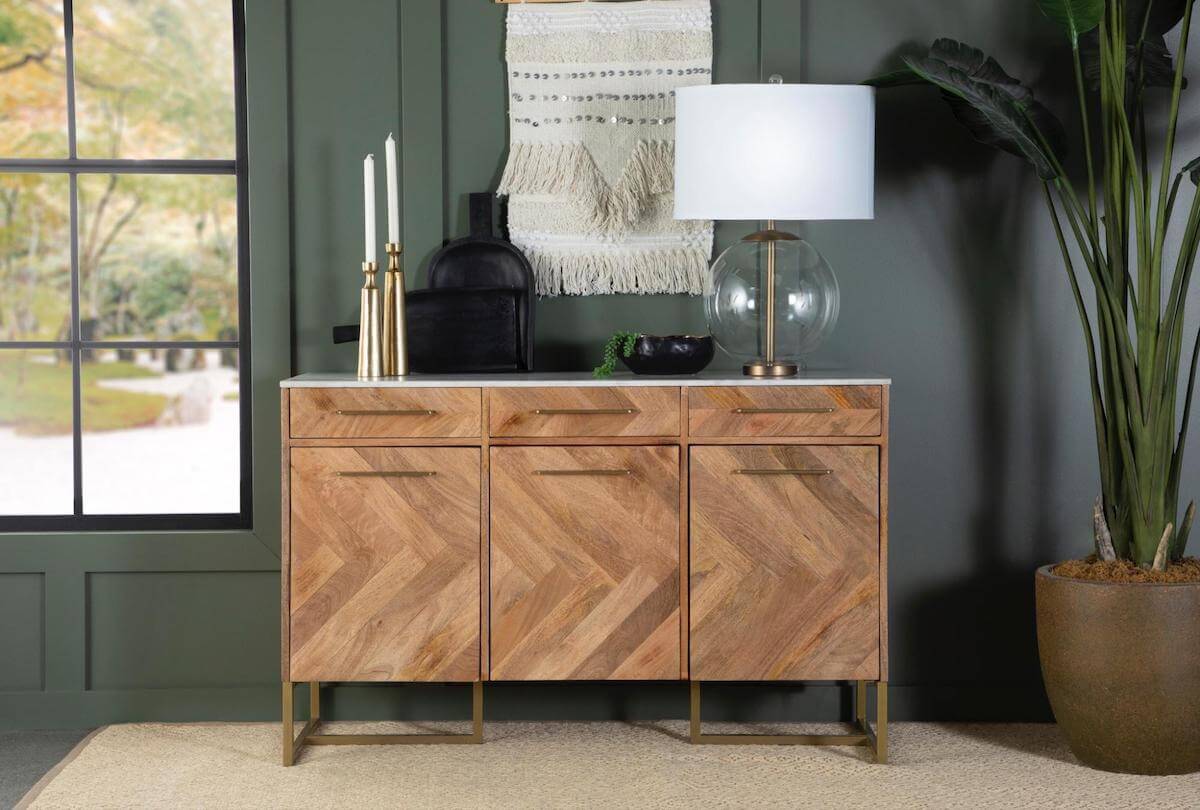
One of the most captivating aspects of natural wood furniture is its inherent beauty. Each piece of timber possesses its own unique grain pattern, texture, and color variations, making every item truly one-of-a-kind. From the rich tones of mahogany to the light hues of oak, the diversity of wood species offers endless possibilities for creating stunning furniture designs that complement any aesthetic.

Unlike mass-produced furniture made from engineered wood or plastic, natural wood furniture exudes a sense of authenticity and craftsmanship that simply can’t be replicated. Whether it’s the smooth, polished surface of a dining table or the rugged, weathered look of a reclaimed wood dresser, there’s an undeniable charm to furniture that bears the marks of its natural origins.

Natural Wood Furniture 3

Sustainability and Eco-Friendliness

In an era where environmental consciousness is increasingly important, natural wood furniture offers a sustainable alternative to mass-produced, disposable furnishings. Responsibly sourced wood from well-managed forests can be harvested in a way that minimizes environmental impact, making it a renewable and eco-friendly choice for conscientious consumers.

Additionally, many artisans and furniture makers are embracing the principles of sustainability by using reclaimed or salvaged wood in their designs. By repurposing old barns, factories, and other structures, these craftsmen are able to breathe new life into discarded timber, creating beautiful and unique pieces of furniture while reducing the demand for virgin wood.

Durability and Longevity

Another key advantage of natural wood furniture is its durability and longevity. Unlike flimsy, particleboard furniture that is prone to warping, scratching, and other forms of damage, high-quality wood furniture is built to last for generations. With proper care and maintenance, a well-crafted wood table or chair can withstand the test of time, becoming a cherished heirloom that is passed down from one generation to the next.

Furthermore, natural wood has the ability to develop a rich patina over time, adding to its character and beauty with each passing year. Unlike synthetic materials that degrade and deteriorate over time, wood furniture ages gracefully, becoming even more beautiful with age.

Versatility in Design

One of the most appealing aspects of natural wood furniture is its versatility in design. Whether you prefer the clean lines and minimalist aesthetic of Scandinavian design or the intricate carvings and ornate details of traditional craftsmanship, there’s a style of wood furniture to suit every taste and preference.

From sleek, modern pieces crafted from exotic hardwoods to rustic, farmhouse-style furniture made from reclaimed barn wood, the possibilities are endless when it comes to incorporating natural wood into your home decor. Whether you’re furnishing a cozy cottage or a contemporary urban loft, wood furniture adds a touch of warmth and sophistication to any space.

Conclusion

In a world that is increasingly dominated by mass-produced, disposable goods, the enduring appeal of natural wood furniture serves as a refreshing reminder of the beauty and authenticity of handcrafted craftsmanship. From its inherent beauty and sustainability to its durability and versatility in design, there are countless reasons to embrace timber treasures in your home.

Whether you’re drawn to the timeless elegance of hardwoods like oak and walnut or the rustic charm of reclaimed wood, incorporating natural wood furniture into your interior design scheme is sure to enhance the aesthetic appeal and ambiance of your space. So why settle for synthetic imitations when you can have the real thing? Embrace the beauty of natural wood and discover the enduring allure of timber treasures in your home.

Structural Support: Types of Shoring and Their Applications

0

Discover the key types of shoring and how they bolster structural integrity in construction projects, from excavation to emergency scenarios. Structural support plays a pivotal role in construction projects, ensuring the safety and stability of buildings during various stages of construction. Among the myriad methods of structural support, shoring stands out as a critical technique. Shoring involves the use of temporary supports to prevent soil movement, provide stability to existing structures, and ensure worker safety. In this blog post, we’ll explore different types of shoring and their applications in construction projects.

Contents

Types of Shoring:

Timber Shoring:

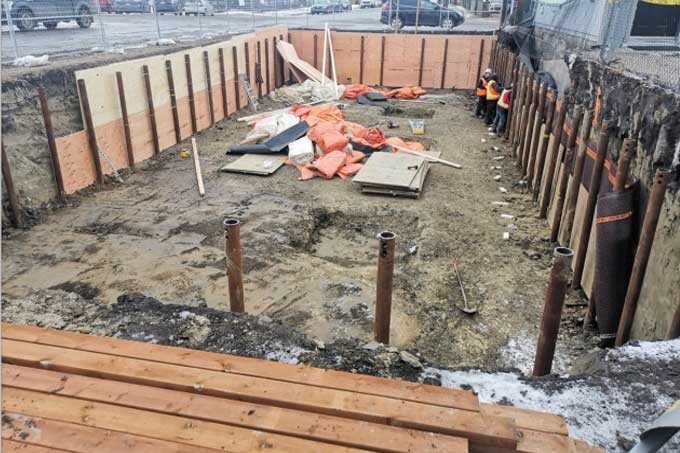
Timber shoring, also known as wood shoring, is one of the oldest and most traditional forms of shoring. It involves the use of wooden beams, planks, and shores to support excavations, trenches, and structures. Timber shoring is relatively economical and easy to install, making it suitable for small-scale projects and temporary applications. However, it may not provide sufficient strength for larger or more complex structures.

Hydraulic Shoring:

Hydraulic shoring utilizes hydraulic cylinders and steel plates to support trench walls and excavations. This type of shoring offers adjustable support, allowing for precise positioning and quick installation. Hydraulic shoring is commonly used in urban environments where space is limited and excavation depths are shallow. It provides greater stability and safety compared to timber shoring, making it suitable for medium to large-scale projects.

Types of Shoring 4

Aluminum Shoring:

Aluminum shoring consists of lightweight aluminum panels and struts that are assembled to form a structural support system. This type of shoring is highly versatile and can be used for a wide range of applications, including trenching, excavation, and structural reinforcement. Aluminum shoring is corrosion-resistant, durable, and easy to handle, making it ideal for long-term projects and challenging environments.

Steel Shoring:

Steel shoring involves the use of steel beams, frames, and props to support heavy loads and provide structural stability. Steel shoring systems are designed to withstand high pressures and loads, making them suitable for deep excavations and large-scale construction projects. Steel shoring is often used in conjunction with other support methods, such as concrete reinforcement, to ensure maximum strength and stability.

Applications of Shoring:

Excavation and Trenching:

Shoring is commonly used in excavation and trenching projects to prevent soil collapse, protect workers, and maintain the integrity of adjacent structures. Hydraulic shoring and aluminum shoring are particularly well-suited for these applications due to their flexibility, strength, and ease of installation. Trenching involves digging long, narrow excavations in the ground, typically for laying pipes, cables, or foundations.

Building Construction:

During building construction, shoring may be required to support concrete formwork, temporary structures, and existing buildings undergoing renovation or expansion. Steel shoring systems are often used in high-rise construction projects to provide vertical support and lateral stability.

Infrastructure Projects:

Infrastructure projects, such as bridges, tunnels, and pipelines, often require specialized shoring solutions to support excavations, tunnels, and underground structures. Timber shoring and hydraulic shoring are commonly used in these applications, depending on the specific requirements and site conditions.

Emergency Situations:

Shoring can also be deployed in emergency situations, such as natural disasters or structural failures, to stabilize buildings and prevent further collapse. Quick and efficient installation is crucial in these scenarios, making hydraulic and aluminum shoring preferred choices due to their rapid deployment capabilities.

Conclusion

In conclusion, shoring plays a crucial role in ensuring the safety, stability, and integrity of construction projects. By understanding the different types of shoring and their applications, engineers and construction professionals can effectively plan and implement structural support systems to mitigate risks and ensure project success. Whether it’s excavation, building construction, infrastructure projects, or emergency situations, the right shoring solution can make all the difference in the safety and success of a project.

Building Dreams: A Comprehensive Guide to the Steps in House Construction

0

Discover the essential steps in house construction from planning to finishing touches. A comprehensive guide to building your dream home. Building a house is a monumental undertaking, requiring careful planning, precise execution, and unwavering dedication. Whether you’re embarking on your first home construction project or overseeing the creation of your dream abode, understanding the steps involved is essential for a successful outcome. In this comprehensive guide, we’ll explore the intricate process of house construction, from initial planning to final finishing touches.

Contents

House construction step by step:

Pre-Construction Preparation

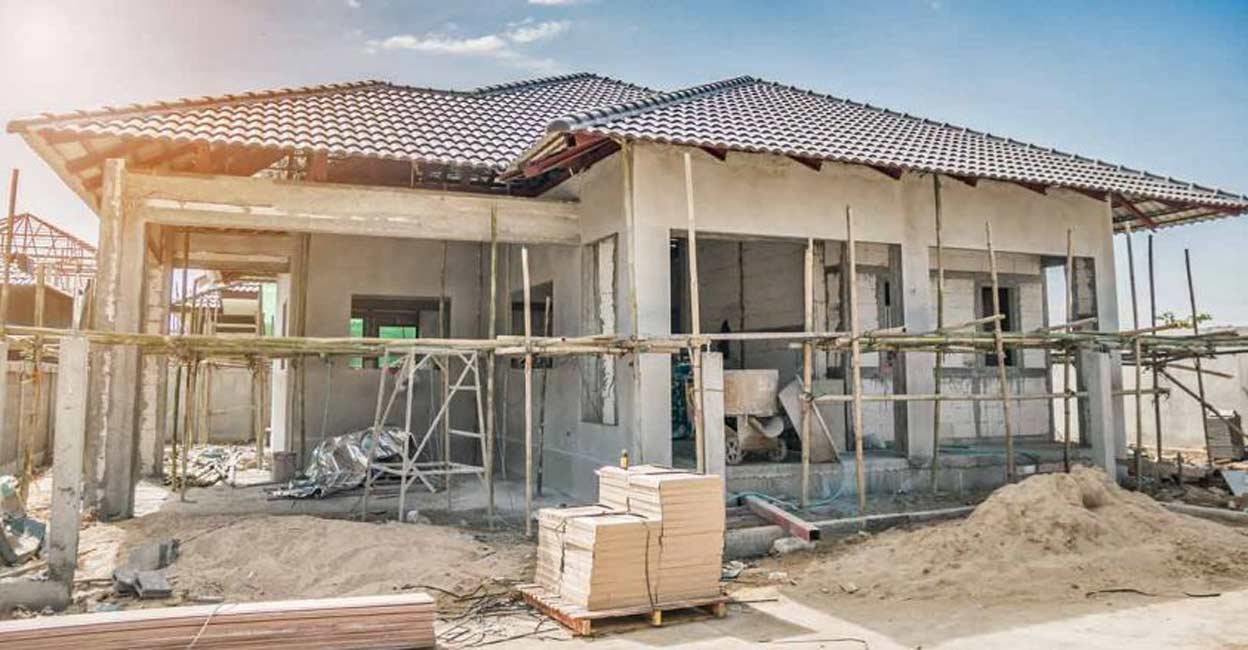
Before the first brick is laid or the foundation is poured, thorough pre-construction preparation is essential. This phase involves securing permits, conducting site surveys, and finalizing architectural plans. It’s also a crucial time to establish a budget, select a reputable contractor, and secure financing if necessary. Clear communication between all stakeholders is paramount to ensure everyone is aligned on project goals and expectations.

House Construction 1

Site Clearing and Excavation

With plans in hand and permits obtained, the construction process kicks off with site clearing and excavation. This involves removing any existing structures, trees, or debris from the construction site to make way for the new building. Excavation follows, where the ground is leveled and prepared to accommodate the foundation. Proper grading and drainage are critical during this phase to prevent water damage and ensure structural integrity.

Foundation Construction

The foundation serves as the backbone of the house, providing stability and support for the entire structure. Common types of foundations include slab-on-grade, crawl space, and basement. The choice of foundation depends on factors such as soil composition, climate, and local building codes. Once the foundation is laid and cured, it’s inspected to ensure it meets safety standards before proceeding to the next phase.

Framing

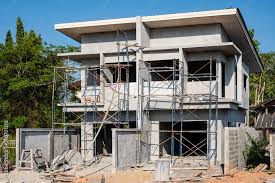
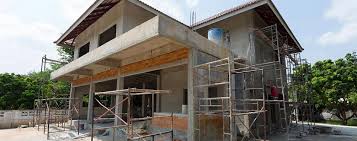
Framing marks the transition from groundwork to vertical construction, as the skeletal framework of the house begins to take shape. This phase involves erecting walls, installing floor joists, and constructing the roof structure. Builders typically use wood or steel framing materials, carefully following architectural plans and engineering specifications. Framing not only defines the layout of the house but also provides support for interior and exterior finishes.

Plumbing, Electrical, and HVAC Installation

With the framework in place, attention turns to the installation of essential utility systems. Plumbers install pipes for water supply and drainage, while electricians wire the house for electricity and install outlets, switches, and lighting fixtures. HVAC (heating, ventilation, and air conditioning) technicians set up ductwork and equipment to regulate indoor climate control. Coordinating these trades is crucial to ensure proper integration and avoid conflicts during later stages of construction.

Insulation and Drywall

Insulation plays a vital role in maintaining energy efficiency and comfort within the home. Once the plumbing, electrical, and HVAC systems are in place, insulation is installed within the walls, ceilings, and floors to regulate temperature and reduce noise transmission. Drywall installation follows, covering the insulation and creating smooth, uniform surfaces for interior finishes. Skilled drywallers meticulously hang and tape drywall sheets before applying joint compound and sanding to achieve a seamless finish.

House Construction 2

Interior Finishes

With the structural elements in place, attention turns to the interior finishes that will transform the house into a home. This phase includes installing flooring, cabinetry, countertops, and trim work. Painters apply coats of paint or stain to walls, ceilings, and woodwork, adding personality and style to each room. Interior designers may assist with material selections, color palettes, and furniture arrangements to create cohesive and inviting living spaces.

Exterior Finishes

While the interior takes shape, exterior finishes are applied to protect the house from the elements and enhance its curb appeal. Siding, brick, stucco, or stone veneer are installed to clad the exterior walls, providing both aesthetic appeal and weather resistance. Roofing materials such as asphalt shingles, metal panels, or clay tiles are chosen for durability and longevity. Landscaping and outdoor amenities, such as driveways, walkways, and patios, are also addressed during this phase to create an inviting outdoor environment.

Final Inspections and Quality Assurance

As construction nears completion, thorough inspections are conducted to ensure compliance with building codes and quality standards. Inspectors examine every aspect of the house, from structural integrity to electrical and plumbing systems, to identify any deficiencies or safety hazards. Corrections are made as necessary, and final approvals are obtained before the house is deemed ready for occupancy.

Move-In and Enjoyment

After months of planning and construction, the moment arrives to turn the key and step into your new home. Moving day marks the culmination of the house construction process, as you settle into your surroundings and begin creating memories in your personalized space. Whether it’s hosting gatherings with family and friends, relaxing in the comfort of your own sanctuary, or simply enjoying the satisfaction of achieving your dream, the journey of house construction ultimately leads to the joy of homeownership.

Conclusion

Building a house is a complex and rewarding endeavor that requires careful coordination, attention to detail, and a commitment to excellence. By following these steps and working closely with experienced professionals, you can navigate the challenges of house construction with confidence and achieve the home of your dreams. From laying the foundation to adding the finishing touches, each stage of the process contributes to the realization of your vision and the creation of a place you’ll proudly call home for years to come.

Skybound Creativity: Modern Roof Design Trends

0

In the realm of architecture, the roof is not merely a protective covering; it’s a canvas for creativity, a statement of style, and a reflection of technological advancements. Modern roof design trends have evolved significantly, blending functionality with aesthetics to create breathtaking structures that redefine the skyline. From eco-friendly designs to futuristic concepts, the possibilities seem limitless. Let’s explore some of the most intriguing trends shaping the contemporary architecture scene. Discover the latest Modern Roof Design Trends, including innovative roofing materials, to enhance your home’s aesthetic and durability.

Contents

Sustainable Roofing Solutions

With the increasing focus on sustainability, architects are embracing eco-friendly roofing materials and designs. Green roofs, adorned with vegetation, not only provide insulation but also absorb rainwater, reduce urban heat island effect, and enhance biodiversity. Solar panels integrated into roofs are another sustainable solution, harnessing clean energy while seamlessly blending into the architectural aesthetics.

Roof Design 7

Rooftop Gardens and Terraces

Rooftop gardens and terraces are transforming urban landscapes, offering serene retreats amidst the concrete jungle. These green spaces not only provide recreational areas for building occupants but also contribute to air purification and stormwater management. Incorporating lush vegetation and seating areas, rooftop gardens serve as communal hubs, fostering social interaction and well-being.

Futuristic Roof Designs

Inspired by science fiction and cutting-edge technology, futuristic roof designs push the boundaries of imagination. From undulating forms resembling waves to geometric structures reminiscent of origami, these avant-garde roofs challenge traditional notions of architectural aesthetics. Materials like carbon fiber and ETFE (ethylene tetrafluoroethylene) enable architects to create lightweight, translucent roofs that evoke a sense of wonder.

Adaptive Roofing Systems

In response to climate change and dynamic environmental conditions, architects are designing adaptive roofing systems that can adjust to varying weather patterns. This includes retractable roofs that can open or close based on temperature, humidity, or sunlight levels. Such flexibility not only enhances comfort for building occupants but also optimizes energy efficiency by maximizing natural light and ventilation.

Smart Roofing Technology

In the era of smart buildings, roofs are becoming intelligent components equipped with sensors, actuators, and automated controls. Smart roofing technology monitors environmental parameters, detects leaks or damage, and adjusts insulation levels for optimal energy performance. Moreover, integrated IoT (Internet of Things) systems enable remote monitoring and management, enhancing maintenance efficiency and longevity of roofing systems.

Cultural Influences in Roof Design

Roof design often reflects cultural heritage, traditions, and local aesthetics. Architects are incorporating elements inspired by indigenous architecture, historical landmarks, and regional symbolism into modern roof designs. Whether it’s the sweeping curves of Arabian domes or the intricate patterns of Chinese pavilions, these cultural influences add depth and richness to contemporary architectural expressions.

Modular and Prefabricated Roofing Solutions

In pursuit of cost-efficiency and rapid construction, modular and prefabricated roofing solutions are gaining popularity. Prefabricated roof panels, manufactured off-site and assembled on-location, streamline the building process while ensuring quality control. Modular roof systems offer versatility and customization options, allowing architects to create unique designs tailored to specific project requirements.

Adaptive Reuse of Roof Spaces

As urban space becomes increasingly scarce, architects are reimagining existing rooftops for new purposes. Adaptive reuse projects transform obsolete structures like warehouses, factories, and parking garages into vibrant hubs for living, working, and leisure. Rooftop extensions, mezzanines, and penthouses breathe new life into neglected spaces, revitalizing urban landscapes while preserving architectural heritage.

Conclusion

In the realm of modern architecture, the sky is the limit when it comes to roof design innovation. From sustainable solutions to futuristic concepts, each trend represents a unique fusion of creativity, functionality, and environmental consciousness. As architects continue to push the boundaries of possibility, we can expect to see even more awe-inspiring rooftops that redefine the urban skyline and inspire generations to come. So, next time you gaze up at the cityscape, take a moment to appreciate the skybound creativity that shapes our built environment.

From Beginner to Pro: Pilates Machine Workouts Made Simple

0

Pilates, a form of exercise that focuses on strengthening the body, improving flexibility, and enhancing overall well-being, has gained immense popularity in recent years. While mat Pilates is widely known and practiced, Pilates machine workouts offer a unique and effective way to engage in this fitness regimen. Whether you’re a beginner or a seasoned practitioner, Pilates machine workouts can be tailored to suit your needs and goals. In this guide, we’ll explore how you can progress from a beginner to a pro in Pilates machine workouts, making the journey simple and rewarding.

Contents

Understanding Pilates Machines

Pilates machines, also known as apparatus, come in various forms, with the most common ones being the Reformer, Cadillac, and Chair. These machines use springs, pulleys, and straps to provide resistance and support, allowing for a wide range of exercises to be performed. Each machine offers unique benefits and challenges, catering to different fitness levels and goals. The Wall Pilates machine offers a unique and innovative approach to traditional Pilates workouts, allowing practitioners to utilize vertical space for added resistance and stability training.

Pilates Machine 2

Getting Started: Beginner’s Guide

If you’re new to Pilates machine workouts, it’s essential to start with the basics and focus on proper form and technique. Here are some key tips to get you started:

Seek Professional Guidance

Before attempting Pilates machine workouts on your own, consider taking introductory classes or private sessions with a certified Pilates instructor. They can teach you the fundamentals, help you understand how to use the machines safely, and provide personalized guidance based on your fitness level and goals.

Start Slowly

As a beginner, it’s important not to overwhelm yourself with complex exercises. Begin with simple movements that focus on building core strength, such as pelvic curls, leg circles, and chest lifts. Focus on maintaining proper alignment and engaging the core muscles throughout each movement.

Pay Attention to Breathing

Breathing is a fundamental aspect of Pilates, helping to oxygenate the muscles and facilitate movement. Practice coordinating your breath with each exercise, inhaling to prepare and exhaling to engage the core and initiate movement. Conscious breathing will enhance your mind-body connection and improve the effectiveness of your workouts.

Use Light Resistance

Start with lighter resistance settings on the Pilates machines to allow your muscles to adapt and prevent strain or injury. As you become more comfortable with the exercises, gradually increase the resistance to challenge your strength and endurance.

Focus on Alignment and Stability

Maintaining proper alignment and stability is crucial in Pilates to prevent injury and maximize the benefits of each exercise. Pay attention to your posture, keep your shoulders relaxed, and engage your core muscles to support your spine throughout the workout.

Pilates Machine 9 png

Progressing to Intermediate and Advanced Levels

Once you’ve mastered the basics of Pilates machine workouts, you can gradually progress to more challenging exercises and routines. Here are some tips to help you advance to intermediate and advanced levels:

Experiment with Different Machines

Explore the various Pilates machines available at your studio or gym to add variety to your workouts and target different muscle groups. Incorporate exercises on the Reformer, Cadillac, Chair, and other apparatus to keep your routine dynamic and engaging.

Increase Resistance and Intensity

As your strength and endurance improve, progressively increase the resistance on the Pilates machines to continue challenging your muscles. Experiment with heavier springs, longer repetitions, and advanced variations of familiar exercises to push your limits and achieve greater results.

Focus on Precision and Control

As you advance in your Pilates practice, emphasize precision and control in your movements. Pay attention to the finer details of each exercise, such as alignment, tempo, and range of motion, to enhance muscle engagement and effectiveness.

Incorporate Props and Accessories

To add variety and complexity to your workouts, incorporate props and accessories such as resistance bands, stability balls, and foam rollers. These tools can intensify exercises, improve balance and coordination, and target specific muscle groups for a well-rounded workout experience.

Listen to Your Body

Above all, listen to your body and honor its needs throughout your Pilates practice. Pay attention to any signs of discomfort or fatigue, and modify or rest as needed to prevent injury and maintain optimal performance. Remember that progress takes time, patience, and consistency, so be gentle with yourself as you continue to grow and evolve in your Pilates journey.

Conclusion

Pilates machine workouts offer a comprehensive and customizable approach to fitness, suitable for individuals of all levels and abilities. By starting with the basics, mastering proper technique, and gradually progressing to more advanced exercises, you can transform from a beginner to a pro in Pilates machine workouts with confidence and ease. Remember to stay patient, stay consistent, and enjoy the journey as you reap the countless benefits of this empowering form of exercise.

The Fusion of Art and Technology: AI Interior Design

Discover the cutting-edge fusion of art and technology in AI Interior Design with AI-driven solutions. Explore innovative trends and personalized spaces. In the realm of interior design, where creativity meets functionality, a new player has emerged – artificial intelligence (AI). The marriage of art and technology has given rise to a fascinating trend: AI-driven interior design. Gone are the days when interior design relied solely on the intuition and expertise of human designers. Today, AI algorithms are revolutionizing the industry by offering innovative solutions, enhancing efficiency, and pushing the boundaries of creativity.

Contents

The Role of AI Interior Design

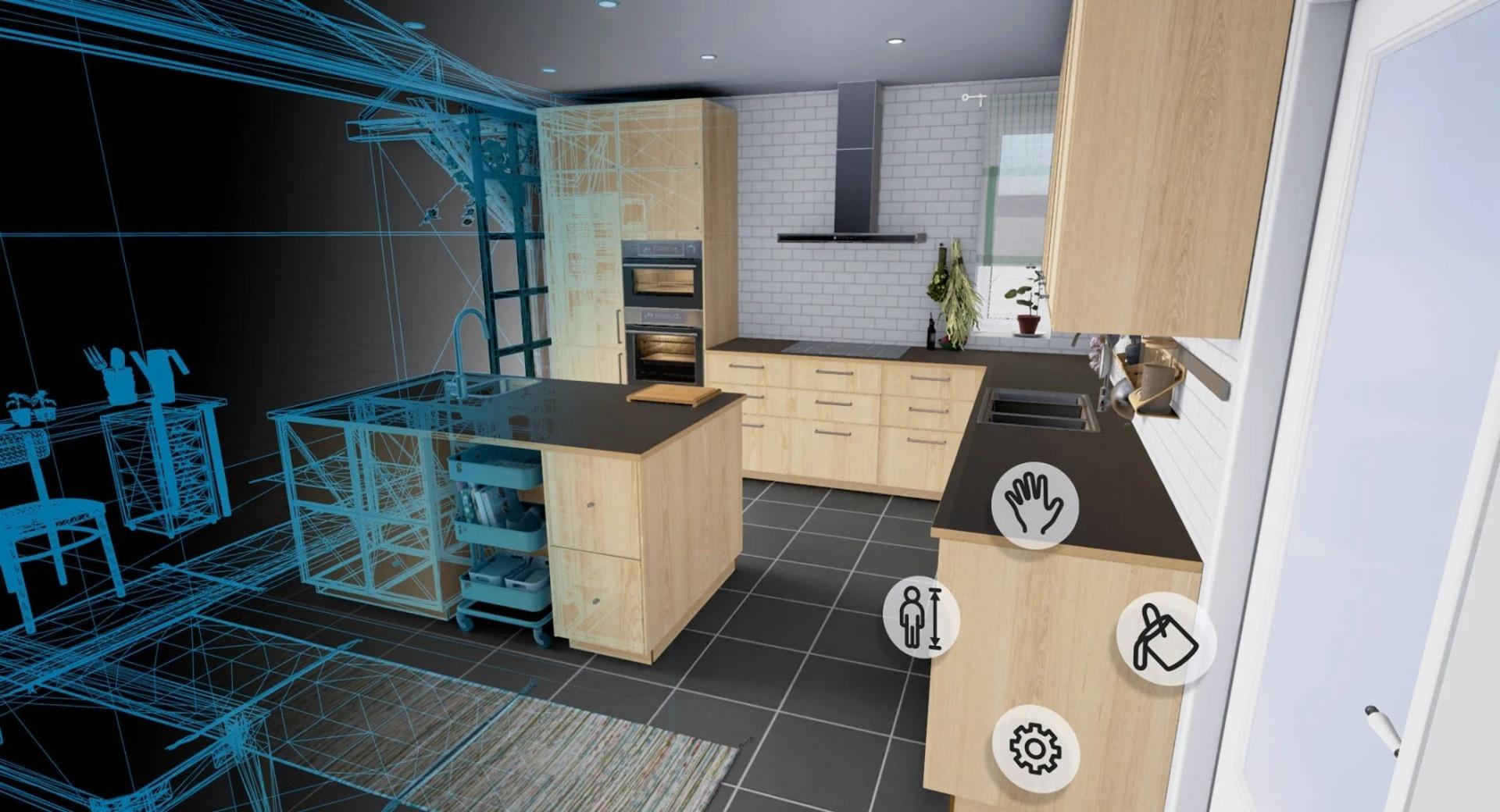
Artificial intelligence has found its way into various aspects of interior design, from conceptualization to execution. One of the key areas where AI shines is in space planning. By analyzing spatial data and user preferences, AI algorithms can generate optimized floor plans that maximize both functionality and aesthetics. These floor plans take into account factors such as natural light, traffic flow, and furniture placement, resulting in spaces that are not only visually appealing but also highly efficient. AI Interior Design explores the latest Interior Design Trends influenced by innovative AI-driven solutions.

Moreover, AI-powered software can assist designers in creating mood boards, selecting color palettes, and sourcing materials. By analyzing vast databases of design trends, AI can provide valuable insights into what combinations work best for a given space and style. This not only streamlines the design process but also opens up a world of possibilities for experimentation and innovation.

AI Interior Design 2

Enhancing Creativity Through Collaboration

Contrary to popular belief, AI interior design is not about replacing human designers but rather empowering them. By handling repetitive tasks and offering data-driven recommendations, AI frees up designers to focus on what they do best – creativity. In fact, many designers view AI as a collaborative tool rather than a competitor.

For example, some AI platforms employ generative design techniques, where designers input parameters such as room dimensions and style preferences, and the AI generates numerous design options based on these inputs. Designers can then cherry-pick elements from these options to create truly unique and personalized spaces. This collaborative approach allows designers to leverage the computational power of AI while retaining their artistic vision and intuition.

Personalized Design Solutions

One of the most exciting aspects of AI in interior design is its ability to personalize spaces according to individual preferences and needs. Through machine learning algorithms, AI platforms can analyze vast amounts of data, including user behavior, demographics, and cultural trends, to create tailored design solutions.

For instance, an AI-powered interior design platform might take into account factors such as the client’s lifestyle, personality, and even biometric data to recommend furniture layouts, lighting schemes, and decor choices that resonate with them on a personal level. This level of customization goes beyond mere aesthetics; it creates spaces that are truly reflective of the occupants’ identities and aspirations.

Challenges and Ethical Considerations

Despite its potential benefits, the integration of AI into interior design is not without challenges. One of the primary concerns is the ethical implications of relying too heavily on AI algorithms. Design is inherently subjective, and there is a risk that AI-driven designs may lack the human touch and emotional resonance that comes from genuine human creativity.

Moreover, there are concerns about privacy and data security, especially when it comes to collecting and analyzing personal information to inform design decisions. Designers and AI developers must tread carefully to ensure that user data is handled responsibly and transparently, with appropriate safeguards in place to protect individuals’ privacy rights.

Looking Ahead: The Future of AI in Interior Design

Despite these challenges, the fusion of art and technology in interior design holds immense promise for the future. As AI algorithms become more sophisticated and designers become more adept at harnessing their power, we can expect to see even more innovative and personalized design solutions emerge.

Furthermore, AI has the potential to democratize interior design by making it more accessible and affordable to a wider audience. By automating tedious tasks and offering design assistance at a fraction of the cost of traditional services, AI-driven platforms can empower homeowners and small businesses to create beautiful and functional spaces without breaking the bank.

Conclusion

The fusion of art and technology in interior design represents a paradigm shift in how we conceptualize and create spaces. By harnessing the power of AI, designers can unlock new levels of creativity, efficiency, and personalization, ushering in a new era of design innovation. As AI continues to evolve, it will undoubtedly play an increasingly integral role in shaping the way we live, work, and interact with our built environments.

Affordability and Effectiveness: Unveiling NJ Diet Costs

0

Discover the balance between affordability and effectiveness with NJ Diet costs. Unveil personalized plans and support for sustainable weight loss. In the realm of health and wellness, embarking on a weight loss journey often involves a balance between affordability and effectiveness. With numerous options available, it’s crucial to assess not only the potential results but also the financial investment required. NJ Diet, a popular weight loss program, has garnered attention for its promise of personalized plans tailored to individual needs. However, understanding the costs associated with this program is essential for making an informed decision. Let’s delve into the affordability and effectiveness of NJ Diet, shedding light on its pricing structure and the value it offers.

Contents

Understanding NJ Diet

NJ Diet sets itself apart by employing a comprehensive approach to weight loss, focusing on personalized plans based on genetic testing. The program begins with a bioenergetic scan, analyzing factors such as metabolism, hormone function, and body composition to craft a customized plan. By understanding the unique genetic makeup of each client, NJ Diet aims to optimize weight loss results while maintaining overall health. In unveiling NJ Diet costs, it’s crucial to understand the value proposition beyond mere numbers, considering factors like personalized plans and support, which can outweigh the importance of broccoli calories alone.

NJ Diet Costs 2

The NJ Diet Costs Breakdown

When considering NJ Diet, it’s essential to examine the various costs involved. The initial consultation typically ranges from $99 to $149, which includes the bioenergetic scan and a thorough assessment by a healthcare professional. Following this consultation, clients receive a personalized diet plan, supplements, and ongoing support throughout their journey.

The program’s total cost varies depending on factors such as the duration of the plan and any additional services opted for. Generally, clients can expect to pay anywhere from $1,500 to $3,000 for a multi-week plan. While this may seem steep upfront, it’s essential to consider the value proposition offered by NJ Diet.

Assessing Affordability

The affordability of NJ Diet hinges on several factors, including the individual’s budget and their willingness to invest in their health. While the initial cost may appear significant, it’s crucial to weigh it against the potential long-term benefits. By addressing underlying metabolic issues and providing personalized guidance, NJ Diet aims to foster sustainable weight loss and overall wellness.

Moreover, when compared to alternative weight loss programs or medical interventions, NJ Diet may offer a cost-effective solution in the long run. By targeting the root causes of weight gain and tailoring the approach to each client, the program seeks to minimize the need for ongoing treatments or interventions, potentially saving both time and money in the future.

Effectiveness and Results

Beyond affordability, the effectiveness of NJ Diet is a key consideration for prospective clients. The program boasts an impressive track record of success, with many individuals reporting significant weight loss and improvements in overall health. By leveraging genetic insights and personalized plans, NJ Diet aims to deliver results that are both sustainable and transformative.

Additionally, the program’s emphasis on ongoing support and monitoring helps ensure accountability and motivation throughout the weight loss journey. Clients receive guidance from experienced healthcare professionals, empowering them to make informed choices and stay on track towards their goals.

Conclusion

In the realm of weight loss, striking a balance between affordability and effectiveness is paramount. NJ Diet offers a compelling approach, blending personalized plans with scientific insights to deliver results that are both impactful and sustainable. While the initial costs may deter some, the potential long-term benefits and value provided by the program warrant consideration.

Ultimately, choosing NJ Diet costs involves an investment in one’s health and well-being. By carefully weighing the costs and benefits, individuals can make an informed decision that aligns with their goals and aspirations. Whether seeking to shed excess pounds or improve overall health, NJ Diet stands as a promising option for those ready to embark on a transformative journey towards a healthier lifestyle.

How old was will ferrell in elf When He Played Buddy in Elf?

0

Contents

Introduction

Curious about how old was Will Ferrell in Elf when he played Buddy? Dive into the heartwarming tale of Elf and discover his ageless charm! 🎄✨ In the realm of Christmas classics, “Elf” stands as a beloved favorite, enchanting audiences with its heartwarming story and quirky characters. At the center of this modern holiday gem is Will Ferrell’s iconic portrayal of Buddy the Elf, a role that showcased his comedic genius and endearing charm. However, amidst the whimsy and cheer of the film, one question often arises: How old was Will Ferrell when he donned the iconic green tights and brought Buddy to life?

The Origins of Elf

Before delving into Ferrell’s age during the filming of “Elf,” it’s essential to understand the origins of the movie. Directed by Jon Favreau and released in 2003, “Elf” follows the journey of Buddy, a human raised by elves at the North Pole, as he embarks on a quest to find his biological father in New York City. The film’s blend of humor, fantasy, and heartfelt moments struck a chord with audiences, quickly solidifying its place as a holiday classic.

how old was will ferrell in elf 2

Will Ferrell

The Man Behind Buddy: Will Ferrell, known for his impeccable comedic timing and boundless energy, was already an established name in the entertainment industry when he took on the role of Buddy the Elf. Born on July 16, 1967, in Irvine, California, Ferrell honed his comedic skills through years of improvisational comedy with The Groundlings and his tenure as a cast member on “Saturday Night Live” (SNL).

Filming Elf A Labor of Love

When “Elf” began filming in 2002, Will Ferrell was 36 years old, just a few months shy of his 37th birthday. Despite being well into his thirties, Ferrell fully embraced the childlike innocence and exuberance of Buddy, infusing the character with his trademark humor and charm. From his elfin antics to his wide-eyed wonder at experiencing the human world, Ferrell’s portrayal captured the essence of Buddy in a way that endeared him to audiences of all ages.

Embracing the Spirit of Christmas

One of the remarkable aspects of Ferrell’s performance as Buddy is his ability to embody the spirit of Christmas with genuine sincerity. Whether he’s spreading holiday cheer with his infectious enthusiasm or teaching valuable lessons about love and acceptance, Ferrell’s portrayal resonates with viewers on a profound level. Despite his age, Ferrell’s portrayal of Buddy transcends boundaries, reminding us all of the magic and joy of the holiday season.

The Legacy of Elf

Nearly two decades after its release, “Elf” continues to captivate audiences and inspire holiday traditions around the world. Will Ferrell’s portrayal of Buddy has become iconic, earning a place alongside other timeless holiday characters. From Buddy’s iconic catchphrases to his heartwarming journey of self-discovery, Ferrell’s performance has left an indelible mark on pop culture.

Beyond Elf

Will Ferrell’s Enduring CareerWhile “Elf” remains a standout moment in Will Ferrell’s career, it represents just one chapter in his enduring legacy as a comedic powerhouse. Following his success in film and television, Ferrell has continued to entertain audiences with memorable performances in movies such as “Anchorman: The Legend of Ron Burgundy,” “Talladega Nights: The Ballad of Ricky Bobby,” and “Step Brothers.” His versatility as an actor and his willingness to take on a wide range of roles have cemented his status as one of Hollywood’s most beloved talents.

Conclusion

In the end, the question of how old Will Ferrell was when he played Buddy in “Elf” serves as a testament to the timeless nature of his performance. Despite being in his late thirties during filming, Ferrell’s portrayal of the lovable elf captured the hearts of audiences young and old, embodying the magic and wonder of the holiday season. As we revisit “Elf” each year, we’re reminded of the joy of believing in the impossible and the enduring power of laughter to unite us all. So, regardless of age, let’s raise a cup of eggnog to Will Ferrell, the ageless wonder who brought Buddy the Elf to life with unrivaled warmth and charm.

What Makes Sustainable Aviation Fuel a Game-Changer for Aviation?

In an era where environmental consciousness is at an all-time high, industries across the globe are seeking sustainable alternatives to reduce their carbon footprint. Among these, the aviation industry has long been scrutinized for its significant contribution to greenhouse gas emissions. However, amidst these challenges, a beacon of hope emerges in the form of Sustainable Aviation Fuel (SAF). This innovative fuel source holds immense promise for revolutionizing the aviation industry and ushering in a new era of environmentally responsible air travel.

Monitoring wheel speed is crucial in ensuring optimal performance and efficiency when using Sustainable Aviation Fuel in aircraft. But what exactly makes Sustainable Aviation Fuel a game-changer for aviation? Let’s delve deeper into the reasons behind its significance.

Contents

Sustainable Aviation Fuel: Addressing Environmental Concerns

One of the most compelling aspects of Sustainable Aviation Fuel is its potential to significantly reduce greenhouse gas emissions compared to conventional jet fuel. Unlike traditional fossil fuels, SAF is derived from sustainable sources such as biomass, waste oils, and renewable energy feedstocks. As a result, it offers a much lower carbon footprint, making it a vital tool in combating climate change.

Sustainable Aviation Fuel

Complementing Existing Infrastructure

One of the key advantages of SAF is its compatibility with existing aircraft and infrastructure. Unlike other alternative fuels that may require costly modifications or specialized equipment, Sustainable Aviation Fuel can be seamlessly integrated into the current aviation infrastructure. This means that airlines can transition to SAF without significant disruptions to their operations, making it a practical and viable solution for reducing emissions in the short term.

Driving Innovation and Investment

The development and adoption of Sustainable Aviation Fuel have sparked a wave of innovation and investment within the aviation industry. As demand for sustainable alternatives continues to grow, companies are investing in research and development to improve the production efficiency and scalability of SAF. This not only drives technological advancements but also creates new economic opportunities and jobs in the renewable energy sector.

Regulatory Support and Incentives

Governments and regulatory bodies around the world are increasingly recognizing the importance of Sustainable Aviation Fuel in reducing aviation emissions. As a result, they are implementing policies and incentives to encourage its production and adoption. From tax credits to renewable energy mandates, these initiatives provide a supportive framework for the development of SAF and help drive its widespread adoption across the industry.

Enhancing Corporate Social Responsibility

In addition to its environmental benefits, the use of Sustainable Aviation Fuel also enhances the corporate social responsibility (CSR) efforts of airlines and aviation companies. By investing in sustainable practices, companies can demonstrate their commitment to reducing their environmental impact and mitigating climate change. This not only improves their public image but also attracts environmentally conscious consumers who prioritize sustainability in their purchasing decisions.

Paving the Way for a Greener Future

Ultimately, Sustainable Aviation Fuel represents more than just a fuel source – it symbolizes a shift towards a greener and more sustainable future for aviation. By reducing emissions and mitigating the environmental impact of air travel, SAF has the potential to reshape the industry and pave the way for a more sustainable aviation ecosystem. As technology continues to advance and awareness of environmental issues grows, the widespread adoption of SAF holds the promise of a cleaner, greener, and more environmentally friendly aviation industry.

Conclusion

Sustainable Aviation Fuel is poised to become a game-changer for aviation by addressing environmental concerns, complementing existing infrastructure, driving innovation and investment, receiving regulatory support and incentives, enhancing corporate social responsibility, and paving the way for a greener future. As the industry continues to embrace sustainable alternatives, SAF stands out as a beacon of hope for reducing emissions and mitigating the environmental impact of air travel. With concerted efforts from all stakeholders, the widespread adoption of Sustainable Aviation Fuel has the potential to revolutionize the way we fly and usher in a new era of sustainable aviation.