

Tuesday, March 17, 2026
Home Blog Page 20

Mastering TikTok Ads: A Complete Guide for Beginners

In the ever-evolving landscape of digital marketing, TikTok has emerged as a powerhouse platform, especially for reaching younger demographics. With its engaging short-form videos and rapidly growing user base, TikTok presents a golden opportunity for businesses to showcase their products or services through ads. However, diving into TikTok advertising can be daunting for beginners. Fear not! In this comprehensive guide, we’ll walk you through everything you need to know to master TikTok ads and unleash their potential for your brand.

Contents

Understanding TikTok’s Audience

Before delving into advertising on TikTok, it’s crucial to understand the platform’s audience. TikTok primarily attracts Gen Z and millennials, with a significant portion of users aged between 16 to 24 years old. These users crave authenticity, creativity, and entertainment, making TikTok a fertile ground for brands with engaging content.

TikTok’s appeal lies in its short-form videos, viral trends, and robust algorithm, which have captivated a broad audience, especially among younger demographics. Its swift expansion and enduring popularity indicate that TikTok is poised to maintain its influential status as a cultural phenomenon for the foreseeable future. By leveraging TikTok Ads, businesses can engage their target audience effectively, fostering collaboration and productivity within their high-performing team.

TikTok Ads

Are advertisements featured on TikTok?

Certainly! TikTok does indeed feature advertisements. As one of the leading social media platforms globally, TikTok offers various advertising options for businesses looking to promote their products or services to its vast user base. These advertisements can take different forms, including in-feed ads, branded hashtag challenges, branded effects, and top-view ads. With its engaging and diverse content ecosystem, TikTok provides an excellent opportunity for brands to connect with their target audience through creative and compelling ad campaigns.

Types of TikTok Ads

TikTok offers various ad formats to suit different marketing objectives. These include

In-Feed Ads

These ads appear in users’ For You feed and blend seamlessly with organic content. They typically consist of short videos and can include clickable elements like buttons or links.

TopView Ads

These ads are displayed as soon as users open the app and occupy the entire screen for a few seconds. They are highly effective for creating brand awareness and capturing users’ attention.

Branded Hashtag Challenges

Brands can create sponsored hashtag challenges to encourage user-generated content and engagement. These challenges often go viral, increasing brand visibility and driving user participation.

Branded Effects

Brands can develop custom AR effects or stickers that users can incorporate into their videos. These effects help brands enhance their presence on the platform and foster user interaction.

Setting Up Your TikTok Ad Campaign

Now that you’re familiar with the types of TikTok Ads let’s delve into the process of setting up your ad campaign:

  • Create a TikTok Ads Account: Start by creating an account on the TikTok Ads Manager platform.
  • Define Your Campaign Objective: Determine whether your goal is to increase brand awareness, drive traffic to your website, or boost app installations.
  • Target Your Audience: Utilize TikTok’s advanced targeting options to reach users based on demographics, interests, and behaviors.
  • Set Your Budget and Schedule: Decide how much you’re willing to spend on your ad campaign and set a daily or lifetime budget accordingly. You can also specify the duration of your campaign.
  • Design Your Ad Creative: Develop attention-grabbing videos or images that align with your brand identity and resonate with your target audience.
  • Monitor and Optimize: Keep a close eye on your campaign’s performance metrics, such as click-through rates and engagement levels. Use this data to refine your targeting and creative strategies for better results.

Best Practices for TikTok Advertising Success

To maximize the effectiveness of your TikTok ad campaigns, consider implementing the following best practices:

  • Keep it Authentic: TikTok users value authenticity, so avoid overly polished or salesy content. Instead, focus on creating genuine, relatable ads that resonate with your audience.
  • Embrace Creativity: TikTok is all about creativity and self-expression. Don’t be afraid to think outside the box and experiment with unique concepts and formats to capture users’ attention.
  • Leverage Trends: Stay up-to-date with the latest TikTok trends and memes, and incorporate them into your ads when appropriate. This demonstrates your brand’s relevance and helps you connect with users on a deeper level.
  • Engage with Your Audience: Respond to comments, messages, and user-generated content related to your ads to foster a sense of community and build trust with your audience.

Conclusion

Mastering TikTok Ads may seem daunting at first, but with the right approach and strategies, you can harness the platform’s immense potential to grow your brand and drive meaningful results. By understanding your audience, choosing the right ad formats, and following best practices, you’ll be well on your way to success in the world of TikTok advertising. So, go ahead, unleash your creativity, and embark on your TikTok advertising journey today!


Keeping Carpets Fresh: Essential Maintenance Tips

0

Contents

Introduction:

Carpets are a significant investment in any home, adding warmth, comfort, and style to living spaces. However, to maintain their allure and longevity, regular upkeep is essential. From preventing stains to preserving the texture, proper maintenance can keep carpets looking fresh and vibrant for years to come. In this blog, we’ll explore essential tips to help you maintain your carpets and ensure they remain a delightful feature of your home.

Vacuum Regularly:

One of the simplest yet most effective ways to keep carpets fresh is regular vacuuming. Dirt, dust, and debris accumulate over time, embedding deep within carpet fibers and causing them to look dull and worn. Aim to vacuum high-traffic areas at least twice a week and less frequently used areas once a week. Use a vacuum cleaner with a HEPA filter to trap allergens and ensure thorough cleaning.

Carpets 2

Address Spills Immediately:

Spills are inevitable, but prompt action can prevent them from becoming stubborn stains. Whether it’s a glass of wine, a cup of coffee, or a pet accident, blot the spill immediately with a clean cloth or paper towel. Avoid rubbing, as this can spread the spill and push it deeper into the carpet fibers. After blotting, use a mild detergent solution and water to gently clean the affected area, followed by blotting with a dry cloth.

Use Area Rugs and Mats:

In understanding the role of carpets in interior design, it’s imperative to use area rugs and mats strategically to enhance both the aesthetics and functionality of a space. Placing area rugs and mats strategically can help protect high-traffic areas and prevent excessive wear on your carpets. Entry mats outside doors can trap dirt and moisture from shoes before they reach your carpets. Additionally, using area rugs in living rooms and dining areas adds an extra layer of protection while enhancing the aesthetic appeal of your space.

Rotate Furniture:

Furniture legs can leave indentations on carpets over time, especially if they remain in the same position for extended periods. To prevent this, periodically rotate your furniture to redistribute the weight and prevent permanent marks on the carpet. You can also place furniture coasters or pads under heavy items to minimize pressure on the carpet fibers.

Schedule Professional Cleaning:

While regular vacuuming and spot cleaning are essential, professional carpet cleaning is necessary to remove deeply embedded dirt and rejuvenate the fibers. Aim to schedule a professional cleaning at least once a year, or more frequently if you have pets or allergies. Professional cleaners use specialized equipment and techniques to lift dirt and stains, leaving your carpets fresh, clean, and revitalized.

Invest in a Carpets Protector:

Applying a carpet protector after cleaning can prolong the life of your carpets by repelling stains and preventing soil from adhering to the fibers. Carpet protectors create a barrier that makes it easier to clean spills and reduces the risk of permanent staining. Consult with your carpet manufacturer or professional cleaner to choose the right carpet protector for your specific carpet type.

Maintain Indoor Air Quality:

Indoor air quality plays a significant role in the cleanliness and freshness of your carpets. Dust, pet dander, and other airborne particles settle on carpets, contributing to odors and allergens. To maintain healthy indoor air quality, regularly change HVAC filters, use air purifiers, and keep windows open for ventilation. This helps reduce the amount of airborne pollutants that settle on your carpets, keeping them fresher for longer.

Conclusion:

By following these essential maintenance tips, you can keep your carpets looking fresh, clean, and inviting for years to come. From regular vacuuming and prompt spill cleanup to professional cleaning and indoor air quality management, investing time and effort in carpet maintenance pays off in the long run. With proper care, your carpets will continue to enhance the beauty and comfort of your home, providing a welcoming environment for you and your family.

The Ultimate Carpet Cleaning Checklist

0

Contents

Introduction

Keeping your carpets clean not only enhances the appearance of your home but also promotes a healthier environment for you and your family. However, with the myriad of cleaning methods and products available, it can be overwhelming to know where to start. Fear not! In this comprehensive guide, we’ll walk you through the ultimate carpet cleaning checklist, covering everything you need to know to achieve spotless floors.

Preparing for Cleaning

Before diving into the cleaning process, it’s essential to prepare your space properly. Start by removing any furniture from the carpeted area to ensure full access. Vacuum the carpet thoroughly to remove loose dirt, dust, and debris. Pay special attention to high-traffic areas and corners where dirt tends to accumulate. For optimal carpet cleaning results, incorporate these essential flooring care tips into your routine.

Carpet Cleaning 2

Choosing the Right Cleaning Method

There are various carpet cleaning methods available, including steam cleaning, dry cleaning, and shampooing. The method you choose will depend on factors such as the type of carpet, the extent of soiling, and your personal preferences. Research each method to determine which one is best suited for your needs.

Spot Treatment

Before proceeding with the main cleaning process, it’s crucial to address any stubborn stains or spots on the carpet. Use a suitable stain remover or spot treatment solution to tackle specific stains such as coffee spills, pet accidents, or grease marks. Follow the product instructions carefully and test it in an inconspicuous area first to ensure compatibility with your carpet.

Deep Cleaning

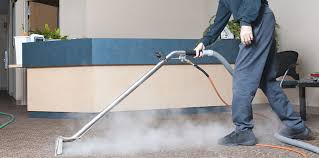
Now it’s time to deep clean your carpets using your chosen method. If you opt for steam cleaning, fill the reservoir with water and a suitable cleaning solution, then follow the manufacturer’s instructions for operating the machine. Move the steam cleaner slowly over the carpet in overlapping passes, ensuring thorough coverage.

For dry cleaning or shampooing, apply the cleaning solution to the carpet according to the product instructions, then use a carpet brush or rotary machine to agitate the solution and loosen dirt. Allow the solution to dwell for the recommended time before vacuuming or extracting it from the carpet.

Drying

After cleaning, it’s essential to allow your carpets to dry thoroughly to prevent mold and mildew growth. Open windows and doors to promote air circulation, and use fans or dehumidifiers to speed up the drying process. Avoid walking on the carpet until it is completely dry to prevent re-soiling.

Post-Cleaning Maintenance

Once your carpets are clean and dry, there are several maintenance steps you can take to keep them looking their best. Regular vacuuming is essential to remove surface dirt and prevent it from settling into the carpet fibers. Consider using carpet protectors or sealants to repel stains and prolong the life of your carpets.

Professional Carpet Cleaning

While regular maintenance can help keep your carpets clean, it’s also advisable to schedule professional cleaning at least once a year. Professional cleaners have the expertise and equipment to deep clean your carpets thoroughly, removing embedded dirt and allergens for a fresher, healthier home environment.

Conclusion

Maintaining clean carpets is essential for both the aesthetics and health of your home. By following the steps outlined in the ultimate carpet cleaning checklist, you can effectively remove dirt, stains, and allergens, ensuring your carpets look and feel fresh for years to come. Remember to prepare your space, choose the right cleaning method, address stains promptly, and allow your carpets to dry thoroughly. Incorporating regular maintenance and scheduling professional cleanings will further enhance the longevity and cleanliness of your carpets, contributing to a cleaner, healthier living environment. With this comprehensive guide, you’re empowered to tackle carpet cleaning with confidence, achieving spotless floors and a happier home.

Revitalize Your Space: Professional Carpet Cleaning Services

Contents

Introduction

Transform your space with professional carpet cleaning services. Revitalize your home or office with expert care for a fresh, clean environment. Your home is your sanctuary, and maintaining its cleanliness is crucial for a healthy and welcoming environment. Among the various aspects of home maintenance, carpet cleaning often takes a backseat despite its significant impact on indoor air quality, aesthetics, and overall comfort. Over time, carpets accumulate dirt, dust, allergens, and stains, which not only dull their appearance but also pose health risks. However, with professional carpet cleaning services, you can breathe new life into your space and enjoy numerous benefits. In this blog, we’ll explore why professional carpet cleaning is essential and how it can revitalize your home environment.

The Importance of Clean Carpets

Carpets act as filters, trapping dust, dirt, pet dander, allergens, and other pollutants that settle into their fibers over time. Regular vacuuming helps to remove surface debris, but it’s not sufficient to eliminate deeply embedded dirt and contaminants. Dirty carpets not only look unsightly but also harbor bacteria and germs, contributing to indoor air pollution and potential health issues such as allergies and respiratory problems.

Carpet Cleaning Services

Professional Carpet Cleaning Techniques

Professional carpet cleaning services utilize advanced techniques and equipment to achieve thorough cleaning and restoration of carpets. Steam cleaning, also known as hot water extraction, is one of the most effective methods employed by professionals. This process involves injecting hot water and eco-friendly cleaning solutions deep into the carpet fibers, followed by powerful extraction to remove dirt, stains, and allergens. Steam cleaning not only cleans but also sanitizes the carpet, leaving it fresh and germ-free.

Benefits of Professional Carpet Cleaning

Improved Indoor Air Quality

By eliminating dust, allergens, and pollutants trapped in the carpet fibers, professional cleaning enhances indoor air quality, making your home a healthier environment for you and your family.

Prolonged Carpet Lifespan

Regular professional cleaning helps to extend the lifespan of your carpets by removing dirt and debris that can cause premature wear and tear. By investing in professional maintenance, you can protect your carpet investment and avoid the need for costly replacements.

Enhanced Appearance

Professional cleaning restores the original beauty and vibrancy of your carpets by lifting dirt, stains, and dullness. Clean carpets create a visually appealing and inviting atmosphere, enhancing the overall aesthetics of your space.

Odor Removal

Lingering odors from pet accidents, spills, or accumulated dirt can be stubborn to eliminate with DIY methods. Professional carpet cleaning effectively removes odor-causing bacteria and leaves your carpets smelling fresh and clean.

Allergy Relief

For allergy sufferers, clean carpets are essential for minimizing exposure to allergens such as dust mites and pet dander. Professional cleaning removes these allergens, reducing allergy symptoms and improving respiratory health.

Choosing the Right Professional Carpet Cleaning Services

When selecting a professional carpet cleaning service, it’s essential to consider factors such as experience, reputation, cleaning methods, and eco-friendliness. Look for certified technicians who use industry-standard equipment and eco-friendly cleaning solutions to ensure safe and effective results. Additionally, read customer reviews and ask for referrals to ensure you’re choosing a reputable company with a track record of customer satisfaction.

Moreover, inquire about their pricing structure and whether they offer any guarantees or warranties for their work. By carefully considering these factors, you can ensure that you choose a reputable and reliable professional carpet cleaning service that will leave your carpets fresh, clean, and free of allergens and pollutants.

Conclusion

Investing in professional carpet cleaning is a wise decision that pays off in numerous ways. From improved indoor air quality and extended carpet lifespan to enhanced appearance and allergy relief, the benefits are undeniable. By entrusting your carpet cleaning needs to experienced professionals, you can revitalize your space and enjoy a clean, healthy, and welcoming home environment for years to come. So, why wait? Schedule your professional carpet cleaning service today and experience the transformation for yourself!

Unearthing Costs: Understanding Excavation Charges

1

Contents

Introduction

Excavation is a crucial step in various construction and renovation projects, ranging from building foundations to landscaping. However, the costs associated with excavation can often catch individuals and businesses off guard if not properly understood. In this blog post, we’ll delve into the intricacies of excavation charges, shedding light on the factors that influence pricing and offering insights into how you can manage these costs effectively.

Understanding Excavation Charges

Scope of Work

The first factor that significantly impacts excavation charges is the scope of work. Excavation projects vary widely in size and complexity, ranging from small residential digging tasks to large-scale commercial site preparations. Contractors assess the scope of work based on factors such as the depth and size of the excavation, the type of soil or terrain, and any specific requirements or challenges unique to the project site.

Excavation Charges 2

Site Accessibility

Site accessibility plays a vital role in determining excavation costs. If the site is easily accessible with ample space for equipment maneuverability, excavation work tends to be more straightforward and less time-consuming. Conversely, if the site is restricted or has limited access, contractors may need to employ specialized equipment or techniques, leading to increased costs.

Soil Conditions

The type and condition of the soil at the project site significantly influence excavation charges. Excavating through soft, loose soil is generally faster and requires less effort compared to digging through hard, compacted soil or rocky terrain. Contractors may need to adjust their equipment, employ additional manpower, or use specialized tools to tackle challenging soil conditions, all of which can affect pricing.

Depth and Volume

Excavation charges are often calculated based on the depth and volume of material to be removed. Deeper excavations or projects requiring the removal of large volumes of soil or debris naturally incur higher costs due to increased labor, equipment usage, and disposal expenses. Contractors typically assess the depth and volume requirements during the initial site evaluation to provide accurate cost estimates.

Equipment and Labor

The equipment and labor required for the excavation also contribute significantly to overall costs. Excavation projects may involve various types of machinery, such as excavators, bulldozers, and dump trucks, each with its associated rental or operating costs. Additionally, the number of skilled workers needed to operate the equipment and perform manual labor tasks affects pricing, with larger teams or specialized expertise commanding higher rates.

Managing Excavation Costs

Plan Ahead

Proper planning is essential for managing excavation costs effectively. Start by clearly defining the scope of work and communicating your requirements to potential contractors. Obtain multiple quotes and compare prices, ensuring that each contractor includes detailed breakdowns of expenses. When planning your landscaping project, consider how excavation charges will impact your budget and timeline.

Optimize Site Conditions

Maximize site accessibility and minimize obstacles to streamline the excavation process. Clear vegetation, debris, and any obstructions that could impede equipment movement or hinder progress. Address drainage issues and stabilize the ground as needed to create a conducive working environment for the excavation team.

Soil Analysis

Conduct a thorough soil analysis to determine the composition and condition of the soil at the project site. This information helps contractors select the appropriate equipment and excavation techniques, minimizing delays and unexpected expenses associated with encountering challenging soil conditions.

Consider Alternatives

Explore alternative excavation methods or materials to achieve your project goals while potentially reducing costs. For example, trenchless excavation techniques may be suitable for certain utility installations, eliminating the need for extensive digging and minimizing disruption to the surrounding area.

Conclusion

Excavation charges can vary significantly depending on various factors such as the scope of work, site accessibility, soil conditions, depth and volume requirements, equipment, and labor. By understanding these factors and implementing effective cost management strategies, individuals and businesses can navigate excavation projects more efficiently and ensure optimal outcomes within budgetary constraints. Remember to plan ahead, optimize site conditions, conduct soil analysis, and consider alternatives to mitigate excavation costs and achieve project success.

Demystifying How Excavation Works: A Comprehensive Guide

0

Contents

Introduction

Discover the essentials of excavation works in construction methods, equipment, safety, and applications in this comprehensive guide. Excavation is a cornerstone of construction and civil engineering, serving as the groundwork for various infrastructure projects. Understanding its intricacies and best practices is essential for ensuring safety and efficiency on construction sites. In this comprehensive guide, we’ll delve into the methods, equipment, safety considerations, and applications of excavation.

How Excavation Works a Guide

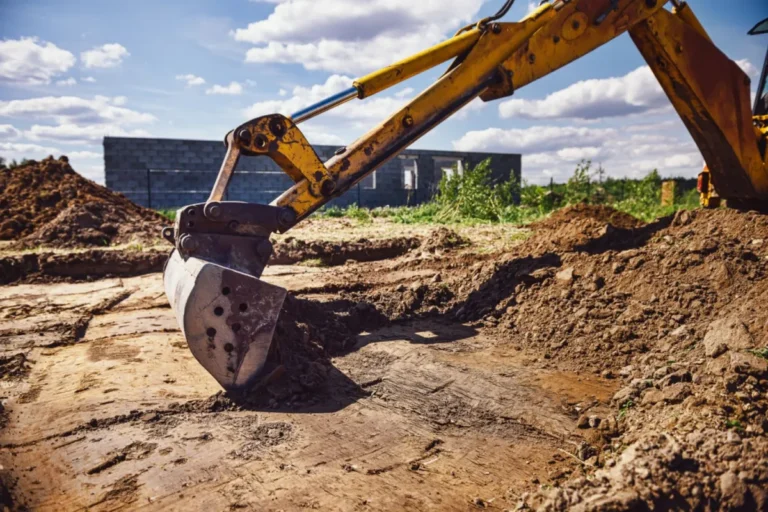
Excavation works by systematically removing earth to create space for various construction activities. This process involves employing specialized equipment such as excavators, backhoes, and bulldozers to dig trenches, excavate foundations, and shape the terrain. Excavation methods, including trenching, bulk excavation, and grading, are selected based on project requirements and site conditions.

Safety is paramount in excavation, with measures such as trench shoring, utility locating, and equipment operation training implemented to prevent accidents. Excavation finds applications in building construction, road development, utility installation, and landscaping, playing a vital role in shaping the built environment.

Excavation Works 2

Understanding the Basics of Excavation

At its core, excavation involves the removal of earth to create space for construction activities. This process can range from small-scale digging for landscaping to large-scale earthmoving for infrastructure development. Excavation methods vary based on project requirements, soil type, and site conditions. Trenching, bulk excavation, and grading are among the common methods used in construction.

Excavation is the process of removing earth to create space for various structures, utilities, or landscaping features. It involves careful planning, proper equipment selection, and adherence to safety protocols to ensure successful outcomes. By grasping the fundamentals of excavation, including different methods, equipment used, and safety considerations, individuals can effectively contribute to projects and mitigate risks associated with this essential construction process.

Equipment Used in Excavation

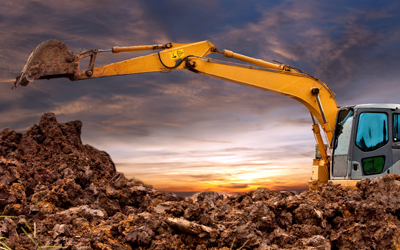
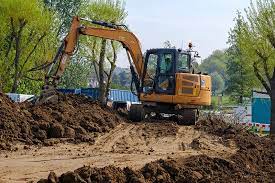
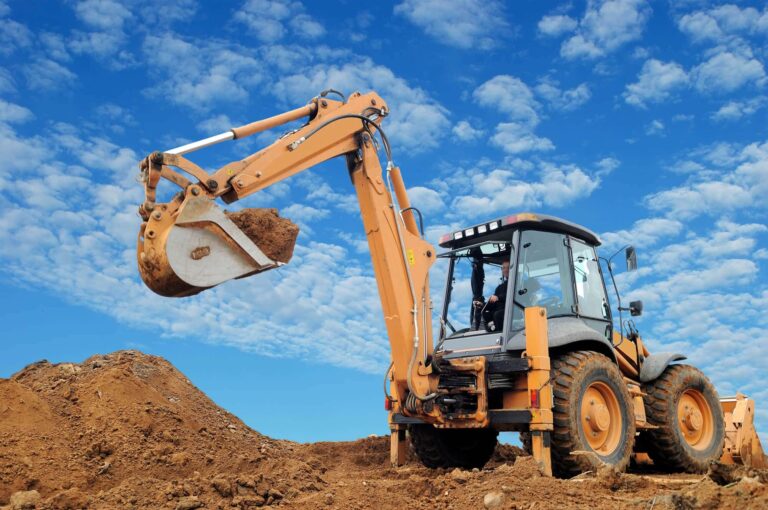
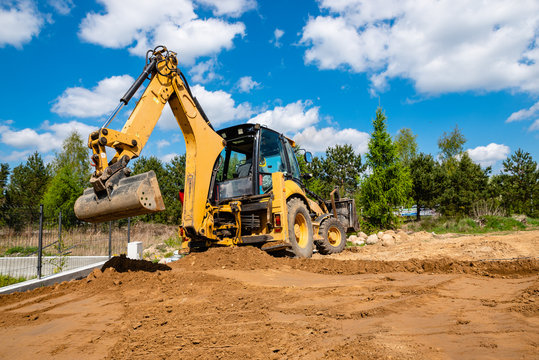
Excavation equipment comes in various types and sizes, each serving specific purposes on construction sites. Excavators, with their hydraulic arms and buckets, are versatile machines used for precise digging and lifting operations. Backhoes combine the capabilities of a tractor and an excavator, making them suitable for trenching and loading tasks. Bulldozers are ideal for pushing and leveling soil, while trenchers are specialized machines designed for trenching operations.

Safety Considerations in Excavation

Excavation works carries inherent risks, making safety a top priority on construction sites. Trench safety is paramount, with proper shoring, sloping, or trench box systems necessary to prevent collapses. Utility locating is crucial to avoid accidental damage to underground utilities. Proper training and supervision are essential for safe equipment operation, and confined space safety measures must be implemented for work within excavations.

Additionally, working in confined spaces within excavations requires additional safety measures, including adequate ventilation, atmospheric monitoring, and strict entry protocols to prevent accidents and asphyxiation. By prioritizing safety through rigorous protocols and training, stakeholders can mitigate risks and create a safe working environment for everyone involved in excavation projects.

Applications of Excavation

Excavation finds applications across various construction and infrastructure projects. In building construction, excavation is used to create foundations, basements, and underground parking structures.

Road and highway construction rely on excavation for grading, slope stabilization, and creating space for roadways and tunnels. Utility installation requires excavation for laying underground pipes and conduits, while landscaping and site development utilize excavation for shaping terrain and installing landscaping features.

Landscaping and Site Development

Landscaping and site development represent one of the diverse applications of excavation, where the shaping of terrain and installation of various features transform outdoor spaces. Excavation is integral to creating the foundational elements of landscaping projects, such as leveling ground surfaces, excavating for ponds or water features, and installing retaining walls or terraces.

Additionally, excavation facilitates the installation of underground irrigation systems, drainage networks, and utility conduits essential for maintaining the health and functionality of landscaped areas. Whether enhancing residential gardens, commercial properties, or public parks, excavation plays a pivotal role in bringing landscape designs to life, shaping the aesthetic appeal and functionality of outdoor environments for years to come.

Conclusion

Excavation is a foundational process in construction and civil engineering, shaping the landscape and laying the groundwork for development. By understanding the methods, equipment, safety considerations, and applications of excavation, stakeholders can ensure the success and safety of their projects. From small-scale landscaping to large-scale infrastructure development, excavation remains essential for building a sustainable and resilient built environment.

Safe Digs: Best Practices for Excavation Safety

0

Contents

Introduction

Discover essential excavation safety practices to ensure safe digs on construction sites. Learn best practices for preventing accidents and injuries. Excavation work is a common aspect of many construction projects, from building foundations to laying pipelines. While it’s a necessary part of the process, excavation can also be hazardous if not approached with caution and proper safety measures.

Each year, numerous accidents occur on excavation sites, leading to injuries, fatalities, and financial losses. To mitigate these risks, it’s essential to adhere to best practices for excavation safety. In this blog post, we’ll explore some key guidelines and tips to ensure safe digs on construction sites.

Excavation Safety: Understanding the Risks

Excavation work involves digging, trenching, and earthmoving, exposing workers to various hazards such as cave-ins, falls, struck-by accidents, and hazardous atmospheres. Factors like soil stability, proximity to utilities, and weather conditions further contribute to the risks involved. Therefore, recognizing these hazards is the first step towards implementing effective safety measures. In infrastructure construction, implementing rigorous safety protocols and regular inspections are essential best practices for ensuring excavation safety.

Excavation Safety 2

Key Best Practices

Proper Planning and Preparation

Before beginning any excavation work, thorough planning is essential. Conduct a site assessment to identify potential hazards, including underground utilities, unstable soil conditions, and nearby structures. Develop a site-specific excavation plan that outlines safety procedures, emergency protocols, and the assignment of responsibilities. Adequate preparation sets the stage for a safer work environment.

Competent Personnel

Assigning competent personnel to oversee excavation operations is crucial. Trained professionals should handle equipment operation, soil testing, and safety monitoring. All workers involved in excavation should receive appropriate training on recognizing hazards, using protective equipment, and responding to emergencies. Regular safety briefings and refresher courses help reinforce safe practices.

Protective Systems

Implementing protective systems is vital for preventing cave-ins and collapses during excavation. OSHA (Occupational Safety and Health Administration) mandates the use of protective measures such as sloping, shoring, and trench boxes to support trench walls and ensure stability. The type of protective system employed depends on factors like soil type, depth of excavation, and environmental conditions.

Utility Locating and Marking

Contacting utility companies to locate and mark underground utilities before excavation begins is critical. Accidental strikes on buried pipes, cables, or wires can cause serious injuries, service disruptions, and costly repairs. Utilize ground-penetrating radar (GPR) and utility mapping technologies to accurately identify the location of underground utilities and avoid potential accidents.

Adequate Ventilation

Excavation sites may encounter hazardous atmospheres due to the presence of gases, vapors, or lack of oxygen. Proper ventilation is essential to maintain air quality and prevent respiratory hazards for workers. Use mechanical ventilation systems, gas detectors, and atmospheric monitoring devices to ensure a safe working environment within excavated spaces.

Regular Inspections

Regular inspections of excavation sites help identify potential hazards and ensure compliance with safety standards. Inspectors should assess soil stability, protective systems, equipment condition, and adherence to safety protocols. Any deviations from established safety measures should be addressed promptly to prevent accidents and maintain a safe work environment.

Emergency Response Preparedness:

Despite preventive measures, emergencies can still occur on excavation sites. Establishing emergency response procedures and providing adequate training to workers is imperative. Develop evacuation plans, designate assembly areas, and ensure access to emergency communication devices such as radios or mobile phones. Conduct drills regularly to familiarize workers with emergency protocols and promote swift response in crisis situations.

Conclusion

Safety should always be a top priority in excavation work. By following best practices and implementing robust safety measures, construction teams can minimize risks and create a safer environment for workers. From proper planning and protective systems to emergency preparedness and regular inspections, every aspect of excavation safety plays a crucial role in preventing accidents and ensuring project success. By prioritizing safety, we can achieve safe digs and pave the way for a successful construction industry.

EarthCore Drilling: Professional BoreHole Services

In the quest for sustainable development and resource management, the role of EarthCore Drilling emerges as pivotal. As we delve deeper into understanding the Earth’s geology and harnessing its resources, professional borehole services provided by EarthCore Drilling play a crucial role. This blog aims to explore the significance of borehole services in various industries and how EarthCore Drilling stands out as a leader in delivering reliable, efficient, and sustainable solutions.

Contents

Understanding BoreHole Services

Bore hole services involve drilling holes into the Earth’s surface for various purposes, including water extraction, geothermal energy production, mineral exploration, environmental monitoring, and construction projects. The process requires precision, expertise, and advanced technology to ensure accurate results while minimizing environmental impact. Infrastructure construction is a key aspect of our professional borehole services, ensuring reliable water access for diverse needs.

EarthCore Drilling specializes in providing comprehensive bore hole services tailored to the specific needs of each project. Whether it’s conducting geological surveys, installing monitoring wells, or extracting groundwater, EarthCore employs state-of-the-art equipment and experienced professionals to deliver top-notch results.

BoreHole Services 2

Water Resource Management

Water scarcity is a pressing global issue, making the efficient management of water resources paramount. Borehole services play a vital role in accessing groundwater reserves for domestic, agricultural, and industrial use. EarthCore’s expertise in hydrogeology enables them to identify suitable drilling locations, optimize well design, and ensure sustainable water extraction practices.

By leveraging advanced techniques such as hydrogeological modeling and aquifer characterization, EarthCore assists communities, farms, and industries in maximizing water availability while minimizing environmental impact. From rural villages to urban centers, EarthCore’s borehole services contribute to building resilient water supply systems essential for sustainable development.

Energy Exploration and Production

The transition to renewable energy sources underscores the importance of geothermal energy, which harnesses heat from the Earth’s crust for power generation. Bore hole services are indispensable in exploring and developing geothermal reservoirs, requiring precise drilling and reservoir engineering techniques.

EarthCore Drilling’s expertise in geothermal exploration and well drilling enables them to support the growth of clean energy projects worldwide. By collaborating with geologists, engineers, and energy developers, EarthCore facilitates the expansion of geothermal power plants, reducing dependence on fossil fuels and mitigating climate change.

Mineral Exploration and Extraction

The mining industry relies heavily on borehole services for mineral exploration and resource estimation. EarthCore’s geological expertise and cutting-edge drilling technology enable efficient sampling of ore bodies, delineation of mineral deposits, and characterization of subsurface geology.

Through strategic partnerships with mining companies, EarthCore contributes to the responsible extraction of mineral resources while minimizing environmental impact. By employing innovative drilling techniques such as directional drilling and core logging, EarthCore helps optimize resource recovery and ensure sustainable mining practices.

Environmental Monitoring and Remediation

Bore hole services are instrumental in environmental monitoring and remediation efforts, particularly in contaminated sites and industrial facilities. EarthCore specializes in installing monitoring wells, collecting groundwater samples, and assessing soil and water quality to mitigate environmental risks and ensure regulatory compliance.

Whether it’s monitoring groundwater contamination near landfills or conducting site investigations for remediation projects, EarthCore’s experienced team delivers reliable data and actionable insights. By facilitating the cleanup of contaminated sites and safeguarding natural ecosystems, EarthCore contributes to environmental conservation and sustainable development.

Conclusion

EarthCore Drilling plays a vital role in providing professional bore hole services essential for sustainable development across various industries. From water resource management to energy exploration, mineral extraction, and environmental remediation, EarthCore’s expertise and commitment to excellence drive positive outcomes for communities and the environment.

As the world faces increasingly complex challenges related to water scarcity, climate change, and resource depletion, the need for reliable and sustainable bore hole services has never been greater. EarthCore Drilling stands ready to meet these challenges head-on, delivering innovative solutions that safeguard our planet’s resources for future generations.

Counting the Coins: Analysis of Borehole Drilling Cost

0

Explore the intricacies of borehole drilling cost in our comprehensive analysis. Discover key factors influencing expenses and effective budgeting strategies. In the realm of water resource management, borehole drilling stands out as a pivotal practice, offering access to groundwater for various purposes like irrigation, drinking water supply, and industrial usage. However, the process of borehole drilling comes with its share of costs, which can vary significantly based on multiple factors. In this blog post, we delve into the intricacies of borehole drilling cost analysis, shedding light on the key determinants that influence these expenses.

Contents

Borehole Drilling Cost

The cost associated with borehole drilling is a multifaceted aspect that encompasses several components. Understanding these elements is crucial for stakeholders, including governments, NGOs, and private entities, who seek to embark on drilling projects for water accessibility and sustainability. Borehole drilling is a fundamental process in accessing groundwater resources for a wide range of purposes, from domestic water supply to agricultural irrigation and industrial usage. However, the cost associated with borehole drilling can vary significantly depending on several factors, making it essential to understand and analyze these costs for effective project planning and management.

Borehole Drilling Cost 2

Factors Influencing Borehole Drilling Cost

Geological Conditions

Perhaps the most influential factor in borehole drilling cost is the geological composition of the site. The complexity of the geological structure, including the presence of hard rocks, soft formations, or groundwater depth, significantly impacts drilling difficulty and, consequently, cost.

Depth of the Borehole

The depth to which the borehole needs to be drilled plays a pivotal role in determining the overall cost. Deeper boreholes require more sophisticated equipment, longer drilling times, and increased labor, contributing to higher expenses. Understanding the geological composition of the subsurface is paramount in determining the optimal borehole depth. Geological surveys provide insights into rock formations, soil types, and groundwater levels, guiding engineers in selecting depths that offer the best chance of tapping into viable water sources.

Equipment and Technology

The choice of drilling equipment and technology also influences the cost. Modern, advanced drilling rigs equipped with state-of-the-art technology may come with a higher upfront cost but can enhance efficiency and reduce overall drilling time, potentially offsetting expenses in the long run.

Labor and Expertise

Skilled labor and expertise are indispensable in borehole drilling projects. The cost of hiring experienced drillers, geologists, and engineers adds to the overall expenditure. Moreover, availability and local labor rates further impact the cost dynamics.

Site Accessibility and Logistics

The accessibility of the drilling site and logistical challenges can escalate costs. Remote locations or areas with limited infrastructure may require additional resources for transportation of equipment and supplies, thereby increasing expenses.

Regulatory Compliance and Permits

Compliance with regulatory standards and obtaining necessary permits add a layer of cost to borehole drilling projects. Meeting environmental regulations, acquiring land permits, and adhering to safety protocols contribute to the overall expenditure.

Cost Analysis and Budgeting

Conducting a comprehensive cost analysis and budgeting is essential for effective project planning and management. It involves estimating the expenses associated with each phase of the drilling process, including site assessment, drilling operations, equipment procurement, labor, and post-drilling activities like well development and testing.

Moreover, factoring in contingencies for unforeseen circumstances and incorporating sustainability measures can ensure financial resilience and long-term viability of the project.

Conclusion

Borehole drilling cost analysis is a critical endeavor that requires meticulous attention to detail and a thorough understanding of various influencing factors. By carefully evaluating geological conditions, optimizing technology and equipment selection, and adhering to regulatory standards, stakeholders can streamline costs and enhance the efficiency and sustainability of borehole drilling projects. Ultimately, investing in reliable water sources through borehole drilling is not just a financial decision but a strategic investment in securing a vital resource for communities and industries alike.

Beneath the Surface: Unlocking the Earth’s Secrets with Borehole Drilling

0

Contents

Introduction

The Earth holds a wealth of secrets beneath its surface, waiting to be uncovered. While much of what lies beneath remains mysterious to us, advancements in technology, particularly in borehole drilling, have allowed us to delve deeper into the depths of our planet than ever before. In this blog, we’ll explore the fascinating world of borehole drilling, its applications, and how it helps unlock the Earth’s secrets.

The Art of Borehole Drilling

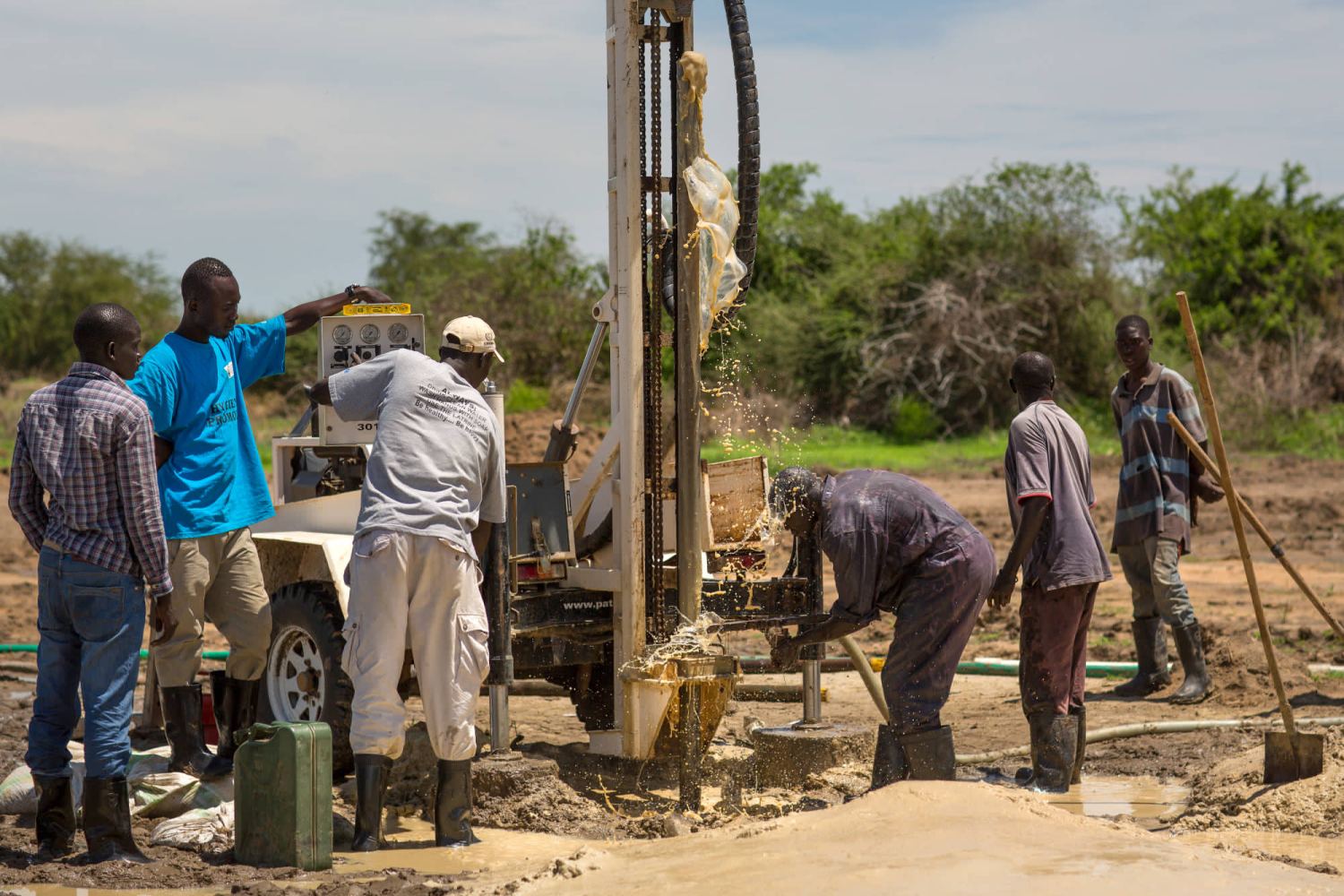
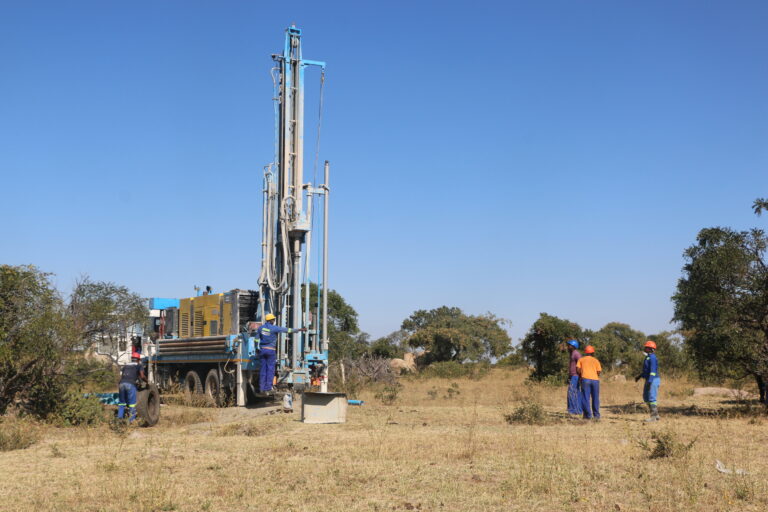
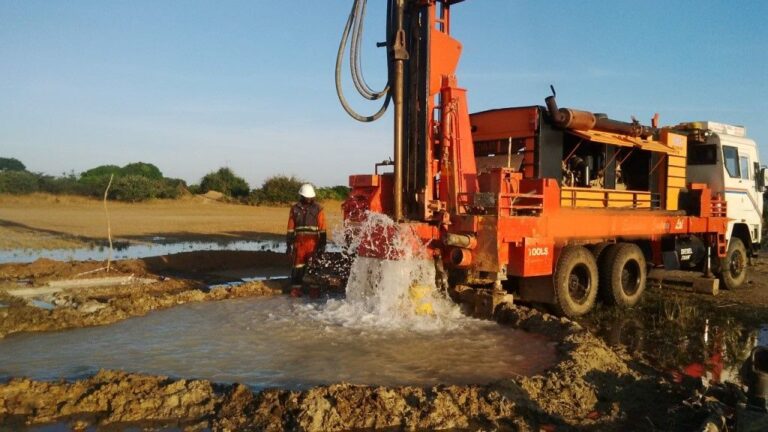
Borehole drilling is a technique used to penetrate the Earth’s surface and access subsurface resources such as water, minerals, oil, and gas. It involves drilling a hole vertically or horizontally into the ground using specialized equipment and techniques. The depth of these boreholes can range from a few meters to several kilometers, depending on the purpose of the drilling.

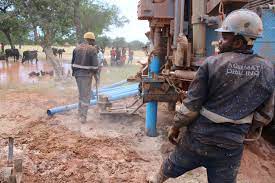
One of the key tools used in borehole drilling is the drilling rig, which comes in various sizes and configurations depending on the specific requirements of the project. These rigs are equipped with powerful drills that can penetrate through various types of rock and soil with precision and efficiency. Additionally, borehole drilling involves the use of drilling fluids, which help to lubricate the drill bit, remove cuttings from the borehole, and stabilize the surrounding rock formations.

Applications of Borehole Drilling

Borehole drilling has a wide range of applications across various industries, making it a versatile and indispensable tool in scientific research, resource exploration, and infrastructure development. Some of the key applications of borehole drilling include:

Water Exploration and Extraction

Borehole drilling is commonly used to explore and extract groundwater resources. By drilling deep into the Earth’s crust, hydrogeologists can identify aquifers and determine the quality and quantity of available water. Boreholes also serve as access points for installing pumps and extracting water for various purposes such as drinking, irrigation, and industrial use.

Geothermal Energy

Geothermal energy, derived from the heat stored beneath the Earth’s surface, is becoming an increasingly important source of renewable energy. Borehole drilling is essential for the exploration and development of geothermal reservoirs. By drilling deep wells into geologically active areas, such as volcanic regions, scientists can tap into high-temperature reservoirs and harness the heat to generate electricity or provide heating for buildings.

Mineral and Resource Exploration

In the mining industry, borehole drilling is used extensively for mineral exploration and resource assessment. By drilling core samples from various depths, geologists can analyze the composition and characteristics of rock formations to identify potential ore deposits. Borehole drilling also plays a crucial role in petroleum exploration, helping to locate oil and gas reserves deep beneath the Earth’s surface.

Environmental Monitoring and Remediation:

Borehole drilling is employed in environmental monitoring and remediation projects to assess soil and groundwater contamination and to implement remedial measures. Boreholes serve as access points for installing monitoring wells and sampling equipment, allowing scientists to monitor changes in groundwater quality over time and implement remediation strategies to mitigate environmental pollution.

Challenges and Future Prospects

While borehole drilling has revolutionized our ability to explore and exploit subsurface resources, it also presents various challenges and considerations. Deep drilling operations can be technically complex and expensive, requiring specialized equipment and expertise. Moreover, drilling activities can have environmental impacts, such as habitat disruption and groundwater contamination, which must be carefully managed and mitigated.

Looking ahead, advancements in drilling technology, such as the development of advanced drilling techniques and materials, as well as the use of autonomous drilling systems, hold the promise of making borehole drilling more efficient, cost-effective, and environmentally friendly. Additionally, ongoing research efforts aimed at improving our understanding of subsurface geology and resource distribution will further enhance the capabilities of borehole drilling and unlock new opportunities for exploration and discovery.

Conclusion

Borehole drilling is a powerful tool that enables us to unlock the Earth’s secrets hidden beneath its surface. From accessing vital water resources to tapping into renewable energy reservoirs and discovering valuable minerals, borehole drilling plays a vital role in advancing scientific k