

Tuesday, March 17, 2026
Home Blog Page 22

Who to Call for Expert Tree Services?

0

Maintaining the health and appearance of trees on your property requires more than just occasional pruning. Sometimes, trees need professional attention from arborists and tree service experts. Whether you’re dealing with diseased trees, dangerous branches, or simply want to ensure proper care, knowing who to call for expert tree services is crucial. In this blog post, we’ll explore the key factors to consider when choosing a tree service provider and highlight the importance of hiring professionals for tree care needs.

Contents

Expert Tree Services

1. Certified Arborists:

When searching for tree services, prioritize companies that employ certified arborists. These professionals have received formal training in tree care, pruning techniques, and safety standards. Certification from organizations like the International Society of Arboriculture (ISA) ensures that the arborist has the necessary knowledge and skills to assess and address tree issues effectively.

Expert Tree Services 2

2. Comprehensive Services:

Look for tree service providers that offer a wide range of services beyond basic trimming and removal. This includes tree health assessments, disease diagnosis, pest control, and tree planting. A company with diverse expertise can handle various tree-related issues and provide comprehensive solutions tailored to your needs.

3. Reputation and Reviews:

Before hiring a tree service company, research their reputation and read customer reviews. Positive testimonials and high ratings indicate reliability, professionalism, and customer satisfaction. Conversely, negative reviews or complaints may raise red flags about the company’s competence and reliability. Online platforms like Google, Yelp, and Angie’s List are valuable resources for gathering feedback from previous clients.

4. Insurance and Safety Measures:

Tree work can be hazardous, especially when dealing with tall trees or precarious branches. Ensure that the tree service provider has proper insurance coverage, including liability insurance and workers’ compensation. Additionally, inquire about the safety protocols and equipment used during tree operations. A reputable company will prioritize safety for both their workers and your property.

5. Local Knowledge and Experience:

Choosing a tree service provider familiar with the local climate, soil conditions, and tree species is advantageous. Local experts understand the unique challenges and environmental factors affecting tree health in your area. Moreover, they can recommend suitable tree species for planting and offer insights into seasonal maintenance practices.

6. Transparent Pricing and Contracts:

Request detailed estimates from multiple tree service companies before making a decision. A reputable provider will offer transparent pricing with no hidden fees. Review the contract carefully to ensure that it outlines the scope of work, timeline, and payment terms clearly. Avoid companies that pressure you into signing contracts or offer unusually low prices, as they may compromise on quality or safety.

7. Environmental Stewardship:

Choose tree service providers committed to sustainable practices and environmental stewardship. This includes proper disposal of tree debris, recycling of wood material, and promoting tree conservation efforts. Working with eco-conscious companies demonstrates a commitment to preserving the natural beauty and health of your surroundings. When it comes to expert tree services for your garden, know who to call for reliable care and maintenance.

Conclusion

When it comes to tree care, entrusting the job to expert professionals is essential for maintaining the health, safety, and beauty of your landscape. By considering factors such as certification, reputation, safety measures, and environmental practices, you can make an informed decision when selecting a tree service provider. Remember, investing in quality tree care services pays off in the long run, ensuring the vitality and longevity of your trees for years to come.

In summary, prioritize certified arborists, comprehensive services, positive reputation, safety measures, local expertise, transparent pricing, and environmental responsibility when choosing who to call for expert tree services. With these insights, you’ll be better equipped to make an informed decision when it comes to caring for the trees on your property.


Timber Tenders: Your Partner in Tree Maintenance and Removal

0

Contents

Introduction:

In the realm of landscaping and property management, few tasks carry as much weight as tree maintenance and removal. Whether it’s enhancing the aesthetic appeal of your surroundings or ensuring safety by eliminating hazardous trees, the importance of professional tree care cannot be overstated. This is where Timber Tenders steps in, ready to be your trusted partner in all matters concerning trees.

Tree Maintenance:

Tree maintenance is essential for promoting the health, safety, and aesthetic appeal of trees in both urban and natural environments. Regular tree maintenance activities include pruning, which helps remove dead or diseased branches, improves airflow and sunlight penetration, and enhances the tree’s overall structure. Additionally, proper watering, fertilization, and mulching contribute to the tree’s vitality by providing essential nutrients and conserving soil moisture. Monitoring for signs of pests and diseases allows for early intervention, reducing the risk of widespread damage or tree decline. Tree maintenance also encompasses activities such as tree planting, transplanting, and tree removal when necessary. Overall, investing in tree maintenance ensures the longevity and sustainability of trees, benefiting ecosystems, property owners, and communities alike.

Who We Are:

Timber Tenders is not just another tree service company; we are your dedicated allies in preserving the health and beauty of your outdoor space. With years of experience and a team of skilled arborists, we provide comprehensive tree care solutions tailored to meet your specific needs. Tree Maintenance 2

Our Services:

Our range of services covers every aspect of tree care, from routine pruning and trimming to emergency tree removal. Here’s a glimpse into what we offer:

Tree Pruning and Trimming

Proper pruning is essential for maintaining the structural integrity and aesthetics of your trees. Our experts employ industry-best practices to ensure precise and selective pruning, promoting healthy growth and longevity.

Tree Removal

When a tree poses a risk to property or safety, prompt removal is crucial. We specialize in safe and efficient tree removal, using state-of-the-art equipment and techniques to minimize disruption and ensure your peace of mind.

Stump Grinding

Unsightly tree stumps can detract from the beauty of your landscape and pose obstacles to new planting or construction projects. Our stump grinding services make quick work of removing stumps, leaving your property clean and ready for whatever comes next.

Emergency Tree Services

Storms and other unforeseen events can wreak havoc on trees, leading to dangerous situations that require immediate attention. With our 24/7 emergency response team, you can count on us to be there when you need us most, resolving tree-related emergencies swiftly and efficiently.

Why Choose Timber Tenders:

Expertise

Our team comprises certified arborists with extensive knowledge and training in tree care practices.

Safety

We prioritize safety above all else, employing the latest safety protocols and equipment to ensure risk-free operations.

Customer Satisfaction

Your satisfaction is our top priority, and we go above and beyond to deliver results that exceed your expectations.

Environmental Stewardship

We are committed to eco-friendly practices, striving to minimize our environmental footprint while maximizing the benefits of tree care.

Testimonials:

“Timber Tenders transformed my overgrown backyard into a beautiful oasis. Their attention to detail and professionalism were unmatched!” – Sarah, satisfied customer

“When a storm knocked down a tree in my yard, Timber Tenders came to the rescue. Their quick response and expert handling saved the day!” – John, grateful homeowner

Conclusion:

At Timber Tenders, we understand the vital role that trees play in enhancing the beauty and value of your property. That’s why we are dedicated to providing exceptional tree care services that are second to none. Whether you need routine maintenance or urgent tree removal, you can trust us to be your reliable partner every step of the way. Contact us today and let Timber Tenders help you make the most of your outdoor space.

Retaining Wall Types Unveiled: Deciphering the Science Behind 7 Varieties

Contents

Introduction:

Unlock the secrets of Retaining Wall Types with our comprehensive guide. Explore seven varieties and the science behind their design and construction. Retaining walls are architectural marvels that not only serve functional purposes but also add aesthetic value to landscapes. From preventing soil erosion to creating leveled terrains on slopes, retaining walls play a crucial role in various construction projects.

However, with a multitude of options available, choosing the right type of retaining wall can be overwhelming. In this blog post, we’ll delve into the science behind seven different types of retaining walls to help you make an informed decision.

Retaining Wall Types: Gravity Retaining Walls:

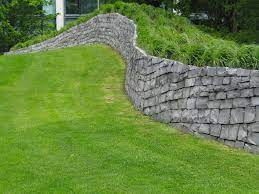
Know the retaining wall types, Gravity retaining walls rely on their weight to resist the lateral pressure of the soil. These walls are typically made from concrete or stone and are suitable for retaining moderate heights of soil. The key to their effectiveness lies in their mass, which counteracts the force exerted by the soil behind them.

Retaining Wall Types 2

Cantilever Retaining Walls:

Cantilever retaining walls are engineered structures that utilize a combination of vertical and horizontal supports to withstand soil pressure. These walls feature a horizontal footing and a vertical wall connected by a slab called a heel at the base and a thinner slab called a toe at the top. This design efficiently redistributes the soil pressure, making cantilever walls suitable for retaining taller slopes compared to gravity walls.

Sheet Pile Retaining Walls:

Sheet pile retaining walls are commonly used in areas with soft soil or limited space. They consist of vertically driven sheets, usually made of steel, vinyl, or wood, that interlock to form a continuous barrier. The sheets are driven deep into the ground to provide stability and prevent soil movement. Sheet pile walls are particularly effective in waterfront applications and temporary retaining needs.

Anchored Retaining Walls:

Anchored retaining walls employ the use of anchors or tiebacks to provide additional support against soil pressure. These anchors extend from the wall into the soil behind it, transferring the load to deeper, more stable layers. Anchored walls are versatile and can be constructed using various materials, including concrete, steel, or timber. They are often used in situations where space limitations or soil conditions make other types of walls impractical.

Gabion Retaining Walls:

Gabion retaining walls are constructed by filling wire mesh baskets with rocks or other durable materials. These baskets are stacked to form a wall that provides both structural support and drainage. Gabion walls are flexible, allowing them to conform to minor ground movement without compromising their integrity. They are cost-effective and environmentally friendly, making them a popular choice for landscaping projects and erosion control.

Counterfort Retaining Walls:

Counterfort retaining walls are similar to cantilever walls but feature additional vertical supports called counterforts spaced at regular intervals along the wall. These counterforts help distribute the load more evenly, reducing the thickness of the wall and allowing for greater heights. Counterfort walls are commonly used in highway construction and large-scale earthworks where efficiency and stability are paramount.

Hybrid Retaining Walls:

Hybrid retaining walls combine elements of two or more types of retaining walls to optimize performance and cost-effectiveness. For example, a hybrid wall may incorporate the stability of a gravity wall with the anchoring system of an anchored wall. By leveraging the strengths of different wall types, hybrid walls can address complex engineering challenges and provide innovative solutions for retaining difficult terrain.

Conclusion:

Retaining wall types come in various shapes, sizes, and materials, each serving a specific purpose based on the site conditions and project requirements. Understanding the science behind different types of retaining walls is essential for selecting the most suitable option for your needs. Whether you’re dealing with a steep slope, soft soil, or limited space, there’s a retaining wall solution that can help you achieve your goals effectively and efficiently.

Mastering the Basics: Principles of Retaining Wall Design

0

Contents

Introduction:

Retaining walls play a crucial role in civil engineering and landscaping, providing structural support while enhancing the aesthetics of landscapes. However, designing a retaining wall requires a deep understanding of engineering principles to ensure stability, durability, and functionality. In this blog, we will delve into the fundamental principles of retaining wall design, equipping you with the knowledge to master the basics and create structurally sound retaining walls.

Understanding the Purpose:

Before diving into the technicalities of retaining wall design, it’s essential to grasp the primary purpose of these structures. Retaining walls are primarily built to resist lateral pressure from soil and to retain soil at different elevations. They are commonly used to create terraces, support roads, and prevent erosion on sloped landscapes.

Mastering the basics of retaining wall design begins with a solid understanding of the fundamental principles that govern their functionality and stability. At the core of retaining wall design is the principle of resisting lateral soil pressure while ensuring structural integrity and longevity. Engineers consider factors such as soil type, slope angle, groundwater conditions, and load-bearing capacity to determine the most suitable design approach.

Retaining Wall Design 2

Types of Retaining Wall Design:

There are various types of retaining walls, each designed to suit specific terrain and aesthetic preferences. Some common types include gravity walls, cantilever walls, anchored walls, and crib walls. The choice of retaining wall type depends on factors such as soil characteristics, site conditions, and design requirements.

Soil Mechanics:

Soil mechanics is a critical aspect of retaining wall design as it directly influences the wall’s stability. Engineers must evaluate soil properties such as cohesion, internal friction angle, and bearing capacity to determine the appropriate design parameters. Understanding the behavior of soil under different conditions is essential for predicting potential failure modes and designing effective retaining structures.

Design Considerations

Several factors must be considered during the design phase to ensure the structural integrity of retaining walls. These include:

Height and Slope

The height and slope of the retained soil determine the lateral pressure exerted on the wall. Engineers must calculate the maximum expected pressure to determine the wall’s required strength and stability.

Drainage

Proper drainage is crucial for preventing water buildup behind the retaining wall, which can exert excessive pressure and lead to instability.

 Adequate drainage systems, such as weep holes and French drains, should be incorporated into the design to redirect water away from the wall.

Material Selection

The choice of construction materials significantly impacts the durability and aesthetics of retaining walls. Common materials include concrete, stone, timber, and reinforced earth. Engineers must consider factors such as cost, availability, and environmental impact when selecting the appropriate material for the project.

Structural Reinforcement

 In cases where the retained soil exerts significant pressure, structural reinforcement may be necessary to enhance the wall’s stability. Techniques such as the use of geogrids, soil nails, or tiebacks can provide additional support and prevent failure.

Compliance with Regulations:

Retaining wall design must comply with local building codes and regulations to ensure safety and legality. Engineers should familiarize themselves with relevant guidelines regarding wall height, setback requirements, and construction techniques. Failure to adhere to regulatory standards can result in project delays, fines, or even legal liabilities.

Conclusion:

Mastering the basics of retaining wall design requires a comprehensive understanding of soil mechanics, structural engineering principles, and design considerations. By adhering to these principles and incorporating them into your design process, you can create retaining walls that are not only structurally sound but also aesthetically pleasing and environmentally sustainable. Whether you’re a seasoned engineer or a novice designer, embracing these fundamentals will empower you to tackle retaining wall projects with confidence and proficiency.

Mastering the Art of Retaining Walls : Techniques and Tips

Contents

Intro:

Retaining walls are not just functional structures; they’re also integral elements of landscaping design. Whether you’re a homeowner looking to enhance your backyard or a professional landscaper, mastering the art of wall retaining is essential for creating visually appealing and structurally sound landscapes. In this blog, we’ll explore various techniques and tips to help you achieve mastery in building and designing retaining walls.

Retaining Walls: Understanding the Basics:

Before diving into advanced techniques, it’s crucial to understand the fundamentals of retaining walls. Retaining walls are primarily used to hold back soil and create level ground in sloped areas. They can be made from various materials such as concrete blocks, stone, or timber, each offering unique aesthetics and structural properties. Transform your backyard into a stunning outdoor oasis with these innovative retaining wall ideas. Whether you’re dealing with sloping terrain or simply looking to add dimension to your landscape, retaining wall ideas offer endless possibilities for enhancing both the functionality and aesthetics of your outdoor space

Retaining Walls 2


Choosing the Right Material:

The choice of material plays a significant role in the design and durability of retaining walls. Concrete blocks are popular for their strength and versatility, while natural stone provides a more rustic and timeless look. Timber offers a warm and natural appeal but requires proper treatment to withstand moisture and decay. Consider the site conditions, budget, and aesthetic preferences when selecting the material for your retaining wall.

Proper Drainage:

Effective drainage is essential for preventing water buildup behind the retaining wall, which can lead to erosion and structural failure. Incorporate drainage features such as gravel backfill, weep holes, and perforated pipes to allow water to escape freely. Additionally, ensure proper grading to direct water away from the wall and surrounding areas.

Reinforcement Techniques:

In areas with high soil pressure or steep slopes, reinforcement techniques may be necessary to enhance the stability of the retaining wall. Options include installing geogrids or geotextiles, which provide additional support by anchoring the soil layers behind the wall. Proper installation and placement of reinforcement materials are critical for maximizing their effectiveness.

Building a Solid Foundation:

A strong foundation is the cornerstone of a durable retaining wall. Excavate the base to the required depth and compact the soil to provide a stable footing. Depending on the soil conditions, a layer of gravel or crushed stone may be added to improve drainage and distribute the load evenly. Follow manufacturer guidelines for proper installation of base materials and ensure adequate compaction throughout the construction process.

Attention to Detail:

Details such as proper alignment, levelness, and aesthetics can elevate the overall appearance of your retaining wall. Take the time to carefully lay each block or stone, ensuring tight joints and consistent height. Use a level and string line to maintain straightness and alignment throughout the construction. Pay attention to finishing touches such as capstones or coping to add a polished look to your retaining wall.

Professional Consultation:

If you’re tackling a large or complex retaining wall project, don’t hesitate to seek professional advice and assistance. Consulting with a landscape architect or engineer can help ensure that your design meets structural requirements and local regulations. They can also provide valuable insights and recommendations based on their expertise and experience.

Conclusion:

Mastering the art of wall retaining requires a combination of technical knowledge, practical skills, and attention to detail. By understanding the basics, choosing the right materials, implementing proper drainage and reinforcement techniques, and paying attention to construction details, you can create beautiful and functional retaining walls that enhance any landscape. Whether you’re a DIY enthusiast or a professional landscaper, these tips will help you achieve success in your retaining wall projects. Start mastering the art of wall retaining today and elevate your landscape design to new heights.

What Furniture Removal Tools Do You Need for a Smooth Move?

0

Discover essential furniture removal tools for a hassle-free move. From dollies to straps, get expert tips on Furniture Removal Tools here! Moving to a new home can be an exciting but daunting experience, especially when it comes to transporting bulky furniture.

Whether you’re relocating across town or to a different state, having the right tools can make all the difference in ensuring a smooth and stress-free move. From disassembling furniture to maneuvering heavy items through tight spaces, the right tools can save you time, effort, and even prevent potential damage to your belongings. In this blog post, we’ll explore essential furniture removal tools that can help streamline your moving process.

Contents

Furniture Removal Tools: Screwdriver Set

A reliable screwdriver set is indispensable for disassembling and reassembling furniture pieces such as bed frames, tables, and bookshelves. Make sure to have both flathead and Phillips head screwdrivers in various sizes to accommodate different types of screws commonly found in furniture.

Furniture Removal Tools 2

Allen Wrench (Hex Key) Set

Many modern furniture pieces, especially those from IKEA and other ready-to-assemble brands, use Allen screws for assembly. Having a set of Allen wrenches in different sizes will allow you to easily dismantle and put together these items without hassle.

Adjustable Wrench

For nuts and bolts that require more torque, an adjustable wrench comes in handy. It’s useful for tightening or loosening bolts on furniture legs, handles, and other components.

Rubber Mallet

When disassembling furniture, stubborn pieces may need some gentle persuasion. A rubber mallet provides the necessary force to tap joints and fittings without causing damage. It’s particularly useful for knocking apart tight-fitting wooden components without leaving marks.

Furniture Dolly

Moving heavy furniture across floors can be back-breaking work. A furniture dolly, also known as a hand truck, can significantly ease the burden. With its sturdy wheels and platform, a dolly allows you to transport large items such as sofas, dressers, and appliances with minimal effort.

Furniture Sliders

For moving furniture across hardwood floors, tiles, or carpeting, furniture sliders are invaluable. These small discs or pads placed under the legs or corners of heavy items reduce friction, making it easier to slide them across surfaces without causing scratches or damage.

Moving Straps or Harnesses

When it comes to lifting and carrying heavy furniture items like mattresses, sofas, or cabinets, proper lifting techniques are essential to avoid injury. Moving straps or harnesses distribute the weight evenly across your shoulders and back, reducing strain on your muscles and allowing for safer and more comfortable lifting.

Tape Measure

Before moving furniture into your new space, it’s crucial to ensure that it will fit through doorways, hallways, and staircases. A tape measure allows you to accurately measure the dimensions of both your furniture and your new home, helping you avoid headaches and potential damage caused by trying to force oversized items through tight spaces.

Packing Supplies

While not strictly tools, packing supplies such as moving blankets, bubble wrap, and stretch wrap are essential for protecting your furniture during transit. Use moving blankets to wrap delicate surfaces and corners, secure them with stretch wrap, and use bubble wrap for fragile items like glass tabletops or mirrors.

Box Cutter or Utility Knife

Once you’ve arrived at your new home, you’ll need to unpack and reassemble your furniture. A box cutter or utility knife will come in handy for cutting through packing tape and opening boxes efficiently.

Conclusion

Having the right furniture removal tools can turn a potentially stressful moving experience into a smooth and seamless transition. By investing in essential tools such as screwdrivers, wrenches, dollies, and packing supplies, you can protect your furniture, avoid injuries, and ensure that your move goes off without a hitch. Remember to plan ahead, stay organized, and enlist the help of friends or professional movers if needed. With the proper tools and preparation, you’ll be settling into your new home in no time.

Budget-Friendly Moves: Managing Furniture Removals Expenses

0

Discover smart tips for minimizing Furniture Removals Expenses. Learn how to manage your budget without sacrificing quality. Budget-friendly moves await! Moving to a new home can be an exciting yet daunting experience, especially when it comes to managing the expenses associated with furniture removals.

Whether you’re relocating to a new city or just moving across town, the costs can quickly add up if you’re not careful. However, with some strategic planning and savvy decision-making, it’s possible to keep your furniture removal expenses under control without breaking the bank. In this blog post, we’ll explore some budget-friendly tips to help you manage your furniture removals expenses effectively. Learn how budget-friendly moves extend beyond managing furniture removals expenses; discover the art of reupholstering furniture for added savings and style.

Contents

Furniture Removals Expenses: Declutter Before You Move

One of the most effective ways to reduce furniture removal costs is by decluttering your belongings before the move. Take the time to go through your furniture and belongings and identify items that you no longer need or use. Consider selling or donating these items instead of paying to have them moved to your new home. Not only will this help you save on removal costs, but it will also streamline the moving process and reduce the amount of space you need in the moving truck.

Furniture Removals Expenses 2

Shop Around for Quotes

Don’t settle for the first removal company you come across. Instead, take the time to shop around and get quotes from multiple companies. Compare prices and services to find the best deal that fits your budget. Keep in mind that the cheapest option may not always be the best choice, so be sure to consider factors such as reputation, reliability, and insurance coverage when making your decision.

Choose the Right Moving Date

The timing of your move can have a significant impact on the cost of furniture removals. Try to avoid moving during peak seasons or holidays when prices tend to be higher. Instead, opt for moving during the off-peak times, such as weekdays or the middle of the month, when movers are likely to have more availability and offer lower rates.

Consider DIY Options: If you’re on a tight budget, consider handling some aspects of the move yourself. For example, you could rent a moving truck and enlist the help of friends or family to assist with loading and unloading your furniture. While this option requires more effort on your part, it can result in significant savings compared to hiring a full-service removal company.

Pack Efficiently

Proper packing can help you save both time and money during the moving process. Invest in quality packing materials and pack your furniture and belongings efficiently to maximize space and minimize the risk of damage. Be sure to label your boxes clearly to make unpacking easier once you reach your new home.

Explore Alternative Transportation Options

Depending on the distance of your move, you may be able to explore alternative transportation options, such as shipping or freight services, which can be more cost-effective than traditional removal companies. Be sure to compare prices and consider factors such as delivery times and insurance coverage before making a decision.

Negotiate with Removal Companies

Don’t be afraid to negotiate with removal companies to try and get a better deal. Many companies are willing to work with customers to accommodate their budgets, especially if you’re flexible with your moving dates or willing to bundle services.

Check for Discounts and Special Offers

Keep an eye out for discounts and special offers from removal companies, especially during slower periods. Some companies may offer promotions or discounts for new customers or for booking services well in advance.

Plan Ahead and Be Organized

Lastly, planning ahead and staying organized can help you avoid last-minute expenses and unexpected fees. Create a detailed moving checklist and timeline to stay on track with your preparations, and be sure to communicate clearly with your chosen removal company to avoid any misunderstandings or additional charges.

Conclusion

managing furniture removal expenses doesn’t have to be overwhelming or prohibitively expensive. By following these budget-friendly tips and being proactive in your planning and decision-making, you can keep your moving costs under control and enjoy a smooth transition to your new home without breaking the bank. Happy moving!

Smooth Moves: 10 Tips for Furniture Removals Success

0

Moving to a new home can be an exciting adventure, but it often comes with its fair share of stress and challenges. One of the most daunting tasks during a move is handling furniture removals. Whether you’re relocating across town or to a different country, ensuring a smooth transition for your furniture is crucial. To help you navigate this process with ease, we’ve compiled 10 invaluable tips for furniture removal success.

Contents

1. Plan Ahead for Furniture Removals

Start planning your furniture removal well in advance of your moving date. Create a checklist of all the furniture items you’ll be taking with you and assess whether any pieces need special care or disassembly.

2. Declutter

Take this opportunity to declutter your home and get rid of any furniture you no longer need or want. Consider donating or selling items that are in good condition to lighten your load and reduce moving costs.

Furniture Removals 2

3. Measure Twice

Before the moving day arrives, measure both your furniture and the doorways, hallways, and staircases of your new home to ensure everything will fit through smoothly. This step can prevent potential headaches and damage to your furniture.

4. Protect Your Furniture

Invest in high-quality packing materials such as bubble wrap, furniture blankets, and sturdy moving boxes to protect your furniture during transit. Wrap delicate items in bubble wrap and use furniture blankets to shield larger pieces from scratches and dents.

5. Disassemble Wisely

If possible, disassemble large furniture items such as beds, tables, and bookshelves to make them easier to transport. Keep all screws, bolts, and hardware organized and labeled in plastic bags to avoid losing them during the move.

6. Hire Professionals

Consider hiring professional furniture removalists to handle the heavy lifting for you. Experienced movers have the expertise and equipment to transport your furniture safely and efficiently, saving you time and effort. When it comes to furniture removal, hiring professionals can make all the difference. Experienced movers possess the necessary expertise and equipment to handle your belongings with care, ensuring they are packed, transported, and unloaded safely.

7. Communicate with Your Movers

Clearly communicate your expectations and any special requirements to your movers. Provide them with detailed instructions on where each piece of furniture should be placed in your new home to streamline the unpacking process.

8. Protect Floors and Walls

Take precautions to protect the floors and walls of both your old and new homes during the furniture removal process. Lay down protective coverings such as cardboard or plastic sheets to prevent scratches, scuffs, and other damage.

9. Stay Organized

Keep track of your furniture removal progress by maintaining a detailed inventory list. Note down each item as it’s packed and unloaded to ensure nothing gets misplaced or left behind. Staying organized during a furniture removal is essential for a smooth and efficient process. Begin by creating a detailed inventory of all items to be moved, categorizing them by room or type of furniture.

10. Stay Flexible

Despite careful planning, unexpected challenges may arise during the furniture removal process. Stay flexible and be prepared to adapt to changing circumstances to ensure a successful move. In furniture removal, staying flexible is key to navigating unexpected challenges that may arise during the process. Whether it’s a sudden change in the moving schedule, unexpected weather conditions, or unforeseen obstacles in the transportation route, maintaining flexibility allows you to adapt quickly and find solutions effectively. 

Conclusion

Navigating furniture removals doesn’t have to be a stressful experience. By following these 10 tips, you can ensure a smooth and successful transition for your furniture to your new home. From careful planning and preparation to hiring professional movers and staying organized, these strategies will help alleviate the stress of furniture removals and allow you to focus on settling into your new space. Happy moving!

Investing Wisely: Evaluating Home Staging Cost

0

Discover how to invest wisely in home staging cost. Learn key evaluation strategies to maximize property value. Start making informed decisions today. In the realm of real estate, first impressions count. Whether you’re selling a cozy condominium or a sprawling suburban home, the way you present your property can significantly impact its marketability and sale price. This is where home staging comes into play. Home staging involves strategically arranging furniture, decor, and accessories to highlight a home’s best features and create an inviting atmosphere for potential buyers.

While the benefits of home staging are well-documented, homeowners often face a crucial question: how much should they invest in staging their property? Determining the appropriate budget for home staging requires careful consideration of various factors, including the property’s location, size, condition, and target market. Let’s delve deeper into evaluating home staging costs to make informed investment decisions.

Contents

Home Staging Cost: Assessing the Property

When considering investing wisely, it’s crucial to meticulously assess the home staging cost to ensure optimal returns on your property. Before diving into home staging, it’s essential to assess the property’s condition and identify areas that require attention. Is the interior outdated or in need of repairs? Are there any cluttered spaces that need decluttering? Understanding the property’s strengths and weaknesses will help determine the extent of staging required and the associated costs.

Home Staging Cost 2

Setting Objectives

Define your goals for staging the home. Are you aiming to sell quickly, maximize the sale price, or both? Your objectives will influence the staging approach and budget allocation. For instance, if your priority is a quick sale, you may focus on essential staging elements that enhance the property’s appeal without overspending.

Budget Allocation

Allocate your staging budget wisely by prioritizing areas that offer the most significant return on investment (ROI). For example, allocating funds to repaint walls, update light fixtures, or replace worn-out furniture can yield higher returns than extravagant decor items. Determine a budget range based on your property’s value and the local real estate market.

DIY vs. Professional Staging

Decide whether to undertake staging tasks yourself or hire a professional staging company. While a DIY approach can save money, professional stagers bring expertise and a trained eye for design, potentially yielding better results. Consider the complexity of staging tasks, your design skills, and the time available before listing your property.

Comparing Quotes

If opting for professional staging services, obtain quotes from multiple staging companies. Compare their offerings, pricing structures, and track records to ensure you’re getting value for your money. Beware of excessively low quotes, as they may indicate subpar quality or hidden costs that could inflate your final bill.

Flexible Staging Options

Explore flexible staging options that accommodate varying budgets and property needs. Some staging companies offer tiered pricing plans or a la carte services, allowing you to tailor the staging package to your specific requirements. Flexibility in staging options ensures that you invest wisely without overspending.

Monitoring Expenses

Throughout the staging process, keep a close eye on expenses to avoid exceeding your budget. Track spending on staging materials, furniture rental fees, and professional services to maintain financial discipline. Adjust your staging plan if necessary to stay within budget while achieving your desired results.

Measuring ROI

After staging your home and listing it on the market, monitor its performance to assess the ROI of your staging investment. Track metrics such as time on market, buyer feedback, and final sale price to gauge the effectiveness of your staging efforts. A favorable ROI validates your decision to invest in staging and informs future selling strategies.

Conclusion

Investing wisely in home staging involves thorough evaluation, strategic budget allocation, and careful consideration of staging options. By assessing the property, setting clear objectives, comparing quotes, and monitoring expenses, homeowners can make informed decisions that enhance their property’s marketability and maximize its sale price. Remember, effective home staging isn’t just about spending money—it’s about making smart investments that yield tangible returns in the competitive real estate market.

10 Creative Home Staging Ideas to Wow Potential Buyers

Discover 10 innovative home staging ideas to captivate potential buyers and make your property stand out. Elevate your selling game today! In the competitive world of real estate, first impressions are everything.

When selling your home, it’s crucial to make it stand out from the crowd. One effective way to do this is through creative home staging. Home staging involves arranging and decorating your home to appeal to potential buyers and highlight its best features. By strategically presenting your home in its best light, you can capture the attention of potential buyers and increase the likelihood of a successful sale. To help you make a lasting impression, here are 10 creative home staging ideas to wow potential buyers:

Contents

Home Staging Ideas: Declutter and Depersonalize

Before showcasing your home to potential buyers, decluttering and depersonalizing are essential steps. Remove personal items such as family photos and excess belongings to create a clean, neutral canvas that allows buyers to envision themselves living in the space. Clear countertops, closets, and shelves to make rooms feel more spacious and inviting.

Home Staging Ideas 2

Focus on Curb Appeal

The exterior of your home is the first thing potential buyers will see, so it’s important to make a strong first impression. Enhance curb appeal by maintaining a well-manicured lawn, adding colorful plants and flowers, and ensuring that the exterior of your home is clean and well-maintained. Consider painting the front door a bold color to create visual interest and draw attention to the entrance.

Create Functional Spaces

Showcase the versatility of each room by creating functional spaces that highlight how the space can be used. For example, transform a spare bedroom into a home office or a cozy reading nook. Define each area with furniture and accessories that complement the room’s purpose and layout.

Maximize Natural Light

Natural light can make a home feel bright, spacious, and welcoming. Maximize natural light by removing heavy curtains or blinds, trimming any overgrown foliage that blocks windows, and cleaning windows to allow sunlight to filter in. Use mirrors strategically to reflect light and make rooms appear larger.

Add Fresh Flowers and Greenery

Bring the beauty of the outdoors inside by incorporating fresh flowers and greenery into your home staging. Place floral arrangements on tables and countertops, and add potted plants to empty corners or shelves. Not only do flowers and plants add color and texture to a space, but they also create a sense of freshness and vitality.

Update Lighting Fixtures

Lighting plays a crucial role in setting the mood and ambiance of a home. Update outdated lighting fixtures with modern, energy-efficient alternatives to enhance the overall look and feel of your home. Consider installing dimmer switches to allow potential buyers to adjust the lighting to their preferences.

Accessorize with Textiles

Add warmth and personality to your home staging by incorporating textiles such as throw pillows, blankets, and area rugs. Choose textiles in neutral colors and soft textures to create a cozy atmosphere that invites potential buyers to relax and linger. Layering different textiles can add visual interest and dimension to a room.

Highlight Architectural Features

Showcase the unique architectural features of your home by drawing attention to details such as exposed brick walls, crown molding, or built-in shelving. Use lighting, furniture placement, and artwork to emphasize these features and make them the focal points of each room.

Create a Welcoming Entryway

The entryway sets the tone for the rest of the home, so it’s important to make it welcoming and inviting. Clear clutter from the entryway, add a fresh coat of paint to the front door, and place a decorative welcome mat or potted plants outside to greet potential buyers as they arrive.

Stage Outdoor Living Spaces

If your home has outdoor living spaces such as a patio, deck, or garden, don’t overlook them during the staging process. Stage these areas with comfortable outdoor furniture, cushions, and accessories to create inviting spaces where potential buyers can imagine themselves relaxing or entertaining outdoors.

Conclusion

Creative home staging is a powerful tool for captivating potential buyers and maximizing the appeal of your home. By following these 10 creative home staging ideas, you can create a memorable and inviting environment that will wow potential buyers and help you sell your home faster and for top dollar. Remember to focus on decluttering, enhancing curb appeal, maximizing natural light, and adding personal touches that make your home stand out from the competition. With a little creativity and attention to detail, you can make a lasting impression that leads to a successful sale.