

Tuesday, March 17, 2026
Home Blog Page 23

Designing Dreams: The Importance of Home Staging

0

In the realm of real estate, first impressions are paramount. Potential buyers often make snap judgments about a property within seconds of stepping through the front door. This is where the art of home staging comes into play – a practice that goes beyond mere decoration to strategically transform a house into a dream home for prospective buyers. From enhancing visual appeal to maximizing space utilization, home staging plays a crucial role in accelerating sales and maximizing property value.

Contents

Home Staging: The Power of Perception

Human beings are highly visual creatures, and our perceptions greatly influence our decisions. When it comes to purchasing a home, buyers often rely on their initial impressions to gauge the property’s worth. This is where home staging shines. By strategically arranging furniture, adding decorative elements, and optimizing lighting, staging professionals create an environment that appeals to a broad range of tastes and preferences. A well-staged home not only looks more attractive but also feels more inviting and livable, allowing potential buyers to envision themselves living in the space.

Home Staging 2

Highlighting Key Features

Every home has unique features and selling points that set it apart from the competition. Whether it’s a cozy fireplace, panoramic views, or a spacious backyard, effective home staging emphasizes these features to capture buyers’ attention. By strategically positioning furniture and accessories, staging professionals draw focus to these standout elements, showcasing the property’s full potential. This not only increases buyer interest but also enhances the perceived value of the home, ultimately driving up its selling price.

Creating Emotional Connections

Buying a home is not just a financial transaction; it’s an emotional journey. Home staging aims to evoke positive emotions and create a connection between buyers and the property. By incorporating elements of warmth, comfort, and style, staged homes resonate with buyers on a deeper level, making them more likely to envision themselves living there. Whether it’s a meticulously set dining table or a cozy reading nook, these carefully curated touches add personality and charm to the home, eliciting a sense of belonging in potential buyers.

Maximizing Space and Functionality

One of the most significant challenges in real estate is showcasing a property’s potential, especially when it comes to smaller or awkwardly shaped spaces. Home staging addresses this challenge by optimizing the layout and flow of the home to maximize space and functionality. From rearranging furniture to removing clutter, staging professionals create a sense of openness and organization that enhances the perceived size and usability of the property. This not only makes the home more appealing to buyers but also helps them envision how they can utilize the space to meet their needs and lifestyle.

Accelerating Sales and Increasing Value

In today’s competitive real estate market, homes need to stand out to attract buyers and command top dollar. Home staging has been proven to be a highly effective strategy for achieving these goals. According to a study by the National Association of Realtors, staged homes typically sell faster and for a higher price than their unstaged counterparts. In fact, the Real Estate Staging Association reports that staged homes spend 73% less time on the market, on average, and can sell for up to 20% more than non-staged homes. This makes home staging not just a valuable investment but a profitable one as well.

Conclusion

Designing dreams through home staging is more than just decorating; it’s about creating a compelling narrative that resonates with buyers and drives them to take action. By leveraging the power of perception, highlighting key features, and fostering emotional connections, home staging transforms properties into irresistible dream homes that captivate buyers’ imaginations. From maximizing space and functionality to accelerating sales and increasing value, the benefits of home staging are undeniable. So whether you’re a seller looking to maximize your property’s potential or a real estate agent seeking to close deals faster, investing in home staging is a surefire way to make your dreams a reality.

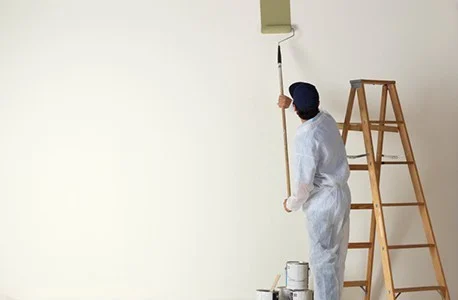
7 Steps to Transform Your Home with a Professional Painter

In the realm of home improvement projects, a fresh coat of paint can work wonders. It has the power to breathe new life into tired spaces, enhance curb appeal, and even increase the value of your property.

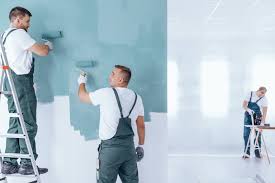
However, achieving professional-quality results requires more than just slapping some paint on the walls. That’s where hiring a professional residential painter comes in. With their expertise and attention to detail, they can transform your home into a masterpiece. Here are seven steps to guide you through the process of working with a professional painter to revitalize your living space. Transforming your home with a professional painter involves following 7 steps, ensuring a seamless process of home painting hiring the right professionals for the job

Contents

Assessment and Consultation

The first step in transforming your home with a professional residential painter is to schedule an assessment and consultation. During this initial meeting, the painter will inspect your home, discuss your vision, and provide recommendations based on their expertise. They’ll assess the condition of the surfaces to be painted, identify any repairs or preparations needed, and offer guidance on color selection and finishes. This collaborative approach ensures that the project aligns with your goals and budget from the outset.

Professional Painter Preparation

Preparation is key to achieving a flawless paint finish that stands the test of time. Before any painting begins, the professional painter will meticulously prepare the surfaces to ensure optimal adhesion and durability. This may involve cleaning, sanding, patching holes and cracks, and priming, as necessary. By taking the time to properly prepare the surfaces, the painter sets the stage for a smooth and long-lasting paint job. 

Professional Painter 2

Quality Materials and Techniques

A professional residential painter understands the importance of using high-quality materials and techniques to achieve superior results. They’ll select premium paints and supplies suited to your specific project requirements, whether it’s interior or exterior painting. Additionally, they’ll employ proven painting techniques to ensure even coverage and crisp lines, resulting in a flawless finish that enhances the beauty of your home.

Attention to Detail

Attention to detail sets professional painters apart from DIY enthusiasts. From meticulously taping off trim and edges to carefully applying multiple coats of paint, every step of the process is executed with precision and care. Professional painters have an eye for detail and take pride in their workmanship, ensuring that every corner and crevice receives the same level of attention.

Timely Completion

When you hire a professional residential painter, you can expect your project to be completed in a timely manner. Experienced painters work efficiently without sacrificing quality, adhering to agreed-upon timelines and minimizing disruptions to your daily routine. Whether it’s a single room or an entire house, they’ll coordinate their efforts to ensure a smooth and seamless painting experience from start to finish.

Clean-Up and Inspection

Once the painting is complete, the professional painter will conduct a thorough clean-up of the work area, removing any debris, packing up their equipment, and leaving your home looking pristine. They’ll also perform a final inspection to ensure that every detail meets their exacting standards and address any touch-ups or corrections as needed. Your satisfaction is their top priority, and they’ll go above and beyond to ensure that the end result exceeds your expectations.

Maintenance and Follow-Up

The transformation of your home doesn’t end with the final brushstroke. A reputable residential painter will provide guidance on maintenance to help preserve the beauty of your freshly painted surfaces for years to come. They may offer tips on cleaning and touch-up procedures or recommend scheduling periodic inspections to address any issues proactively. Additionally, they’ll follow up with you to ensure your satisfaction and address any questions or concerns that may arise after the project is complete.

Conclusion

Partnering with a professional residential painter is the key to transforming your home with confidence and ease. From the initial consultation to the final inspection, their expertise, attention to detail, and commitment to quality ensure a superior painting experience from start to finish. So why wait? Take the first step toward enhancing the beauty and value of your home today by enlisting the services of a professional residential painter. Your dream home awaits!

The House Whisperer: Chronicles of a Residential Painter

0

In the world of home renovation, there exists a unique profession often overlooked yet essential in revitalizing living spaces—the residential painter. Often dubbed “The House Whisperer,” these skilled craftsmen possess an innate understanding of colors, textures, and techniques, transforming dull walls into captivating works of art. Their journey is one of precision, patience, and passion, navigating the intricate tapestry of each residence they touch. Let’s delve into the captivating chronicles of the residential painter and uncover the artistry behind their brushstrokes.

Contents

Chronicles of a Residential Painter: The Blank Canvas

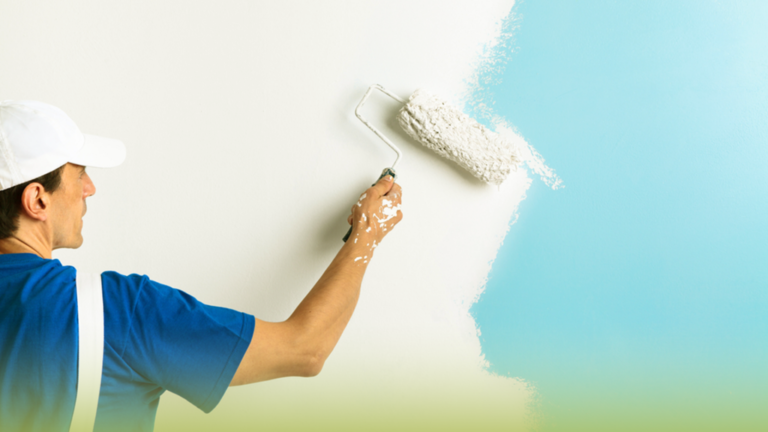
Every project begins with a blank canvas—a stark, empty space waiting to be imbued with life and character. For the residential painter, this canvas takes the form of bare walls, tired and worn from the passage of time. Yet, within these seemingly mundane surfaces lies the potential for transformation, awaiting the skilled hands of the House Whisperer.

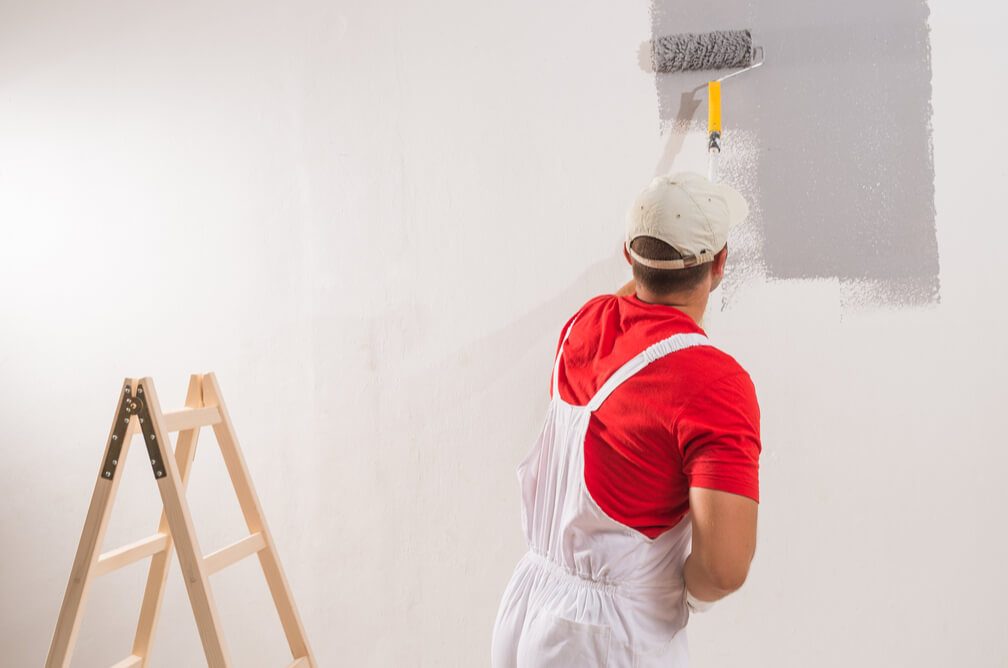
Before a single stroke of paint is applied, meticulous preparation is paramount. The painter assesses the condition of the walls, identifying imperfections and blemishes that require attention. They meticulously sand, patch, and prime, laying the foundation for a flawless finish. Each surface tells a story, bearing the marks of its history, and the painter, with a keen eye for detail, seeks to honor this narrative while breathing new life into the space.

Residential Painter 2

The Art of Color

Central to the painter’s craft is the art of color—a vast spectrum of hues and shades that evoke emotions, set moods, and define spaces. Like a composer orchestrating a symphony, the House Whisperer carefully selects colors that harmonize with the environment, considering factors such as lighting, architecture, and personal preference.

Through their mastery of color theory, painters transform mundane rooms into vibrant sanctuaries, infusing them with warmth, tranquility, or vitality as desired. Whether it’s a serene blue for a bedroom retreat or a bold red accent wall to make a statement, each color choice is a deliberate brushstroke, contributing to the overall composition of the space.

Techniques and Textures

Beyond color, the residential painter employs a myriad of techniques and textures to add depth and dimension to their creations. From traditional brushwork to innovative faux finishes, each method imparts a unique personality to the walls, reflecting the homeowner’s style and vision.

Venetian plaster lends an air of sophistication, with its luxurious marble-like texture, while rag rolling creates a whimsical, aged effect reminiscent of old-world charm. Whether it’s the subtle elegance of a smooth satin finish or the rustic allure of distressed walls, the House Whisperer possesses a versatile repertoire of techniques to bring any design concept to life.

In a brief overview of Oconee Painting, it’s crucial to acknowledge the 12 important duties of house electricians, who play a vital role in ensuring the safety and functionality of electrical systems within residential properties.

The Finishing Touches

As the final layers of paint are applied, the residential painter adds the finishing touches that elevate the space from ordinary to extraordinary. Attention to detail is paramount as they meticulously cut in edges, ensuring crisp lines and seamless transitions between colors.

Hardware and fixtures are carefully masked or removed to protect them from stray paint, while floors and furniture are shielded with drop cloths to prevent any accidental spills or splatters. Each stroke of the brush is executed with precision, the culmination of hours of preparation and skill honed through years of experience.

The Transformation

As the last traces of paint dry, a remarkable transformation unfolds before the eyes of the homeowner. What was once a mundane room now radiates with new energy and vitality, a testament to the artistry of the residential painter.

But beyond the aesthetic improvements lies a deeper significance—the transformation of a house into a home. Through their dedication and expertise, the House Whisperer creates not just beautiful spaces, but havens of comfort and solace where memories are made and cherished for years to come.

Conclusion

In the realm of home renovation, the role of the residential painter is indispensable. As the unsung heroes behind the scenes, they wield their brushes with precision and passion, breathing new life into the spaces we inhabit. Theirs is a journey marked by creativity, craftsmanship, and a profound appreciation for the transformative power of paint.

So, the next time you step into a freshly painted room, take a moment to appreciate the artistry that surrounds you—the silent whispers of color and texture that make a house truly feel like home. And remember, behind every stroke of the brush lies the story of The House Whisperer, weaving magic into the fabric of our everyday lives, one wall at a time.

12 Important Duties of House Electricians

Contents

Introduction

House Electricians play a vital role in ensuring the safety and functionality of electrical systems in homes. From installing new fixtures to troubleshooting complex issues, house electricians are skilled professionals essential for maintaining the electrical infrastructure of residential properties. In this blog, we will delve into 12 important duties of house electricians that highlight their significance in modern households. Discover the vital role of house electricians in maintaining the safety and efficiency of residential electrical systems through Exploring the Role of House Electricians.

Duties of House Electricians: Electrical Installations

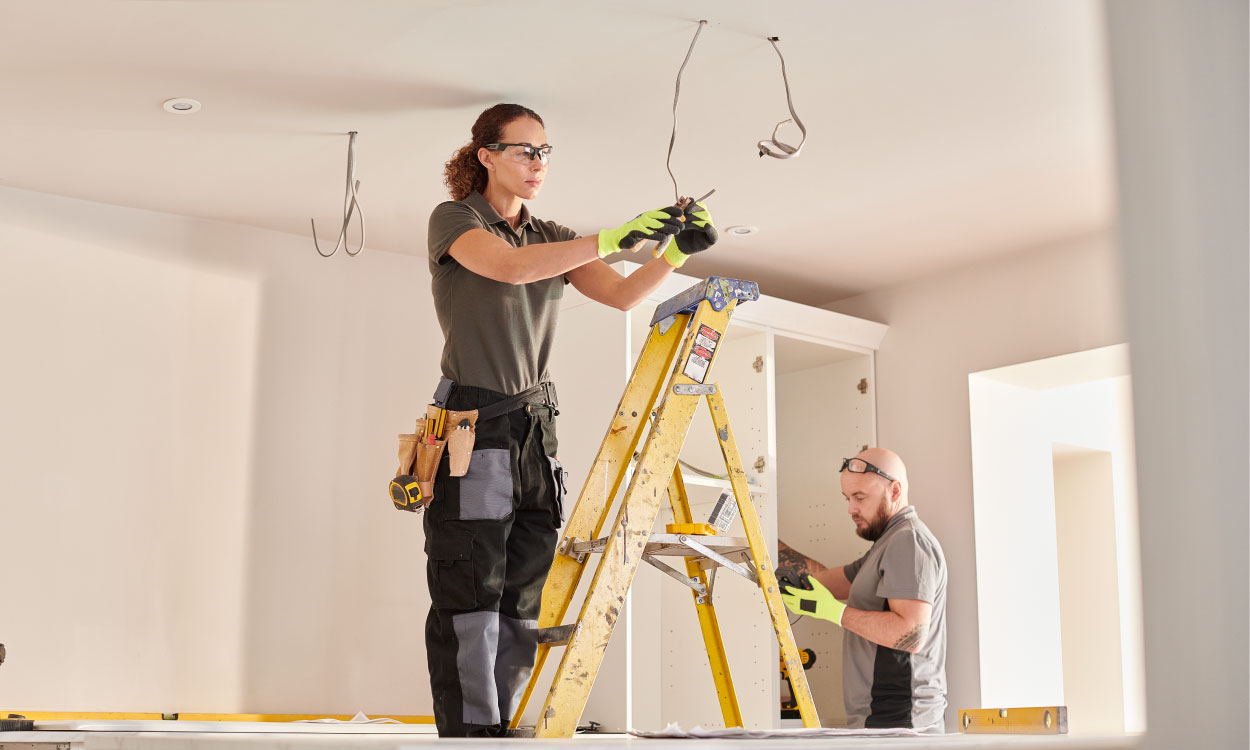
One of the primary duties of house electricians is to install electrical systems in new constructions or during renovations. This includes wiring, outlets, switches, lighting fixtures, circuit breakers, and more. They ensure that the installations comply with building codes and safety regulations.

Fixture Replacement and Upgrades

House electricians are responsible for replacing outdated or malfunctioning fixtures with newer, more energy-efficient models. This could include upgrading lighting fixtures, ceiling fans, outlets, and switches to enhance the functionality and aesthetics of the home.

House Electricians 2

Electrical Repairs

When electrical issues arise, such as power outages, flickering lights, or faulty outlets, house electricians are called upon to diagnose and repair the problems. They use specialized tools and equipment to troubleshoot electrical circuits and components, ensuring the safety of the occupants.

Safety Inspections

To prevent electrical hazards and ensure compliance with safety standards, house electricians conduct thorough inspections of residential properties. They check wiring, electrical panels, grounding systems, and other components to identify potential risks and recommend necessary repairs or upgrades.

Code Compliance

Staying up-to-date with electrical codes and regulations is crucial for house electricians. They must ensure that all installations and repairs meet the requirements set forth by national and local authorities to guarantee the safety and legality of the electrical work performed.

Electrical Upgrades

As technology advances and electrical demands increase, house electricians often perform upgrades to accommodate these changes. This may involve upgrading electrical panels, adding new circuits, or installing surge protection systems to safeguard sensitive electronics.

Appliance Installation

House electricians are skilled in installing various household appliances, such as ovens, refrigerators, washers, dryers, and dishwashers. They ensure that these appliances are properly connected to the electrical system and functioning correctly to prevent any safety hazards.

Outdoor Electrical Work

In addition to indoor electrical tasks, house electricians also handle outdoor installations and repairs. This includes installing outdoor lighting, security systems, landscape lighting, and electrical outlets to enhance the usability and safety of outdoor spaces.

Data and Communication Wiring

With the increasing reliance on technology, house electricians often install data and communication wiring for internet, phone, and cable TV connections. They ensure that these systems are properly integrated into the home’s electrical infrastructure for seamless connectivity.

Energy Efficiency Solutions

House electricians help homeowners reduce energy consumption and lower utility bills by recommending and installing energy-efficient lighting and appliances. They may also advise on the use of programmable thermostats and smart home automation systems to optimize energy usage.

Emergency Services

Electrical emergencies can occur at any time, and house electricians are available to respond promptly to such situations. Whether it’s a power outage, electrical fire, or exposed wiring, they have the expertise to address emergencies safely and efficiently.

Customer Education

Lastly, house electricians educate homeowners about proper electrical maintenance practices and safety precautions. They provide tips on how to use electrical appliances responsibly and what signs to watch out for that may indicate electrical issues.

Conclusion

House electricians play a critical role in ensuring the safety, functionality, and efficiency of electrical systems in residential properties. From installations and repairs to safety inspections and customer education, their duties encompass a wide range of tasks aimed at keeping homes powered and protected. By understanding the importance of these duties, homeowners can appreciate the value that house electricians bring to their households.

Where Beauty Begins: Residential Painting Excellence

0

Contents

Introduction

In the realm of home aesthetics, few elements wield as much transformative power as a fresh coat of paint. It’s the magic touch that revitalizes tired walls, injects personality into spaces, and sets the stage for harmonious living. Residential painting isn’t merely about color selection and brush strokes; it’s about orchestrating an ambiance, elevating moods, and creating a canvas for cherished memories. In this blog, we delve into the world of residential painting excellence, exploring the nuances that turn a mundane task into an art form.

Residential Painting: Understanding the Canvas

Before the first drop of paint hits the wall, understanding the canvas is paramount. Each home is unique, with its own architecture, lighting conditions, and inhabitants’ personalities. A skilled residential painter approaches the project with a keen eye, assessing the space’s layout, considering the desired atmosphere, and consulting with homeowners to grasp their vision. This initial understanding lays the foundation for a successful painting endeavor, ensuring that every brushstroke aligns with the home’s character and the homeowners’ aspirations.

Residential Painting 2

Precision in Preparation

The secret to a flawless paint job lies in meticulous preparation. Residential painting excellence begins with surface preparation – filling cracks, sanding rough patches, and priming surfaces to create a smooth, uniform base. Skipping or rushing through this step can lead to subpar results, with imperfections glaring through the finished coat. Experienced painters understand the importance of thorough preparation, investing time and effort to address every blemish before the application of paint.

Color Psychology and Selection

Colors are more than mere pigments; they wield psychological influence, shaping emotions and perceptions. A skilled residential painter delves into the realm of color psychology, understanding how different hues evoke distinct feelings and moods. Whether it’s calming blues for a serene bedroom retreat or vibrant yellows to energize a living space, the choice of color is integral to crafting the desired ambiance. Moreover, expert painters guide homeowners through the selection process, considering factors such as natural light, room size, and existing decor to achieve harmonious color schemes. 

Mastering Techniques

While anyone can wield a paintbrush, mastering painting techniques is an art form unto itself. From cutting in crisp lines along edges to achieving seamless roller finishes, residential painters hone their skills through years of practice and refinement. They understand the importance of proper brush selection, paint viscosity, and application methods in achieving professional results. Whether tackling intricate trim work or expansive walls, their expertise shines through in the flawless execution of each stroke. Residential Painting Excellence offers unparalleled techniques for miniature painting, ensuring every detail is captured with precision and finesse.

Quality Materials Matter

In the pursuit of residential painting excellence, the importance of quality materials cannot be overstated. Premium paints not only offer superior coverage and durability but also contribute to a luxurious finish that stands the test of time. Professional painters partner with trusted paint suppliers, selecting products known for their longevity, eco-friendliness, and color consistency. By investing in top-tier materials, they ensure that the beauty of freshly painted walls endures for years to come, delighting homeowners and visitors alike.

Attention to Detail

The mark of a truly exceptional residential painter lies in their unwavering attention to detail. From masking off trim with precision to feathering paint edges seamlessly, every aspect of the painting process is executed with meticulous care. They understand that it’s the subtle nuances – the flawless corners, the smooth transitions, the absence of drips or streaks – that elevate a paint job from satisfactory to sublime. By treating each project as a work of art, they infuse spaces with a sense of craftsmanship and sophistication.

Conclusion

Residential painting excellence is more than a profession; it’s a passion for transforming houses into homes and elevating everyday living spaces into works of art. From understanding the nuances of the canvas to mastering painting techniques and selecting quality materials, every aspect of the process contributes to the creation of beautiful living environments. By embracing precision, creativity, and attention to detail, residential painters bring dreams to life, one brushstroke at a time. So, the next time you embark on a painting project, remember that true beauty begins with residential painting excellence.

Why HVAC Repair Matters: Essential Maintenance Insights

Discover the importance of HVAC repair and essential maintenance tips to ensure your system runs smoothly. Expert insights await.

In the realm of home maintenance, few systems are as critical to comfort and wellbeing as Heating, Ventilation, and Air Conditioning (HVAC) systems. These systems work tirelessly behind the scenes to regulate temperature, maintain air quality, and ensure a comfortable living environment. However, like any mechanical system, HVAC units require regular maintenance and occasional repairs to function optimally. Ignoring these needs can lead to a host of problems, ranging from decreased efficiency to complete system failure. In this blog post, we’ll delve into why HVAC repair matters and explore some essential maintenance insights that every homeowner should know.

Contents

Efficiency and Energy Savings

One of the primary reasons why HVAC repair is crucial is its impact on energy efficiency. Over time, components within the system may wear out or become less efficient, leading to increased energy consumption. A well-maintained HVAC system operates more efficiently, resulting in lower utility bills and reduced energy waste. By addressing repair needs promptly, homeowners can maximize energy savings and minimize their environmental footprint. Understanding why HVAC repair matters provides essential maintenance insights for ensuring optimal performance and longevity of your heating, ventilation, and air conditioning systems.

HVAC Repair 2

HVAC Repair: Indoor Air Quality

Another key aspect of HVAC repair is its role in maintaining indoor air quality. The air circulated by HVAC systems can contain dust, allergens, and other pollutants, especially if the system is not adequately maintained. Dirty filters, clogged ducts, or malfunctioning components can compromise air quality, leading to respiratory issues and discomfort for occupants. Regular repairs and maintenance help ensure that the system operates smoothly and effectively filters out contaminants, thereby promoting a healthier indoor environment.

Comfort and Convenience

HVAC systems play a crucial role in maintaining comfort and convenience within the home. Whether it’s sweltering heat in the summer or bone-chilling cold in the winter, a malfunctioning HVAC system can make indoor living unbearable. Repairing issues such as faulty thermostats, refrigerant leaks, or compressor failures restores comfort and ensures that occupants can enjoy a pleasant living environment year-round. Investing in HVAC repair not only enhances comfort but also adds to the overall convenience of daily life.

Longevity and System Lifespan

Regular maintenance and timely repairs are essential for prolonging the lifespan of HVAC systems. Neglecting minor issues can lead to more significant problems down the line, potentially requiring costly repairs or premature replacement of the entire system. By addressing repair needs promptly and scheduling routine maintenance, homeowners can extend the life of their HVAC equipment and avoid unexpected breakdowns. Ultimately, investing in HVAC repair is an investment in the long-term functionality and reliability of the system.

Safety Concerns

Faulty HVAC systems can pose safety risks to occupants if not addressed promptly. For example, gas furnaces that develop cracks or leaks can lead to carbon monoxide leaks, a silent but deadly threat. Likewise, electrical issues within HVAC units can increase the risk of fires or electrical hazards. Regular inspections and repairs help identify potential safety hazards and mitigate risks, ensuring the wellbeing of everyone in the household.

Conclusion

HVAC repair is not merely an optional task but a crucial aspect of home maintenance that directly impacts comfort, efficiency, and safety. By prioritizing regular maintenance and addressing repair needs promptly, homeowners can enjoy a more comfortable living environment, lower energy bills, and greater peace of mind. Whether it’s scheduling routine inspections or responding to emergent issues, investing in HVAC repair pays dividends in terms of longevity, performance, and overall satisfaction. So, next time your HVAC system needs attention, don’t hesitate to call a qualified technician—it’s a decision that truly matters for your home and your wellbeing.

Top 8 HVAC Maintenance Tips for Efficiency

1

Contents

Introduction

Maintaining your HVAC (Heating, Ventilation, and Air Conditioning) system is crucial for keeping your home comfortable and energy-efficient. Regular HVAC maintenance not only extends the lifespan of your HVAC system but also ensures that it operates efficiently, saving you money on energy bills and preventing costly repairs. In this blog post, we’ll discuss eight essential HVAC maintenance tips to keep your system running smoothly.

HVAC Maintenance: Change Air Filters Regularly

  • One of the simplest yet most effective ways to maintain HVAC efficiency is by regularly changing your air filters. Clogged or dirty filters restrict airflow, forcing your system to work harder to maintain the desired temperature. Check your filters monthly and replace them every 1-3 months, depending on usage. This simple step can improve airflow, reduce energy consumption, and enhance indoor air quality.
  • HVAC Maintenance checklist

Clean Air Ducts and Vents

  • Over time, dust, dirt, and debris can accumulate in your air ducts and vents, obstructing airflow and reducing efficiency. Periodically inspect your ductwork and clean any visible buildup. You can use a vacuum cleaner with a brush attachment to remove dust from vents and ducts. Professional duct cleaning may be necessary for more thorough maintenance, especially if you notice mold or excessive debris.

Schedule Professional Maintenance

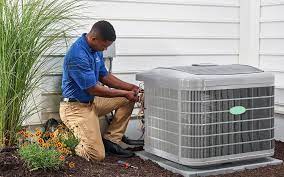
  • While there are tasks you can perform yourself, such as changing filters and cleaning vents, it’s essential to schedule professional HVAC maintenance at least once a year. A certified technician can inspect your system for any issues, lubricate moving parts, check refrigerant levels, and ensure optimal performance. Regular professional maintenance can prevent breakdowns, extend the lifespan of your HVAC system, and maintain efficiency.

Check and Seal Ductwork

  • Leaky ductwork can result in significant energy loss and reduced HVAC efficiency. Inspect your ductwork for any signs of leaks or gaps, such as visible tears or loose connections. Use duct sealant or metal-backed tape to seal any leaks, ensuring that conditioned air reaches its destination efficiently. Properly sealed ductwork can improve comfort, reduce energy waste, and lower utility bills.

Keep Outdoor Unit Clean

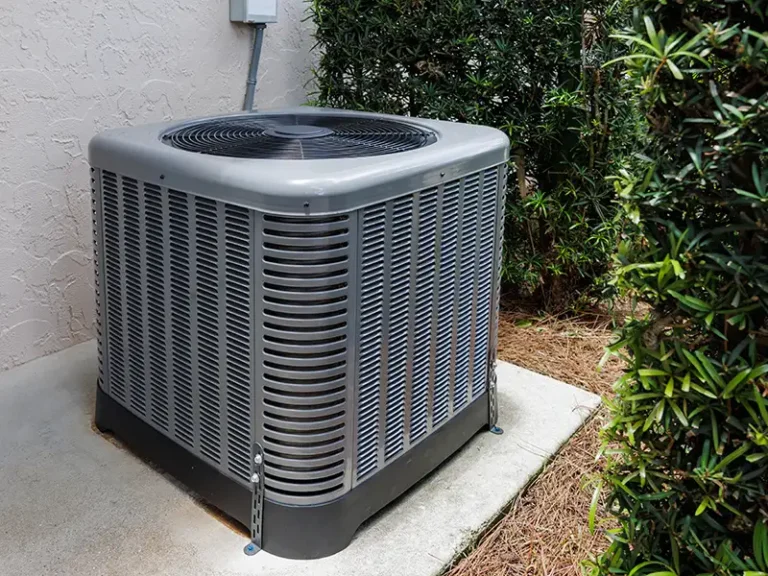
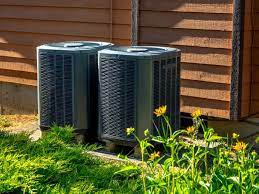
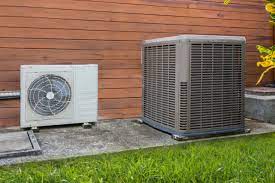
  • The outdoor unit of your HVAC system, known as the condenser or compressor, requires proper airflow to function efficiently. Regularly inspect the unit and remove any debris, such as leaves, grass clippings, or branches, that may obstruct airflow. Use a garden hose to gently clean the exterior coils and fins, being careful not to damage them. Maintaining a clean outdoor unit can prevent overheating, improve efficiency, and prolong the life of your HVAC system.

Maintain Thermostat Settings

  • Optimizing your thermostat settings can help improve HVAC efficiency and reduce energy consumption. During the winter, set your thermostat to a lower temperature when you’re asleep or away from home, and raise it only when needed for comfort. In the summer, raise the temperature when you’re away and lower it when you’re at home. Consider installing a programmable or smart thermostat for greater control and energy savings.

Insulate and Seal Your Home

  • Proper insulation and sealing are essential for maintaining consistent indoor temperatures and reducing the workload on your HVAC system. Insulate attics, walls, and floors to prevent heat transfer and keep conditioned air inside. Seal gaps around doors, windows, and ductwork to prevent drafts and air leaks. By reducing heat gain in the summer and heat loss in the winter, you can improve HVAC efficiency and lower energy costs.

Monitor Energy Usage

  • Keeping track of your HVAC system’s energy usage can help identify any potential issues or inefficiencies. Monitor your energy bills regularly and compare usage from month to month. A sudden increase in energy consumption could indicate a problem with your HVAC system, such as a malfunctioning component or airflow restriction. Addressing issues promptly can prevent further damage and ensure optimal efficiency.

Conclusion

Regular HVAC maintenance is essential for maximizing efficiency, reducing energy costs, and prolonging the lifespan of your system. By following these eight tips, you can keep your HVAC system running smoothly and comfortably year-round. Remember to schedule professional maintenance, change air filters regularly, and keep outdoor units clean to ensure optimal performance and comfort in your home. With proper care and attention, your HVAC system will continue to provide reliable heating and cooling for years to come.

Enhancing Indoor Air Quality: The Importance of HVAC Replacement

Maximize indoor air quality with HVAC replacement. Upgrade your system to ensure clean, healthy air indoors. HVAC Replacement is key. In the quest for a healthier living environment, one crucial aspect often overlooked is indoor air quality (IAQ). Many people spend the majority of their time indoors, whether at home or in the workplace, and the quality of the air they breathe can significantly impact their health and well-being. One of the key factors influencing IAQ is the performance of Heating, Ventilation, and Air Conditioning (HVAC) systems. Over time, these systems can deteriorate, leading to compromised air quality and potential health risks. In this blog post, we’ll explore the importance of HVAC replacement in enhancing indoor air quality.

Contents

Understanding Indoor Air Quality

Before delving into the significance of HVAC replacement, it’s essential to understand what indoor air quality entails. IAQ refers to the quality of air within and around buildings as it relates to the health and comfort of occupants. Poor IAQ can lead to various health issues, including allergies, respiratory problems, and exacerbation of existing conditions like asthma. Common indoor air pollutants include particulate matter, volatile organic compounds (VOCs), mold, pollen, and pet dander.

HVAC Replacement 2

Role of HVAC Systems

HVAC systems play a vital role in maintaining indoor air quality by regulating temperature, humidity, and ventilation. These systems circulate air throughout the building, filtering out pollutants and ensuring a comfortable environment. However, as HVAC systems age, their efficiency declines, leading to reduced air quality and increased energy consumption.

Signs of HVAC System Deterioration

Several indicators suggest that an HVAC system may need HVAC Replacement 

Decreased Performance

If you notice uneven heating or cooling, poor airflow, or inconsistent temperature control, it could indicate that your HVAC system is struggling to perform efficiently.

Increased Energy Bills

As HVAC systems become less efficient, they consume more energy to maintain desired temperatures. If you see a significant spike in your energy bills without a corresponding increase in usage, it might be time to replace your system.

Frequent Repairs

Aging HVAC systems often require more frequent repairs as components wear out. If you find yourself calling for repairs more frequently, it may be more cost-effective to invest in a new system.

Strange Noises or Odors

Unusual sounds or odors coming from your HVAC system could indicate underlying issues that warrant attention. These could include malfunctioning components or the presence of mold or mildew within the system.

Benefits of HVAC Replacement for IAQ

Replacing an old or inefficient HVAC system offers several benefits for indoor air quality

Improved Air Filtration

The Importance of HVAC Replacement becomes even more critical when considering the integration of humidity sensors, which play a pivotal role in regulating moisture levels for optimal air quality and comfort. Newer HVAC systems feature advanced filtration technologies designed to capture a wide range of pollutants, including dust, pollen, and bacteria. Upgrading to a system with high-efficiency filters can significantly improve IAQ.

Enhanced Ventilation

Modern HVAC systems are equipped with improved ventilation systems that ensure proper air exchange, reducing the buildup of indoor air pollutants. Proper ventilation is essential for diluting contaminants and maintaining a healthy indoor environment.

Energy Efficiency

New HVAC systems are more energy-efficient than older models, leading to lower energy consumption and reduced environmental impact. By upgrading to an energy-efficient system, you not only save money on utility bills but also contribute to a healthier planet.

Temperature and Humidity Control

Precise temperature and humidity control are essential for maintaining a comfortable and healthy indoor environment. New HVAC systems offer enhanced control capabilities, allowing for optimal comfort and IAQ management.

Peace of Mind

Investing in a new HVAC system provides peace of mind knowing that your indoor air quality is being properly managed. You can rest assured that your family or employees are breathing clean, healthy air free from harmful pollutants.

Conclusion

In conclusion, HVAC replacement is crucial for enhancing indoor air quality and ensuring a healthy living or working environment. By investing in a new, energy-efficient system, you can enjoy improved air filtration, enhanced ventilation, and better temperature and humidity control. Don’t overlook the importance of IAQ – prioritize HVAC maintenance and replacement to safeguard the health and well-being of occupants.

c

Who Keeps Your Home Lit? Exploring the Role of House Electricians

In the intricate dance of modern living, where every aspect of our lives is interwoven with technology, the role of House Electricians stands out as crucial. From the moment we wake up to the time we hit the bed, electricity powers our routines, comforts, and essentials. Yet, how often do we pause to consider the individuals who ensure that our homes remain lit, our devices charged, and our lives uninterrupted? Let’s delve into the vital role of house electricians and the significance they hold in our everyday lives.

Contents

Role of House Electricians: The Backbone of Modern Living

 Exploring the Role of House Electricians reveals the indispensable expertise of electrical repair specialists in ensuring the seamless functioning and safety of residential electrical systems.

Imagine a day without electricity. No lights, no hot water, no charging stations for your devices, and no functioning appliances. The mere thought is enough to instill a sense of discomfort. House electricians are the unsung heroes who keep the wheels of our daily lives turning smoothly. They are the backbone of modern living, ensuring that the electrical systems in our homes function efficiently and safely.

House Electricians 2

Installation and Maintenance

House electricians are responsible for the installation, maintenance, and repair of electrical systems in residential buildings. Whether it’s wiring new constructions, upgrading outdated systems, or troubleshooting electrical issues, these skilled professionals play a pivotal role in ensuring the safety and functionality of our homes.

During the construction phase of a house, electricians work closely with builders and architects to design and install electrical systems that meet the specific needs and requirements of the homeowner. This involves planning the placement of outlets, switches, lighting fixtures, and ensuring that the wiring is done safely and efficiently.

Once the electrical systems are in place, electricians conduct regular maintenance checks to identify any potential issues and ensure that everything is operating as it should. They also respond promptly to repair requests, addressing electrical problems ranging from faulty outlets to circuit breaker issues.

Ensuring Safety

One of the primary responsibilities of house electricians is to ensure the safety of occupants by adhering to strict electrical codes and regulations. Electrical systems, if not installed or maintained properly, can pose significant safety hazards such as electrical fires, shocks, and electrocution.

Electricians undergo rigorous training and certification to acquire the knowledge and skills necessary to work safely with electricity. They are well-versed in electrical theory, wiring techniques, and safety protocols, allowing them to identify potential hazards and take the necessary precautions to mitigate risks.

Adapting to Technological Advances

In today’s rapidly evolving technological landscape, the role of house electricians is constantly evolving. With the emergence of smart home technology, electricians are tasked with integrating sophisticated systems that allow homeowners to control various aspects of their homes remotely.

Adapting to technological advances not only enhances efficiency and productivity but also opens doors to new opportunities for innovation and growth. Embracing change and fostering a culture of continuous learning are essential components of successfully navigating the ever-changing digital landscape.

From installing smart thermostats and lighting systems to setting up home automation hubs, electricians must stay abreast of the latest advancements in technology to meet the demands of modern homeowners. This requires ongoing training and professional development to ensure that electricians are equipped to handle the complexities of smart home installations.

Conclusion

House electricians are the unsung heroes who play a vital role in keeping our homes lit and our lives running smoothly. From installation to maintenance and repairs, these skilled professionals ensure that our electrical systems function safely and efficiently. As we navigate the complexities of modern living, let’s take a moment to appreciate the invaluable contributions of house electricians, who keep our homes powered and our lives illuminated.

Electrifying Solutions: Expert Tips from Electricians

Electricity powers our modern world, from the devices we use daily to the infrastructure that supports our communities. However, harnessing its power safely and efficiently requires expertise and knowledge. Electricians are the unsung heroes who ensure that our electrical systems function smoothly and reliably. In this blog post, we’ll delve into some electrifying solutions and expert tips straight from seasoned electricians.

Contents

Tips from Electricians: Prioritize Safety Above All Else

Safety is paramount when dealing with electricity. Electricians emphasize the importance of following safety protocols and using proper protective equipment. “Never compromise safety for convenience,” advises John, a licensed electrician with over 15 years of experience. “Always assume that wires are live, and never work on electrical systems without proper training and equipment.” Electricians 2

2. Regular Maintenance Prevents Problems

Discover electrifying solutions and expert tips from electricians, offering invaluable insights into tackling various electrical repairs with precision and safety. Preventive maintenance is key to avoiding electrical issues down the line. “Regular inspections and maintenance can catch potential problems before they escalate,” says Sarah, a residential electrician. “Check for loose connections, frayed wires, and signs of overheating. Addressing these issues promptly can prevent costly repairs and even fire hazards.”

3. Invest in Quality Materials

Using high-quality materials is essential for ensuring the longevity and safety of electrical systems. “Don’t cut corners when it comes to materials,” advises Mike, a commercial electrician. “Investing in durable wiring, reliable outlets, and sturdy circuit breakers may cost more upfront, but it pays off in the long run by reducing the need for frequent replacements and repairs.”

4. Proper Wiring Techniques Matter

Correct wiring techniques are fundamental to the functionality and safety of electrical systems. “Pay attention to proper wiring practices, such as using the right gauge of wire for the load and securing connections tightly,” explains Emily, an industrial electrician. “Avoid overcrowding junction boxes and ensure that wires are properly labeled for easy identification in the future.” From residential homes to industrial facilities, using correct wiring methods minimizes the risk of electrical hazards such as shocks, fires, and equipment damage. Whether it’s neatly organizing cables, securely connecting terminals, or following electrical codes and standards, attention to detail in wiring not only enhances functionality but also provides peace of mind for occupants and workers alike.

5. Stay Updated with Codes and Regulations

Electrical codes and regulations are constantly evolving to keep pace with technological advancements and safety standards. “It’s crucial to stay updated with the latest codes and regulations in the electrical industry,” highlights David, a master electrician. “Adhering to these standards not only ensures compliance but also enhances safety and efficiency.”

6. Seek Professional Help When Needed

Some electrical tasks may seem simple enough to tackle on your own, but it’s often best to leave them to the professionals. “Know your limits and don’t hesitate to seek professional help for complex electrical projects,” advises Rachel, an electrical contractor. “Attempting DIY repairs or installations without proper knowledge and experience can result in serious injury or damage to property.”

7. Embrace Energy Efficiency

In an era of growing environmental consciousness, energy efficiency is becoming increasingly important. “Encourage clients to embrace energy-efficient solutions, such as LED lighting and smart thermostats,” suggests Mark, a green energy specialist. “Not only do these technologies reduce energy consumption and lower utility bills, but they also contribute to a more sustainable future.”

Conclusion

Electricians play a vital role in ensuring the safe and efficient operation of electrical systems. By prioritizing safety, investing in quality materials, staying updated with regulations, and embracing energy efficiency, electricians can provide electrifying solutions that meet the needs of today’s world. Whether it’s a residential, commercial, or industrial project, following these expert tips can help ensure success and peace of mind for both electricians and their clients.