

Friday, March 20, 2026
Home Blog Page 38

Green Deserts: Confronting the Reality of Overgrazing

0

In the vast landscapes that define our planet, an ecological challenge quietly unfolds, often overlooked but profoundly impactful: overgrazing. This article delves into the phenomenon of “Green Deserts,” a term encapsulating the adverse effects of overgrazing on our ecosystems. Here, we explore the consequences, causes, and potential solutions to this environmental predicament.

Read more about Agriculture and Environment

Contents

Understanding Overgrazing

Defining Overgrazing

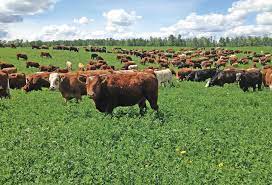
Overgrazing occurs when the land’s vegetation is excessively consumed by livestock, surpassing the ecosystem’s capacity for regrowth. This imbalance disrupts the delicate harmony that sustains biodiversity, transforming vibrant landscapes into barren expanses.

The Domino Effect

The repercussions of overgrazing extend far beyond the immediate trampling of grass. Erosion, soil degradation, and loss of biodiversity amplify the environmental toll. The domino effect, once initiated, jeopardizes the intricate web of life within affected regions.
Overgrazing

The Culprits Behind Overgrazing

Livestock Intensity

Intensive livestock farming practices significantly contribute to overgrazing. Concentrated animal populations exhaust available resources, leaving the land unable to recover adequately. Implementing sustainable practices is imperative to mitigate these effects.

Lack of Rotational Grazing

Failure to employ rotational grazing exacerbates the problem. Allowing livestock unrestricted access to large areas without periodic rotation accelerates vegetation depletion. Sustainable land management practices, such as rotational grazing, are crucial for preserving ecosystems.

Environmental Consequences

Erosion and Soil Degradation

Overgrazing intensifies erosion and soil degradation. Without sufficient plant cover, the soil becomes vulnerable to erosion by wind and water. This not only diminishes fertile topsoil but also leads to increased sedimentation in nearby water bodies, further compromising ecosystems.

Loss of Biodiversity

Biodiversity loss is a direct consequence of overgrazing. As native plants disappear, so do the habitats that sustain a myriad of species. This decline ripples through the food chain, impacting both flora and fauna.

Global Impact and Green Deserts

Beyond Local Borders

The repercussions of overgrazing are not confined to specific regions; they transcend borders. Green deserts, once established, become global concerns, affecting climate patterns and contributing to the broader issue of environmental degradation.

Climate Change Connections

Overgrazing plays a role in climate change. As vegetation diminishes, so does the ability to sequester carbon. The release of stored carbon exacerbates the greenhouse effect, contributing to climate change at an alarming rate.

Strategies for Mitigation

Sustainable Livestock Practices

Adopting sustainable livestock practices is pivotal. Implementing rotational grazing, maintaining optimal stocking rates, and promoting responsible land management are effective strategies. These measures not only preserve ecosystems but also ensure the livelihoods of those dependent on agriculture.

Raising Awareness

Education and awareness initiatives are essential components of combating overgrazing. By fostering understanding and promoting responsible land use, we empower communities to be stewards of their environment.

Conclusion

As we navigate the complex terrain of environmental challenges, addressing overgrazing is an imperative step towards sustainable coexistence. Green deserts are stark reminders of the delicate balance we must preserve. By embracing responsible land management, advocating for sustainable practices, and raising awareness, we can confront the reality of overgrazing and pave the way for a greener, more resilient future.


Cascading Effect Mastery: Amplify Your Impact with Strategic Choices

0

In the fast-paced world of business, where competition is fierce and attention spans are short, mastering the art of making strategic choices is essential. In this article, we delve into the concept of Cascading Effect Mastery, exploring how strategic decisions can amplify your impact and set you apart from the competition.

Read more about Social Media

Contents

Understanding Cascading Effect Mastery

What Sets Successful Businesses Apart

Cascading Effect Mastery is not just a buzzword; it’s a powerful concept that successful businesses leverage to stay ahead. It involves making decisions that create a ripple effect, positively influencing various aspects of your business. From marketing strategies to customer satisfaction, the choices you make at the top can cascade throughout your organization, leading to substantial positive outcomes.

Cascading Effect

The Foundation: Clear Vision and Mission

Building Blocks for Strategic Success

At the core of Cascading Effect Mastery lies a clear vision and mission. Your business’s purpose should be crystal clear, guiding every decision made at all levels. This clarity provides a solid foundation for strategic choices, ensuring they align with the overarching goals of your organization.

Aligning Strategy with Goals

The Key to Sustainable Growth

To truly master the cascading effect, your strategic choices must align seamlessly with your business goals. Whether it’s expanding market share, increasing profitability, or enhancing customer satisfaction, each decision should be a deliberate step towards achieving these objectives. This alignment ensures a focused and coordinated effort throughout your organization.

Embracing Innovation: A Catalyst for Positive Change

Staying Ahead in a Dynamic Landscape

In today’s dynamic business environment, innovation is the driving force behind Cascading Effect Mastery. Embrace change and encourage a culture of innovation within your organization. This could involve adopting new technologies, exploring creative marketing approaches, or redefining your product offerings. Innovations at the top can have a cascading effect, inspiring creativity at all levels of your business.

Strategic Communication: Transmitting Impact

Ensuring Alignment Across the Organization

Communication is the glue that holds together the various facets of your organization. Strategic choices must be communicated effectively to ensure everyone is on the same page. Utilize internal communication channels, regular meetings, and training sessions to transmit the impact of decisions throughout the organization. This not only fosters understanding but also ensures alignment with the overarching strategy.

The Human Element: Empowering Your Team

Turning Strategy into Action

Cascading Effect Mastery is not solely a top-down process. Empower your team to make decisions aligned with the overarching strategy. Foster a culture that encourages autonomy and creativity, allowing each team member to contribute to the cascading effect. By empowering your team, you amplify the impact of strategic choices, creating a more agile and responsive organization.

Measuring Success: Key Performance Indicators (KPIs)

Quantifying the Ripple Effect

To gauge the effectiveness of your strategic choices, establish Key Performance Indicators (KPIs). These metrics provide tangible data on the impact of decisions across different areas of your business. Whether it’s increased sales, improved customer satisfaction, or enhanced employee engagement, KPIs quantify the cascading effect, allowing you to refine your strategies for even greater impact.

Conclusion

Mastering Cascading Effect Mastery is the key to elevating your business to new heights. From the clarity of vision to strategic communication and empowering your team, every aspect plays a crucial role. By making strategic choices that create a positive ripple effect, you position your business for sustained success in a competitive landscape.

Remember, it’s not just about making decisions; it’s about making the right decisions that resonate throughout your organization. Embrace the power of strategic choices, and watch as your business not only survives but thrives in the ever-evolving business landscape.

Cracking the Code: Mastering the Art of Interpreting Widal Test Results

0

In the realm of medical diagnostics, the Widal test stands as a crucial tool for detecting various bacterial infections, particularly typhoid fever. Understanding the nuances of Widal test results is paramount for accurate diagnosis and subsequent treatment. This comprehensive guide will delve into the intricacies of interpreting Widal test results, equipping you with the knowledge to navigate this medical puzzle confidently.

Read more about Healthcare

Contents

Unveiling the Basics: What is the Widal Test?

The Widal test, named after its inventor Georges-Fernand Widal, is a serological method designed to identify antibodies specific to Salmonella typhi, the bacteria responsible for typhoid fever. Conducted through blood serum analysis, the test measures the presence and levels of specific antibodies, aiding in the diagnosis of typhoid and other related infections.

Widal Test

Decoding the Results: Understanding the Widal Test Panel

1. H Antigen Tests (h1, h2, h3, h4):

The “H” in H antigen stands for the flagellar antigen, a key component of Salmonella. Different subtypes (h1, h2, h3, h4) help pinpoint specific strains. Interpretation involves observing the rise in antibody titers, with a significant increase indicating an active infection.

2. O Antigen Tests (o):

The “O” in O antigen represents the somatic or cell wall antigen of Salmonella. Elevated titers here signify exposure or infection, with careful consideration given to the specific type of antibody present.

Navigating the Results: Key Considerations

1. Understanding Titers:

Widal test results are presented in titers, reflecting the dilution of the patient’s serum at which specific antibodies are still detectable. A fourfold increase in titers between acute and convalescent phases is indicative of an ongoing infection.

2. Acute and Convalescent Samples:

For accurate interpretation, both acute and convalescent samples are necessary. The acute sample is collected early in the illness, while the convalescent sample is taken during the recovery phase. Comparing titers between these two stages provides a clearer diagnostic picture.

Clinical Correlation: The Crux of Widal Test Interpretation

While the Widal test is valuable, its results must be correlated with clinical symptoms and other diagnostic methods. A holistic approach, considering patient history, symptoms, and additional tests, ensures a more accurate diagnosis.

Potential Pitfalls: Factors Affecting Widal Test Accuracy

1. Vaccination History:

Prior vaccination against typhoid can influence Widal test results. Awareness of the patient’s vaccination history is crucial for accurate interpretation.

2. Cross-Reactivity:

Cross-reactivity with other infections may lead to false positives. Knowledge of prevalent diseases in the region aids in discerning genuine infections from cross-reactive results.

Conclusion

In the realm of medical diagnostics, precision is paramount. Mastering the interpretation of Widal test results requires a nuanced understanding of the test’s intricacies, careful consideration of titers, and a comprehensive approach to clinical correlation.

Remember, accurate diagnosis is a collaborative effort between healthcare professionals and diagnostic tools. The insights gained from this guide will empower you to navigate the complex landscape of Widal test interpretation with confidence, contributing to improved patient outcomes and more informed medical decisions.

Unlocking the Secrets: Why Your Heart Weight Matters More Than You Think!

1

In the fast-paced world of health and wellness, we often find ourselves chasing the latest trends and cutting-edge research to improve our physical well-being. Amidst the myriad of advice and information, one aspect that tends to be overlooked is the significance of heart weight. Surprisingly, your heart’s weight plays a crucial role in determining overall health, and understanding this factor can be the key to unlocking a healthier and happier life.

Read more about Heartfelt Exploration

Contents

The Heart of the Matter: Understanding Heart Weight

What is Heart Weight and Why Does it Matter?

In the realm of cardiovascular health, the weight of your heart is more than just a number. It is a reflection of the organ’s condition and its ability to function optimally. The heart’s weight is influenced by various factors, including genetics, lifestyle, and overall cardiac health.

Linking Heart Weight to Cardiovascular Health

Recent studies have underscored the connection between heart weight and cardiovascular health. A heavier heart may indicate an increased workload, potentially leading to conditions such as hypertension and heart failure. Conversely, a lighter heart may suggest better efficiency and reduced strain on the cardiovascular system.

Heart Weight

Measuring Up: How to Assess Your Heart Weight

Technological Advances in Heart Weight Measurement

Thanks to advancements in medical technology, assessing your heart weight is no longer an elusive task. Innovative imaging techniques, such as cardiac MRI scans, offer a detailed glimpse into the size and mass of the heart. These non-invasive methods provide valuable insights for both medical professionals and individuals keen on understanding their cardiac health.

Interpreting Results and Taking Action

Upon receiving your heart weight analysis, it’s essential to interpret the results in consultation with a healthcare professional. If your heart weight falls within the optimal range, it signifies a healthy cardiovascular system. However, deviations may warrant lifestyle adjustments, dietary changes, or medical interventions to mitigate potential risks.

Lifestyle Choices: Impact on Heart Weight

The Role of Nutrition in Heart Health

A balanced and heart-healthy diet is paramount in maintaining an optimal heart weight. Diets rich in fruits, vegetables, and lean proteins contribute to cardiovascular well-being. Avoiding excessive salt and saturated fats can further support heart health and prevent unnecessary strain on this vital organ.

Exercise: A Powerful Tool for Heart Weight Management

Regular physical activity not only helps in maintaining a healthy weight but also plays a significant role in optimizing heart function. Engaging in cardiovascular exercises, such as brisk walking, jogging, or swimming, can contribute to a more efficient heart and improve overall cardiovascular health.

Mind-Heart Connection: Stress and Its Impact on Heart Weight

Understanding the Stress-Heart Weight Relationship

Chronic stress can have a profound impact on heart health, potentially influencing heart weight. Elevated stress levels trigger the release of hormones that may contribute to increased heart workload and, subsequently, changes in heart weight.

Stress Management Strategies for a Healthier Heart

Incorporating stress-management techniques into your daily routine is crucial for maintaining a healthy heart weight. Practices such as mindfulness meditation, deep breathing exercises, and adequate sleep can help mitigate the effects of stress and promote overall cardiovascular well-being.

Conclusion

In the pursuit of holistic well-being, acknowledging the importance of heart weight is a game-changer. By prioritizing heart health through conscious lifestyle choices, regular exercise, and effective stress management, individuals can unlock the secrets to a healthier and more fulfilling life.

Powering Up: How Producer Gas is Redefining Energy Sources

0

In the dynamic landscape of energy production, the quest for sustainable and efficient alternatives is relentless. In this pursuit, one innovative contender has been gaining traction – Producer Gas. This article delves into the intricacies of Producer Gas and its transformative impact on redefining energy sources.

Contents

Understanding Producer Gas

Producer Gas, a synthesis gas composed primarily of carbon monoxide, hydrogen, and nitrogen, emerges as a byproduct of biomass gasification. This process involves converting solid biomass into a gaseous fuel, offering a cleaner and more sustainable energy solution.

The Biomass Gasification Process

To grasp the essence of Producer Gas, it’s crucial to comprehend the biomass gasification process. Biomass, ranging from agricultural residues to wood chips, undergoes a thermochemical reaction in a gasifier. This reaction, often facilitated by heat and controlled airflow, results in the production of a versatile gaseous fuel – Producer Gas.

Producer Gas

Advantages of Producer Gas

The ascent of Producer Gas is not arbitrary; it stems from a myriad of advantages that position it as a game-changer in the energy sector.

1. Environmental Sustainability

Producer Gas stands out for its environmental credentials. As a byproduct of biomass, it is considered carbon-neutral, mitigating greenhouse gas emissions and fostering a cleaner energy ecosystem.

2. Versatility in Feedstock

Unlike traditional energy sources, Producer Gas can be generated from various biomass feedstocks, providing flexibility and adaptability to diverse geographical and industrial settings.

3. Energy Efficiency

Producer Gas exhibits high energy efficiency, with the ability to produce heat, electricity, and even synthetic fuels. This multifaceted utility enhances its appeal across different applications.

Applications of Producer Gas

The versatility of Producer Gas extends to its applications, spanning across both industrial and residential domains.

1. Industrial Heat and Power Generation

In industries, Producer Gas is harnessed for heat and power generation, offering an eco-friendly alternative to conventional fossil fuels. This not only reduces operational costs but also aligns with sustainable business practices.

2. Rural Electrification

In rural areas, where access to conventional energy sources is often limited, Producer Gas presents an opportunity for decentralized electrification. This empowers communities and stimulates economic growth.

Challenges and Future Outlook

While Producer Gas holds immense promise, it is essential to acknowledge the challenges it faces for a comprehensive perspective.

1. Technical Hurdles

The technical intricacies of biomass gasification demand continuous refinement. Researchers and engineers are actively working to optimize gasification processes and enhance the overall efficiency of Producer Gas.

2. Market Integration

For widespread adoption, Producer Gas must seamlessly integrate into existing energy markets. Overcoming market barriers and fostering collaboration between stakeholders are pivotal for its successful integration.

Conclusion

In the relentless pursuit of sustainable energy alternatives, Producer Gas emerges as a frontrunner, offering a potent and versatile solution to the evolving energy landscape. Its applications, coupled with environmental benefits, position it as a catalyst for change. As we navigate the complexities of our energy future, embracing innovations like Producer Gas becomes imperative for a greener and more sustainable tomorrow.

Beyond Mud and Muck: Pedology Impact on Agriculture and Environment

0

Pedology, the scientific study of soil and its dynamic interactions with the environment, holds a pivotal role in shaping our agricultural practices and environmental sustainability. In this exploration, we delve into the intricate world beneath our feet, uncovering the profound impact of pedology on agriculture and the broader ecosystem.

Contents

The Soil Spectrum: Unraveling Soil Composition

Soil Types and Compositions

One of the fundamental aspects of pedology is comprehending the diverse spectrum of soil types. From loamy soils enriched with organic matter to sandy soils characterized by rapid drainage, each type influences crop growth differently. Understanding the composition is crucial for optimizing agricultural yield.

Pedology 2

Nutrient Cycles and Soil Fertility

Pedologists decipher the intricate dance of nutrients within the soil. Micronutrients like nitrogen, phosphorus, and potassium play a crucial role in fostering robust plant growth. A thorough understanding of these nutrient cycles empowers farmers to implement targeted fertilization strategies, enhancing soil fertility.

Agricultural Advancements: Pedology in Action

Precision Agriculture

In the era of technological marvels, pedology integrates seamlessly with precision agriculture. Soil sensors, satellite imagery, and data analytics converge to provide farmers with real-time insights. This synergy ensures optimized resource utilization, minimizing environmental impact while maximizing crop yield.

Sustainable Farming Practices

Pedological insights pave the way for sustainable farming practices. Crop rotation, cover cropping, and contour plowing are among the strategies employed to mitigate soil erosion and maintain soil health. Embracing these practices not only benefits the environment but also bolsters long-term agricultural productivity.

Environmental Implications: Pedology’s Far-reaching Effects

Soil Erosion and Conservation

Uncontrolled soil erosion poses a significant threat to both agriculture and the environment. Pedologists play a crucial role in developing erosion control measures, such as terracing and planting cover crops, safeguarding fertile topsoil from being lost to the forces of nature.

Climate Change Resilience

As the specter of climate change looms large, pedology becomes a linchpin for climate-resilient agriculture. By understanding soil-water dynamics and implementing water conservation practices, farmers can better navigate the challenges posed by erratic weather patterns.

The Future of Agriculture: Nurturing Growth Through Pedology

Future of Agriculture Pedology

Research and Innovation

The field of pedology is dynamic, with ongoing research fueling innovative solutions. From biochar applications to microbial soil amendments, continuous advancements promise to revolutionize agricultural practices, ensuring food security while minimizing environmental impact.

Education and Advocacy

Empowering farmers with pedological knowledge is pivotal for sustainable agriculture. Educational initiatives and advocacy efforts can bridge the gap between scientific discoveries and on-field implementation, fostering a community of environmentally conscious and informed agricultural practitioners.

Conclusion

In the intricate tapestry of agriculture and the environment, pedology emerges as a guiding light. Beyond mere dirt and sediment, the soil becomes a dynamic entity shaping the future of our sustenance and the planet’s health. As we navigate the challenges of the 21st century, embracing the insights gleaned from pedology ensures a resilient and sustainable path forward.


FAQ

🌱What is pedology?🌱

Oh, pedology? Great question! Pedology is the study of soils – not just dirt, but all the fascinating stuff about how soils form, what they’re made of, and how they interact with plants, water, and the environment. It’s like being a soil detective, uncovering the secrets hidden beneath our feet. If you’re into nature, agriculture, or even environmental science, pedology is where the ground rules begin – literally! 🌱


🌱Why are soils important?🌱

Oh, soils are absolutely essential! Think of them as the Earth’s magic carpet, supporting pretty much all life around us. They’re home to countless organisms, provide nutrients for plants, and help store water. Without healthy soil, we wouldn’t have crops for food, trees for air, or flowers for, well, making life prettier. Plus, they play a big role in filtering water and even tackling climate change by storing carbon. So, yeah, soils are like the unsung heroes of the planet! 🌱


🌱How is soil formed?🌱

Ah, soil formation! It’s like nature’s slow and steady art project. Soil is formed over thousands, even millions of years, through a mix of physical, chemical, and biological processes. First, rocks break down into tiny pieces thanks to weathering caused by wind, water, temperature changes, and even plants sneaking their roots into cracks. Then, organic matter like dead plants and animals adds nutrients to the mix as it decomposes. Over time, this blend of minerals, organic material, air, and water comes together to create soil.

So, the next time you dig in the dirt, remember—it’s got a whole history behind it! 🌱


🌱Is soil erosion good or bad?🌱

Soil erosion? It’s mostly bad news, my friend. Think of it as nature losing its protective layer. When soil erodes, plants struggle to grow, which messes with food supplies and ecosystems. Plus, it can lead to water pollution because all that loose soil ends up in rivers and lakes. That said, erosion is a natural process, so it’s not all bad if it’s happening slowly and in balance. But when humans speed it up—like cutting down too many trees or poor farming practices—then it’s definitely trouble. So, yeah, erosion needs to be kept in check for the sake of, well, everything! 🌱


🌱How can we improve future agriculture?🌱

Oh, that’s such an important question! Improving future agriculture is like preparing the ultimate recipe for feeding the world sustainably—exciting yet challenging. A good starting point? Smarter technology! Things like AI, drones, and precision farming can help farmers grow more with less effort, reducing waste and maximizing yields. Imagine robots picking strawberries—cool, right?

Then there’s sustainability. We need to focus on methods that protect the soil, save water, and reduce the use of harmful chemicals. Organic farming, crop rotation, and agroforestry are great examples of keeping things eco-friendly while producing healthy food.

And let’s not forget the farmers themselves. They need support—better education, fair wages, and access to tools and innovations. Happy farmers grow happy crops!

Oh, and maybe we should also encourage urban farming—growing food right in the city! Rooftop gardens and vertical farms could make fresh produce available everywhere. It’s all about teamwork between science, nature, and humans. We’ve got this! 🌱

Unlocking Nature’s Secret: The Marvels of Polyembryony Revealed!

0

Polyembryony, a phenomenon hidden in the depths of nature, has long intrigued scientists and enthusiasts alike. In this article, we delve into the intricacies of this fascinating process, unlocking the secrets it holds and shedding light on its marvels. Prepare to be captivated by the wonders of polyembryony, a topic rarely explored but undoubtedly deserving of our attention.

Read more about Future of Agriculture

Contents

Understanding Polyembryony

The Basics

Polyembryony, derived from the Greek words “poly” (many) and “embryon” (embryo), is a phenomenon where a single fertilized egg results in the development of multiple embryos. Unlike typical embryonic development, polyembryony gives rise to genetically identical individuals, commonly referred to as polyembryos. This biological marvel occurs in various organisms, from plants to animals, showcasing the diversity of nature’s ingenuity.

 Polyembryony

Plant Kingdom

In the realm of plants, polyembryony is a well-documented occurrence. Citrus fruits, such as oranges and lemons, are notable examples where a single seed can give rise to multiple plants. This unique feature has agricultural implications, offering opportunities for crop improvement and cultivation.

Animal Kingdom

Polyembryony is not limited to the plant kingdom; it manifests in the animal kingdom as well. Among the species demonstrating this phenomenon are certain parasitic wasps. These wasps lay eggs in a host organism, and each egg develops into a genetically identical larva, ensuring a higher likelihood of survival for their offspring.

The Significance of Polyembryony

Agricultural Advantages

In agriculture, the exploration of polyembryony opens doors to improved crop yields and resilience. The ability to generate multiple plants from a single seed can revolutionize farming practices, addressing global challenges such as food security and sustainable agriculture.

Ecological Adaptations

From an ecological standpoint, polyembryony provides insights into the adaptive strategies of various species. The survival advantages conferred by genetically identical offspring shed light on the intricate balance of nature and the strategies organisms employ to thrive in diverse environments.

Unlocking the Genetic Mechanisms

Molecular Insights

To truly appreciate the marvels of polyembryony, it is essential to explore the underlying genetic mechanisms. Recent advancements in molecular biology have allowed scientists to unravel the intricate processes governing the development of identical embryos from a single fertilized egg.

Gene Expression Patterns

Studying the gene expression patterns during polyembryony development has revealed critical insights into the regulation of cellular differentiation. Understanding these patterns could potentially lead to breakthroughs in genetic engineering and medical research.

Future Implications and ApplicationsPolyembryony 2

Biotechnological Opportunities

The revelations surrounding polyembryony hold immense promise in the field of biotechnology. Harnessing this natural phenomenon could pave the way for innovative applications, ranging from enhanced crop production to advancements in regenerative medicine.

Environmental Conservation

As we face unprecedented environmental challenges, the insights gained from polyembryony can contribute to conservation efforts. By understanding and leveraging nature’s strategies, we can work towards preserving biodiversity and fostering sustainable coexistence.

Challenges and Ethical Considerations

While polyembryony holds immense potential, it’s not without challenges. In agriculture, the dominance of asexual embryos can sometimes overshadow genetic diversity, making plants more susceptible to diseases. In research and medicine, ethical concerns arise regarding the manipulation of embryos and its implications for biodiversity and natural processes.

Conclusion

Polyembryony stands as a testament to the wonders of nature’s design. From its implications in agriculture to its role in ecological adaptations, this phenomenon opens new avenues for exploration and innovation. As we unlock the genetic mechanisms and delve into its molecular intricacies, the potential applications in biotechnology and environmental conservation become increasingly apparent. The marvels of polyembryony, once hidden, are now revealed, and invite you to join us in embracing the possibilities it unfolds for a more sustainable and resilient future.

Unlocking Nature’s Palette: The Aesthetics of venereology

0

When we think of venereology, the branch of medicine that deals with sexually transmitted diseases, aesthetics may not be the first thing that comes to mind. After all, the focus of venereology is primarily clinical—identifying, treating, and preventing infections that can have profound effects on human health. However, beneath the surface of medical science lies a fascinating interplay of biology, art, and nature.

Let’s delve into how the aesthetics of venereology reveal a deeper appreciation for nature’s palette—a mixture of the vibrant, the mysterious, and the striking.

Read more about Actinomycetes

Contents

Aesthetics of Venereology

The Artistic Side of Microbiology

At the microscopic level, the organisms that cause venereal diseases are visually stunning. Viruses like herpes simplex or human papillomavirus (HPV) display intricate geometric symmetry when viewed under an electron microscope. Bacteria, such as the corkscrew-shaped Treponema pallidum (responsible for syphilis), showcase nature’s fascination with unique patterns and forms. These organisms, despite being agents of disease, are masterpieces of evolutionary design. They adapt, evolve, and thrive in ways that boggle the mind—a testimony to the resilience and creativity of life.

While their effects on the human body can be destructive, their microscopic appearances remind us of the duality of nature—both beautiful and dangerous.

The Colors of Healing

The practice of venereology isn’t just about disease; it’s also about healing. The tools of diagnosis and treatment often involve a vivid palette of their own. Stains like Gram stain or Giemsa stain—used to identify microorganisms under the microscope—create colorful slides that resemble abstract paintings. These colors serve as guides for clinicians, helping them pinpoint the culprits behind infections and tailor effective treatments.

Even the evolution of medical imaging and diagnostics adds to this aesthetic narrative. Imagine the vivid imagery of advanced dermatological scans or the striking visuals of interactive medical animations used to educate patients. In these moments, science intersects with art, showcasing a blend of precision and creativity.

venereology
venereology

Cultural and Symbolic Aesthetics

Venereology also taps into the aesthetics of human interaction and cultural evolution. The historical depictions of venereal diseases in art and literature offer a glimpse into societal perceptions and stigmas. From medieval paintings warning of syphilis outbreaks to contemporary art that challenges taboos around sexual health, venereology has long been a part of human storytelling.

Take, for instance, Renaissance-era artwork that subtly incorporated references to diseases like syphilis. These works, often layered with symbolism, served both as cautionary tales and reflections of societal struggles with morality and health. Fast forward to today, where campaigns promoting sexual health leverage bold visuals and creative messaging to normalize discussions around STIs and empower individuals to seek care without shame.

The Human Connection

At its heart, venereology is deeply intertwined with the human experience. The field’s aesthetics extend beyond the laboratory and into the realms of empathy and communication. Every consultation, diagnosis, and treatment plan is an opportunity to foster understanding and connection.

Think of the patient-centered posters in clinics, designed with vibrant, approachable visuals to make information accessible. These are not just pieces of paper; they’re bridges to better health, crafted to resonate with people from all walks of life. Venereology, in its own unique way, celebrates the diversity of human experiences and the importance of holistic care.

Conclusion:

The aesthetics of venereology may not be obvious at first glance, but they’re undeniably present. From the microscopic artistry of pathogens to the colorful tools of healing and the cultural narratives surrounding sexual health, venereology offers a kaleidoscope of insights into the beauty and complexity of life.

By unlocking nature’s palette and embracing the artistic side of science, we can not only advance medical understanding but also foster a more compassionate and open dialogue around sexual health. In the end, appreciating the aesthetics of venereology reminds us that even in the realm of disease and healing, there’s room for wonder and admiration.


FAQ

What is the meaning of venereology?

Oh, venereology? That’s a fancy term for the branch of medicine that deals with sexually transmitted infections (STIs). Basically, it’s all about understanding, diagnosing, and treating diseases that are passed through intimate contact. So, if you ever hear someone say they’re a venereologist, they’re the go-to expert for all things STI-related. 😊

What is venereal disease?

Oh, venereal disease? That’s just an old-school term for what we now call sexually transmitted infections, or STIs. These are infections that spread through sexual contact. You know, stuff like chlamydia, gonorrhea, syphilis, and even herpes or HIV fall into this category.

But hey, no need to panic! Most of these are treatable or manageable, especially if caught early. It’s all about being smart—practice safe sex, use protection, and don’t skip regular check-ups. And if you ever have concerns, just talk to a doctor; they’ve heard it all before, trust me!

How do venereal diseases start?

Oh, that’s a good question! So, venereal diseases, or sexually transmitted infections (STIs), usually start when certain bacteria, viruses, or parasites are passed from one person to another during sexual contact. This could include vaginal, anal, or oral sex. The culprits behind these infections—like chlamydia, gonorrhea, or even herpes—love to hitch a ride on bodily fluids or through skin-to-skin contact in intimate areas.

Sometimes, you might not even realize someone has an STI because many don’t show symptoms right away (or at all). That’s why safe sex practices, like using condoms and getting regular check-ups, are super important. It’s not about being paranoid—it’s about being proactive and taking care of yourself and your partner. 😊

Can venereal disease be treated?

Oh, absolutely! Venereal diseases, or sexually transmitted infections (STIs), can often be treated effectively. The key is catching them early and following the advice of a healthcare provider. Some STIs, like chlamydia or gonorrhea, can be cured completely with antibiotics, while others, like herpes or HIV, can’t be cured but can be managed really well with medication.

If you suspect something’s up, don’t panic! Just book a visit to a doctor or clinic, get tested, and let them guide you through the next steps. And hey, a little prevention goes a long way—so don’t forget about safe practices like using protection and having open conversations with partners. You’ve got this!

What are examples of venereal diseases?

Oh, buddy, venereal diseases—those pesky infections spread through intimate contact—are more common than you’d think. Examples include chlamydia, which is sneaky and often symptomless, and gonorrhea, also known as “the clap” (why it has a nickname is beyond me). Then there’s syphilis, the OG of STDs, which comes in stages and can cause big problems if untreated. Genital herpes is another one, caused by HSV, and don’t forget HPV (human papillomavirus), which can lead to warts or even cancer. And, of course, there’s HIV/AIDS, the one everyone’s heard of. The good news? Regular checkups and protection can keep you safe!

Actinomycetes Unveiled: How Microorganisms Are Transforming Medicine

0

In the dynamic landscape of modern medicine, where breakthroughs and innovations are constant, one area that has been gaining prominence is the role of actinomycetes. These fascinating microorganisms are proving to be transformative agents in the field of medicine, offering new avenues for drug discovery, disease treatment, and even environmental sustainability.

Read more about Types of Medicine

Contents

Understanding Actinomycetes

A Microscopic Marvel

Actinomycetes, often considered a unique class of bacteria, are microscopic wonders with a significant impact on various industries. Their distinct filamentous structure sets them apart, and they thrive in diverse environments, from soil to aquatic ecosystems.

Biodiversity and Discovery

Diving into the world of actinomycetes reveals an astounding biodiversity. These microorganisms have been discovered in nearly every corner of the globe, showcasing their resilience and adaptability. The richness of their genetic makeup presents a vast resource for researchers seeking novel compounds for medical applications.

Microorganisms

The Medicinal Marvel of Actinomycetes

Antibiotic Pioneers

One of the most notable contributions of actinomycetes to medicine is their role in antibiotic production. Streptomycin, the first antibiotic effective against tuberculosis, was derived from these microorganisms. This discovery marked a turning point in medical history, saving countless lives and paving the way for the antibiotic era.

Anticancer Compounds

Beyond antibiotics, actinomycetes are proving invaluable in the fight against cancer. The isolation of compounds with potent anticancer properties from these microorganisms has opened new possibilities for developing targeted therapies and improving the efficacy of existing treatments.

Actinomycetes and Drug Discovery

Natural Products as Pharmaceuticals

The unique biochemical pathways of actinomycetes result in the production of a vast array of secondary metabolites. Many of these compounds exhibit pharmaceutical potential, serving as the foundation for numerous drugs. Tetracycline, erythromycin, and vancomycin are just a few examples of medications derived from these microbial marvels.

Bioprospecting for the Future

As technology advances, bioprospecting for novel compounds from actinomycetes has become a focal point in drug discovery. The exploration of uncharted microbial territories holds the promise of uncovering unprecedented therapeutic agents, addressing emerging health challenges and combating antibiotic resistance.

Environmental Impact and Sustainability

Bioremediation and Soil Health

Actinomycetes play a crucial role in environmental sustainability through their involvement in bioremediation. These microorganisms excel in breaking down complex organic compounds, contributing to soil health and mitigating pollution. Harnessing their natural abilities presents opportunities for eco-friendly solutions to environmental challenges.

Actinomycetes in Agriculture

In agriculture, actinomycetes contribute to plant growth promotion and disease suppression. Their symbiotic relationships with plants enhance nutrient uptake, leading to improved crop yields. This agricultural benefit underscores the diverse applications of actinomycetes beyond the realm of medicine.

Challenges and Future Prospects

Overcoming Challenges in Cultivation

Despite their immense potential, cultivating actinomycetes for industrial applications poses challenges. Optimization of cultivation conditions, genetic engineering, and innovative techniques are essential to overcome these hurdles and unlock the full therapeutic and economic potential of these microorganisms.

Collaborative Research for Global Impact

The future of actinomycetes in medicine hinges on collaborative research efforts. Scientists, pharmaceutical companies, and environmental organizations must join forces to harness the full spectrum of possibilities these microorganisms offer. International collaboration is key to addressing global health challenges and advancing sustainable practices.

Conclusion

The impact of actinomycetes on medicine is profound and multifaceted. From pioneering antibiotics to offering solutions for environmental challenges, these microorganisms are at the forefront of scientific exploration. As we delve deeper into their genetic diversity and biochemical potential, the possibilities for improving human health and the environment are boundless. Embracing the power of actinomycetes is not just a scientific endeavor but a pathway to a healthier and more sustainable future.

Shining a Light on Tincture of Iodine: Benefits, Uses, and Beyond

0

In the vast landscape of health and wellness, certain remedies stand out for their versatility and efficacy. Tincture of iodine is one such powerhouse that has been gaining attention for its myriad benefits and diverse applications. In this comprehensive guide, we delve into the depths of tincture of iodine, exploring its benefits, uses, and the uncharted territories beyond.

Read more about Liv 52

Contents

Understanding Tincture of Iodine

What is Tincture of Iodine?

Tincture of iodine, a solution of iodine in alcohol, is renowned for its antiseptic properties. Iodine, a trace element essential for thyroid function, takes on a different role when combined with alcohol, becoming a potent solution with broad applications.


Tincture of Iodine


The Benefits Unveiled

1. Antiseptic Powerhouse

Tincture of iodine’s primary claim to fame lies in its exceptional antiseptic properties. Widely used in wound care, it efficiently kills bacteria, viruses, and fungi, promoting a clean and accelerated healing process.

2. Thyroid Health Booster

Iodine is a vital component for thyroid hormones, crucial for regulating metabolism. Tincture of iodine serves as a supplemental source, supporting thyroid function and overall endocrine health.

3. Emergency Preparedness

Compact and long-lasting, tincture of iodine is a must-have in any emergency preparedness kit. It can be used to disinfect water, ensuring a safe and reliable source of hydration during crises.

Applications in Daily Life

1. First Aid Arsenal

In every household, tincture of iodine should be a staple in the first aid kit. From minor cuts and abrasions to more serious wounds, its antiseptic nature makes it an invaluable tool for preventing infections.

2. Water Purification

In outdoor adventures or emergency situations where access to clean water is limited, tincture of iodine can be a lifesaver. A few drops can purify water, making it safe for consumption.

3. Skin Conditions

Beyond first aid, tincture of iodine is gaining recognition for its effectiveness in managing various skin conditions. From acne to fungal infections, its antimicrobial properties offer a natural and affordable solution.

Cautionary Notes

While tincture of iodine offers a spectrum of benefits, it’s crucial to use it judiciously. Excessive application on open wounds may delay healing, and allergic reactions can occur in some individuals. Consultation with a healthcare professional is advised for those with pre-existing conditions or concerns.

Exploring the Future of Tincture of Iodine

As the realm of holistic health expands, tincture of iodine is poised to play an even more significant role. Ongoing research suggests potential applications in areas such as oral health, with preliminary studies indicating its efficacy in combating oral infections and promoting gum health.

Conclusion

In the realm of health and wellness, tincture of iodine emerges as a versatile and indispensable tool. From its time-tested role as a potent antiseptic to its potential future applications, this solution deserves a place in every home. As you embark on your journey towards optimal well-being, consider harnessing the power of tincture of iodine, a humble yet potent elixir.