
Saturday, March 21, 2026
Home Blog Page 49

Learning While Touring: Educational Boat Tours

0

Boat tours have long been a popular way to explore and enjoy the natural beauty of waterways, lakes, and oceans. However, beyond the pleasure of cruising, boat tours can also provide a unique educational experience. Educational boat tours offer visitors the opportunity to learn about marine life, ecology, history, and culture while enjoying the beautiful views and fresh air. In this article, we will explore the benefits and features of educational boat tours, as well as some of the best destinations to experience them.

Contents

What are Educational Boat Tours?

Educational boat tours are specialized tours that focus on teaching visitors about the marine environment, ecology, history, and culture of the area they are visiting. These tours are typically led by expert guides, who have extensive knowledge of the local marine environment and history. The guides provide informative commentary, answer questions, and facilitate hands-on learning activities. Educational boat tours are suitable for visitors of all ages and backgrounds, making them an ideal activity for families, school groups, and solo travelers alike.
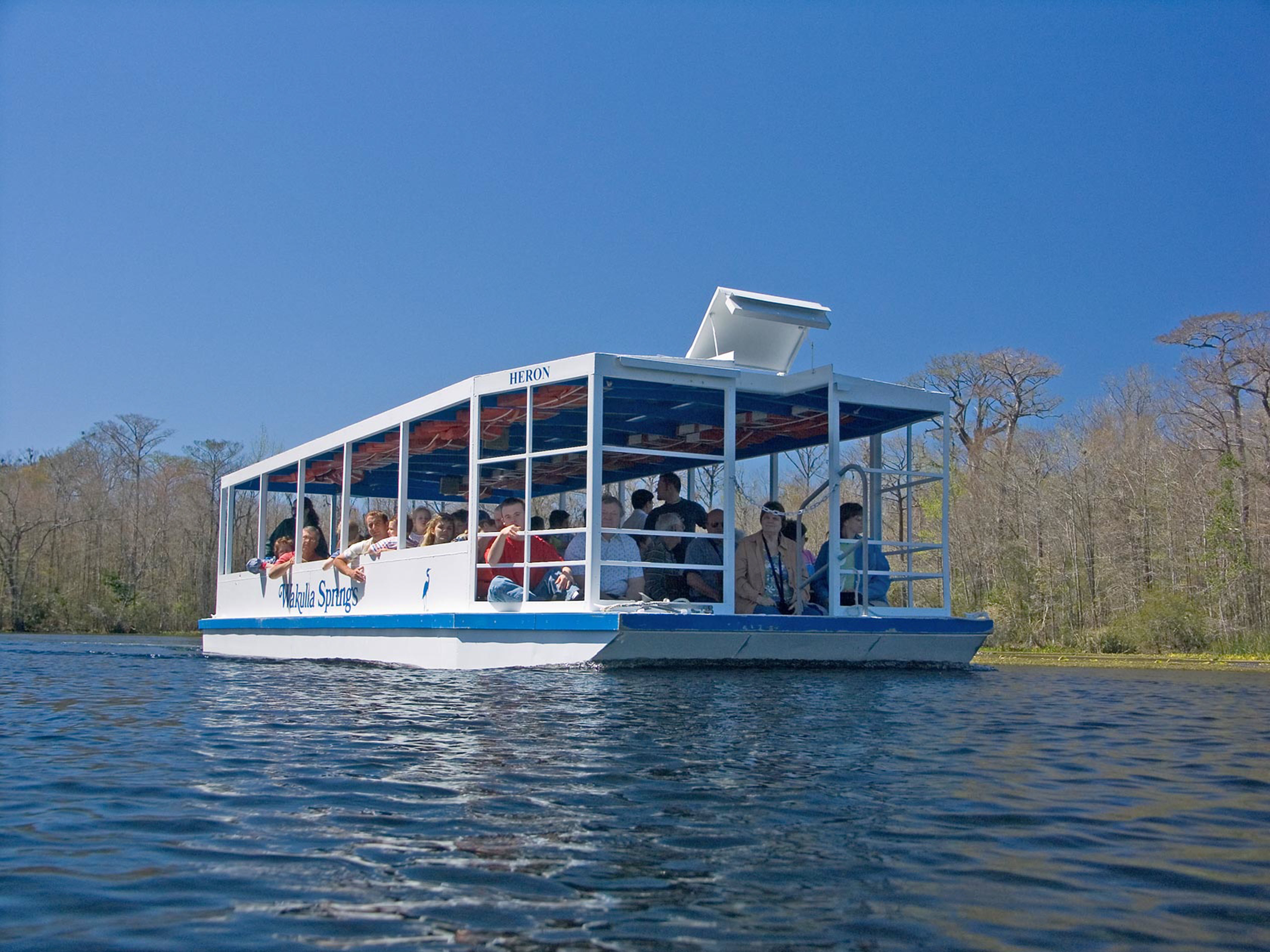
Historic Boat Tours | Florida State Parks

Benefits of Educational Boat Tours

There are several benefits of taking an educational boat tour. First, these tours offer a unique perspective on the marine environment and the local area. From the water, visitors can see wildlife, landscapes, and historical sites that are not visible from land. Additionally, boat tours provide a relaxing and refreshing experience. The fresh air, sunshine, and gentle rocking of the boat can reduce stress, improve mood, and enhance overall well-being.

Educational boat tours also provide an opportunity for hands-on learning. Many tours include activities such as fishing, crabbing, and shell collecting. These activities allow visitors to learn about the local marine life and ecology in a fun and engaging way. Some tours even offer the opportunity to participate in citizen science projects, such as monitoring water quality or tracking animal populations.

Finally, educational boat tours provide an opportunity for visitors to connect with the local community. Many tours are operated by local businesses and organizations, which helps to support the local economy. Visitors can also learn about the history and culture of the area from the perspective of local guides, who often have deep roots in the community.

Top Destinations for Educational Boat Tours

There are many destinations around the world that offer educational boat tours. Here are some of the top destinations to consider:

Galapagos Islands, Ecuador: The Galapagos Islands are a unique and biodiverse ecosystem that is home to many endemic species. Educational boat tours in the Galapagos offer visitors the opportunity to see rare and exotic wildlife, such as giant tortoises, marine iguanas, and blue-footed boobies. Tours also provide insights into the history and culture of the islands, which have played an important role in the study of evolution and ecology.

Ha Long Bay, Vietnam: Ha Long Bay is a UNESCO World Heritage Site that is known for its towering limestone cliffs and clear turquoise waters. Educational boat tours in Ha Long Bay offer visitors the opportunity to learn about the geology and ecology of the area, as well as the culture and history of the local fishing communities.

Great Barrier Reef, Australia: The Great Barrier Reef is one of the world’s most diverse and complex ecosystems. Educational boat tours in the Great Barrier Reef offer visitors the opportunity to snorkel or dive among the coral reefs and see a wide variety of marine life, including tropical fish, sea turtles, and reef sharks. Tours also provide insights into the challenges facing the reef, such as climate change and pollution.

San Juan Islands, Washington, USA: The San Juan Islands are a group of islands located in the Salish Sea off the coast of Washington State. Educational boat tours in the San Juan Islands offer visitors the opportunity to see a wide variety of marine life, including orcas, humpback whales, seals, and sea lions. Visitors can also learn about the ecology and history of the area, as well as the local Native American tribes who have inhabited the islands for thousands of years.

Chobe River, Botswana: The Chobe River is a major waterway in southern Africa that is home to a diverse range of wildlife, including elephants, hippos, and crocodiles. Educational boat tours in the Chobe River offer visitors the opportunity to see these animals up close and learn about their behavior and ecology. Visitors can also learn about the history and culture of the local communities, including the traditional fishing and farming practices.

Alaska, USA: Alaska is a vast and diverse state that is home to many unique ecosystems and wildlife. Educational boat tours in Alaska offer visitors the opportunity to see glaciers, fjords, and marine wildlife such as whales, sea otters, and seals. Visitors can also learn about the history and culture of the region, including the indigenous communities who have lived there for thousands of years.

Conclusion

Educational boat tours offer a unique and engaging way to learn about the marine environment, ecology, history, and culture of a region. These tours provide a relaxing and refreshing experience, while also offering opportunities for hands-on learning and community engagement. From the Galapagos Islands to Alaska, there are many destinations around the world that offer educational boat tours. So the next time you plan a trip, consider adding an educational boat tour to your itinerary to gain a new perspective on the natural and cultural wonders of the world.

Setting Sail: Private Boat Tours for a Luxurious Experience

0

When it comes to enjoying the open waters, there are a variety of ways to make the experience luxurious. Private boat tours are becoming an increasingly popular option for those who want to enjoy a more intimate and personalized boating experience.

Private boat tours provide the perfect opportunity to explore the world from a different perspective. Whether it’s a romantic sunset cruise for two, a family outing, or a group celebration, private boat tours offer a customizable experience that is sure to leave lasting memories.

One of the most appealing aspects of private boat tours is the exclusivity. Unlike larger tour groups, private tours provide a personalized experience with only your chosen companions. This means that the tour can be tailored to suit your interests, preferences, and schedule.


The Broken Tiki | Tiki Boat Tours | Broken Bow & Hochatown, OK

With a private boat tour, you have the freedom to choose your itinerary and schedule. You can set the pace of the tour, allowing you to fully immerse yourself in the experience. Whether you want to take a leisurely cruise, explore hidden coves, or anchor in a secluded spot, the choice is yours.

Another advantage of private boat tours is the opportunity to explore areas that may not be accessible to larger boats. With a smaller vessel, you can navigate through narrow waterways, shallow bays, and secluded coves that larger boats cannot reach. This allows for a more intimate and immersive experience of the destination.

Private boat tours also offer the opportunity to engage in various activities. Depending on the tour provider and destination, activities such as snorkeling, fishing, and kayaking may be available. These activities provide a unique way to explore the local marine life and natural surroundings.

When it comes to private boat tours, there are a variety of vessels to choose from. From luxury yachts to classic sailboats, there is a boat for every style and budget. Many tour providers offer a range of vessels to choose from, allowing you to find the perfect boat for your needs.

One of the most popular vessels for private boat tours is the catamaran. Catamarans offer a stable and spacious platform for cruising, making them ideal for families and larger groups. They also provide ample space for lounging, dining, and socializing.

For those who want a more luxurious experience, a yacht may be the perfect choice. Yachts offer a level of luxury and sophistication that is unmatched by other vessels. With amenities such as air conditioning, private cabins, and gourmet catering, yachts provide a truly indulgent experience on the water.

When it comes to choosing a private boat tour provider, it’s important to do your research. Look for providers with a good reputation and positive customer reviews. Check to see if the provider is licensed and insured, and inquire about their safety protocols.

It’s also important to consider the destination when choosing a private boat tour. Some destinations may be better suited for certain types of boats or activities. For example, a catamaran may be ideal for cruising the calm waters of the Caribbean, while a yacht may be better suited for exploring the rugged coastline of Alaska.

When planning your private boat tour, be sure to communicate your needs and preferences with the tour provider. This will ensure that the tour is tailored to your specific interests and desires. It’s also important to discuss any dietary restrictions, medical conditions, or special needs with the provider in advance.

Conclusion

Private boat tours offer a luxurious and personalized way to explore the open waters. With a wide range of vessels to choose from and the ability to customize your itinerary, a private boat tour is sure to provide a unique and unforgettable experience. Whether you’re looking for a romantic getaway, a family adventure, or a group celebration, a private boat tour is the perfect way to set sail and discover the beauty of the world from a different perspective.

Island Hopping: Exploring Multiple Destinations on a Boat Tour

0

If you are looking for a unique and exciting way to explore multiple destinations during your vacation, consider embarking on an island hopping boat tour. Island hopping has become increasingly popular in recent years, and for a good reason. It allows you to visit multiple destinations and experience different cultures, all while enjoying the stunning natural beauty of the ocean and its surroundings.

Contents

What is Island Hopping?

Island hopping is a term used to describe the process of visiting multiple islands or destinations on a single trip. This can be done either by plane, ferry, or boat, but the latter is the most popular choice for those looking to enjoy the journey as much as the destination. Island hopping boat tours offer travelers the opportunity to explore a variety of destinations, ranging from secluded islands and hidden coves to bustling ports and lively cities.

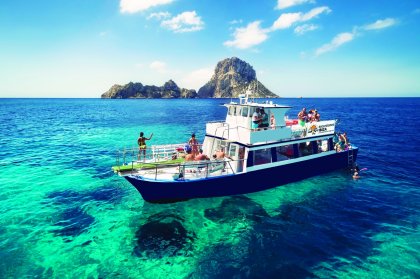
Boat trips around the coast of Ibiza and to Formentera | Ibiza Spotlight

Why Choose an Island Hopping Boat Tour?

There are many reasons why an island hopping boat tour may be the perfect vacation option for you. Firstly, it offers the chance to visit multiple destinations on a single trip, meaning you get to experience a range of different cultures and landscapes. Secondly, traveling by boat allows you to see the world from a different perspective and appreciate the beauty of the ocean and its surroundings. Thirdly, boat tours often offer a unique and unforgettable experience, allowing you to create memories that will last a lifetime.

Types of Island Hopping Boat Tours

There are various types of island hopping boat tours available, each catering to different tastes and preferences. Some popular types of tours include:

1. Private Yacht Tours

Private yacht tours offer a luxurious and personalized experience, allowing you to travel in style and comfort. These tours are perfect for those looking for a more intimate and exclusive experience and are often customizable to your specific needs and interests.

2. Group Tours

Group tours are a popular choice for those looking to travel with friends or family. These tours typically include a set itinerary, allowing you to visit multiple destinations while traveling with like-minded people.

3. Adventure Tours

Adventure tours are perfect for thrill-seekers and those looking to explore the natural beauty of the ocean and its surroundings. These tours often include activities such as snorkeling, diving, and kayaking, allowing you to experience the destination in a unique and exciting way.

4. Cultural Tours

Cultural tours are perfect for those looking to experience the local culture and traditions of the destinations they visit. These tours often include visits to museums, historical landmarks, and local markets, providing a fascinating insight into the local way of life.

5. Eco-Tours

Eco-tours are perfect for those looking to explore the natural beauty of the destinations they visit while also promoting sustainable tourism. These tours often include visits to protected areas and wildlife reserves, allowing you to appreciate the local flora and fauna while also learning about the importance of conservation.

Best Destinations for Island Hopping

There are countless destinations around the world that are perfect for island hopping boat tours. Some of the best destinations include:

1. The Greek Islands

The Greek Islands are a popular choice for island hopping boat tours, offering a variety of destinations ranging from secluded beaches and charming villages to bustling ports and lively cities. Some popular islands to visit include Santorini, Mykonos, and Crete.

2. The Caribbean Islands

The Caribbean Islands offer a range of destinations, each with its own unique culture and landscape. Some popular islands to visit include Barbados, Jamaica, and the Bahamas.

3. The Seychelles

The Seychelles is a tropical paradise, offering pristine beaches, crystal-clear waters, and a range of unique flora and fauna. Some popular islands to visit include Mahe, Praslin, and La Digue.

The Best Boat Tours for History Buffs

0

Exploring history can be a fascinating journey, and what better way to do it than on a boat tour? Whether you’re a history buff or just love exploring new destinations, there are plenty of boat tours around the world that offer a glimpse into the past. Here are some of the best boat tours for history buffs:

Contents

1. River Thames, London

The River Thames in London is not just a picturesque waterway that winds its way through the city, but it’s also steeped in history. A boat tour of the river will take you past some of London’s most iconic landmarks, such as the Tower of London, the Houses of Parliament, and the London Eye. You’ll also get to see some lesser-known historical sites, such as the Brunel Museum and the Thames Barrier.

One of the highlights of the River Thames boat tour is a visit to the famous Greenwich, which was the birthplace of time. The Royal Observatory, located on the top of a hill in Greenwich, is where the world’s prime meridian line is located. The boat tour will give you the opportunity to see the historic Cutty Sark, the oldest tea clipper in the world, and the National Maritime Museum.

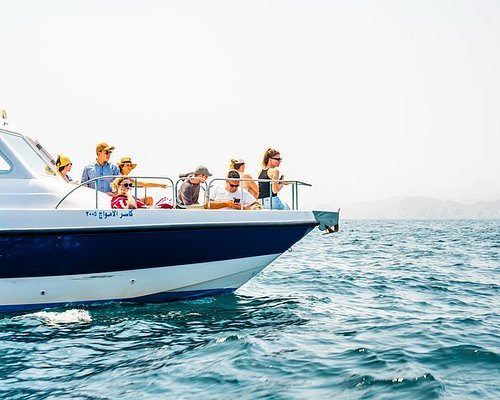
THE 10 BEST Muscat Boat Rides & Cruises (Updated 2023)

2. Nile River, Egypt

The Nile River is not just the longest river in the world, but it’s also one of the most historically significant. A boat tour of the Nile will take you past some of Egypt’s most famous historical sites, such as the temples of Karnak and Luxor, the Valley of the Kings, and the Abu Simbel temples.

One of the highlights of the Nile River boat tour is a visit to the ancient city of Aswan, which was once the gateway to the African continent. Here, you can see the Philae Temple, which was relocated to a nearby island when the Aswan High Dam was built. You can also visit the Unfinished Obelisk, which was abandoned in ancient times when it cracked during carving.

3. Seine River, Paris

A boat tour of the Seine River in Paris is not just a romantic experience, but it’s also a historical one. The river flows through the heart of Paris, and a boat tour will take you past some of the city’s most famous landmarks, such as the Eiffel Tower, Notre Dame Cathedral, and the Louvre Museum.

One of the highlights of the Seine River boat tour is a visit to the Palace of Versailles, which was once the home of French royalty. The boat tour will take you through the beautiful gardens of Versailles and past the Grand Canal. You’ll also get to see the ornate fountains and statues that dot the landscape.

4. Halong Bay, Vietnam

Halong Bay in Vietnam is not just a stunning natural wonder, but it’s also a historically significant site. The bay is dotted with over 1,600 limestone islands and islets that rise out of the emerald green waters. A boat tour of Halong Bay will take you past some of the most beautiful islands and caves in the bay, such as the Sung Sot Cave and the Trinh Nu Cave.

One of the highlights of the Halong Bay boat tour is a visit to Cat Ba Island, which was once a military stronghold during the Vietnam War. Here, you can explore the historic Cannon Fort, which was used to defend the island against enemy attacks. You can also visit the Hospital Cave, which was used as a secret hospital during the war.

Kayaking, Paddle-Boarding, and More: Water Sports Boat Tours

0

There is something truly magical about being on the water, feeling the wind in your hair and the sun on your skin. Whether you’re a thrill-seeker or just looking for a relaxing day out, water sports boat tours offer a unique and exciting way to explore the beauty of the sea.

Kayaking is one of the most popular water sports and for good reason. It is a low-impact activity that is suitable for people of all ages and fitness levels. Kayaks are lightweight and easy to maneuver, making them the perfect vessel for exploring calm waters or navigating through choppy waves. With a kayak, you can explore hidden coves, spot wildlife, and get up close and personal with nature.

If you’re looking for something a little more challenging, paddle-boarding is a great option. It involves standing on a large, stable board and using a paddle to move through the water. Paddle-boarding is an excellent workout, helping to improve your balance, core strength, and coordination. It is also a fantastic way to explore shallow waters and get a unique perspective on your surroundings.

For those looking for an adrenaline rush, jet skiing is an exhilarating option. With a powerful motor and high speeds, jet skis allow you to fly across the water and experience the thrill of riding the waves. Jet skiing is a great way to explore the coastline and discover hidden beaches and coves that are inaccessible by foot.

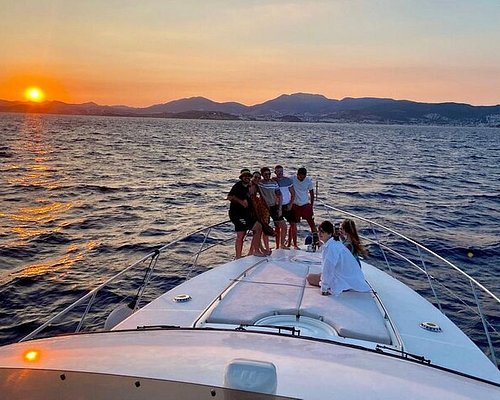
THE 10 BEST Bodrum City Boat Rides & Cruises (Updated 2023)

If you prefer a more leisurely pace, a sailing tour may be just what you’re looking for. Sailing is a peaceful and calming activity that allows you to fully immerse yourself in the natural beauty of the sea. You can sit back and relax as the wind gently propels you across the water, or get involved in the action by helping to raise the sails and steer the boat.

For those who want to take their water sports to the next level, scuba diving is an incredible experience. With a tank of compressed air strapped to your back, you can descend into the depths of the sea and explore a whole new world of marine life. From colorful coral reefs to mysterious shipwrecks, scuba diving offers a unique and unforgettable perspective on the underwater world.

Of course, water sports boat tours aren’t just about the activities themselves – they’re also about the destinations you get to explore. Whether you’re kayaking along the rugged coastline, paddle-boarding through calm bays, or sailing to secluded islands, you’ll be able to discover hidden gems and experience the beauty of nature in a whole new way.

One of the best things about water sports boat tours is that they are suitable for people of all ages and fitness levels. Whether you’re a seasoned pro or a complete beginner, there is an activity that will suit your needs and preferences. Many tour operators offer guided tours and lessons, so you can learn new skills and gain confidence on the water.

When choosing a water sports boat tour, it’s important to do your research and find a reputable operator that prioritizes safety and environmental responsibility. Look for tour companies that have experienced guides, quality equipment, and a commitment to protecting the natural environment.

Another factor to consider when booking a water sports boat tour is the time of year and weather conditions. Some activities, such as scuba diving, may be better suited to certain seasons or water temperatures, while others, such as paddle-boarding, can be enjoyed year-round. Be sure to check the weather forecast and water conditions before booking your tour to ensure that you have the best possible experience.

The Joy of Fishing: Fishing Boat Tours for Anglers

0

Fishing is an age-old tradition that has been enjoyed by generations of people all over the world. The sport of fishing is not only a great way to get some fresh air and enjoy the great outdoors, but it can also be an incredibly rewarding and relaxing pastime. For many anglers, fishing boat tours are the perfect way to experience the joy of fishing while exploring new waters and catching some truly impressive fish.

Fishing boat tours are becoming increasingly popular among anglers of all skill levels, from novices to experienced fishermen. These tours provide a unique opportunity to fish in new locations, often with the guidance of experienced captains and crew members who know the best spots to find fish. Whether you’re looking for a day trip or a longer excursion, there are plenty of fishing boat tours available to suit your needs.

One of the great things about fishing boat tours is that they allow you to explore new waters and discover new species of fish. Depending on the tour you choose, you may have the opportunity to fish in rivers, lakes, or even the ocean. Each of these environments offers its own unique challenges and rewards, and fishing boat tours give you the chance to experience them all.

Boat Tours | The Living Water Boat Cruises | United States

For example, if you’re interested in freshwater fishing, there are a variety of fishing boat tours available that will take you to some of the best rivers and lakes in the country. You can explore new bodies of water and try your hand at catching different species of fish, from trout and bass to walleye and pike. Many of these tours also offer the chance to learn new techniques and strategies from experienced guides, so you can improve your skills and become a better angler.

If you prefer saltwater fishing, there are also plenty of fishing boat tours that cater to this interest. These tours typically take place in the ocean, where you can catch a variety of species including tuna, marlin, and swordfish. Some tours also offer the chance to fish for bottom-dwelling species like grouper and snapper. Fishing in the ocean requires a different set of skills and equipment than freshwater fishing, so it’s important to choose a tour that is designed for your experience level.

One of the biggest advantages of fishing boat tours is that they provide a convenient and hassle-free way to enjoy your favorite pastime. All of the equipment you need, including fishing rods, reels, and bait, is typically provided by the tour operator. This means you don’t have to worry about lugging heavy gear around or purchasing expensive equipment of your own. Instead, you can simply show up and start fishing.

In addition to the convenience factor, fishing boat tours also offer a social aspect that many anglers enjoy. Fishing can be a solitary activity, but on a tour, you’ll have the opportunity to meet and interact with other like-minded people who share your love of fishing. You can swap stories, compare catches, and maybe even make some new friends along the way.

Of course, one of the main reasons people choose to go on fishing boat tours is to catch fish. And with the guidance of experienced captains and crew members, your chances of having a successful day on the water are greatly increased. These professionals know the best spots to find fish, and they have the knowledge and equipment needed to help you land a big one.

But even if you don’t catch the fish of a lifetime, the experience of being out on the water and enjoying the beauty of nature can be incredibly rewarding in and of itself. Fishing boat tours provide a unique opportunity to disconnect from the stresses of daily life and immerse yourself in a peaceful and serene environment. Whether you’re fishing alone or with friends and family, it’s a chance to bond over a shared experience and create memories that will last a lifetime.

Experience the Wild Side: Wildlife Boat Tours

0

If you’re looking for a thrilling and adventurous way to explore the natural world, look no further than a wildlife boat tour. These excursions provide a unique opportunity to get up close and personal with some of the planet’s most incredible animals in their natural habitat. From whales and dolphins to seals and sea lions, the wildlife you’ll encounter on a boat tour is truly awe-inspiring.

One of the biggest draws of wildlife boat tours is the chance to see marine mammals in their natural environment. Whale watching, in particular, is a popular activity for many tourists. Depending on your location, you may be able to spot humpback, gray, or even killer whales on your tour. These majestic creatures can grow up to 50 feet long and weigh over 40 tons, so seeing them up close is a truly humbling experience. In addition to whales, many boat tours also offer the chance to see dolphins and porpoises. These playful creatures are known for their acrobatic displays and are always a crowd-pleaser.

New York Boat Show

Another fascinating aspect of wildlife boat tours is the opportunity to see birds and other wildlife that you might not see on land. Seabirds like puffins, gulls, and cormorants are common sights on many tours, as are coastal birds like ospreys and bald eagles. You may also spot otters, seals, and sea lions lounging on rocks or swimming in the water. Getting to see these creatures up close is a rare and exciting experience that you won’t soon forget.

Of course, one of the biggest draws of wildlife boat tours is the thrill of being out on the open water. Whether you’re cruising through calm bays or bouncing through choppy waves, the sensation of being on a boat is exhilarating. Many tours also offer informative commentary from knowledgeable guides, who can provide insights into the wildlife and the natural history of the area. This can make the experience even more enriching and memorable.

If you’re interested in taking a wildlife boat tour, there are a few things to keep in mind. First, be sure to research the company you’re considering and read reviews from past customers. Look for a company that is reputable and experienced in the type of tour you’re interested in. You should also check the weather forecast and dress appropriately for the conditions. Depending on your location, you may need to bring sunscreen, a hat, and a jacket to protect against the sun, wind, and cold. Finally, be respectful of the wildlife and follow any guidelines provided by your tour guide. This can help ensure that you have a safe and enjoyable experience for both you and the animals.

One of the best things about wildlife boat tours is that they are available in many different parts of the world. Whether you’re in Alaska, Hawaii, Australia, or Europe, there is likely a tour operator that can take you out on the water to see some incredible wildlife. Some of the most popular destinations for wildlife boat tours include:

  • Alaska: Known for its stunning scenery and abundant wildlife, Alaska is a top destination for wildlife boat tours. Here, you can see everything from humpback whales to bald eagles to sea otters.
  • Hawaii: The warm waters around Hawaii are home to a diverse array of marine life, including dolphins, sea turtles, and manta rays. Many tours also offer the chance to snorkel or swim with these creatures.
  • Australia: From the Great Barrier Reef to the Ningaloo Coast, Australia is home to some of the world’s most spectacular marine life. Here, you can see everything from whale sharks to dugongs to colorful reef fish.

How to Measure the Success of Your Fundraising Campaign

0

Fundraising campaigns are an integral part of the nonprofit world. They allow organizations to gather resources and support to achieve their missions and make a positive impact on their communities. However, measuring the success of a fundraising campaign is not always an easy task. In this article, we will discuss some essential metrics and tips to help you measure the success of your fundraising campaign.

Contents

Set clear goals

The first step to measuring the success of your fundraising campaign is to set clear goals. Goals should be specific, measurable, achievable, relevant, and time-bound (SMART). Setting clear goals will allow you to know exactly what you want to achieve and how to measure your progress. Some examples of fundraising campaign goals include:

Raise $50,000 in donations by the end of the year

Increase the number of monthly donors by 10% within six months

Raise awareness about your organization and its mission by reaching 1,000 new people on social media

Quick Tips to Boost Your Fundraising Efforts

Track your progress

Once you have set your fundraising campaign goals, the next step is to track your progress. Tracking your progress will allow you to know how close you are to achieving your goals and what adjustments you need to make. Some ways to track your progress include:

Using a fundraising thermometer: A fundraising thermometer is a visual representation of your progress towards your fundraising goal. It is an excellent tool to motivate your supporters and encourage more donations.

Donor management software: Donor management software allows you to track donations, donor information, and communication. It will help you identify which fundraising strategies are working and which ones need improvement.

Regular reporting: Regular reporting to your team and stakeholders will keep everyone informed about your progress and any adjustments that need to be made.

Measure your return on investment (ROI)

Measuring your return on investment (ROI) is an essential metric for any fundraising campaign. It will help you determine the effectiveness of your fundraising strategies and tactics. ROI is calculated by dividing the net profit of your fundraising campaign by the total cost of your campaign. A positive ROI means that your campaign generated more revenue than it cost, while a negative ROI means that your campaign cost more than it generated.

Monitor your donor retention rate

Donor retention rate is the percentage of donors who continue to give to your organization year after year. Monitoring your donor retention rate is crucial because it costs less to retain existing donors than to acquire new ones. A high donor retention rate indicates that your organization is doing an excellent job of building relationships with donors and making them feel appreciated. Some ways to monitor your donor retention rate include:

Tracking the number of donors who give more than once

Surveying donors to ask why they continue to support your organization

Offering personalized communication and engagement opportunities to your donors

Analyze your donor acquisition cost

Donor acquisition cost is the cost of acquiring a new donor. It includes all the expenses associated with finding and recruiting new donors, such as advertising, direct mail, and events. Analyzing your donor acquisition cost is important because it will help you determine the most effective fundraising strategies for acquiring new donors. You want to make sure that the cost of acquiring a new donor is lower than the lifetime value of that donor. Some ways to analyze your donor acquisition cost include:

Tracking the cost of different fundraising strategies

Calculating the lifetime value of your donors

Comparing the cost of acquiring new donors to the cost of retaining existing donors

Evaluate your engagement metrics

Engagement metrics measure how engaged your supporters are with your organization. They include metrics such as social media likes, shares, and comments, email open rates, and click-through rates. Monitoring your engagement metrics is important because it will help you determine how effective your communication and engagement strategies are. Some ways to evaluate your engagement metrics include:

Tracking social media engagement: Monitor the number of likes, shares, and comments on your social media posts. You can also track the growth of your social media followers and the reach of your posts.

Analyzing email open and click-through rates: Email is a powerful tool for engaging with your supporters. You can measure the success of your email campaigns by tracking open and click-through rates. A high open rate indicates that your subject line was effective, while a high click-through rate indicates that your email content was engaging.

Measuring website traffic: Your website is often the first point of contact for potential donors. You can track the number of visitors to your website, the pages they visit, and how long they stay on your site.

Conclusion

Measuring the success of your fundraising campaign is essential to ensure that you are meeting your goals and making an impact in your community. By setting clear goals, tracking your progress, measuring your ROI, monitoring your donor retention rate, analyzing your donor acquisition cost, and evaluating your engagement metrics, you can make data-driven decisions and improve your fundraising strategies. Remember to regularly communicate your progress and adjustments to your team and stakeholders to keep everyone informed and engaged in your fundraising efforts.

Donor Cultivation: Building Relationships for Fundraising Success

0

Fundraising is a critical activity for any nonprofit organization. It’s a way to raise funds to support the organization’s mission and provide the resources it needs to make a difference in the community it serves. Donor cultivation is an essential aspect of fundraising that involves building relationships with donors to inspire their ongoing support.

Donor cultivation is the process of developing relationships with donors to engage them in the organization’s mission, values, and goals. It’s a way to establish a lasting connection with donors by creating a positive donor experience that inspires them to give again and again. Donor cultivation is a critical component of successful fundraising because it helps to build trust, credibility, and loyalty among donors.

In this article, we’ll explore the importance of donor cultivation, the key elements of an effective donor cultivation strategy, and some best practices to help you build lasting relationships with your donors.

How to Build Collaborative Fundraising Relationships - SEE Change Magazine

Contents

Why is donor cultivation important?

Donor cultivation is important because it helps to build lasting relationships with donors. It’s a way to engage donors in your organization’s mission and values, which can inspire them to give more generously over time. Donor cultivation also helps to build trust and credibility with donors, which can lead to increased loyalty and ongoing support.

Donor cultivation is especially important for new donors who may not be familiar with your organization’s work. Cultivating these donors can help to establish a strong connection with them and inspire ongoing support. Donor cultivation is also essential for maintaining relationships with existing donors, who may become disengaged if they don’t feel valued or connected to your organization.

Elements of an effective donor cultivation strategy

An effective donor cultivation strategy should include several key elements:

  1. Personalization: Personalization is critical to donor cultivation because it helps to create a personalized donor experience. Personalization can include addressing donors by name, tailoring communications to their interests and giving history, and acknowledging their support in a meaningful way.
  2. Communication: Communication is essential to donor cultivation because it helps to keep donors informed about your organization’s work and impact. Regular communication can include newsletters, impact reports, and personal updates from staff and volunteers.
  3. Engagement: Engagement is crucial to donor cultivation because it helps to build a relationship with donors. Engagement can include inviting donors to events, providing volunteer opportunities, and offering exclusive benefits to donors, such as early access to new programs or events.
  4. Stewardship: Stewardship is critical to donor cultivation because it helps to acknowledge and recognize donors’ support. Stewardship can include personalized thank-you notes, recognition in publications or on your website, and donor appreciation events.

Best practices for donor cultivation

Here are some best practices to help you cultivate lasting relationships with your donors:

  1. Segment your donors: Segmenting your donors based on their giving history, interests, and demographics can help you tailor your communications and engagement strategies to their needs and interests.
  2. Use storytelling: Sharing stories about the impact of your organization’s work can help to inspire donors and create an emotional connection with them.
  3. Provide opportunities for feedback: Providing opportunities for donors to provide feedback and share their ideas can help to create a sense of ownership and investment in your organization’s work.
  4. Keep donors informed: Regular communication, such as newsletters and impact reports, can help to keep donors informed about your organization’s work and the impact of their support.
  5. Acknowledge and recognize donors: Personalized thank-you notes, recognition in publications or on your website, and donor appreciation events can help to acknowledge and recognize donors’ support and build loyalty.

Conclusion

Donor cultivation is an essential aspect of successful fundraising. It’s a way to build lasting relationships with donors and inspire ongoing support for your organization’s mission and goals. An effective donor cultivation strategy should include personalization, communication, engagement, and stewardship.

The Importance of Storytelling in Fundraising

0

Storytelling has always been an integral part of human culture. From ancient times, we have passed down stories from generation to generation, using them to teach and inspire others. Today, storytelling has become a crucial tool in the world of fundraising. In this article, we will explore the importance of storytelling in fundraising and how it can help organizations to achieve their goals.

At its core, fundraising is all about convincing people to part with their hard-earned money for a cause. Whether it’s a non-profit organization seeking donations or a startup trying to attract investors, the goal is the same: persuade people to invest in the organization. However, convincing people to give money is not always easy. People are inundated with requests for donations every day, and it can be challenging to stand out from the crowd.

This is where storytelling comes in. Stories have the power to engage people emotionally and create a personal connection. By telling a compelling story, organizations can tap into people’s emotions and inspire them to take action. Here are some of the ways storytelling can help organizations to achieve their fundraising goals.

Raise money for schools online: 15 simple virtual fund-raising ideas | GLS  Educational Supplies

Contents

Creates an Emotional Connection

When people give money to a cause, they are often doing so because they feel a personal connection to it. By telling a story, organizations can create an emotional connection with potential donors or investors. A good story can help people understand the impact of their donation and make them feel like they are part of something bigger.

For example, a non-profit organization working to provide education for underprivileged children could tell the story of a child who was able to go to school because of their support. By sharing the child’s journey, the organization can help potential donors understand the impact of their donation and create an emotional connection.

Provides Context and Relevance

Another way storytelling can help organizations is by providing context and relevance. When people are asked to donate or invest, they want to know why their support is needed and what impact it will have. By telling a story, organizations can provide context and relevance to their cause.

For instance, a startup seeking investment could tell the story of how they came up with their idea and the problem they are trying to solve. By sharing their journey, they can help investors understand the relevance of their product or service and the potential impact it could have.

Makes the Cause Memorable

People are more likely to remember a story than a list of statistics or facts. When organizations tell a story, they are more likely to stick in people’s minds. This is particularly important when it comes to fundraising, where organizations are competing with many other causes for people’s attention and support.

For example, a non-profit organization could tell the story of how they started and the impact they have had on the community. By sharing their journey, they can make their cause memorable and stand out from the crowd.

Inspires Action

At the end of the day, fundraising is all about inspiring action. Organizations want people to take action and support their cause, whether it’s by making a donation or investing in their business. By telling a story, organizations can inspire people to take action.

For example, a non-profit organization could tell the story of how a small donation made a big difference in someone’s life. By sharing the impact of a donation, they can inspire people to take action and make a difference.

Tips for Effective Storytelling in Fundraising

Now that we’ve explored the importance of storytelling in fundraising, let’s look at some tips for effective storytelling.

Know Your Audience

The first step in effective storytelling is to know your audience. Who are you trying to reach, and what motivates them? By understanding your audience, you can tailor your story to their interests and needs.

Keep It Simple

When it comes to storytelling, less is often more. Keep your story simple and straightforward, focusing on the key points you want to convey. Avoid getting bogged down in details that are not relevant to your audience.

Be Authentic

Authenticity is crucial when it comes to storytelling in fundraising. Donors and investors want to feel like they are supporting a genuine cause, not a manufactured one. Be honest and transparent in your storytelling, and avoid exaggerating or overselling your cause.

Use Visuals

Visuals can help bring your story to life and make it more engaging for your audience. Consider using images, videos, or infographics to enhance your storytelling and make it more memorable.

Make it Actionable

At the end of your story, be sure to include a clear call-to-action. Whether you are asking for a donation or an investment, make it easy for people to take action and support your cause.

Conclusion

In conclusion, storytelling is a powerful tool for fundraising. By creating an emotional connection, providing context and relevance, making the cause memorable, and inspiring action, storytelling can help organizations to achieve their fundraising goals. However, effective storytelling requires knowing your audience, keeping it simple, being authentic, using visuals, and making it actionable. By following these tips, organizations can harness the power of storytelling to make a meaningful impact and create positive change in the world.