
Saturday, March 21, 2026
Home Blog Page 52

5 Creative Uses for Your Custom Shed

0

A custom shed can provide you with a versatile and valuable space on your property. While sheds are traditionally used for storage or as a workspace, there are many other creative ways to use your custom shed. In this article, we will explore five creative uses for your custom shed to help you make the most of this valuable space.

Contents

1. Home Gym

A custom shed can be the perfect space to set up your own home gym. Whether you’re a fitness enthusiast or just looking for a convenient place to work out, a custom shed can provide you with the space and privacy you need to get in shape.

When setting up your home gym, consider the type of workouts you want to do and what equipment you will need. You may want to invest in a treadmill, weights, or a yoga mat, depending on your fitness goals. You can also add a small refrigerator or water cooler to keep you hydrated during your workouts.

7 Storage Sheds with Porch Design Ideas You'll Love

2. Art Studio

If you’re an artist or creative person, a custom shed can be a great place to set up your own art studio. You can use the space to create art, paint, or even make jewelry.

When setting up your art studio, consider the type of art you want to create and what supplies you will need. You may want to invest in a drafting table, easel, or shelving units to store your supplies. You can also add lighting to ensure that you have the best possible light for your work.

3. Outdoor Entertaining Space

A custom shed can be transformed into an outdoor entertaining space for family and friends. You can add seating, tables, and even a bar to create a comfortable and inviting atmosphere.

When setting up your outdoor entertaining space, consider the type of events you want to host and what supplies you will need. You may want to invest in comfortable outdoor furniture, lighting, and even a grill for outdoor cooking.

4. Children’s Playhouse

A custom shed can be transformed into a children’s playhouse, providing a fun and safe place for kids to play. You can add a play kitchen, a small table and chairs, and even a toy box to create a fun and interactive play space.

When setting up your children’s playhouse, consider the age of your children and what types of toys and games they enjoy. You can also add a chalkboard or whiteboard to encourage creative play.

5. Guest House

A custom shed can be transformed into a cozy guest house for visitors. You can add a comfortable bed, a small kitchenette, and even a bathroom to create a comfortable and private space for guests.

When setting up your guest house, consider the type of guests you will be hosting and what amenities they will need. You may want to invest in high-quality bedding and towels, as well as basic kitchen supplies such as dishes and utensils.

Conclusion

A custom shed can be a valuable and versatile space on your property. Whether you’re looking for extra storage space, a workspace, or a place to relax and unwind, a custom shed can be the perfect solution. By exploring these five creative uses for your custom shed, you can make the most of this valuable space and create a personalized and functional area that meets your needs and fits your lifestyle.

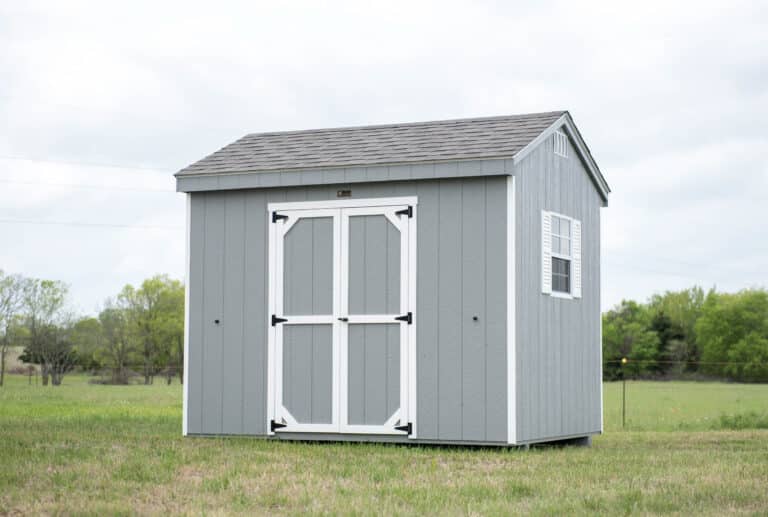
Top Materials for Custom Shed Construction

1

Building a shed is an excellent way to create additional storage space on your property, whether for tools, gardening equipment, or seasonal decorations. But with so many options available, selecting the right materials for your custom shed construction can be a daunting task. From wood to metal to plastic, each material has its advantages and disadvantages. In this article, we will explore the top materials for custom shed construction to help you make an informed decision.

Contents

1. Wood

Wood is the most traditional and popular material for building a shed. It is an excellent choice for those looking for a rustic and classic look. Wood is also relatively easy to work with, making it a favorite among DIY enthusiasts. When it comes to durability, wood is strong and long-lasting, provided it is treated and maintained properly. It is also an excellent insulator, keeping the interior of the shed cool in the summer and warm in the winter. However, wood requires regular maintenance, such as painting or staining, to prevent rotting and warping.

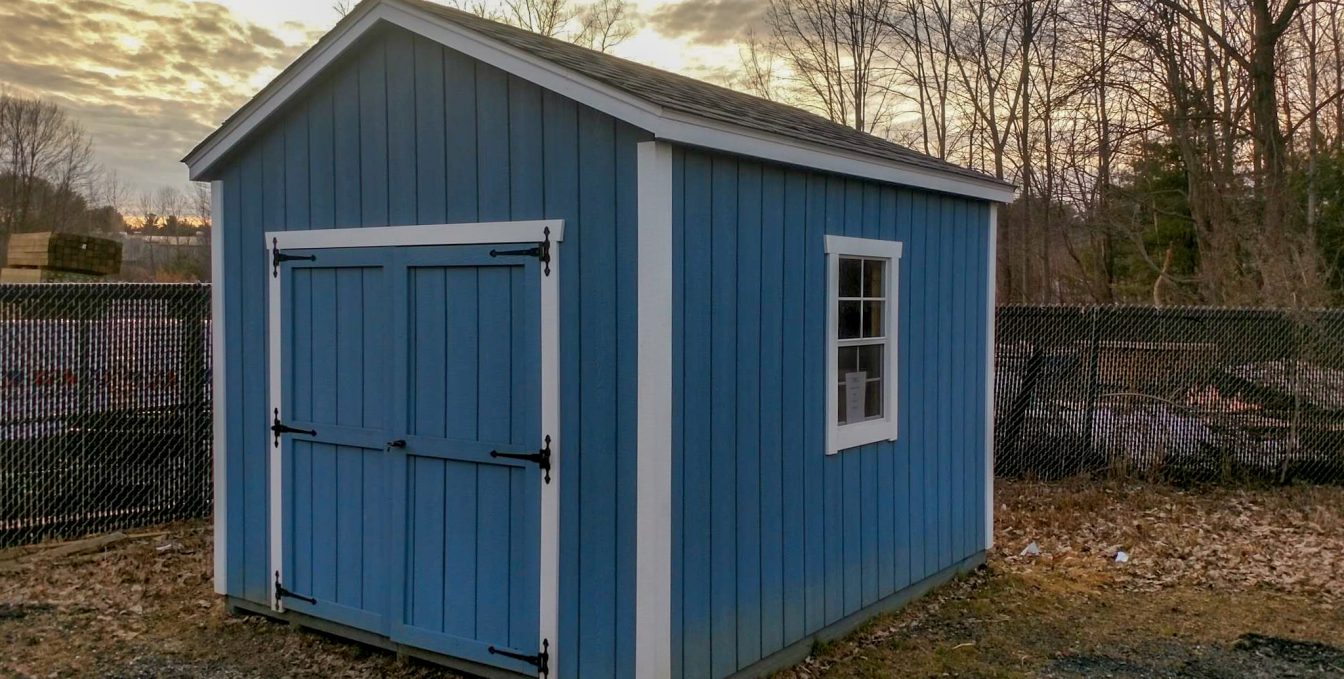
Custom Sheds | Craft Your Own Outdoor Storage | Lone Star Structures 2023

2. Metal

Metal sheds have gained popularity in recent years due to their durability, affordability, and low maintenance requirements. Metal is resistant to pests, fire, and rot, making it a great choice for areas with extreme weather conditions. They are also easy to assemble and require little upkeep. Additionally, metal sheds can be customized to fit any design or style. However, metal sheds tend to be less insulated than wood or plastic sheds, which can make them uncomfortable in extreme temperatures. They also tend to rust over time, especially if they are not properly maintained.

3. Plastic

Plastic sheds are a great option for those looking for a lightweight, affordable, and low-maintenance solution. They are weather-resistant, UV-resistant, and do not require painting or staining. Additionally, plastic sheds can be easily assembled and disassembled, making them ideal for those who frequently move or relocate. However, plastic sheds tend to be less durable than their metal or wood counterparts and are not as customizable. They also tend to have a limited lifespan, especially if exposed to direct sunlight for prolonged periods.

4. Composite

Composite sheds are a relatively new material that combines the best qualities of wood and plastic. They are made from a mixture of wood fibers and recycled plastic, making them eco-friendly and sustainable. Composite sheds are strong, durable, and resistant to pests, rot, and weather damage. They also require little maintenance and do not require painting or staining. Additionally, they are customizable and can be designed to fit any style or design. However, composite sheds tend to be more expensive than other materials and can be more challenging to assemble.

5. Concrete

Concrete sheds are the most durable and long-lasting option. They are strong, weather-resistant, and require minimal maintenance. Concrete sheds are also fire-resistant and pest-proof, making them an excellent choice for storing valuable items. They are also highly customizable and can be designed to fit any style or design. However, concrete sheds tend to be the most expensive option and require professional installation. They are also not as easily portable as other materials and are not recommended for areas with high moisture levels, as they can develop mold and mildew.

Conclusion

Choosing the right material for your custom shed construction is essential to ensure that your shed meets your needs and lasts for years to come. Each material has its advantages and disadvantages, and it is essential to consider your specific needs, budget, and design preferences. Whether you choose wood, metal, plastic, composite, or concrete, make sure to choose a material that is durable, weather-resistant, and low-maintenance to ensure that your shed will provide you with the storage and functionality that you need.

Ideas for Decorating Your Custom Shed

2

A custom shed can provide you with a versatile space that can be used for a variety of purposes. Whether you are looking for extra storage space, a home office, or a place to relax and unwind, a custom shed can be the perfect solution. However, once you have your custom shed built, you may be wondering how to decorate and personalize it to make it truly your own. In this article, we will explore some ideas for decorating your custom shed to help you make the most of this valuable space. Lifetime Exteriors offers a great array of window replacement options to meet your needs, as well as a caring, attentive team to install them visit this website.

Contents

1. Paint and Finish

One of the easiest and most effective ways to personalize your custom shed is by painting it. You can choose a color that complements the exterior of your home or go for something bold and eye-catching. When choosing a paint color, consider the mood you want to create in your shed. Do you want a calming and relaxing space, or do you prefer something more energizing and vibrant?

In addition to paint, you can also add finishes to your shed to make it stand out. For example, you could add shiplap or board and batten siding to give your shed a rustic or farmhouse look. Or, you could add a metal roof for a modern and industrial feel.

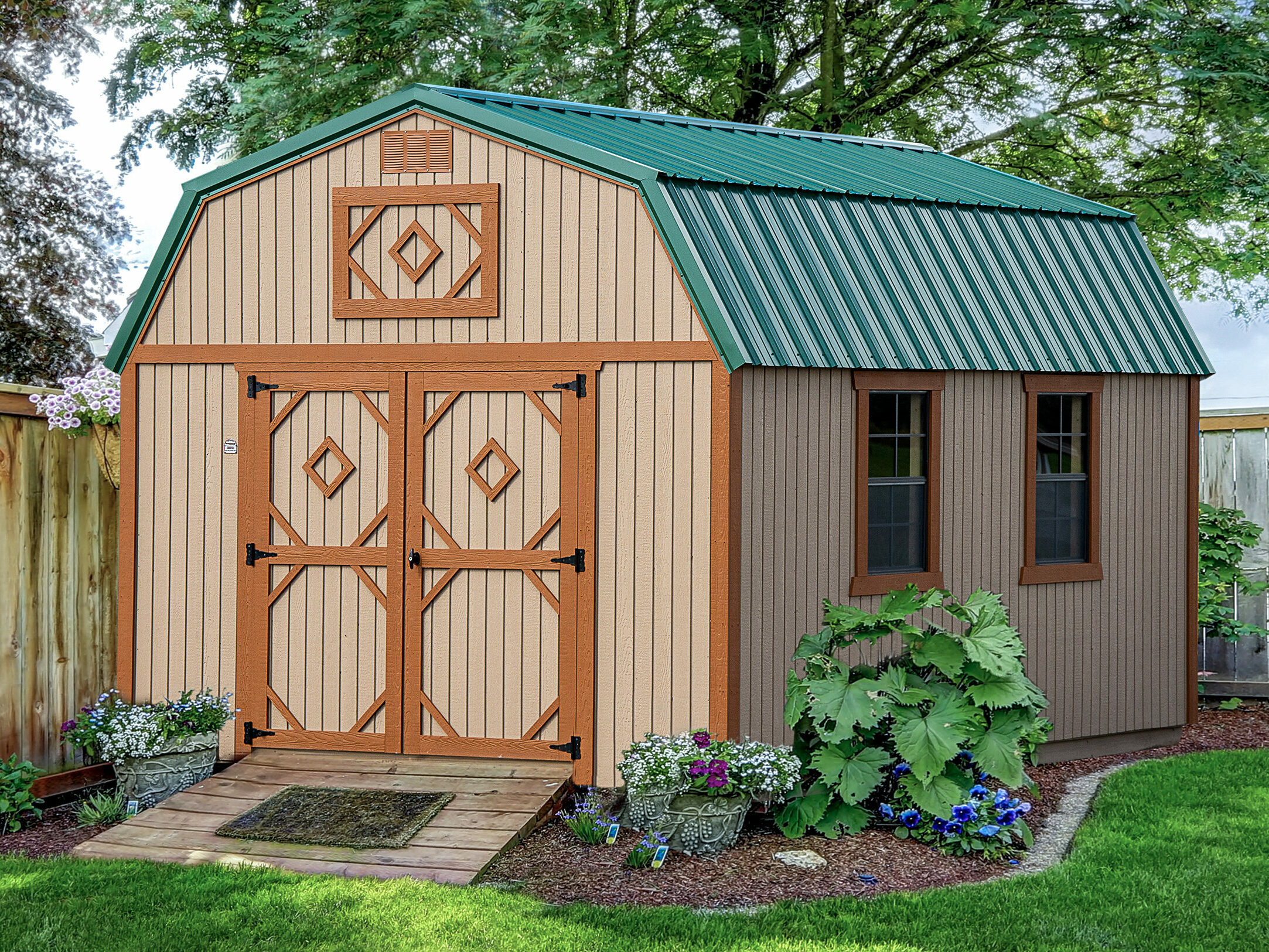
SPECIAL INTERNET PRICE! | 12×20 Lofted Barn | $326 A Month! - Sheds By Design

2. Lighting

Lighting is another essential element of any shed, and there are plenty of ways to add it to your custom shed. You could install overhead lighting for bright and even illumination, or you could add task lighting to specific areas of the shed, such as a desk or workbench.

You could also add mood lighting to create a cozy and inviting atmosphere. String lights or lanterns can add a warm and welcoming glow to your shed, making it the perfect place to relax after a long day.

3. Flooring

When it comes to flooring, there are plenty of options for your custom shed. If you plan to use your shed as a workspace, you may want to consider a durable and easy-to-clean flooring option, such as concrete or epoxy. On the other hand, if you plan to use your shed as a cozy retreat, you may prefer something softer and more comfortable, such as carpet or laminate.

If you’re feeling creative, you could also consider a DIY flooring option, such as a painted concrete floor or a pallet wood floor.

4. Furniture

The furniture you choose for your custom shed will depend on how you plan to use the space. If you’re using your shed as a workspace, you may want to invest in a sturdy workbench and comfortable office chair. If you plan to use your shed as a home gym, you could add a weight bench and some exercise equipment.

If you’re using your shed as a relaxation space, you may prefer a cozy armchair or a comfortable sofa. You could also add some accent pieces, such as throw pillows or a rug, to make the space feel more inviting.

5. Storage

Storage is an essential element of any shed, and there are plenty of ways to add it to your custom shed. You could install shelves, cabinets, or pegboards to keep your tools and supplies organized and easily accessible. You could also add hooks or racks to hang items such as bicycles or gardening tools.

If you’re short on space, you could consider adding storage solutions that take advantage of vertical space, such as overhead storage or tall shelving units.

6. Window Treatments

Window treatments can add a touch of style and privacy to your custom shed. You could add curtains or blinds to block out the sun and add privacy. You could also add decorative window film to add a pop of color and pattern to your shed’s windows.

How to Plan Your Custom Shed Project

0

A custom shed can be a valuable addition to your home, providing extra storage space or even serving as a workspace or play area. However, planning a custom shed project can be overwhelming, especially if you’re not sure where to start. In this article, we’ll provide some tips to help you plan your custom shed project, from deciding on the size and style of your shed to selecting the right materials and finding a reliable contractor.

Contents

1. Determine the Purpose of Your Shed

The first step in planning your custom shed project is to determine the purpose of your shed. Will it be used for storage, as a workshop, or as a play area? Understanding the intended use of your shed will help you make design decisions that are tailored to your specific needs.

For example, if you plan on using your shed as a workshop, you’ll need to ensure that it has enough space for your tools and equipment, as well as sufficient lighting and ventilation. If you plan on using your shed as a play area, you may want to consider adding windows for natural light and ventilation, as well as a fun paint color or decorations.

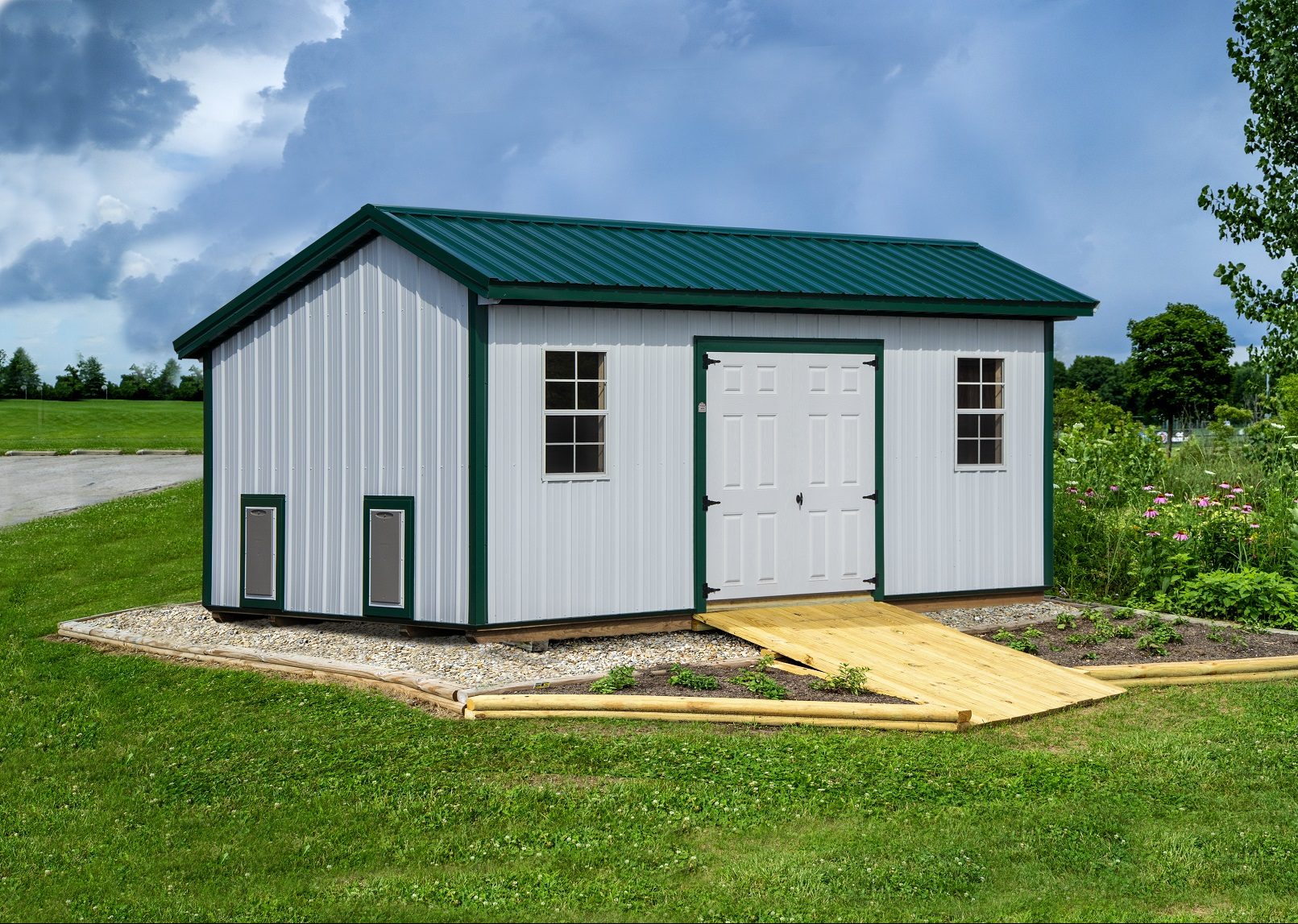
Custom Made Outdoor Sheds | Prefab Storage Buildings

2. Consider the Size and Style of Your Shed

The size and style of your shed will depend on several factors, including the amount of available space in your yard and the purpose of your shed. Measure the area where you plan to place your shed and take into account any landscaping or features that may affect the placement, such as trees or rocks.

Consider the style of your home and the surrounding landscape when choosing the style of your shed. You may want to match the style of your shed to the architecture of your home, or you may prefer a more rustic or natural look. The size of your shed will depend on its purpose, as well as the amount of available space in your yard.

3. Select the Right Materials

Choosing the right materials for your custom shed project is important for both functionality and aesthetics. You’ll want to choose materials that are durable and weather-resistant, as well as attractive.

Wood is a popular choice for custom sheds, as it’s both attractive and durable. Cedar and redwood are both excellent choices, as they’re naturally resistant to rot and insects. Metal sheds are also a good option, as they’re durable and require little maintenance. However, they may not be as visually appealing as wooden sheds.

4. Decide on the Roof Style

The roof style of your custom shed is an important consideration, as it will protect your shed from the elements. There are several types of roofs to choose from, including flat, gable, and gambrel roofs.

A flat roof is a simple and cost-effective option, but it may not be the best choice if you live in an area with heavy snowfall or rain. A gable roof, with two sloping sides, is a popular choice for sheds as it provides good ventilation and allows for additional headroom. A gambrel roof, which has two slopes on each side with a steeper upper slope, is a good option if you’re looking for more interior space.

5. Consider Windows and Doors

Windows and doors not only provide access to your shed but also add to its overall aesthetics. Consider the size and style of windows and doors you want, as well as their placement. Windows will provide natural light and ventilation, which can be important if you’re using your shed as a workspace. If you plan on storing valuable items in your shed, consider using secure doors with locks.

6. Find a Reliable Contractor

If you’re not comfortable with building your shed yourself, it’s important to find a reliable contractor to help you with your custom shed project. Look for a contractor who specializes in building custom sheds and has experience working with the materials you’ve chosen.

The Benefits of a Custom Shed for Your Home

7

If you’re running out of storage space in your home, a custom shed may be the solution you need. Not only do custom sheds provide additional space for storage, but they also offer a range of benefits for your home and property. In this article, we’ll explore the many benefits of a custom shed for your home.

Contents

1. Increased Storage Space

One of the most obvious benefits of a custom shed is the additional storage space it provides. With a custom shed, you can store items that would otherwise clutter your garage or home, such as gardening tools, sports equipment, and seasonal items. This allows you to keep your home organized and free from clutter, which can reduce stress and improve your overall quality of life.

2. Improved Property Value

Adding a custom shed to your property can also increase its overall value. A well-built and well-designed shed can add aesthetic value to your home, making it more attractive to potential buyers. Additionally, sheds are practical and functional, which can be a selling point for buyers looking for extra storage space.

High Quality Amish Built Sheds in Michigan | Quality Structures 2023

3. Versatility

Custom sheds can be designed to meet your specific needs, which means they can be used for a wide range of purposes. For example, you can use a custom shed as a workshop, home office, or even a guest house. The possibilities are endless, and the versatility of a custom shed makes it an excellent investment for any homeowner.

4. Durability

Custom sheds are built to last, with high-quality materials and construction methods. This means that your shed will be able to withstand the elements and continue to provide storage and functionality for years to come. Additionally, many custom shed builders offer warranties on their work, giving you added peace of mind and protection for your investment.

5. Cost-Effective

Building a custom shed is a cost-effective way to add storage and functionality to your home. Compared to other home improvement projects, a custom shed is relatively inexpensive and can be completed quickly. Additionally, a custom shed can save you money in the long run by reducing the need for storage rental fees and reducing the wear and tear on your home by keeping clutter at bay.

6. Customization

One of the biggest advantages of a custom shed is the ability to customize it to meet your specific needs. You can choose the size, shape, and style of your shed, as well as the materials used and the interior layout. This allows you to create a shed that fits seamlessly into your property and meets your unique needs for storage and functionality.

7. Eco-Friendly

Custom sheds can also be eco-friendly, with options for materials and design that minimize environmental impact. For example, you can choose to use sustainable materials like reclaimed wood or recycled metal, or you can design your shed to incorporate renewable energy sources like solar panels. By creating an eco-friendly shed, you can reduce your carbon footprint and contribute to a more sustainable future.

Conclusion

A custom shed offers a range of benefits for your home, from increased storage space to improved property value and versatility. With a well-built and well-designed shed, you can create a functional and practical addition to your property that meets your unique needs and enhances your quality of life. If you’re considering a custom shed for your home, be sure to choose a reputable builder who can help you design and construct a shed that meets your specific requirements and exceeds your expectations.

Tips for Designing a Custom Shed for Your Garden

5

A garden shed can be a valuable addition to any outdoor space. It can provide storage for gardening tools and equipment, serve as a workshop, or even act as a cozy retreat. If you’re considering designing a custom shed for your garden, there are several things to keep in mind to ensure your shed is both functional and aesthetically pleasing. In this article, we’ll provide some tips to help you create the perfect shed for your garden.

Contents

1. Determine the Purpose of Your Shed

Before you start designing your shed, it’s important to determine its purpose. Do you need a simple storage shed, or are you looking for a more elaborate structure that can serve as a workshop or even a guesthouse? Understanding the intended use of your shed will help you make design decisions that are tailored to your specific needs.

2. Consider Your Garden’s Style and Landscape

Your garden shed should complement the style of your garden and fit in with the surrounding landscape. Take a look at the architecture of your home and garden, as well as any existing outdoor structures, such as patios or decks. Think about the colors, materials, and shapes that would work well with your existing outdoor space.

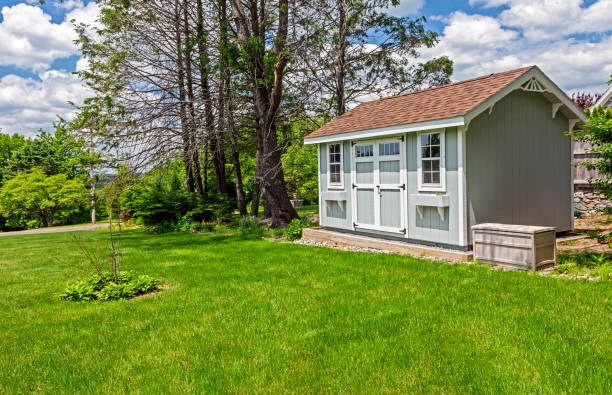
86,100+ Storage Sheds Stock Photos, Pictures & Royalty-Free Images - iStock  | Storage room, Storage unit, Storage box

If your garden has a rustic or natural look, consider using natural materials such as wood or stone. For a more modern garden, you may want to consider using materials such as metal or concrete. The size and shape of your shed should also be in proportion to your garden, so it doesn’t overpower the space.

3. Determine the Size of Your Shed

The size of your shed will depend on its purpose and the amount of available space in your garden. Measure the area where you plan to place your shed, and take into account any landscaping or features that may affect the placement, such as trees or rocks.

Consider what you’ll be storing in your shed and how much space you’ll need to work in. If you’re planning on using your shed as a workspace, you’ll need to factor in enough room for your tools, equipment, and any workspace you need. Be sure to leave room for any future expansions or modifications you may want to make to your shed.

4. Choose the Right Materials

Choosing the right materials for your shed is important for both functionality and aesthetics. You’ll want to choose materials that are durable and weather-resistant, as well as attractive.

Wood is a popular choice for garden sheds, as it’s both attractive and durable. Cedar and redwood are both excellent choices, as they’re naturally resistant to rot and insects. Metal sheds are also a good option, as they’re durable and require little maintenance. However, they may not be as visually appealing as wooden sheds.

5. Think About the Roof

The roof of your shed is an important consideration, as it will protect your shed from the elements. There are several types of roofs to choose from, including flat, gable, and gambrel roofs.

A flat roof is a simple and cost-effective option, but it may not be the best choice if you live in an area with heavy snowfall or rain. A gable roof, with two sloping sides, is a popular choice for sheds as it provides good ventilation and allows for additional headroom. A gambrel roof, which has two slopes on each side with a steeper upper slope, is a good option if you’re looking for more interior space.

6. Don’t Forget About Windows and Doors

Windows and doors not only provide access to your shed but also add to its overall aesthetics. Consider the size and style of windows and doors you want, as well as their placement. Windows will provide natural light and ventilation, which can be important if you’re using your shed as a workspace. If you plan on storing valuable items in your shed, consider using secure doors with locks.

How to Choose the Perfect Custom Shed for Your Needs

0

If you need some extra space for storage, a custom shed may be the perfect solution. Custom sheds can be designed to fit your specific needs, whether you need space for gardening tools, sports equipment, or even a home office. However, with so many options available, it can be challenging to know where to start. In this article, we’ll provide you with a step-by-step guide on how to choose the perfect custom shed for your needs.

Contents

Determine Your Needs

The first step in choosing the perfect custom shed is to determine your needs. Consider what you will be using the shed for, how much space you need, and any specific requirements you have. For example, if you plan to use the shed for gardening, you may need to include windows or skylights to let in natural light. If you plan to use the shed for storing large items like lawn mowers, you may need a larger door or even a ramp for easy access.

Choose the Right Size

Once you have determined your needs, it’s time to choose the right size for your custom shed. You’ll need to consider both the size of the shed itself and the available space in your yard. You don’t want to choose a shed that is too big for your yard, but you also don’t want to choose one that is too small for your needs. Measure your yard carefully and take into account any obstacles, such as trees or fences, that may affect the placement of your shed.

High Quality Amish Built Sheds in Michigan | Quality Structures 2023

Decide on the Materials

Custom sheds can be built from a variety of materials, including wood, metal, and vinyl. Each material has its own advantages and disadvantages, so it’s important to choose the right one for your needs. Wood is a popular choice because it is natural and blends well with the surrounding landscape. Metal sheds are durable and require little maintenance, but may not be as aesthetically pleasing as other options. Vinyl sheds are lightweight and easy to assemble, but may not be as sturdy as other materials.

Consider the Roof Style

The roof style of your custom shed can have a significant impact on its functionality and appearance. There are several types of roof styles to choose from, including gable, gambrel, and hip. Gable roofs are the most common and feature two sloping sides that meet at a ridge in the middle. Gambrel roofs have a steeper slope on the lower half and a flatter slope on the upper half, providing more headroom and storage space. Hip roofs have four sloping sides and are ideal for sheds that will be placed in areas with high winds or heavy snowfall.

Choose the Door and Window Options

The door and window options you choose for your custom shed will depend on your specific needs. If you plan to use the shed for storage, you may only need a small door for access. However, if you plan to use the shed as a workspace or home office, you may want to include larger doors and windows to let in more natural light. Consider the size and placement of the windows, as well as any security features you may need.

Determine Your Budget

Custom sheds can vary significantly in price depending on the materials used, size, and features included. Before you begin shopping, it’s important to determine your budget and stick to it. Consider the long-term value of the shed and how much use you will get out of it when deciding on your budget.

Research Your Options

Once you have determined your needs, chosen the right size and materials, and considered the roof style, door and window options, and your budget, it’s time to research your options. Look for custom shed builders in your area and read reviews from past customers.

How to Memorize Piano Music

0

Learning how to play the piano is an exciting endeavor. However, one of the biggest challenges for piano students is memorizing music. Memorizing piano music is essential if you want to play with ease, confidence, and precision. Memorizing music is also important if you plan on performing in front of an audience. In this article, we will discuss some tips and techniques to help you memorize piano music.

Contents

1. Learn the music well

Before attempting to memorize a piece of music, it’s important to learn it well. This means understanding the melody, harmony, rhythm, and structure of the piece. It’s also helpful to break the music into smaller sections and practice each section individually. This allows you to focus on the details of each section and helps you avoid feeling overwhelmed by the entire piece.

9 easy classical piano pieces to get you started on keys - Classic FM

2. Practice with a purpose

When practicing piano, it’s important to have a clear goal in mind. This means setting specific objectives for each practice session. For example, you might focus on improving your technique, memorizing a specific section of the music, or working on a particular aspect of the piece, such as dynamics or phrasing. Practicing with a purpose helps you stay focused and motivated, and it allows you to make steady progress towards your goal of memorizing the music.

3. Use repetition

Repetition is an essential technique for memorizing music. By playing a section of music repeatedly, you can commit it to memory more easily. Try playing a section of the music several times without looking at the sheet music, and then check to see if you’ve memorized it correctly. If you make a mistake, go back and repeat the section until you can play it correctly from memory.

4. Focus on small sections

Rather than trying to memorize the entire piece of music at once, focus on smaller sections. Break the music into phrases or measures, and practice each section individually. Once you’ve memorized each section, you can then practice playing them together. By focusing on smaller sections, you’ll be able to memorize the music more quickly and effectively.

5. Use visualization

Visualization is a powerful technique for memorizing music. Close your eyes and visualize yourself playing the piece of music. Imagine yourself playing each note, and try to hear the sound of the music in your mind. You can also visualize the sheet music in your mind, with each note and symbol appearing clearly in your imagination.

6. Play without the sheet music

One of the best ways to memorize music is to play it without the sheet music. Try playing the music from memory, and then check to see if you’ve played it correctly. If you make a mistake, go back and practice the section until you can play it correctly without looking at the sheet music. Playing without the sheet music helps you develop your muscle memory and reinforces your memorization of the music.

7. Practice hands separately

Another effective technique for memorizing piano music is to practice hands separately. This means practicing the right hand and left hand separately until you can play each part from memory. Once you’ve memorized each hand, you can then practice playing them together. Practicing hands separately helps you focus on the details of each part of the music and allows you to memorize the music more effectively.

8. Use a metronome

Using a metronome can also help you memorize music more effectively. Set the metronome to a slow tempo and practice playing the music at that tempo. Once you’ve memorized the music at a slow tempo, gradually increase the speed of the metronome until you can play the music at the desired tempo. Playing with a metronome helps you develop a sense of rhythm and timing, which is essential for memorizing music.

5 Famous Piano Composers Every Student Should Know

0

The piano is one of the most versatile and beloved instruments in the world of music. It has been used to create countless works of art and has been a staple in the music industry for centuries. With so many influential piano composers to choose from, it can be overwhelming for students to know where to start. In this article, we’ll take a look at 5 famous piano composers every student should know.

Contents

1. Wolfgang Amadeus Mozart

Wolfgang Amadeus Mozart is one of the most well-known composers in history, and his contributions to the piano repertoire are invaluable. He wrote more than 600 works during his lifetime, including 27 piano concertos, sonatas, and chamber music for the piano. His music is known for its clarity, elegance, and technical difficulty.

Mozart’s piano music is a great starting point for students because it is accessible and fun to play. Pieces like “Eine Kleine Nacht music” and “Rondo Alla Turca” are favorites among both students and professional pianists alike.

How to Memorize Piano Music - Emma Blair Piano

2. Ludwig van Beethoven

Ludwig van Beethoven is another composer whose Piano Composers is essential for any student. He is known for his powerful and emotional music, which helped pave the way for the Romantic era of music. Beethoven wrote 32 piano sonatas, as well as numerous other works for the piano.

Beethoven’s music is challenging, but it is also deeply rewarding to play. Pieces like “Moonlight Sonata” and “Pathetique Sonata” are among his most famous works and are a great introduction to his style.

3. Frédéric Chopin

Frédéric Chopin is one of the most influential composers for the piano. He wrote almost exclusively for the piano and is known for his lyrical and expressive music. Chopin’s music is characterized by its intricate use of harmony, melody, and rhythm, and it has influenced countless other composers.

Chopin’s music is technically challenging, but it is also full of emotion and beauty. Pieces like “Fantaisie-Impromptu” and “Nocturne in E-flat Major” are some of his most famous works and are a great starting point for students.

4. Johann Sebastian Bach

Johann Sebastian Bach is one of the most revered composers in history, and his music has stood the test of time. He wrote numerous works for the piano, including preludes, fugues, and suites. His music is characterized by its complex counterpoint, intricate harmonies, and rhythmic complexity.

Bach’s music is challenging to play, but it is also incredibly rewarding. Pieces like “Goldberg Variations” and “Toccata in D Minor” are some of his most famous works and are essential for any student of the piano.

5. Sergei Rachmaninoff

Sergei Rachmaninoff is a composer who is often overlooked in discussions of Piano Composers, but his contributions to the piano repertoire are essential. He is known for his use of complex harmonies and lush melodies, and his music is often characterized by its technical difficulty.

Rachmaninoff’s music is challenging, but it is also incredibly beautiful. Pieces like “Prelude in C-sharp Minor” and “Piano Concerto No. 2” are some of his most famous works and are a great starting point for students.

Conclusion

These 5 famous piano composers are essential for any student of the piano. Their music has stood the test of time and has influenced countless other composers. Whether you’re just starting out or you’re an advanced pianist, studying their music can help you develop your technical proficiency, musicality, and overall appreciation for the piano.

The Importance of Ear Training in Piano Lessons

0

Ear training is an essential component of piano lessons. It involves developing the ability to identify and reproduce different sounds, intervals, chords, and melodies by ear. Ear training helps pianists to develop a strong sense of pitch and rhythm, which is essential for playing music accurately and expressively. In this article, we’ll take a closer look at the importance of ear training in piano lessons.

Contents

1. Improves Pitch Accuracy

Ear training helps pianists to develop a strong sense of pitch. This is essential for playing music accurately and in tune. By training their ears to identify and reproduce different pitches, pianists can develop a more accurate sense of pitch when playing the piano. This can help to improve their overall playing ability and make their performances more expressive.

Sheet Music - Pender's Music Co.

2. Develops Rhythm

Ear training also helps pianists to develop a strong sense of rhythm. By training their ears to identify and reproduce different rhythms, pianists can improve their ability to play in time and with precision. This can help to make their performances more dynamic and expressive, and help them to connect more deeply with the music.

3. Improves Sight-Reading

Ear training can also help pianists to improve their sight-reading skills. Sight-reading involves being able to read and play music at the same time without prior preparation. By training their ears to identify different musical elements, pianists can develop a better understanding of the relationship between the written music and the sound that it represents. This can help them to read and play music more accurately and fluently, even when they are seeing the music for the first time.

4. Enhances Musical Memory

Ear training can also help pianists to enhance their musical memory. By training their ears to recognize different sounds, intervals, and chords, pianists can develop a stronger memory for musical patterns and phrases. This can help them to remember music more easily and to play it more accurately.

5. Increases Creativity

Ear training can also help pianists to become more creative in their playing. By developing a strong sense of pitch, rhythm, and musical memory, pianists can explore different musical ideas and create their own unique interpretations of music. This can help to make their performances more expressive and memorable.

6. Facilitates Learning by Ear

Ear training also helps pianists to learn music by ear. Learning by ear involves listening to a piece of music and then playing it back without sheet music or written instructions. By developing their ear training skills, pianists can learn music more easily by ear, which can be a valuable skill in many different musical contexts.

7. Improves Communication with Other Musicians

Ear training can also improve communication between pianists and other musicians. By developing a strong sense of pitch, rhythm, and musical memory, pianists can better understand the music that they are playing with other musicians. This can help them to communicate more effectively and to play more cohesively as a group.

Conclusion

Ear training is an essential component of piano lessons. It helps pianists to develop a strong sense of pitch, rhythm, and musical memory, which is essential for playing music accurately and expressively. By training their ears to identify and reproduce different sounds, intervals, chords, and melodies, pianists can become more confident and creative in their playing. If you’re a piano student, make sure that ear training is a part of your regular practice routine. It can help you to take your playing to the next level and to become a more well-rounded musician.