

Saturday, March 21, 2026
Home Blog Page 67

How to Measure the Effectiveness of Your Team Building Activities

0

Team building activities are an essential part of developing a cohesive and productive team. However, measuring the effectiveness of these activities is critical to ensure that they are providing the desired results. The first step in measuring the effectiveness of team building activities is to establish clear goals and objectives. These goals should be specific, measurable, achievable, relevant, and time-bound. Once the goals are set, it is essential to collect feedback from the team members to determine if the goals were met, and if the team building activities was successful. 

As a business owner, you may have invested time and money into team building activities for your employees. These activities can help build camaraderie, improve communication, and increase productivity. But how do you know if these activities are actually effective? In this article, we will explore different ways to measure the effectiveness of your team building activities.

Contents

Set Clear Objectives

Before you can measure the effectiveness of your team building activities, you need to set clear objectives. What do you hope to achieve with these activities? Do you want to improve teamwork, communication, or problem-solving skills? By setting clear objectives, you can tailor your team building activities to meet those objectives and measure their effectiveness more accurately.

16 Indoor Team Building Activities

Collect Feedback

One of the most effective ways to measure the effectiveness of your team building activities is to collect feedback from your employees. You can do this by asking them to fill out surveys or questionnaires after each activity. The feedback you receive can help you understand how your employees feel about the activity and whether they found it valuable.

Observe Team Dynamics

Another way to measure the effectiveness of your team building activities is to observe team dynamics. Pay attention to how your employees interact with each other after each activity. Are they more comfortable communicating with each other? Are they more willing to collaborate and share ideas? These observations can give you valuable insights into the impact of your team building activities.

Track Business Metrics

Team building activities can have a direct impact on business metrics such as productivity and employee turnover. If you track these metrics before and after your team building activities, you can measure their effectiveness more accurately. For example, if you notice an increase in productivity after a specific team building activities, you can conclude that the activity was effective in improving teamwork and collaboration.

Monitor Employee Engagement

Employee engagement is a critical factor in the success of any organization. By monitoring employee engagement before and after team building activities, you can measure their effectiveness in improving employee morale and job satisfaction. If you notice an increase in employee engagement after a specific team building activities, you can conclude that the activity was effective in boosting employee morale.

Analyze Costs

Finally, it is essential to analyze the costs of your team building activities to measure their effectiveness. How much did you spend on each activity, and what was the return on investment? By analyzing the costs, you can determine whether the activities were worth the investment and make adjustments to your team building activities strategy as needed.

Conclusion

Team building activities can be a valuable investment for any organization, but it is essential to measure their effectiveness to ensure that they are having the desired impact. By setting clear objectives, collecting feedback, observing team dynamics, tracking business metrics, monitoring employee engagement, and analyzing costs, you can measure the effectiveness of your team building activities accurately.


Team Building for Small Businesses: Tips and Ideas

0

As a small business owner, you may have realized that your employees are your greatest asset. But how do you ensure that they work together as a team and achieve common goals? The answer lies in team building.

Team building activities are not just fun and games. They help to foster better communication, trust, and collaboration among team members. In this article, we will discuss some tips and ideas for team building that are specifically tailored to small businesses.

Contents

Define Your Goals

Before you plan any team building activities, it’s essential to define your goals. What do you want your team to achieve? Are you looking to improve communication, build trust, enhance problem-solving skills, or all of the above?

Once you have a clear idea of your goals, you can tailor your team building activities to achieve them. For example, if you want to improve communication, you can plan activities that involve active listening, such as group discussions or role-playing exercises.

Team Building with Your Staff: 3 “Game-Changer” Activities – The Edcite Blog

Plan Activities that Match Your Goals

Once you have defined your goals, it’s time to plan team building activities that align with those goals. The activities should be engaging and enjoyable, but they should also challenge your team members to work together, communicate effectively, and solve problems.

Here are some team building activity ideas for small businesses:

  • Scavenger hunt: A scavenger hunt is a fun way to encourage collaboration and problem-solving skills. Divide your team into groups, and provide them with a list of items they need to find within a specific time frame.
  • Escape room: An escape room is another fun activity that requires teamwork, communication, and problem-solving skills. In an escape room, your team is locked in a room and must solve puzzles and clues to escape before the time runs out.
  • Cooking challenge: A cooking challenge is a great way to build trust and collaboration. Divide your team into groups, and provide them with ingredients to make a specific dish. The teams must work together to create the best dish.
  • Office Olympics: Office Olympics are a series of fun and competitive games that are designed to encourage teamwork and communication. Games can include anything from relay races to office chair volleyball.

Schedule Regular Team Building Activities

Team building is not a one-time event. To achieve the best results, it’s essential to schedule regular team building activities. This can be as simple as a monthly team lunch or a weekly team meeting.

Regular team building activities help to reinforce the importance of collaboration, communication, and teamwork. They also provide an opportunity for team members to get to know each other better and build stronger relationships.

Lead by Example

As a small business owner, you set the tone for your team. If you want your team members to collaborate and communicate effectively, you need to lead by example. Make sure that you are communicating clearly and effectively with your team members.

Encourage open communication, and be receptive to feedback from your team members. When your team sees that you value collaboration and communication, they will be more likely to do the same.

Celebrate Successes

Finally, it’s essential to celebrate the successes of your team. When your team building achieves a common goal, take the time to recognize and celebrate their achievements. This can be as simple as a team lunch or a congratulatory email.

Celebrating successes helps to reinforce the importance of teamwork and collaboration. It also provides a morale boost for your team members and encourages them to continue working together to achieve common goals.

Building Inspections for Home Renovations: Why They’re Necessary

At some point, every homeowner has considered renovating their house. Whether it’s a bathroom, kitchen, or full-scale home remodel, the process can be exciting and daunting at the same time. Before starting a renovation project, it’s essential to get a thorough understanding of the current state of the property. This is where building inspections come in.

Building inspections are a crucial part of any home renovation project, regardless of its size or complexity. These inspections are necessary to ensure that the building is structurally sound and safe for occupancy. During a building inspection, a licensed professional will thoroughly examine the property and assess any potential hazards or code violations. They will also identify any necessary repairs or upgrades that may be required to bring the building up to code. In this article, we will explain why building inspections are necessary for home renovations.

Contents

What is a Building Inspection?

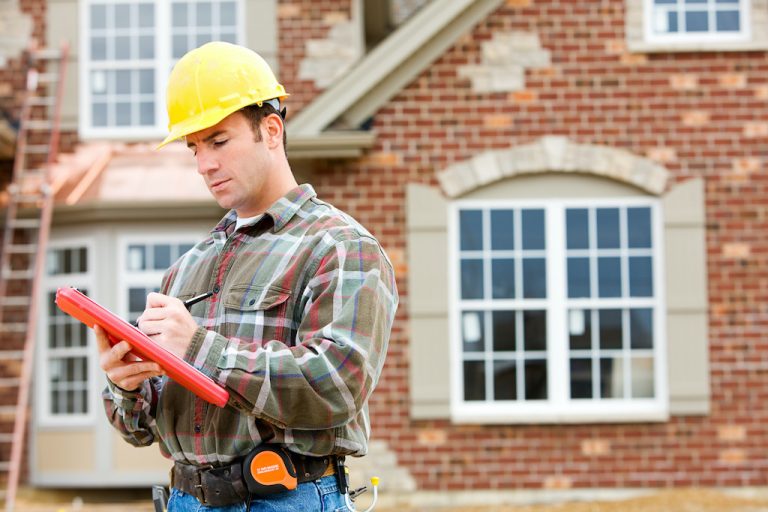
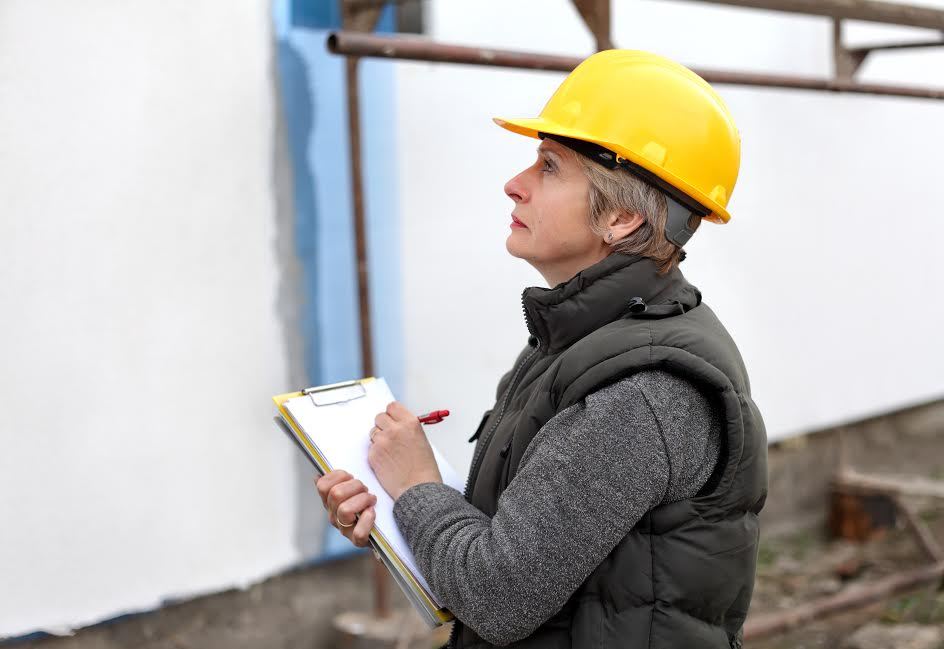
A building inspection is a thorough examination of the property to assess its current state, identify potential problems, and determine any necessary repairs or renovations. Inspectors will evaluate the building’s structure, foundation, electrical and plumbing systems, roof, and other components to ensure that everything is up to code and in good condition.

What is a Building Inspector? | Bankrate

Why are Building Inspections Necessary for Home Renovations?

Building inspections are crucial for home renovations for several reasons. Firstly, they can identify any issues or defects that may be present in the property. This can include structural problems, such as cracks in the foundation, or issues with the electrical or plumbing systems. By identifying these issues early on, homeowners can make informed decisions about how to proceed with their renovation project.

Secondly, building inspections can help homeowners avoid costly mistakes. A thorough inspection can reveal hidden problems that may not be visible to the untrained eye. For example, an inspection may reveal that a wall that the homeowner planned to remove is load-bearing, and removing it could cause structural damage to the property.

Thirdly, building inspections can help homeowners plan their renovation project more effectively. An inspection report will provide a detailed overview of the property’s condition, including any necessary repairs or upgrades. This information can be used to develop a renovation plan that takes into account the property’s existing condition and any necessary repairs.

When Should You Get a Building Inspection?

Homeowners should get a building inspection before starting any renovation project. This will ensure that they have a clear understanding of the property’s current state and any necessary repairs or upgrades. It’s also a good idea to get an inspection after the renovation is complete to ensure that everything is up to code and in good condition.

Who Should Conduct a Building Inspection?

Building inspections should be conducted by qualified professionals, such as licensed home inspectors or structural engineers. These professionals have the necessary training and expertise to evaluate the property’s condition and identify any potential problems.

Conclusion

Building inspections are an essential part of the home renovation process. They can help homeowners identify any issues or defects in the property, avoid costly mistakes, and plan their renovation project more effectively. Homeowners should get a building inspection before starting any renovation project and after the renovation is complete to ensure that everything is up to code and in good condition. By working with qualified professionals, homeowners can ensure that their renovation project is a success.

What to Do After a Failed Building Inspection

As professional SEO and copywriters, we understand the importance of ranking high on Google for your target keywords. One of the key factors that can help you outrank your competitors is to provide your audience with high-quality, comprehensive content that satisfies their search intent.

After a failed building inspection, it’s important to remain calm and take steps to address any issues that were found. First, carefully review the inspection report and make a list of all the problems that need to be corrected. Next, prioritize the issues based on their severity and potential impact on safety and structural integrity. Then, hire a licensed contractor or qualified professional to make the necessary repairs or modifications. Make sure to obtain any necessary permits before starting the work.  In this article, we will discuss what to do after a failed building inspection and provide you with actionable tips to rectify the situation.

If you’re planning to sell or purchase a property, it is crucial to ensure that it passes a building inspection. A building inspection is a thorough examination of the property’s condition, which includes structural defects, electrical systems, plumbing, and other potential hazards. However, if your property fails the building inspection, it can cause significant stress and financial loss. Therefore, it is essential to know what to do after a failed building inspection.

Commercial Building Inspection 101: What Inspectors Look For – AkitaBox

Contents

Step 1: Understand the Building Inspection Report

The first step to rectifying a failed building inspection is to understand the building inspection report. The report will highlight the defects and issues found during the inspection. You should go through the report in detail and understand the severity of the problems. If you don’t understand something in the report, it is best to seek professional help.

Step 2: Get Professional Help

Once you have understood the report, it is time to get professional help. Depending on the severity of the issues, you may need to hire a licensed contractor, plumber, electrician, or engineer. They will provide you with a quote for the repair work, which will help you determine the financial implications of the failed building inspection.

Step 3: Prioritize the Repairs

After getting a quote for the repair work, it is essential to prioritize the repairs. You should focus on repairing the critical issues first, such as structural defects, electrical problems, and plumbing issues. These repairs are crucial for the safety of the property, and delaying them can lead to more significant problems in the future.

Step 4: Get the Repairs Done

Once you have prioritized the repairs, it is time to get them done. Make sure that you hire a licensed and reputable contractor to carry out the repair work. It is also crucial to get the necessary permits from your local authority before starting the repair work. After the repairs are completed, you should get a certificate of compliance from the contractor.

Step 5: Re-inspection

After the repairs are completed, you should arrange for a re-inspection of the property. The re-inspection will ensure that the repairs have been carried out to the required standards and that the property is safe to live in. Once the property passes the re-inspection, you can proceed with the sale or purchase.

Conclusion

A failed building inspection can be stressful and financially damaging. However, it is essential to take the necessary steps to rectify the situation. Understanding the building inspection report, getting professional help, prioritizing the repairs, getting the repairs done, and arranging for a re-inspection are the key steps to rectify a failed building inspection. By following these steps, you can ensure that your property is safe to live in and that you can proceed with the sale or purchase.

The Top 5 Questions to Ask Your Building Inspector

As you prepare to purchase a new property, it’s important to hire a qualified building inspector who can provide you with a comprehensive report about the property’s condition. The inspector will assess the property’s structure, plumbing, electrical system, and other key components to ensure that it is safe, structurally sound, and compliant with local building codes.

If you are planning to buy or build a new property, it is essential to hire a building inspector to ensure the safety and quality of the building. However, it is equally important to know what questions to ask your building inspector to get the most out of their expertise. First and foremost, ask about their qualifications and experience in the field. This will give you an idea of their knowledge and credibility. You should also inquire about the specific areas they will inspect, such as the foundation, roof, electrical and plumbing systems, and any potential safety hazards. 

In this article, we will outline the top 5 questions to ask your building inspector to ensure that you get the most comprehensive report and peace of mind.

Why you need a building inspection - Professionals Real Estate

Contents

1. What qualifications do you have?

Before you hire a building inspector, it’s important to ask about their qualifications. In most cases, a qualified building inspector will have a degree in engineering, architecture, or a related field, as well as relevant certifications and licenses. You should also ask about their experience in the field, as well as their knowledge of local building codes and regulations.

2. What areas of the property will you inspect?

When hiring a building inspector, it’s important to understand which areas of the property they will inspect. While some inspectors may only inspect the exterior and interior of the property, others may also inspect the roof, crawl spaces, attics, and other hard-to-reach areas. Make sure that you understand the scope of the inspection before you hire the inspector, as this will ensure that you get a comprehensive report.

3. What are the most common issues you find during inspections?

A qualified building inspector will be able to identify a wide range of issues during the inspection process, including structural problems, plumbing issues, and electrical hazards. By asking about the most common issues they find during inspections, you can get a better idea of what to look out for and how to address any issues that may arise.

4. Can you provide references?

One of the best ways to ensure that you are hiring a qualified building inspector is to ask for references from past clients. A reputable inspector will be happy to provide you with references, as this will give you a better idea of their level of expertise and professionalism. Be sure to follow up with the references provided to get a sense of their experience working with the inspector.

5. What will be included in the inspection report?

The final question to ask your building inspector is what will be included in the inspection report. A comprehensive report should include a detailed description of the property’s condition, including any issues that were identified during the inspection process. The report should also include recommendations for repairs or further inspections, as well as an estimated cost for any necessary repairs.

Conclusion

Hiring a qualified building inspector is a crucial step in the property buying process. By asking the right questions and ensuring that you hire a qualified inspector, you can ensure that you get a comprehensive report and peace of mind. Be sure to take the time to find a reputable inspector who has the experience and qualifications needed to provide you with a thorough inspection.

The Role of Building Inspections in Environmental Sustainability

At our company, we believe that environmental sustainability is a crucial aspect of building inspections. By conducting thorough and detailed inspections, we can identify areas where energy efficiency can be improved, water usage can be reduced, and waste can be minimized. This not only helps to protect the environment, but it also helps to save our clients money on their utility bills.

In this article, we will explore the various ways in which building inspections play a vital role in promoting environmental sustainability. We will also discuss how our company’s approach to building inspections is different from others in the industry and how it can benefit our clients in the long run.

Different Types of Property Inspection | 2023 | Bungalow

Contents

1. Energy Efficiency

One of the main areas where building inspections can help promote environmental sustainability is energy efficiency. By identifying areas where energy is being wasted, building inspectors can make recommendations for improvements that can help reduce energy consumption and lower utility bills.

For example, a building inspector might recommend the installation of energy-efficient windows and doors, the sealing of air leaks, or the upgrading of HVAC systems. These improvements can not only help to reduce energy consumption but also increase the comfort level of the building’s occupants.

At our company, we take a comprehensive approach to energy efficiency inspections. We not only identify areas where energy is being wasted but also provide detailed recommendations for improvements that can be made. We also provide our clients with estimates of the potential energy savings that can be achieved through these improvements.

2. Water Conservation

Another important aspect of building inspections is water conservation. By identifying areas where water is being wasted, building inspectors can make recommendations for improvements that can help reduce water consumption and lower utility bills.

For example, a building inspector might recommend the installation of low-flow faucets and toilets, the repair of leaky pipes, or the installation of rainwater harvesting systems. These improvements can not only help to reduce water consumption but also help to protect our precious water resources.

At our company, we take a holistic approach to water conservation inspections. We not only identify areas where water is being wasted but also provide detailed recommendations for improvements that can be made. We also provide our clients with estimates of the potential water savings that can be achieved through these improvements.

3. Waste Reduction

The third area where building inspections can help promote environmental sustainability is waste reduction. By identifying areas where waste is being generated unnecessarily, building inspectors can make recommendations for improvements that can help reduce waste and lower disposal costs.

For example, a building inspector might recommend the implementation of recycling programs, the reduction of paper usage, or the installation of composting systems. These improvements can not only help to reduce waste but also help to conserve natural resources.

At our company, we take a proactive approach to waste reduction inspections. We not only identify areas where waste is being generated unnecessarily but also provide detailed recommendations for improvements that can be made. We also provide our clients with estimates of the potential cost savings that can be achieved through these improvements.

4. Our Unique Approach

At our company, we believe that building inspections should not just be about identifying problems but also providing solutions. That is why we take a comprehensive approach to building inspections that not only identifies areas for improvement but also provides detailed recommendations for improvements that can be made.

We also understand that every building is unique, and that is why we tailor our inspections to meet the specific needs of our clients. Whether it is a residential home or a commercial building, we have the expertise to provide detailed and thorough inspections that can help promote environmental sustainability and save our clients money.

The Future of Building Inspections: Technological Advances and Industry Trends

At present, the building inspections industry is experiencing a technological revolution, and advancements in technology have greatly transformed the industry. These changes have not only made it easier to carry out inspections but have also improved the accuracy and quality of inspections. In this article, we will be exploring the future of building inspections, taking into consideration the latest technological advances and industry trends.

Contents

Smart Buildings and Internet of Things (IoT)

Smart buildings and IoT are making a significant impact on the building inspections industry. The implementation of IoT devices has enabled building owners and facility managers to monitor the performance of various building systems in real-time. These devices can detect any potential faults or errors in the system, providing timely notifications to the relevant personnel.

IoT devices are also capable of collecting data on energy usage, occupancy levels, and environmental conditions. This information can be used to optimize building performance, reduce energy consumption, and improve overall efficiency. In the future, we can expect to see more buildings designed with IoT technology in mind, leading to a more efficient and sustainable built environment.

What do Building Inspectors Look For? | Landmark Inspections

Artificial Intelligence (AI)

AI is also playing a significant role in the building inspections industry. With the help of machine learning algorithms, AI systems can analyze large amounts of data, identify patterns, and detect potential issues that may require attention. For example, AI-powered inspection systems can be used to identify cracks, leaks, and other issues that may be difficult to detect with the naked eye.

In addition to inspections, AI can also be used to develop predictive maintenance schedules. By analyzing data collected from IoT devices, AI systems can predict when equipment is likely to fail and schedule maintenance accordingly. This approach can reduce downtime, prevent catastrophic failures, and extend the lifespan of equipment.

Drones and Robotics

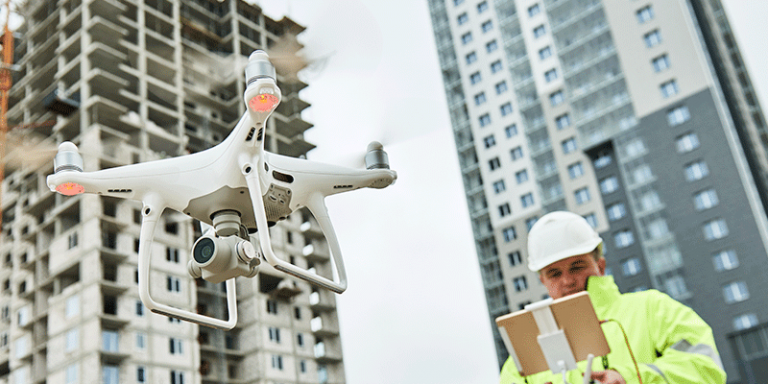
Drones and robotics are another technological advancement that is transforming the building inspections industry. Drones equipped with cameras and sensors can be used to inspect hard-to-reach areas, such as rooftops and tall buildings. This approach can improve safety, reduce inspection times, and provide high-resolution imagery for analysis.

Robots are also being used to carry out inspections in hazardous environments, such as chemical plants and oil refineries. These robots can be remotely operated and equipped with various sensors to detect potential hazards, such as gas leaks and fires.

Virtual Reality (VR)

Virtual Reality (VR) is also being used to improve the quality and accuracy of building inspections. VR technology can be used to create 3D models of buildings, enabling inspectors to view and analyze the building in detail. This approach can also be used to identify potential issues, such as structural weaknesses and faulty wiring.

In addition to inspections, VR can also be used to simulate various scenarios, such as emergency evacuations, enabling building owners and facility managers to develop effective emergency plans.

Industry Trends

In addition to technological advances, there are also various industry trends that are shaping the future of building inspections. One of the most significant trends is the focus on sustainability and energy efficiency. Building owners and facility managers are increasingly looking for ways to reduce energy consumption, lower operating costs, and minimize their carbon footprint.

Another trend is the focus on safety and compliance. Building inspections are a critical component of ensuring that buildings are safe and comply with all relevant regulations and standards. In the future, we can expect to see an increased focus on safety and compliance, with building owners and facility managers taking a more proactive approach to inspections and maintenance.

Conclusion

The building inspections industry is experiencing a technological revolution, with advancements in IoT, AI, drones, robotics, and VR transforming the way inspections are carried out. These technologies are making inspections more accurate, efficient, and safer, while also providing building owners and facility managers with valuable insights into building performance and maintenance needs.

The Importance of Building Inspections for Older Properties

As a property owner, it’s essential to take care of your investment, and that includes ensuring that the building is in good condition. For older properties, this means conducting regular building inspections to assess the overall condition and identify any potential problems.

Building inspections are a crucial aspect of maintaining the safety and integrity of any property, especially older ones. When it comes to older properties, regular inspections become even more important as they may have deteriorated over time and could pose serious risks to their occupants. Building inspections can identify any structural, electrical, or plumbing issues that may have gone unnoticed, and help to prevent any potential hazards from developing further. In this article, we’ll discuss the importance of building inspections for older properties and how they can help you maintain your investment.

Tips To Prepare For Your Building Inspection » Residence Style

Contents

Why are building inspections necessary?

Building inspections are crucial for older properties because they can help identify any potential problems that may not be visible to the untrained eye. This includes structural damage, pest infestations, plumbing and electrical issues, and other problems that could affect the safety and integrity of the building.

Moreover, building inspections can also help you identify areas where maintenance or repairs may be needed, allowing you to address any issues before they become major problems. This proactive approach can save you a significant amount of money in the long run and help you avoid costly repairs down the line.

What should a building inspections cover?

A comprehensive building inspections should cover all aspects of the property, from the foundation to the roof. This includes checking the structural integrity of the building, assessing the plumbing and electrical systems, and looking for signs of pest infestations or other issues.

In addition to these basic checks, the inspector should also look for any cosmetic issues or areas where maintenance may be needed. This includes checking for leaks, cracks, and other signs of wear and tear that could lead to more significant problems down the line.

The importance of regular inspections

Regular inspections are essential for older properties, as they can help identify any potential problems before they become major issues. Depending on the age and condition of the building, it may be necessary to conduct inspections annually or bi-annually to ensure that everything is in good working order.

Regular inspections can also help you maintain the value of your property by identifying areas where repairs or maintenance may be needed. This proactive approach can help you avoid costly repairs in the future and ensure that your investment remains in good condition.

What are the benefits of building inspections?

There are many benefits to conducting regular building inspections, especially for older properties. Some of the key benefits include:

  1. Identifying potential problems before they become major issues
  2. Saving money by addressing maintenance and repair issues early
  3. Maintaining the value of your property by ensuring that it’s in good condition
  4. Ensuring the safety and integrity of the building
  5. Giving you peace of mind that your investment is well-maintained

Conclusion

Building inspections are essential for older properties, and neglecting them could lead to significant problems down the line. By conducting regular inspections, you can identify any potential issues early, save money on repairs, and ensure the safety and integrity of your investment.

If you own an older property, we highly recommend scheduling a building inspections as soon as possible. This proactive approach can help you avoid costly repairs and ensure that your property remains in good condition for years to come.

How Building Inspections Can Help Identify Hidden Property Issues

Buying a property can be an exciting experience, but it can also be a daunting one. It’s important to make sure that the property you’re considering is in good condition and free of any hidden issues that could be costly to repair. That’s where building inspections come in. In this article, we’ll discuss how building inspections can help identify hidden property issues.

Contents

What Are Hidden Property Issues?

Hidden property issues are problems with a property that are not immediately obvious upon inspection. These issues can be expensive to repair and may not be discovered until after the property has been purchased. Examples of hidden property issues include:

  1. Structural problems: These can include issues with the foundation, walls, roof, or other structural components of the property.
  2. Electrical problems: These can include outdated or unsafe electrical systems that are not up to code.
  3. Plumbing problems: These can include leaks, clogs, or other issues with the plumbing system.
  4. Pest infestations: These can include termites, rodents, or other pests that can cause damage to the property.
  5. Environmental hazards: These can include mold, asbestos, lead paint, or other hazardous materials that can impact the health of those living in the property.
  6. Code violations: These can include issues with zoning, building codes, or other regulations that can impact the safety and value of the property.What is the purpose of a building inspection? - Business and Trading  platform

Why Building Inspections are Important

Building inspections are an essential step in the due diligence process when buying a property. They help identify potential hidden property issues that may not be immediately obvious upon inspection. This can include issues with the structure, electrical systems, plumbing, pests, environmental hazards, and code violations.

By identifying these issues early, potential buyers can make informed decisions about the property and negotiate repairs or a lower purchase price. Building inspections can also help current property owners identify and address issues before they become more serious and expensive to repair.

How Building Inspections Work

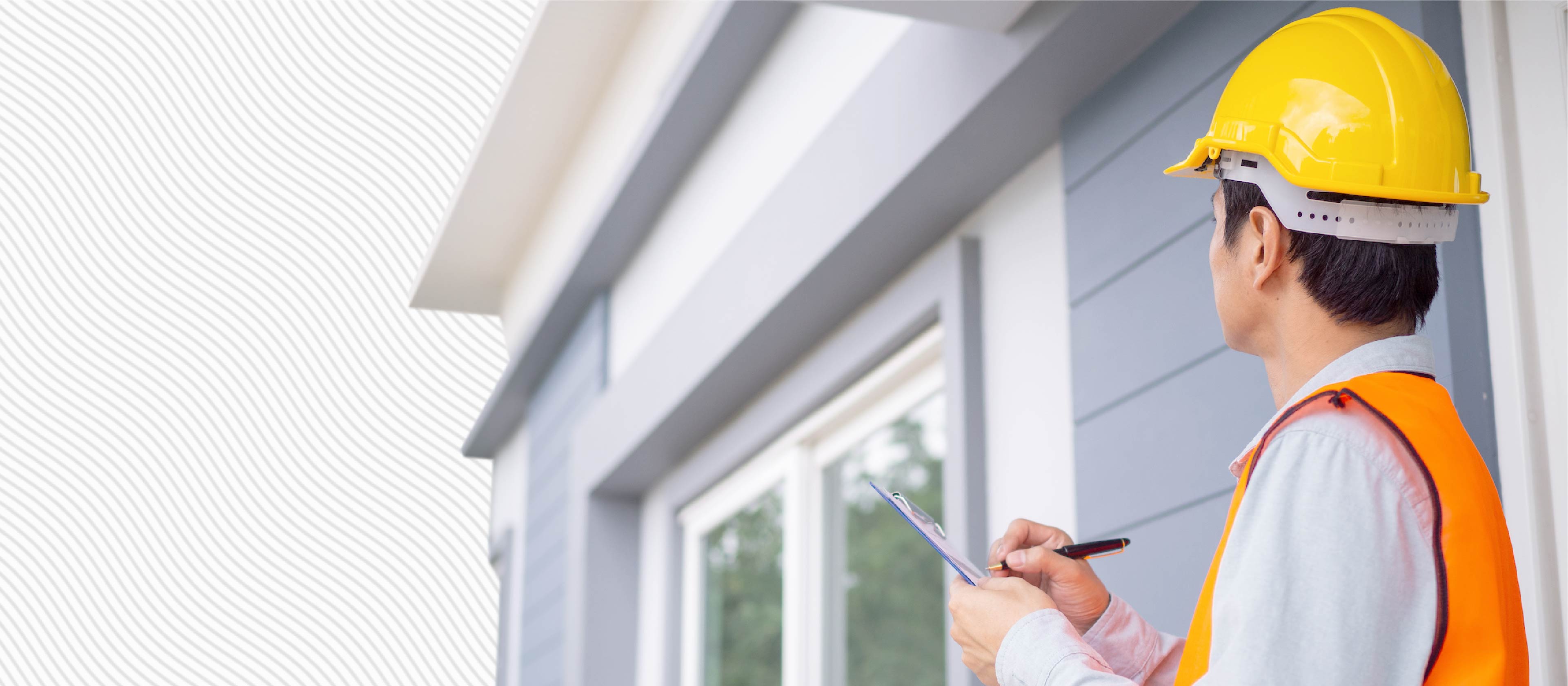
Building inspections are typically conducted by licensed professionals, such as building inspectors or structural engineers. They will conduct a thorough examination of the property, including the structure, electrical systems, plumbing, and other components.

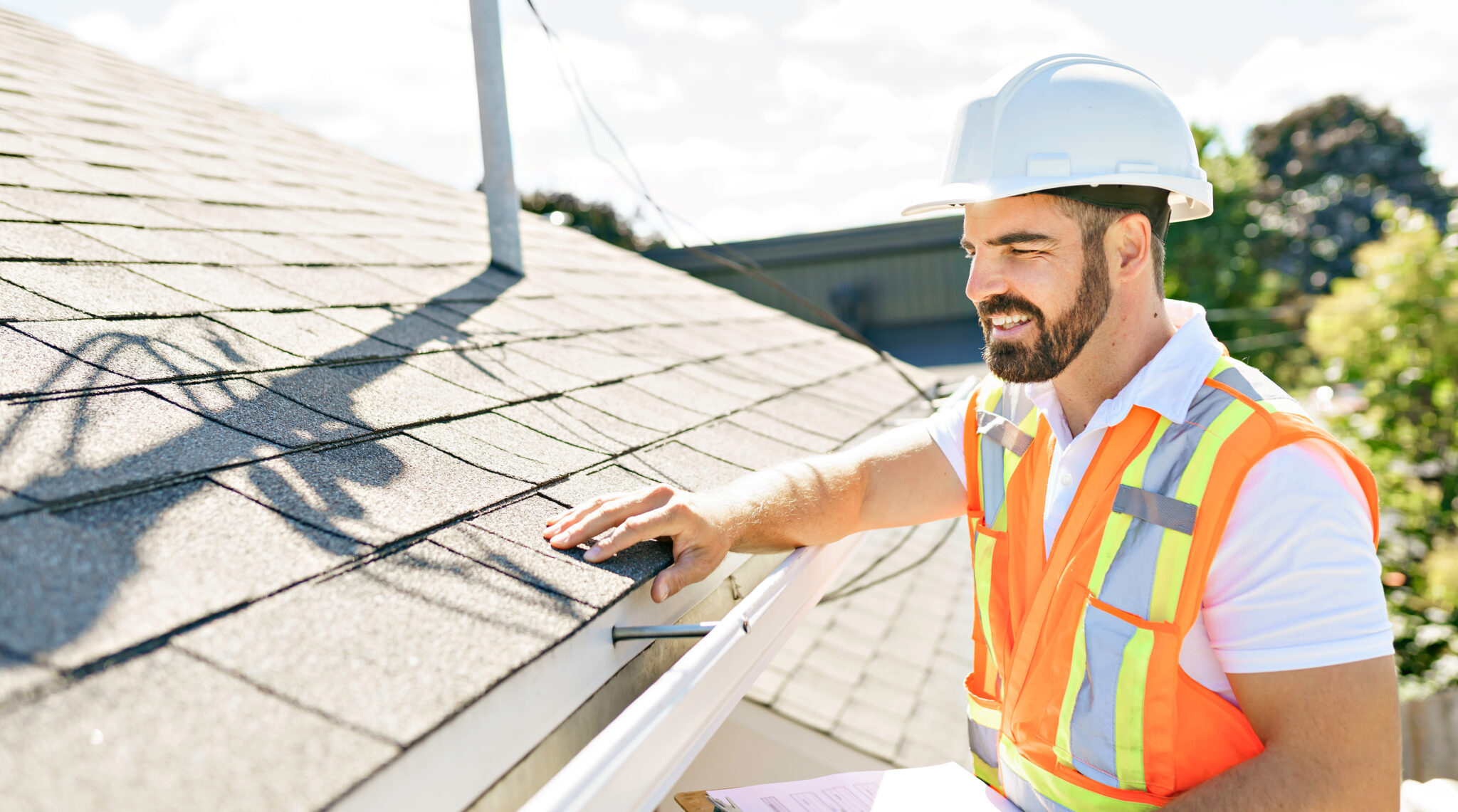
During the inspection, the inspector will look for signs of potential hidden property issues, such as cracks in the foundation, outdated electrical systems, leaks in the plumbing, or evidence of pests. They may also use specialized equipment, such as thermal imaging cameras, to identify potential issues that may not be visible to the naked eye.

Once the inspection is complete, the inspector will provide a report that outlines any potential issues with the property. This report can be used to negotiate repairs or a lower purchase price or can be used by the property owner to address any issues before they become more serious.

Benefits of Building Inspections

There are many benefits to getting a building inspections, including:

  1. Identifying potential hidden property issues: Building inspections can help identify potential issues with the property that may not be immediately obvious upon inspection. This can help potential buyers make informed decisions about the property and can help current property owners address issues before they become more serious.
  2. Negotiating repairs or a lower purchase price: If potential issues are identified during the inspection, the buyer can use this information to negotiate repairs or a lower purchase price.
  3. Ensuring safety: Building inspections can identify potential hazards, such as structural problems or outdated electrical systems, that can impact the safety of those living in the property.
  4. Protecting your investment: Building inspections can help protect your investment by identifying potential issues before they become more serious and expensive to repair.

Conclusion

Building inspections are an essential step in the due diligence process when buying a property. They can help identify potential hidden property issues that may not be immediately obvious upon inspection and can help protect your investment by identifying potential issues before they become more serious and expensive to repair.

The Relationship Between Building Inspections and Insurance

Building inspections are essential for identifying potential problems in a property before buying or leasing it. They help buyers and owners make informed decisions about the property’s condition and can identify potential hazards, code violations, and other issues. But did you know that building inspections can also have an impact on insurance? In this article, we’ll discuss the relationship between building inspections and insurance.

Contents

Why Insurance Companies Require Building Inspections

Insurance companies require building inspections for several reasons. First, they need to assess the risk associated with insuring a property. Building inspections can identify potential hazards, such as structural issues or electrical problems, that could lead to a loss. Insurance companies need to know about these risks to determine the appropriate coverage and premiums.

Second, building inspections can identify potential code violations. Insurance companies need to know if a property does not meet code requirements, as this could lead to legal issues and liability.

Finally, building inspections can help prevent losses. For example, an inspector may identify a potential fire hazard, such as faulty wiring, that could lead to a loss. By identifying and addressing this issue, the property owner can prevent a loss and reduce the risk of an insurance claim.

building inspections - Village of Union Grove

Types of Building Inspections Required by Insurance Companies

Insurance companies may require different types of building inspections depending on the property’s location, age, and type. Some of the most common types of inspections include:

  1. Structural Inspection: This inspection evaluates the structural components of the building, including the foundation, framing, and roof.
  2. Electrical Inspection: This inspection evaluates the electrical systems in the building, including wiring, panels, and outlets.
  3. Plumbing Inspection: This inspection evaluates the plumbing systems in the building, including pipes, fixtures, and water heaters.
  4. HVAC Inspection: This inspection evaluates the heating, ventilation, and air conditioning systems in the building.
  5. Environmental Inspection: This inspection evaluates the presence of hazardous materials, such as asbestos or lead paint, in the building.
  6. Fire Inspection: This inspection evaluates the building’s fire safety features, such as smoke detectors and fire alarms.

It’s important to note that insurance companies may have specific requirements for each type of inspection. For example, they may require a specific type of electrical inspection or may require that the inspection be conducted by a licensed professional.

What Happens if a Property Fails an Inspection?

If a property fails an inspection, the property owner may be required to make repairs or upgrades before the insurance company will provide coverage. This can include fixing structural issues, upgrading electrical or plumbing systems, or installing fire safety features.

In some cases, the insurance company may deny coverage altogether if the property presents too much of a risk. This can be a serious issue for property owners, as they may be unable to obtain insurance or may have to pay higher premiums.

How Building Inspections Can Lower Insurance Premiums

While building inspections are a requirement for insurance, they can also help lower premiums. By identifying and addressing potential hazards and code violations, property owners can reduce the risk of loss and improve the safety of their property. This can make the property less risky to insure, which can result in lower premiums.

For example, if an inspector identifies a potential fire hazard and the property owner installs fire safety features, such as smoke detectors and fire alarms, the insurance company may be willing to offer lower premiums. This is because the risk of loss due to fire has been reduced.

It’s important to note that not all insurance companies offer discounts for building inspections. However, it’s worth asking your insurance provider if they offer any discounts for inspections or upgrades that improve the safety of your property.

Conclusion

Building inspections are an essential step in the due diligence process when buying or leasing a property. They help identify potential hazards, code violations, and other issues that can impact the property’s safety and value.