

Saturday, March 21, 2026
Home Blog Page 69

How to Prepare for an Employment Background Check

0

Employment background checks are a standard part of the hiring process for many employers. A background check can include verification of a candidate’s education and employment history, criminal history, credit history, and more. If you’re in the process of job searching, it’s important to be prepared for a potential background check. In this article, we will provide tips on how to prepare for an employment background check.

Contents

Understand the Types of Background Checks

Employers may conduct different types of background checks depending on the job and industry. For example, a job in healthcare or education may require a more extensive background check than a job in retail. Some common types of background checks include:

Criminal background checks: Employers may conduct criminal background checks to determine if a candidate has a criminal history. Depending on the job and industry, the background check may be limited to certain types of offenses or may include a more comprehensive search.

Employment verification: Employers may verify a candidate’s employment history, including dates of employment, job title, and salary.

Education verification: Employers may verify a candidate’s education history, including degrees earned and dates of attendance.

Credit checks: Employers may check a candidate’s credit history to determine if they have a history of financial responsibility.

Drug testing: Employers may require drug testing as part of the background check process.

It’s important to understand the types of background checks that may be conducted for the job you are applying for so that you can be prepared.

Pre-Employment Background Checks: A Complete Guide [2023]

Gather the Necessary Documents

To prepare for an employment background check, you should gather any necessary documents, such as a resume or CV, college transcripts, and employment background records. It’s important to ensure that the information on your resume or CV is accurate and up to date, as employers may use this information to conduct a background check.

If you have gaps in your employment history or have been unemployed for a significant period of time, be prepared to explain the reasons for the gap. Similarly, if there are any inaccuracies or discrepancies in your education or employment history, be prepared to explain these as well.

Be Honest and Transparent

One of the most important things you can do to prepare for an employment background check is to be honest and transparent with your potential employer. If you have a criminal history or other red flags on your record, it’s important to be upfront about these and explain any mitigating circumstances.

If you have concerns about what might show up on your background check, it’s a good idea to speak with an employment attorney to understand your rights and options.

Review Your Social Media Accounts

In today’s digital age, many employers conduct social media background checks as part of the hiring process. It’s a good idea to review your social media accounts, including Facebook, Twitter, LinkedIn, and Instagram, to ensure that there is no inappropriate content that could harm your job prospects.

Consider Professional Background Check Services

If you are concerned about what might show up on your background check, you may want to consider using a professional background check service. These services can help you to understand what information is available about you and identify any potential red flags.

It’s important to note that you should only use reputable and reliable background check services, as there are many scams and fraudulent services out there.

Conclusion

Preparing for an employment background check can be stressful, but by understanding the types of background checks that may be conducted and being honest and transparent with your potential employer, you can increase your chances of passing the background check with flying colors. Remember to gather any necessary documents, review your social media accounts, and consider using a professional background check service if you have concerns about your record. With a little preparation, you can be confident and ready to take on any background check that comes your way.

What to Expect During an Employment Background Check

0

Employers often conduct background checks on potential employees as part of their hiring process. An employment background check is a process that involves verifying a candidate’s qualifications, work history, criminal record, credit history, and other information to ensure they are a suitable candidate for the job. If you’re in the process of job hunting, it’s essential to know what to expect during an employment background check. In this article, we’ll take a closer look at the various steps involved in a typical background check.

Contents

Step 1: Verifying Identity and Legal Authorization to Work

The first step in an employment background check is verifying the candidate’s identity and legal authorization to work in the United States. This typically involves providing a government-issued ID, such as a driver’s license or passport, and completing an I-9 form to confirm eligibility to work in the U.S. Employers may also conduct a Social Security number trace to confirm the candidate’s identity and check for any aliases or previous names used.

Step 2: Employment History Verification

Employers will typically verify the candidate’s employment history by contacting their previous employers or checking with a background check company that specializes in employment history verification. This process involves checking dates of employment, job titles, duties, and reasons for leaving previous positions. Employers may also verify the candidate’s education and any professional licenses or certifications they hold.Check Employee Records for Background Verification – Spy Agency India

Step 3: Criminal Background Check

A criminal background check is a standard part of most employment background checks. This process involves searching local, state, and federal criminal records for any past criminal convictions or charges. Employers are typically looking for any violent or serious crimes, as well as any convictions that may be relevant to the job the candidate is applying for. However, employers must comply with federal and state laws regarding background checks and avoid discrimination against applicants based on their criminal history.

Step 4: Credit History Check

Employers may also conduct a credit history check to assess the candidate’s financial responsibility, particularly if the job involves handling money or sensitive financial information. This process involves looking at the candidate’s credit score and report to identify any red flags such as a history of missed payments or high levels of debt. However, employers must comply with the Fair Credit Reporting Act and provide the candidate with a copy of their credit report if requested.

Step 5: Drug Testing

Some employers require candidates to undergo drug testing as part of their background check, particularly for safety-sensitive or federally regulated positions. This process typically involves providing a urine or blood sample, which is then tested for various substances, including illegal drugs and prescription medications.

Step 6: Social Media Check

Employers may also conduct a social media check to get a sense of the candidate’s online presence and reputation. This process involves searching the candidate’s social media profiles for any inappropriate content, such as posts or comments that are discriminatory, harassing, or offensive. However, employers must comply with federal and state laws regarding privacy and avoid using social media to discriminate against applicants based on protected characteristics.

Step 7: Reference Check

Finally, employers may conduct a reference check to verify the candidate’s work history and qualifications. This process involves contacting the candidate’s previous employers or professional references and asking questions about the candidate’s work performance, reliability, and character. It’s essential to have a list of references ready and to inform them in advance that they may be contacted by potential employers.

Preparing for an Employment Background Check

If you’re in the job market, it’s essential to be prepared for an employment background check. Here are a few tips to help you prepare:

1. Gather Necessary Information

Make sure you have all the necessary information on hand, including government-issued IDs, employment history, education, and professional licenses or certifications.

Employment Checks: What Employees Need to Know

1

Employment checks are an integral part of the hiring process. They are designed to verify a candidate’s background and qualifications, to ensure that they are suitable for the job in question. While most candidates are familiar with the concept of employment checks, they may not be aware of the specifics of the process. In this article, we will provide an overview of employment checks and what employees need to know about them.

Contents

What are Employment Checks?

Employment checks, also known as background checks, are a series of investigative procedures that are conducted on job candidates to verify their qualifications and suitability for a particular job. Employment checks can include criminal record checks, reference checks, educational credential checks, credit checks, and social media checks, among others.

The scope of employment checks can vary depending on the nature of the job, the industry, and the employer’s policies. Some employers may only conduct a basic criminal record check, while others may conduct a more extensive investigation that includes multiple types of checks.

What Employers Need To Know About Background Checks

Why do Employers Conduct Employment Checks?

Employers conduct employment checks for several reasons:

  1. To ensure that the candidate is qualified for the job. Employment checks can verify a candidate’s education, experience, and credentials, ensuring that they meet the requirements for the job in question.
  2. To reduce the risk of hiring a problematic candidate. Employment checks can uncover red flags such as criminal history, fraudulent activity, or false information provided on the resume or application.
  3. To comply with legal and regulatory requirements. Certain industries, such as finance or healthcare, may be subject to stricter regulations regarding background checks for certain positions.

What Information is Checked During an Employment Checks?

The specific information that is checked during an employment checks can vary depending on the employer’s policies and the requirements of the job. However, some common types of employment checks that may be conducted include:

  1. Criminal record checks: These checks examine a candidate’s criminal history to ensure that they do not have a history of violent or fraudulent activity that may make them unsuitable for the job.
  2. Reference checks: Employers may contact the candidate’s previous employers, academic institutions, or personal references to verify their work history, qualifications, and character.
  3. Educational credential checks: Employers may verify a candidate’s educational credentials, including their degrees, certificates, and other qualifications.
  4. Credit checks: Employers may conduct credit checks to assess a candidate’s financial responsibility and reduce the risk of financial misconduct or theft.
  5. Social media checks: Employers may review a candidate’s social media profiles to gain insight into their character, behavior, and professionalism.

What are Employee Rights Regarding Employment Checks?

Job candidates have certain rights regarding employment checks. These rights are designed to protect candidates from unfair or discriminatory practices during the hiring process. Some of these rights include:

  1. The right to privacy: Candidates have the right to privacy regarding their personal information. Employers must obtain written consent before conducting an employment checks and must comply with all applicable privacy laws.
  2. The right to accuracy: Candidates have the right to accurate information regarding their background and qualifications. Employers must ensure that the information obtained during an employment checks is accurate and up-to-date.
  3. The right to dispute inaccurate information: If a candidate believes that the information obtained during an employment checks is inaccurate, they have the right to dispute it with the employer.
  4. The right to non-discrimination: Candidates have the right to be treated fairly during the hiring process, regardless of their race, gender, religion, age, or other protected characteristics. Employers must comply with all applicable anti-discrimination laws.

How to Verify Educational Credentials During an Employment Check

1

In today’s competitive job market, it’s not uncommon for job applicants to embellish or even outright lie about their educational credentials. This is why employers often perform education verifications as part of their employment screening process. In this article, we will explore the importance of verifying educational credentials and provide tips on how to conduct an effective education verification.

Contents

Why Verify Educational Credentials?

Employers verify educational credentials for several reasons. First and foremost, they want to ensure that the job candidate has the educational qualifications required for the position. For example, if the job requires a bachelor’s degree, the employer needs to confirm that the candidate has indeed earned a bachelor’s degree from an accredited institution.

Second, employers want to protect themselves from legal liability. If an employee is hired based on falsified educational credentials and later causes harm to the company or its clients, the employer could be held liable for negligent hiring.

Finally, education verification can also be a way to assess a candidate’s honesty and integrity. If a candidate is caught lying about their educational credentials, it raises questions about their character and may be a red flag for other dishonest behavior.

Why Background Verification Is Important

How to Verify Educational Credentials

There are several ways to verify educational credentials. Here are some tips on how to conduct an effective education verification:

1. Obtain Written Consent

Before conducting an education verification, it’s important to obtain written consent from the job candidate. This consent should be part of the employment application or a separate authorization form. The consent should explain what information will be obtained and how it will be used.

2. Confirm the School’s Accreditation

One of the first steps in verifying educational credentials is to confirm that the school is accredited. Accreditation means that the school meets certain standards of quality and is recognized by an accrediting agency. There are several accrediting agencies in the United States, such as the Higher Learning Commission or the Accrediting Council for Continuing Education and Training.

3. Verify the Degree

After confirming the school’s accreditation, the next step is to verify the degree. This can typically be done by contacting the registrar’s office or the National Student Clearinghouse, which is a nonprofit organization that provides educational verification services. The verifier will typically need the candidate’s full name, date of birth, and the degree information (e.g. major, date of graduation).

4. Verify the Transcript

In addition to verifying the degree, it’s also a good idea to verify the candidate’s transcript. The transcript provides a more detailed record of the candidate’s academic performance, including their grades and any honors or awards received. The verifier will typically need the candidate’s full name, date of birth, and the dates of attendance.

5. Check for Forged Documents

Unfortunately, some job candidates may submit forged educational credentials in an attempt to deceive employers. To check for forged documents, look for signs of tampering or inconsistencies. For example, if the font or formatting looks off, or if the document contains spelling or grammatical errors, it may be a red flag. It’s also a good idea to cross-check the information provided with other sources, such as the candidate’s resume or social media profiles.

6. Use a Third-Party Verification Service

Employers can also use third-party verification services to conduct education verifications. These services specialize in verifying educational credentials and have access to databases and records that may not be available to employers. However, it’s important to choose a reputable and reliable verification service.

Conclusion

Verifying educational credentials is an important part of the employment screening process. By confirming that job candidates have the educational qualifications they claim to have, employers can protect themselves from legal liability and ensure that they are hiring the most qualified candidates. By following these tips, employers can conduct effective education verifications and make informed hiring decisions.

The Role of Social Media in Employment Screening

1

In today’s digital age, social media has become an integral part of our daily lives. From Facebook and Twitter to LinkedIn and Instagram, social media platforms offer a wealth of information about individuals that can be easily accessed with just a few clicks. This information can be particularly valuable for employers looking to conduct a thorough background check on job candidates. In this article, we will explore the role of social media in employment screening, including the benefits and potential risks.

Contents

What is Social Media Screening?

Social media screening is the process of using social media platforms to gather information about a job candidate. This may include looking at the candidate’s public profiles on social media sites such as Facebook, Twitter, LinkedIn, and Instagram. Employers may use social media screening to learn more about a candidate’s personal and professional interests, online behavior, and communication skills.

13 social media tips job hunters need to remember to avoid rejection -  India Today

Why Do Employers Use Social Media Screening?

Employers use social media screening for several reasons:

  1. To verify information provided by the candidate: Employers may use social media screening to verify information provided by the candidate during the hiring process. For example, if a candidate claims to have experience in a particular field, the employer may look for evidence of this experience on their social media profiles.
  2. To assess the candidate’s online behavior: Employers may use social media screening to assess a candidate’s online behavior and determine if it aligns with the company’s values and culture. For example, if a candidate frequently posts offensive or inappropriate content online, the employer may view this as a red flag.
  3. To gauge the candidate’s communication skills: Employers may use social media screening to gauge a candidate’s communication skills, particularly if the position requires strong written communication skills. For example, an employer may look at a candidate’s LinkedIn profile to assess their ability to write clear and concise job descriptions.

The Pros of Using Social Media Screening

There are several benefits to using social media screening in employment screening:

  1. Access to Additional Information: Social media screening provides employers with access to additional information about a candidate that may not be available through other sources.
  2. Verification of Information: Social media screening can help employers verify information provided by the candidate during the hiring process, such as their education or work history.
  3. Insight into Online Behavior: Social media screening can provide employers with insight into a candidate’s online behavior and help them determine if the candidate is a good fit for the company culture.

The Cons of Using Social Media Screening

Despite the benefits of using social media screening, there are also some potential risks:

  1. Legal Concerns: Social media screening may raise legal concerns related to privacy and discrimination. Employers must be careful not to violate any laws related to employment screening or discrimination.
  2. Inaccurate Information: Social media profiles may not always provide accurate information about a candidate. For example, a candidate’s LinkedIn profile may not reflect their true level of experience or qualifications.
  3. Unfair Evaluation: Social media screening may result in unfair evaluation of a candidate based on factors such as their race, gender, or sexual orientation.

How to Use Social Media Screening Effectively

If an employer decides to use social media screening as part of their employment screening process, there are several best practices they can follow to ensure that they are using it effectively:

  1. Establish Clear Guidelines: Employers should establish clear guidelines for social media screening and ensure that they are consistent with their overall hiring policies.
  2. Use a Third-Party Service: Employers may consider using a third-party service to conduct social media screening. This can help ensure that the screening process is unbiased and that any legal concerns are addressed.

How to Conduct an Online Employment Background Check

0

In today’s digital age, conducting an online employment background check has become easier and more common than ever before. Employers can now access a vast array of information about a job candidate with just a few clicks of a mouse. However, it is important to know what to look for and how to conduct a thorough and legal background check. In this article, we will explore how to conduct an online employment background check, including what information to look for, legal considerations, and best practices.

Contents

What is an Online Employment Background Check?

An online employment background check is a type of background check that is conducted using online resources. These checks can include searching public records, social media profiles, and other online sources to gather information about a job candidate’s criminal history, education, work history, and other relevant information.

Background Verification (BGV) & Employee Screening Company

What Information to Look for During an Online Employment Background Check?

The information that an employer can gather during an online employment background check can vary depending on the resources used. Here are some common types of information that an employer might look for:

  1. Criminal History: An employer might conduct an online search of public records to determine whether a candidate has a criminal record. This can include information about arrests, convictions, and other criminal activities.
  2. Education and Employment History: An employer might use online resources to verify a candidate’s education and employment history. This can include verifying degrees and certifications, checking previous employers, and confirming dates of employment.
  3. Social Media Presence: Employers may search for a candidate’s social media profiles to get a sense of their personality, interests, and behavior outside of work. However, employers should be careful to avoid making hiring decisions based on personal characteristics or protected categories, such as race or religion, that may be revealed on social media.
  4. Credit History: Some employers may use online resources to conduct credit checks on job candidates to assess their financial responsibility. However, it is important to comply with all state and federal regulations related to credit checks.

Legal Considerations

When conducting an online employment background check, employers must be careful to comply with all applicable state and federal laws. Here are some key legal considerations to keep in mind:

  1. Fair Credit Reporting Act (FCRA): Employers must comply with the FCRA when conducting background checks. This law regulates how employers can use consumer reports, including credit reports, in the hiring process. Employers must obtain written permission from job candidates before conducting a background check, and must provide candidates with a copy of their report if they are denied employment based on the results.
  2. Ban the Box Laws: Some states and cities have “ban the box” laws that prohibit employers from asking about a candidate’s criminal history until after a conditional job offer has been made. Employers should be aware of any such laws in their jurisdiction and adjust their background check process accordingly.
  3. Anti-Discrimination Laws: Employers must be careful not to discriminate against candidates based on protected characteristics such as race, gender, religion, or national origin. They should ensure that any background check conducted is job-related and consistent with business necessity.

Best Practices for Conducting an Online Employment Background Check

Here are some best practices to follow when conducting an online employment background check:

  1. Obtain Written Consent: Employers must obtain written consent from job candidates before conducting a background check. This consent should be separate from other application materials and should clearly explain what information will be gathered and how it will be used.
  2. Use Reliable Sources: Employers should use reliable online sources to gather information about job candidates. They should avoid relying solely on social media or other unverified sources.
  3. Be Consistent: Employers should apply the same background check process to all job candidates for a particular position. This can help avoid claims of discrimination or bias.

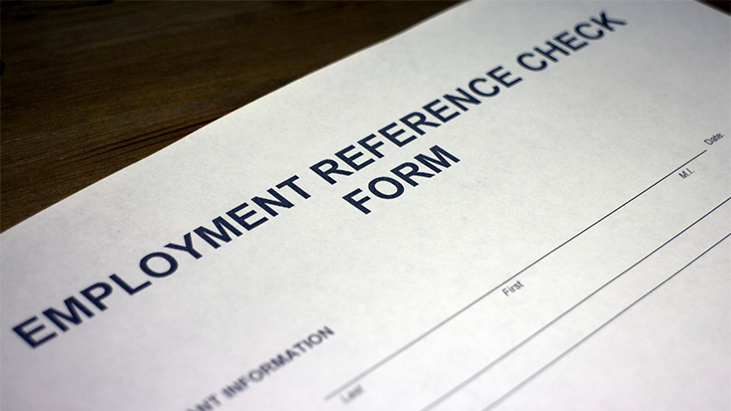
What to Look for During an Employment Reference Check

0

In the hiring process, conducting employment reference checks is an essential step for employers. Reference checks allow employers to confirm a candidate’s work history, skills, and experience, and can help employers make more informed hiring decisions. However, to ensure that the reference check process is effective, employers need to know what to look for and how to conduct the check properly. In this article, we will explore what to look for during an employment reference check.

Contents

Confirming Work History

One of the most important things to look for during an employment reference check is confirmation of a candidate’s work history. Employers should verify the dates of employment, job titles, and responsibilities listed on the candidate’s resume. It’s also important to confirm that the candidate was in good standing with their previous employer when they left the job.

To do this, employers should ask the reference questions such as:

  • What was the candidate’s job title?
  • What were the candidate’s main responsibilities in the role?
  • How long was the candidate employed by your organization?
  • Did the candidate leave the job voluntarily or involuntarily?
  • Was the candidate in good standing with your organization when they left the job?

By asking these questions, employers can confirm that the candidate’s work history is accurate and get a better sense of their experience and qualifications.

How to Conduct an Employment Reference Check - Factorial

Assessing Skills and Experience

Another important aspect of a reference check is assessing a candidate’s skills and experience. Employers should ask references to describe the candidate’s strengths and weaknesses, as well as any specific skills or accomplishments that stood out during their time working together.

To do this, employers should ask the reference questions such as:

  • What were the candidate’s strengths and weaknesses?
  • What specific skills or accomplishments stood out during the candidate’s time working with your organization?
  • How would you describe the candidate’s work ethic and interpersonal skills?
  • Would you hire the candidate again if given the opportunity?

By asking these questions, employers can gain insight into the candidate’s skills and experience and assess whether they are a good fit for the position.

Checking for Cultural Fit

In addition to confirming work history and assessing skills and experience, it’s also important to check for cultural fit during an employment reference check. Employers should ask references questions about the candidate’s personality, communication style, and ability to work well with others.

To do this, employers should ask the reference questions such as:

  • How would you describe the candidate’s communication style?
  • Did the candidate work well with others on your team?
  • How did the candidate handle conflict or difficult situations in the workplace?
  • Would you describe the candidate as a good cultural fit for your organization?

By asking these questions, employers can get a better sense of whether the candidate will fit in well with the company culture and work well with the existing team.

Additional Tips for Conducting Reference Checks

In addition to asking the right questions during a reference check, there are several other tips that employers should keep in mind to ensure the process is effective:

  1. Be Prepared: Before conducting a reference check, employers should review the candidate’s resume and job description to ensure they understand the position and what they are looking for in a candidate.
  2. Ask Open-Ended Questions: To get the most out of a reference check, employers should ask open-ended questions that allow the reference to provide detailed responses. Closed-ended questions can lead to yes or no answers and may not provide enough information.
  3. Verify the Reference: Employers should ensure that the reference is legitimate and not a friend or family member of the candidate. They should also confirm that the reference has the authority to provide information about the candidate’s work history and experience.

Common Air Conditioning Myths Debunked

1

Air conditioning is an essential part of many households and businesses during hot summer months. However, with the abundance of information available online and through word of mouth, it can be challenging to know what is true and what is not. In this article, we will debunk some common air conditioning myths and provide accurate information to help you better understand how your air conditioning system works.

Contents

Myth #1: Turning the Thermostat Down Lower Will Cool the Room Faster

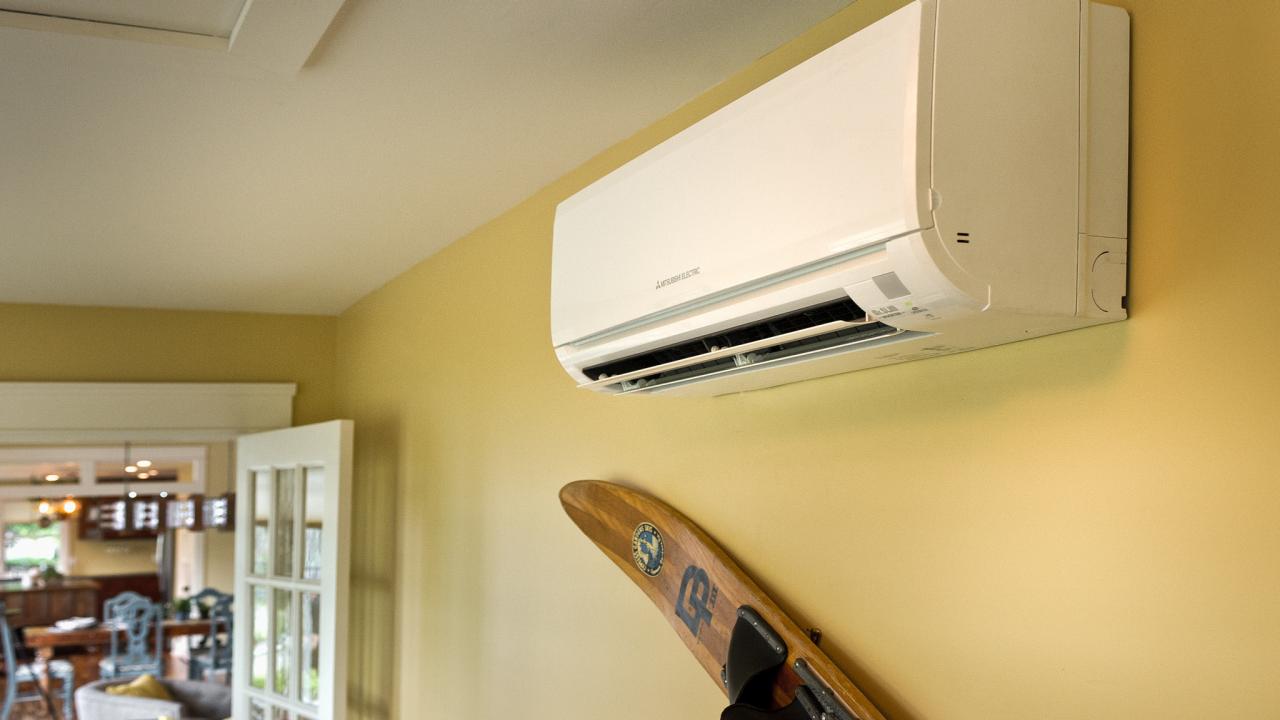
This is one of the most common air conditioning myths, and it is entirely false. An air conditioning unit cools at a constant rate, regardless of the temperature setting. Lowering the thermostat temperature will not cool the room faster, but it will cause the air conditioning unit to run for longer, which can result in higher energy bills. Instead, set the thermostat to a comfortable temperature and be patient while the unit cools the room.

How Ductless Air Conditioners Work | HGTV

Myth #2: Closing Vents in Unused Rooms Will Save Energy

Closing vents in unused rooms may seem like a logical way to save energy, but it can actually cause damage to your air conditioning system. Air conditioning units are designed to cool a specific square footage, and closing vents can cause the unit to work harder to maintain the desired temperature. This can lead to damage to the compressor, evaporator coil, and other parts of the system. It is best to keep all vents open to allow for proper airflow.

Myth #3: A Bigger Air Conditioner is Always Better

Many people believe that a bigger air conditioning unit will cool a room faster and more efficiently. However, this is not necessarily true. A unit that is too big for the space it is cooling can lead to short cycling, which is when the unit turns on and off frequently, reducing its efficiency and lifespan. On the other hand, a unit that is too small for the space it is cooling will have to work harder to maintain the desired temperature, leading to increased energy bills and a shorter lifespan. It is essential to choose the right size unit for the space being cooled.

Myth #4: Ceiling Fans Keep the Room Cool

Ceiling fans do not actually cool the room; instead, they create a breeze that provides a cooling sensation on the skin. The air moving over the skin evaporates sweat, which cools the body. However, the temperature in the room remains the same. Ceiling fans are most effective when used in conjunction with an air conditioning unit, as they can help circulate the cool air throughout the room.

Myth #5: Air Filters Only Need to Be Changed Once a Year

Air filters are an essential component of any air conditioning system, and they should be changed regularly to ensure proper airflow and prevent damage to the system. It is a common misconception that air filters only need to be changed once a year, but this is not true. Depending on the type of filter and the amount of use, air filters should be changed every one to three months. Dirty filters can cause the unit to work harder, leading to higher energy bills and potential damage to the system.

Myth #6: Air Conditioning Units Do Not Need Regular Maintenance

Regular maintenance is crucial to the proper functioning and longevity of an air conditioning system. Some people believe that air conditioning units do not need regular maintenance, but this is not true. Regular maintenance can help prevent breakdowns, increase energy efficiency, and extend the lifespan of the system. It is recommended that air conditioning units be serviced at least once a year by a professional HVAC technician.

In conclusion, there are many air conditioning myths circulating that can lead to misinformation and potential damage to your system. It is important to separate fact from fiction and understand how your air conditioning system works to ensure proper functioning and efficiency.

DIY Air Conditioning Maintenance: Tips and Tricks

2

Air conditioning is a crucial part of modern life, especially during the hot summer months. A well-maintained AC unit can provide years of trouble-free service, while a neglected unit can lead to high energy bills and expensive repairs. While some maintenance tasks are best left to the professionals, there are several things you can do yourself to keep your AC unit running smoothly. In this article, we will explore some DIY air conditioning maintenance tips and tricks.

Contents

Clean or Replace Air Filters

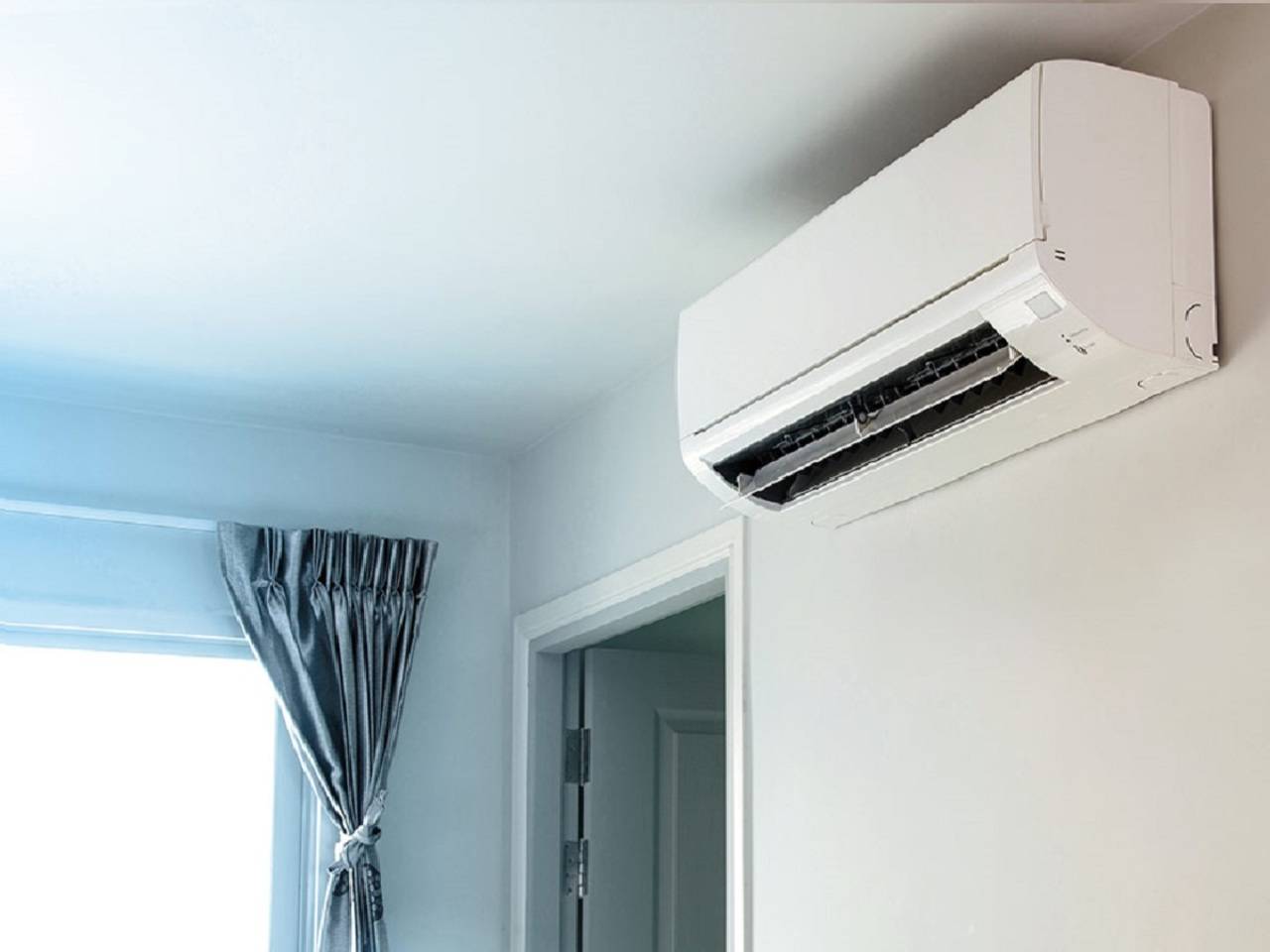
One of the most important maintenance tasks you can perform on your AC unit is to clean or replace the air filters regularly. The air filters are responsible for capturing dirt, dust, and other airborne particles that can clog the system, reduce airflow, and decrease the efficiency of the unit. A clogged filter can also lead to frozen evaporator coils, which can cause the system to stop working altogether.

The frequency with which you should clean or replace your air filters depends on several factors, such as the number of people in your home, the presence of pets, and the level of air pollution in your area. As a general rule, you should replace disposable filters every one to three months and clean reusable filters every one to two weeks.

Best AC Under 40000: Air Conditioners That Offer Great Cooling Performance  | - Times of India (November, 2023)

Clean the Condenser Coils

The condenser coils are located on the outside unit of your AC system and are responsible for releasing the heat absorbed by the refrigerant in the evaporator coils. Over time, the condenser coils can become dirty and covered in debris, which can reduce their ability to transfer heat and cause the system to work harder and less efficiently.

To clean the condenser coils, turn off the power to the unit and remove any debris or vegetation from around the outside of the unit. Use a garden hose with a nozzle attachment to spray the coils from the inside out, being careful not to bend or damage the fins. You can also use a fin comb to straighten any bent fins and improve airflow.

Check the Refrigerant Levels

The refrigerant is the substance that absorbs and releases heat in your AC system. If your system is low on refrigerant, it can lead to decreased cooling capacity, higher energy bills, and potentially costly repairs. Checking the refrigerant levels requires specialized equipment, so it’s best to leave this task to the professionals.

However, if you notice that your system is not cooling as well as it should be or if you hear hissing or bubbling sounds coming from the unit, it could be a sign of low refrigerant levels. In this case, you should call a licensed HVAC technician to diagnose and repair the problem.

Inspect the Ductwork

The ductwork is responsible for distributing cooled air throughout your home. Over time, the ductwork can become dirty or damaged, which can reduce the efficiency of your system and lead to poor indoor air quality.

To inspect the ductwork, remove the covers from the registers and use a flashlight to look inside. Look for signs of dirt, dust, or debris, as well as any signs of damage or leaks. If you notice any problems, contact an HVAC professional to perform the necessary repairs or cleaning.

Check the Thermostat

The thermostat is responsible for regulating the temperature of your home and controlling your AC system. If your thermostat is not working properly, it can lead to poor cooling performance or unnecessary energy consumption.

To check your thermostat, first, make sure that it is set to the correct temperature and mode (cooling, heating, or fan). Then, use a thermometer to compare the temperature reading on the thermostat to the actual temperature in the room. If there is a significant difference between the two, you may need to recalibrate the thermostat or replace it altogether.

Air Conditioning and Humidity Control: What You Need to Know

1

When it comes to indoor comfort, air conditioning is a popular solution for keeping cool during hot summer months. However, many people overlook the importance of humidity control in addition to temperature control. High humidity levels can make indoor air feel sticky and uncomfortable, while low humidity can cause dry skin and respiratory problems. In this article, we will explore the relationship between air conditioning and humidity control, and what you need to know to maintain optimal indoor air quality.

Contents

The Basics of Humidity Control

Humidity refers to the amount of moisture in the air, and it can greatly impact our comfort levels. High humidity levels can make us feel hot and sweaty, while low humidity can cause dry skin and respiratory problems. In addition, high humidity levels can create an ideal environment for mold and mildew growth, which can be harmful to our health.

The ideal indoor humidity level should be between 30-50%, with 45% being the optimal level. Humidity levels can be measured using a hygrometer, which is a tool that measures relative humidity. If your indoor humidity levels are outside of this range, it may be time to consider installing a humidity control system.

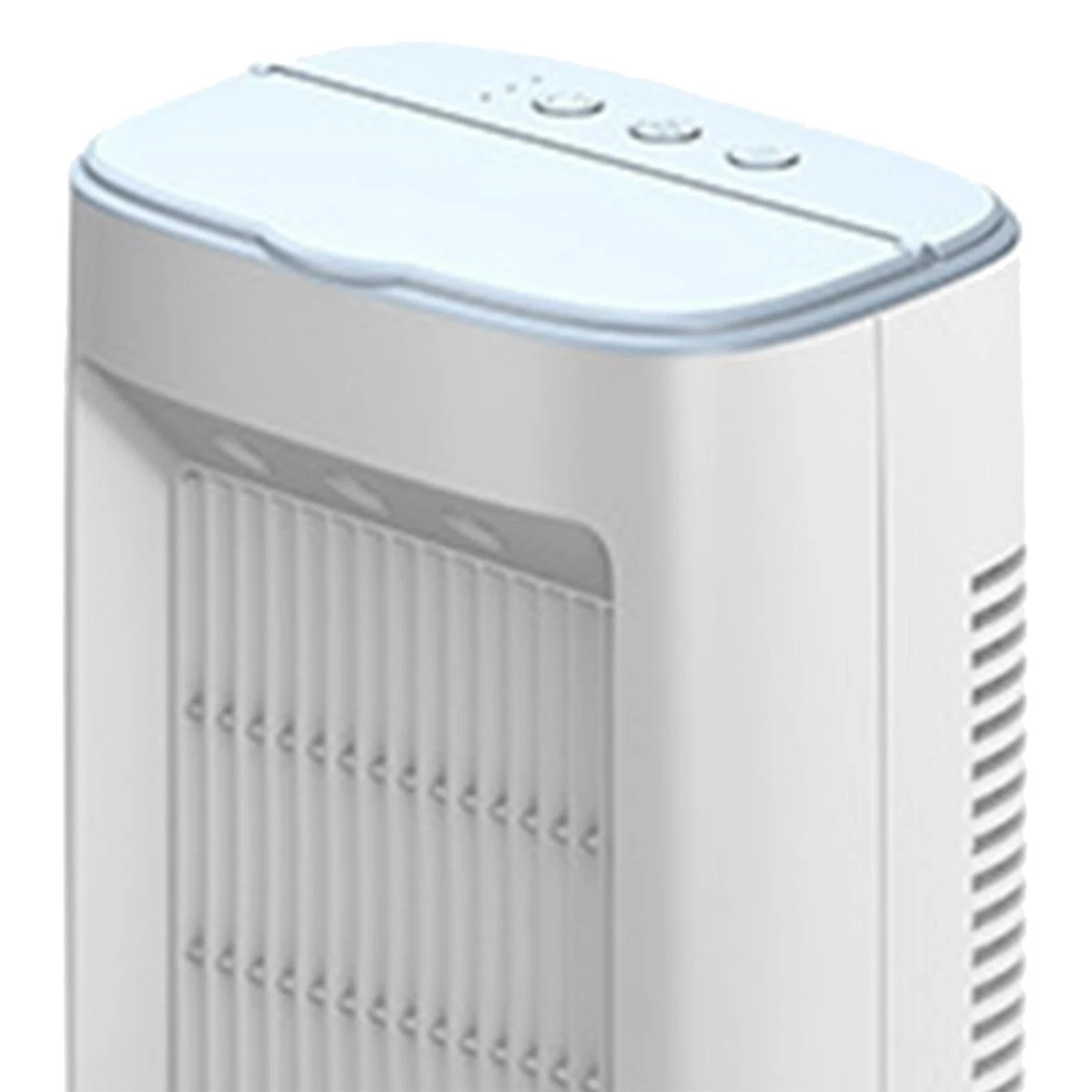
Air Conditioner 3 Gear Adjustable USB Air Cooler for Summer Desk | eBay

How Air Conditioning Affects Humidity

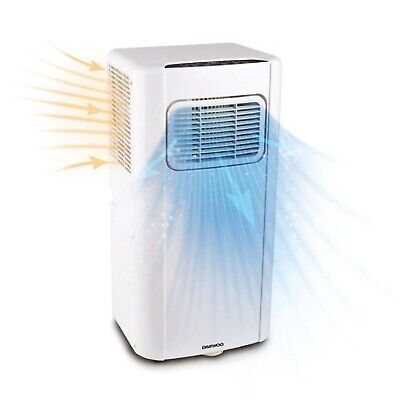
Air conditioning systems work by removing heat and moisture from the air, which helps to create a more comfortable indoor environment. However, air conditioning alone may not be enough to maintain optimal humidity levels. In fact, air conditioning can sometimes make indoor air too dry, which can cause respiratory problems and dry skin.

To combat this issue, many air conditioning systems come equipped with a humidity control feature, which can help to maintain optimal indoor humidity levels. Humidity control works by removing excess moisture from the air, while still providing cool air to keep the indoor environment comfortable.

Types of Humidity Control Systems

There are several types of humidity control systems available, each with their own benefits and drawbacks. Some common types of humidity control systems include:

  1. Dehumidifiers – Dehumidifiers work by removing excess moisture from the air, which can help to prevent mold and mildew growth. They are especially useful in areas with high humidity levels, such as basements and bathrooms.
  2. Humidifiers – Humidifiers work by adding moisture to the air, which can help to alleviate dry skin and respiratory problems. They are especially useful in areas with low humidity levels, such as desert climates.
  3. Whole-house humidity control systems – Whole-house humidity control systems work by controlling the humidity levels throughout the entire home. They can be integrated with your existing HVAC system and can help to maintain optimal indoor air quality.

Maintaining Optimal Indoor Humidity Levels

To maintain optimal indoor humidity levels, it is important to take a few simple steps. First, make sure your air conditioning system is equipped with a humidity control feature. This can help to maintain optimal indoor humidity levels while still providing cool air.

Second, make sure to regularly clean and replace your air filters. Dirty air filters can cause your air conditioning system to work less efficiently, which can lead to increased humidity levels and decreased indoor air quality.

Third, consider investing in a humidity control system, such as a dehumidifier or humidifier, to help maintain optimal indoor humidity levels.

Conclusion

When it comes to indoor air quality, humidity control is just as important as temperature control. High humidity levels can create an uncomfortable indoor environment and can even lead to mold and mildew growth, while low humidity levels can cause dry skin and respiratory problems. By understanding the basics of humidity control and investing in the right systems, you can maintain optimal indoor air quality and enjoy a comfortable and healthy living environment.