
Saturday, March 21, 2026
Home Blog Page 70

How Air Conditioning Affects Your Health: Tips for Staying Healthy

0

Air conditioning is a common feature in homes and offices around the world, providing relief from the heat and humidity. However, many people may not realize the impact that air conditioning can have on their health. While air conditioning can help prevent heat-related illnesses, it can also cause some negative health effects if not used properly.

Air conditioning has become a staple of modern living, providing us with cool air on hot days and warm air on cold ones. However, the benefits of air conditioning come with potential drawbacks to our health if we are not careful. In this article, we will discuss how air conditioning affects your health and provide tips for staying healthy while using it.

Contents

1. Dry Air and Your Skin

Air conditioning removes humidity from the air, which can cause your skin to become dry and itchy. This can be especially problematic for those with pre-existing skin conditions like eczema or psoriasis. To combat this issue, we recommend using a humidifier in conjunction with your air conditioning unit. This will help to maintain a comfortable level of humidity in your home, which can prevent your skin from drying out.
Learn About Refrigerated Air Conditioning Systems | Aircon Market

2. Respiratory Problems

Air conditioning can also cause respiratory problems for some people, particularly those who suffer from allergies or asthma. When air is circulated through the air conditioning unit, it can pick up allergens like dust, pollen, and pet dander. This can lead to respiratory issues like coughing, wheezing, and shortness of breath.

To minimize the risk of respiratory problems, we suggest changing your air filters regularly. This will help to remove any allergens that have accumulated in the filter, ensuring that the air circulating in your home is clean and healthy.

3. Eye Irritation

Another potential side effect of air conditioning is eye irritation. When air is cooled, it can cause the air to become dry, which can irritate your eyes. This can lead to symptoms like itching, redness, and dryness.

To avoid eye irritation, we recommend using eye drops to keep your eyes lubricated. Additionally, you may want to consider wearing glasses instead of contact lenses, as contact lenses can exacerbate the dryness caused by air conditioning.

4. Dehydration

Air conditioning can also cause dehydration, as it removes moisture from the air. When the air is dry, your body loses moisture more quickly, which can lead to symptoms like headaches, dizziness, and fatigue.

To combat dehydration, we recommend drinking plenty of water throughout the day. You may also want to consider using a humidifier in conjunction with your air conditioning unit, as this can help to maintain a comfortable level of humidity in your home.

5. Infections

Finally, air conditioning can also contribute to the spread of infections, as it circulates air throughout a room. If someone in your home is sick, the air conditioning unit can circulate their germs throughout the entire room, potentially infecting others.

To minimize the risk of infections, we suggest cleaning your air conditioning unit regularly. This will help to remove any bacteria or viruses that may be lurking inside, ensuring that the air circulating in your home is clean and healthy.

Conclusion

While air conditioning provides us with many benefits, it can also have potential health drawbacks. By following the tips we have provided, you can ensure that you stay healthy while using your air conditioning unit.
How to Save Money on Your Air Conditioning Bill

2

Keeping your home cool during hot summer months can be a major expense. According to the Department of Energy, air conditioning can account for up to 43% of your monthly utility bill during the summer. However, with a few simple changes and practices, you can reduce your air conditioning bill and save money without sacrificing comfort.

Contents

1. Upgrade to a High-Efficiency Air Conditioning System

If your air conditioning system is more than 10 years old, it may be time to replace it with a newer, more efficient model. High-efficiency systems use less energy to cool your home, which means lower energy bills for you. Look for a unit with a high SEER rating (Seasonal Energy Efficiency Ratio), which indicates its energy efficiency. The higher the SEER rating, the more efficient the unit.

How Air Conditioing Can Change Your Life | All Cool - Brisbane

2. Use a Programmable Thermostat

A programmable thermostat allows you to set the temperature of your home based on your schedule. For example, you can set the temperature to be higher during the day when you’re at work and lower in the evenings when you’re home. This can save you money on your energy bills by reducing the amount of energy your air conditioning system uses during the day.

3. Maintain Your Air Conditioning System

Regular maintenance of your air conditioning system can help it run more efficiently, which can save you money on your energy bills. Change your air filter every 1-3 months, depending on the type of filter and how often you use your system. Keep the outdoor unit clean and clear of debris, and have a professional technician perform annual maintenance to keep your system running smoothly.

4. Use Fans to Supplement Your Air Conditioning System

Ceiling fans and portable fans can help circulate cool air throughout your home, reducing the workload on your air conditioning system. This can help you save money on your energy bills while still keeping your home comfortable. Make sure your ceiling fans are rotating counterclockwise during the summer to create a cooling breeze.

5. Close Curtains and Blinds During the Day

Closing curtains and blinds during the day can help block out the sun and keep your home cooler, reducing the workload on your air conditioning system. You can also use reflective window film or shades to reflect the sun’s heat away from your home.

6. Seal Air Leaks in Your Home

Air leaks in your home can allow hot air to enter and cool air to escape, making your air conditioning system work harder than it needs to. Seal air leaks around doors, windows, and other areas with caulk or weather stripping to keep cool air inside and hot air outside.

7. Use Energy-Efficient Lighting

Incandescent light bulbs generate a lot of heat, which can increase the workload on your air conditioning system. Switch to energy-efficient LED bulbs, which use less energy and generate less heat. This can help you save money on your energy bills and reduce the workload on your air conditioning system.

Conclusion

There are several simple changes and practices you can adopt to save money on your air conditioning bill while still keeping your home cool and comfortable. By upgrading to a high-efficiency air conditioning system, using a programmable thermostat, maintaining your air conditioning system, using fans to supplement your air conditioning system, closing curtains and blinds during the day, sealing air leaks in your home, and using energy-efficient lighting, you can significantly reduce your energy bills and save money in the long run.

The Economics of Air Conditioning: Cost and Energy Savings

2

Air conditioning has become an essential part of our lives, especially during the hot summer months. It provides a comfortable indoor environment and helps maintain the quality of indoor air. However, air conditioning comes at a cost, not just in terms of money but also in terms of energy consumption. In this article, we will discuss the economics of air conditioning, focusing on its cost and energy savings.

The Cost of Air Conditioning

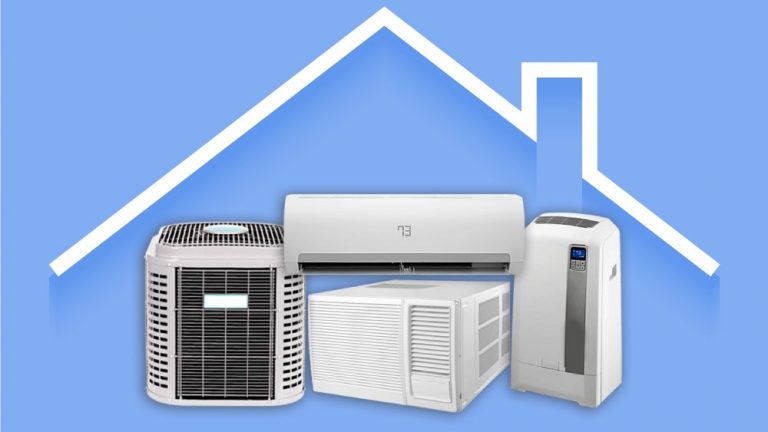
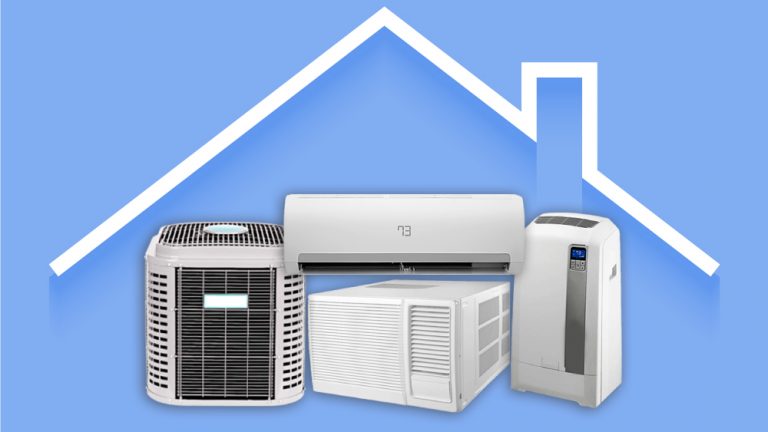
The cost of air conditioning varies depending on several factors, such as the type of unit, the size of the room or building, and the level of usage. Generally, there are three types of air conditioning units: window units, split systems, and central air conditioning systems.

Window units are the cheapest option and are suitable for small rooms. They cost between $100 to $500, depending on the brand and features. Split systems are more expensive and can be used for larger rooms or multiple rooms. They cost between $500 to $2,000. Central air conditioning systems are the most expensive option and are suitable for large buildings or homes. They can cost between $3,000 to $7,000, including installation costs.

Apart from the initial purchase and installation costs, air conditioning also comes with maintenance and repair costs. Routine maintenance, such as cleaning the air filters and coils, can cost between $100 to $300 per year. Repair costs can vary depending on the issue but can range from $100 to $1,000.

What size air conditioner do you need? | CHOICE

Energy Savings

Air conditioning consumes a significant amount of energy, which can increase your monthly electricity bills. However, there are ways to reduce energy consumption and save money. One way is to choose an energy-efficient air conditioning unit.

The Energy Star label is a certification given to energy-efficient products by the U.S. Environmental Protection Agency. Air conditioning units with the Energy Star label are up to 30% more efficient than non-certified units, which means they consume less energy and save you money in the long run.

Apart from choosing an energy-efficient unit, there are several other ways to save energy when using air conditioning. One way is to set the thermostat to the right temperature. The ideal temperature for air conditioning is between 72°F to 78°F. Every degree below 78°F can increase energy consumption by 3% to 5%.

Another way to save energy is to use a programmable thermostat. A programmable thermostat allows you to set different temperatures for different times of the day, which means you can reduce energy consumption when you’re not at home or when you’re sleeping.

Additionally, you can reduce energy consumption by ensuring that your home or building is well-insulated. Insulation helps to keep the cool air inside and the hot air outside, which means your air conditioning unit doesn’t have to work as hard to maintain a comfortable indoor temperature.

Conclusion

Air conditioning provides a comfortable indoor environment, but it comes at a cost. The cost of air conditioning includes the initial purchase and installation costs, as well as maintenance and repair costs. Energy consumption is another cost associated with air conditioning, but there are ways to reduce energy consumption and save money, such as choosing an energy-efficient unit, setting the thermostat to the right temperature, using a programmable thermostat, and ensuring that your home or building is well-insulated.

When considering the economics of air conditioning, it is important to weigh the costs and benefits. While air conditioning can be expensive, the benefits it provides in terms of comfort and indoor air quality cannot be ignored. By following the tips mentioned in this article, you can reduce your energy consumption and save money without compromising on comfort.

The Role of Air Conditioning in Indoor Air Quality

1

When it comes to indoor air quality, the role of air conditioning cannot be overstated. Air conditioning systems help to create a comfortable and healthy indoor environment by controlling temperature, humidity, and air circulation. In this article, we will explore the importance of air conditioning in maintaining good indoor air quality, and how it can help to improve our health and well-being.

Contents

Controlling Temperature

One of the main functions of air conditioning is to regulate temperature. In the summer months, air conditioning systems cool the air to create a comfortable indoor environment, while in the winter months they can provide heat to keep us warm. By maintaining a consistent temperature, air conditioning can help to reduce the risk of heat stroke, dehydration, and other heat-related illnesses, as well as prevent hypothermia in colder months.

How Does an Air Conditioner Work to Cool Your Home

Controlling Humidity

Another important function of air conditioning is to control humidity levels. High humidity can lead to mold and mildew growth, which can cause respiratory problems and aggravate allergies. In addition, high humidity can make us feel uncomfortable and sticky, while low humidity can cause dry skin, nasal congestion, and other health issues. By regulating humidity levels, air conditioning can help to create a comfortable and healthy indoor environment.

Filtering Air

Air conditioning systems also play a vital role in filtering the air we breathe. They help to remove pollutants and allergens from the air, such as dust, pollen, and pet dander. This can be especially important for people with respiratory conditions such as asthma, as well as for those who suffer from allergies. By removing these particles from the air, air conditioning can help to improve our indoor air quality and reduce the risk of respiratory problems.

Improved Air Circulation

Good air circulation is essential for maintaining a healthy indoor environment. Air conditioning systems can help to improve air circulation by distributing air throughout a building, preventing stagnant air from accumulating in one area. This can help to prevent the spread of airborne illnesses, as well as remove unpleasant odors from the air. In addition, air conditioning can help to reduce humidity levels by circulating air, which can help to prevent mold and mildew growth.

Choosing the Right Air Conditioning System

When it comes to choosing the right air conditioning system for your home or business, there are several factors to consider. The size of the space, the climate in your region, and your budget are all important considerations. It is also important to choose a system that is energy efficient, as this can help to reduce your energy bills and protect the environment.

Regular Maintenance

Regular maintenance is essential for ensuring that your air conditioning system is working at its best. This includes changing air filters, cleaning the system, and checking for any signs of wear and tear. Regular maintenance can help to improve the performance of your system, as well as extend its lifespan.

Conclusion

Air conditioning plays a vital role in maintaining good indoor air quality. By controlling temperature, humidity, and air circulation, air conditioning can help to create a comfortable and healthy indoor environment. In addition, air conditioning can help to filter pollutants and allergens from the air, reducing the risk of respiratory problems. Choosing the right air conditioning system and maintaining it regularly can help to ensure that your system is working at its best and providing you with the best possible indoor air quality.

Air Conditioning Maintenance Checklist: What to Do Before Summer Hits

1

As the warm weather approaches, it’s time to start thinking about your air conditioning system. After all, the last thing you want is to be caught off guard with a broken AC system during a hot summer day. To ensure that your air conditioning system is running smoothly all summer long, it’s essential to perform regular maintenance.

We understand the importance of air conditioning maintenance, which is why we’ve put together a comprehensive checklist of what to do before summer hits.

Contents

Change the Air Filter

  1. The air filter in your air conditioning system plays a crucial role in ensuring that the air you breathe is clean and healthy. Over time, the air filter can become clogged with dirt and debris, which can lead to poor indoor air quality and decreased system efficiency. It’s essential to change the air filter every three months to ensure that your system is running at optimal performance.Benefits of Commercial Air Conditioning | Michael Ward Ltd

Check the Thermostat

2. Your air conditioning system’s thermostat is responsible for regulating the temperature in your home. It’s essential to ensure that your thermostat is functioning correctly to prevent your system from working harder than it needs to. You can test your thermostat by setting it to a lower temperature than the current temperature in your home. If your system doesn’t kick on within a few minutes, you may need to replace your thermostat.

Clean the Condenser Coil

3. The condenser coil in your air conditioning system is responsible for transferring heat from your home to the outside. Over time, the coil can become dirty and clogged, which can lead to decreased system efficiency and increased energy bills. It’s important to clean the condenser coil at least once a year to ensure that your system is running at optimal performance.

Inspect the Ductwork

4. The ductwork in your home plays a crucial role in ensuring that your air conditioning system is running efficiently. Over time, the ductwork can become clogged with dust and debris, which can lead to decreased system efficiency and increased energy bills. It’s essential to inspect the ductwork every year to ensure that it’s clean and free from obstructions.

Check the Refrigerant Levels

5. Refrigerant is the substance that cools the air in your air conditioning system. If your system doesn’t have enough refrigerant, it can lead to decreased system efficiency and increased energy bills. It’s essential to check the refrigerant levels every year and add more if necessary.

Lubricate Moving Parts

6. The moving parts in your air conditioning system, such as the fan motor and blower motor, can become damaged over time due to friction. It’s essential to lubricate these parts regularly to ensure that they’re running smoothly and efficiently.

Clean the Evaporator Coil

7. The evaporator coil in your air conditioning system is responsible for removing heat and moisture from the air in your home. Over time, the coil can become dirty and clogged, which can lead to decreased system efficiency and increased energy bills. It’s important to clean the evaporator coil at least once a year to ensure that your system is running at optimal performance.

By following this comprehensive checklist, you can ensure that your air conditioning system is running efficiently and effectively all summer long. Regular maintenance can help prevent breakdowns and increase the lifespan of your system.

we’re committed to helping our customers keep their air conditioning systems running smoothly. Contact us today to schedule your air conditioning maintenance appointment.

How to Choose the Right Size Air Conditioner for Your Space

6

When it comes to buying an air conditioner for your home or office, choosing the right size is crucial. A unit that is too small will struggle to keep up with cooling demands, while one that is too big will waste energy and money. In this article, we will guide you through the process of choosing the right size air conditioner for your space.

Contents

Calculate the Size of Your Room

The first step in choosing the right size air conditioner is to calculate the size of your room. To do this, you need to measure the length and width of the room and multiply the two numbers together to get the square footage.

For example, if your room is 12 feet long and 10 feet wide, the square footage would be 120 square feet (12 x 10 = 120).

Aircon Installations in Johannesburg - Inverter Air Conditioners

Determine the BTU Requirement

Once you have calculated the size of your room, you need to determine the BTU (British Thermal Units) requirement for the air conditioner. BTU is a unit of measurement that is used to determine the amount of heat that an air conditioner can remove from a room.

To determine the BTU requirement, you need to consider several factors, including the size of the room, the number of people who will be in the room, and the amount of sunlight that enters the room.

As a general rule of thumb, you should aim for an air conditioner that provides 20 BTUs per square foot of space. So, for a 120 square foot room, you would need an air conditioner that provides 2,400 BTUs.

However, if your room is particularly sunny or has high ceilings, you may need to increase the BTU requirement by 10% to 20%.

Consider the Energy Efficiency Rating

When choosing an air conditioner, it is also important to consider the energy efficiency rating. This is measured by the SEER (Seasonal Energy Efficiency Ratio) and EER (Energy Efficiency Ratio) ratings.

The SEER rating measures the efficiency of the air conditioner over the course of a cooling season, while the EER rating measures the efficiency of the air conditioner at a specific temperature. Both ratings are important when choosing an air conditioner, as they will affect the energy consumption and cost of running the unit.

As a general rule of thumb, you should aim for an air conditioner with a SEER rating of at least 14 and an EER rating of at least 11.6.

Consider the Type of Air Conditioner

There are several types of air conditioner available, including window units, portable units, and central air conditioner systems. Each type has its own advantages and disadvantages, so it is important to choose the one that best suits your needs.

Window units are easy to install and are ideal for small rooms or apartments. Portable units are more flexible, as they can be moved from room to room, but they are less efficient than window units. Central air conditioner systems are the most efficient option, but they require professional installation and can be expensive.

Choose the Right Brand

Finally, when choosing an air conditioner, it is important to choose a brand that is reliable and trustworthy. Some of the most popular brands include Carrier, Trane, and Lennox.

Conclusion

Choosing the right size air conditioner for your space is crucial for ensuring optimal cooling and energy efficiency. By calculating the size of your room, determining the BTU requirement, considering the energy efficiency rating, choosing the right type of air conditioner, and selecting a reliable brand, you can ensure that you make the best possible choice for your home or office.

The Different Types of Air Conditioners: Which One is Right for You?

1

When it comes to staying cool during hot summer months, air conditioners is a must-have. With so many different types of air conditioners on the market, it can be overwhelming to decide which one is the best for your specific needs. In this article, we will explore the various types of air conditioners available and help you determine which one is right for you.

Contents

Central Air Conditioners

Central air conditioners is the most common type of air conditioners system found in homes and buildings. This type of system uses a centralized unit to cool the entire space through a series of ducts and vents. The benefit of central air conditioners is that it can provide consistent cooling throughout the entire building, and can be controlled through a thermostat.

Split Air Conditioners

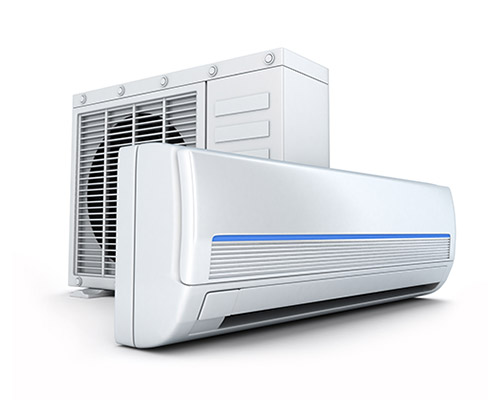
Split air conditioners is a popular option for homes and buildings that do not have existing ductwork. This type of system uses an outdoor unit that houses the compressor and an indoor unit that houses the evaporator. The two units are connected by a conduit that houses the refrigerant lines and electrical wiring. Split air conditioners is an efficient and cost-effective option for cooling individual rooms or areas of a building.

The Connection between Air Conditioning Systems and Mold

Window Air Conditioners

Window air conditioners is a compact and affordable option for cooling a single room. This type of system is installed directly into a window, and uses a single unit to cool and circulate air within the room. While window air conditioners units can be effective for smaller spaces, they are not typically powerful enough to cool larger rooms or entire buildings.

Portable Air Conditioners

Portable air conditioners units are a versatile option for cooling individual rooms or areas of a building. These units are typically on wheels, allowing for easy movement from room to room. Portable air conditioners units can be a good choice for those who are renting, or for those who do not want to install a permanent air conditioners system.

Ductless Mini-Split Air Conditioners

Ductless mini-split air conditioners systems are similar to split air conditioners systems, but do not require ductwork. Instead, these systems use individual units to cool specific areas of a building. Each unit has its own thermostat, allowing for individual temperature control in each room. Ductless mini-split air conditioners systems are a good choice for those who want the efficiency of a split system, but do not want to install ductwork.

Evaporative Coolers

Evaporative coolers, also known as swamp coolers, are a unique type of air conditioners system that uses water to cool the air. These systems work by drawing in hot, dry air and passing it over a series of wet pads. The water on the pads evaporates, cooling the air and adding moisture to the room. Evaporative coolers are an energy-efficient option for those living in dry climates.

Conclusion

Choosing the right type of air conditioners system for your specific needs can be overwhelming, but it doesn’t have to be. Consider the size of the space you want to cool, your budget, and your specific cooling needs when selecting a system. Central air conditioning is a good choice for those who want consistent cooling throughout an entire building, while window and portable air conditioners units are good options for smaller spaces. Split and ductless mini-split air conditioners systems are cost-effective options for those who do not have existing ductwork. Finally, evaporative coolers are a unique and energy-efficient option for those living in dry climates.

The Importance of Venue Selection in Event Planning

0

When it comes to event planning, choosing the right venue is one of the most critical decisions you will make. It can make or break your event, which is why it is essential to take your time and consider all the important factors.

At our event planning company, we understand the significance of selecting the right venue, and we have seen the impact it can have on the overall success of an event. In this article, we will discuss the importance of venue selection in event planning and provide you with some tips to ensure you make the best decision for your upcoming event.

Choosing the Right Venue

Choosing the right venue is crucial to the success of your event. Here are some of the key factors to consider when selecting a venue:

Location: The location of the venue is one of the most important factors to consider. You need to choose a venue that is convenient and easily accessible to your attendees. If your event requires out-of-town guests, make sure to choose a location near the airport or a hotel. Consider the parking situation and public transportation options as well.

Event Management: Six Steps To Selecting The Venue — Ovation Square

Capacity: The capacity of the venue is another critical factor. You need to choose a venue that can accommodate all of your attendees comfortably. Make sure to take into account any special needs or requirements that your attendees may have.

Amenities: The amenities offered by the venue are also important to consider. Make sure the venue has all the necessary equipment and facilities to accommodate your event, such as AV equipment, stage, podium, etc. Some venues may also offer catering services, which can be convenient if you do not want to bring in outside catering.

Ambiance: The ambiance of the venue is also an essential factor to consider. The right ambiance can enhance the overall experience of your event. Make sure to choose a venue that aligns with the theme and mood of your event.

Cost: Cost is always a factor to consider. It is essential to choose a venue that fits within your budget. Keep in mind that some venues may have additional fees or hidden costs, so make sure to ask about all the fees upfront.

Tips for Selecting the Right Venue

Here are some tips to help you select the right venue for your event:

  1. Start early: Start looking for venues as soon as possible. The best venues book up quickly, so it is essential to start your search early to ensure you have enough time to find the perfect venue.
  2. Make a list of requirements: Make a list of all the requirements you have for your event, such as capacity, location, amenities, etc. This will help you narrow down your search and ensure you find a venue that meets all your needs.
  3. Schedule a site visit: Schedule a site visit to see the venue in person. Pictures can be deceiving, so it is essential to see the venue in person to get a better understanding of its size, layout, and overall ambiance.
  4. Read reviews: Read reviews from previous clients to get an idea of their experience with the venue. This can give you insight into any potential issues or concerns you may have overlooked.
  5. Negotiate: Don’t be afraid to negotiate with the venue. Many venues are willing to work with you to find a solution that fits within your budget.

Conclusion

Venue selection is an essential aspect of event planning that should not be taken lightly. The right venue can make all the difference in the success of your event. Take the time to consider all the important factors and follow the tips provided to ensure you choose the best venue for your upcoming event.

At our event planning company, we understand the importance of venue selection, and we have the expertise to help you find the perfect venue for your event. Contact us today to learn more about our event planning services.

Read more: For more information please visit our website elsotano.org

10 Creative Event Themes to Impress Your Guests

2

Events are a great way to gather people and create unforgettable memories. However, with so many events happening around us, it can be challenging to make your event stand out. One way to do this is by choosing a unique and creative theme that will make your guests feel excited and engaged. In this article, we’ll share ten creative event themes that are sure to impress your guests.

Contents

Enchanted Forest

  1. The enchanted forest theme is a magical and mystical theme that’s perfect for outdoor events. Decorate the venue with fairy lights, flowers, and greenery to create an enchanted forest atmosphere. You can even add a touch of whimsy with fairy tale-inspired elements like a unicorn or a talking tree.

Masquerade Ball

2. The masquerade ball theme is a classic and elegant option for formal events. Ask your guests to wear masks and decorate the venue with gold and silver accents, candles, and chandeliers. You can also add a touch of mystery by incorporating a scavenger hunt or a murder mystery game into the event.

10 Creative Product Launch Event Ideas for Your Next Events

Retro Disco

3. The retro disco theme is a fun and energetic option that’s perfect for dance parties. Decorate the venue with disco balls, neon lights, and bright colors. Encourage your guests to dress up in their best disco attire and hire a DJ who can play classic disco hits.

Carnival

4. The carnival theme is a colorful and playful option that’s perfect for outdoor events. Create a carnival atmosphere with games, prizes, and food stalls. You can also add a touch of nostalgia by incorporating vintage carnival elements like a popcorn machine or a ferris wheel.

Hollywood Glam

5. The Hollywood glam theme is a glamorous and sophisticated option that’s perfect for formal events. Decorate the venue with red carpets, velvet curtains, and golden accents. Encourage your guests to dress up in their best Hollywood-inspired attire, and hire a photographer who can take professional red carpet photos.

Tropical Paradise

6. The tropical paradise theme is a fun and vibrant option that’s perfect for summer events. Decorate the venue with palm trees, tropical flowers, and bright colors. Serve tropical cocktails and food, and encourage your guests to wear their best summer attire.

Alice in Wonderland

7. The Alice in Wonderland theme is a whimsical and imaginative option that’s perfect for garden parties. Decorate the venue with giant mushrooms, playing cards, and teacups. Encourage your guests to wear hats and dress up as characters from the story.

Medieval Feast

8. The medieval feast theme is a rustic and festive option that’s perfect for fall events. Decorate the venue with tapestries, candles, and wooden tables. Serve traditional medieval food like roast beef, turkey legs, and mead. You can even incorporate medieval games like archery or jousting.

Underwater Adventure

9. The underwater adventure theme is a unique and immersive option that’s perfect for indoor events. Create an underwater atmosphere with blue lighting, bubble machines, and sea creature decorations. Serve seafood-inspired dishes and drinks, and encourage your guests to dress up as mermaids and sea creatures.

Art Deco

10. The art deco theme is a sleek and stylish option that’s perfect for formal events. Decorate the venue with geometric shapes, black and gold accents, and vintage furniture. Encourage your guests to dress up in their best art deco-inspired attire, and hire a jazz band or a swing dance instructor to entertain your guests.

Conclusion

Choosing a unique and creative event theme is a great way to make your event stand out and create unforgettable memories. Whether you’re planning a formal gala or a casual summer party, there’s a theme out there that’s perfect for your event. So, get creative and start planning your next event today!

How to Plan a Product Demonstration Event: Tips and Strategies for Successful Event

0

Product demonstration event can be a highly effective way to introduce new products to potential customers, create excitement and buzz around a product launch, and demonstrate the unique features and benefits of your product. However, planning and executing a successful product demonstration event requires careful planning and attention to detail. In this article, we will provide you with some tips and strategies to help you plan and execute a successful product demonstration event.

Contents

Set Your Goals

Before you start planning your product demonstration event, it’s important to define your goals. What do you hope to achieve from the event? Are you looking to generate sales, build brand awareness, or gather feedback on your product? Understanding your goals will help you plan your event and ensure that all aspects of the event are focused on achieving your objectives.

Six reasons why protest is so important for democracy | openDemocracy

Choose the Right Venue

Choosing the right venue is crucial to the success of your product demonstration event. You will want to choose a venue that can accommodate your expected number of attendees and has the right equipment and infrastructure for your demonstration. The venue should also be conveniently located and easily accessible for your target audience. Some venue options to consider include:

Trade shows: Trade shows can be a great option for product demonstration event, as they offer access to a large audience of potential customers who are already interested in your industry.

Convention centers: Convention centers are another option for larger-scale events, as they offer plenty of space and amenities for demonstrations and exhibits.

Hotel conference rooms: Hotel conference rooms are a good option for smaller-scale events, as they are typically equipped with audiovisual equipment and can be easily customized to suit your needs.

Create a Compelling Message

Your message is the key to a successful product demonstration event. You will want to create a compelling message that resonates with your target audience and clearly communicates the benefits of your product. Your message should highlight the unique features of your product and explain how it solves a problem or fulfills a need. Use visual aids, such as graphics and videos, to help illustrate your message and make it more engaging.

Prepare Your Demonstration

Your product demonstration event should be engaging, informative, and interactive. It should showcase the unique features of your product and demonstrate how it works. Depending on the nature of your product, you may want to consider using props, live demos, or interactive displays to help bring your product to life. Be sure to practice your demonstration event beforehand to ensure that everything runs smoothly on the day of the event.

Promote Your Event

Promoting your product demonstration event is crucial to its success. You will want to create a promotional campaign that targets your ideal audience and builds excitement and anticipation for your event. Some strategies to consider include:

Social media: Use social media platforms like Twitter, Facebook, and LinkedIn to promote your event and create buzz.

Email marketing: Send targeted email campaigns to your mailing list to generate interest and encourage attendance.

Press releases: Use press releases to announce your product launch and generate media coverage.

Paid advertising: Consider using paid advertising to promote your event to a wider audience.

Follow Up After the Event

Following up with attendees after the event is just as important as the event itself. Be sure to collect contact information from attendees and send follow-up emails or calls to thank them for attending and provide additional information about your product. You may also want to ask for feedback to help improve future events and refine your product messaging.

Conclusion

Planning a successful product demonstration event requires careful planning and attention to detail. By setting clear goals, choosing the right venue, creating a compelling message, preparing your demonstration, promoting your event, and following up with attendees, you can create an engaging and informative event that helps you achieve your business objectives.