
Thursday, March 19, 2026
Home Blog Page 89

What You Need to Know About Private Mortgage Insurance (PMI)

1

Buying a home is an exciting experience, but it can also be overwhelming, especially when it comes to understanding the various financial obligations that come with homeownership. One of the more confusing aspects of home buying is private mortgage insurance, or PMI. PMI is often required by lenders when a borrower puts down less than 20% on a home purchase. In this article, we’ll cover what you need to know about PMI, including what it is, how it works, and how you can avoid it.

What is Private Mortgage Insurance (PMI)?

Private mortgage insurance (PMI) is an insurance policy that protects lenders in the event that a borrower defaults on their mortgage payments. PMI is typically required by lenders when a borrower makes a down payment of less than 20% of the home’s purchase price. The insurance policy is meant to mitigate the lender’s risk and ensure that they are able to recoup their losses in the event of a foreclosure.

PMI is not the same as homeowners insurance, which is a separate policy that protects the homeowner in the event of damage to the property. Private mortgage insurance (PMI) is strictly for the benefit of the lender and does not provide any protection for the homeowner.

no mortgage insurance with 10 down

How Does PMI Work?

PMI is typically added to the borrower’s monthly mortgage payment and is paid until the loan-to-value (LTV) ratio reaches 78%. The LTV ratio is the amount of the loan compared to the appraised value of the property. For example, if a borrower purchases a home for $300,000 and puts down 10%, or $30,000, the loan amount would be $270,000. If the home is appraised at $300,000, the LTV ratio would be 90% ($270,000 / $300,000).

The borrower’s monthly private mortgage insurance (PMI) payment is based on a percentage of the loan amount, typically ranging from 0.3% to 1.5% annually. Using the same example as above, if the PMI rate is 0.5%, the borrower would pay $112.50 per month ($270,000 x 0.5% / 12).

Once the LTV ratio reaches 78%, the borrower can request that the PMI be removed from their monthly mortgage payment. The lender is required by law to remove the PMI when the LTV ratio reaches 78% based on the original appraised value of the home. However, the borrower can also request that the private mortgage insurance (PMI) be removed when the LTV ratio reaches 80% based on the current value of the home. In order to have the PMI removed, the borrower must have a good payment history and may need to provide an appraisal showing the current value of the home.

It’s important to note that FHA loans have different rules regarding private mortgage insurance (PMI). FHA loans require PMI for the life of the loan, regardless of the loan-to-value ratio. The only way to remove PMI on an FHA loan is to refinance the loan.

Why Do Lenders Require PMI?

Lenders require private mortgage insurance (PMI) when a borrower makes a down payment of less than 20% because it increases their risk. When a borrower puts down less than 20%, they have less equity in the home, which means they have less of a financial stake in the property. If the borrower defaults on their mortgage payments and the lender forecloses on the property, the lender may not be able to recoup their losses if the sale of the property does not cover the outstanding mortgage balance. PMI provides an additional layer of protection for lenders in the event of a foreclosure.

The Pros and Cons of Concrete Flooring

7

Concrete flooring has been a popular choice for both residential and commercial properties for a long time. It is durable, cost-effective, and low maintenance, making it a practical choice for high-traffic areas. However, like any other flooring option, concrete flooring has its pros and cons. In this article, we will discuss both the advantages and disadvantages of concrete flooring to help you make an informed decision.

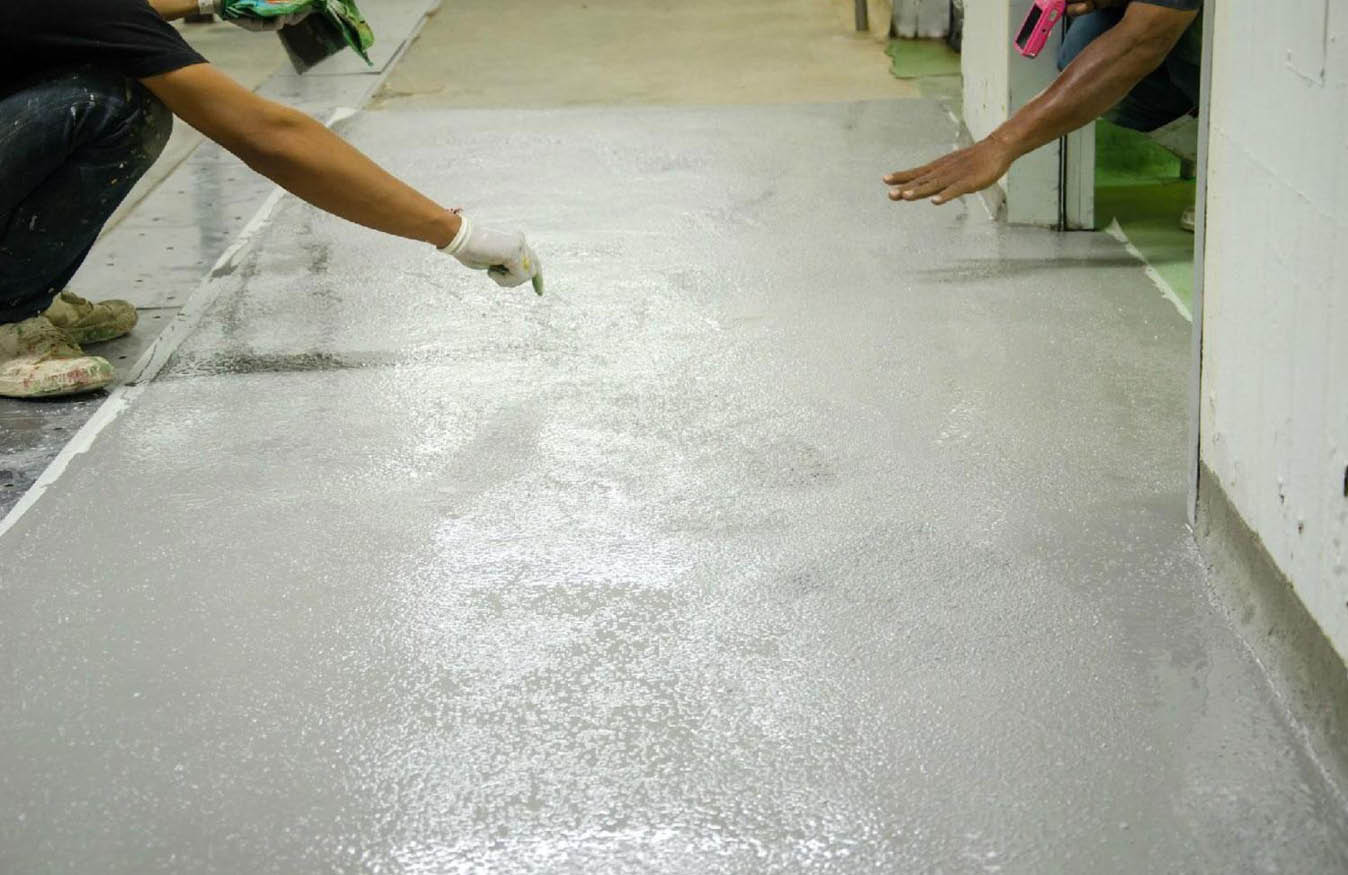
Industrial Flooring: Best-Value Options to Consider | All Things Flooring

Pros of Concrete Flooring

  1. Durability: One of the biggest advantages of concrete flooring is its durability. It can withstand heavy foot traffic, spills, and even the weight of heavy machinery. Unlike other flooring options like hardwood or carpet, concrete floors are not prone to scratches, stains, or tears, making them ideal for high traffic areas like warehouses, factories, and garages.
  2. Cost-Effective: Concrete flooring is also cost-effective compared to other flooring options. It is relatively inexpensive to install, and its low maintenance nature reduces the overall cost of ownership. Additionally, concrete floors have a long lifespan, which means that they won’t need to be replaced as often as other flooring options.
  3. Low Maintenance: Another advantage of concrete flooring is that it requires very little maintenance. Unlike other flooring options that need to be vacuumed, polished, or refinished regularly, concrete floors only require occasional cleaning with a mop and a mild cleaner. This makes them ideal for people who don’t have the time or resources to maintain high-maintenance flooring.
  4. Versatile: Concrete flooring can be designed in a variety of styles and finishes, making it a versatile option. It can be polished to a high shine or left with a matte finish. Concrete floors can also be stained or stamped to create a unique and personalized look. This versatility makes it ideal for both residential and commercial properties.
  5. Energy Efficient: Concrete flooring has excellent thermal mass, which means that it can absorb and retain heat, making it an energy-efficient option. This quality makes it ideal for homes in colder climates as it can help to reduce heating costs.

Cons of Concrete Flooring

  1. Hardness: While concrete flooring is durable, its hardness can be a disadvantage. Standing or walking on a hard surface for extended periods can cause fatigue and joint pain. This can be particularly problematic in commercial settings where employees may have to stand for long periods.
  2. Coldness: As mentioned earlier, concrete flooring has excellent thermal mass, which means that it can absorb and retain heat. However, this also means that it can be cold to the touch, particularly in colder climates. This can make it uncomfortable to walk on barefoot and may require additional heating solutions to make it more comfortable.
  3. Susceptible to Cracking: While concrete floors are durable, they can still be susceptible to cracking. This can be caused by a variety of factors, including shifting soil, heavy loads, or freezing and thawing. While minor cracks can be easily repaired, larger cracks may require the entire slab to be replaced.
  4. Limited Sound Insulation: Concrete flooring does not provide good sound insulation, which means that footsteps, voices, and other noises can easily travel through it. This can be problematic in residential properties where noise pollution can be an issue.
  5. Installation Time: Installing concrete flooring can be a time-consuming process. The floor needs to be properly prepared, including leveling and smoothing the surface, which can take several days. Additionally, the floor needs to cure properly, which can take up to several weeks before it can be used.

Conclusion

Concrete flooring has its pros and cons, and ultimately, the decision to install it depends on your needs and preferences. If you are looking for a cost-effective, durable, and low maintenance option, concrete flooring may be the right choice for you.

The Best Flooring Options for Pet Owners

1

Pets are a beloved part of many households, but they can be tough on floors. Pet owners need flooring that can stand up to scratches, stains, and accidents. In this article, we’ll discuss the best flooring options for pet owners and why they’re a smart choice.

Contents

1. Luxury Vinyl Flooring

Luxury vinyl flooring is a popular choice for pet owners because it’s durable and easy to maintain. It’s resistant to scratches, stains, and moisture, which means it can withstand the wear and tear that pets can cause. Luxury vinyl flooring also comes in a variety of styles and colors, which means you can find a design that complements your home’s décor.

Luxury vinyl flooring is also affordable and easy to install, which makes it a cost-effective flooring option. It’s also easy to clean, which means you can quickly and easily clean up any accidents or spills.

7 Types of Resilient Flooring and How to Choose

2. Tile Flooring

Tile flooring is another excellent choice for pet owners because it’s durable and easy to clean. It’s resistant to scratches, stains, and moisture, which means it can stand up to the wear and tear that pets can cause. Tile flooring also comes in a variety of styles and colors, which means you can find a design that complements your home’s décor.

Tile flooring is also hypoallergenic, which means it doesn’t trap dust or allergens. This is an excellent choice for those with allergies or respiratory issues. Additionally, tile flooring is cool, which can be a relief for pets during the hot summer months.

3. Bamboo Flooring

Bamboo flooring is a great choice for pet owners because it’s durable and eco-friendly. It’s resistant to scratches and stains, which means it can withstand the wear and tear that pets can cause. Bamboo flooring is also an eco-friendly option because bamboo is a renewable resource that grows quickly and doesn’t require the use of harmful chemicals.

Bamboo flooring is also easy to clean, which means you can quickly and easily clean up any accidents or spills. Additionally, bamboo flooring is available in a variety of styles and colors, which means you can find a design that complements your home’s décor.

4. Cork Flooring

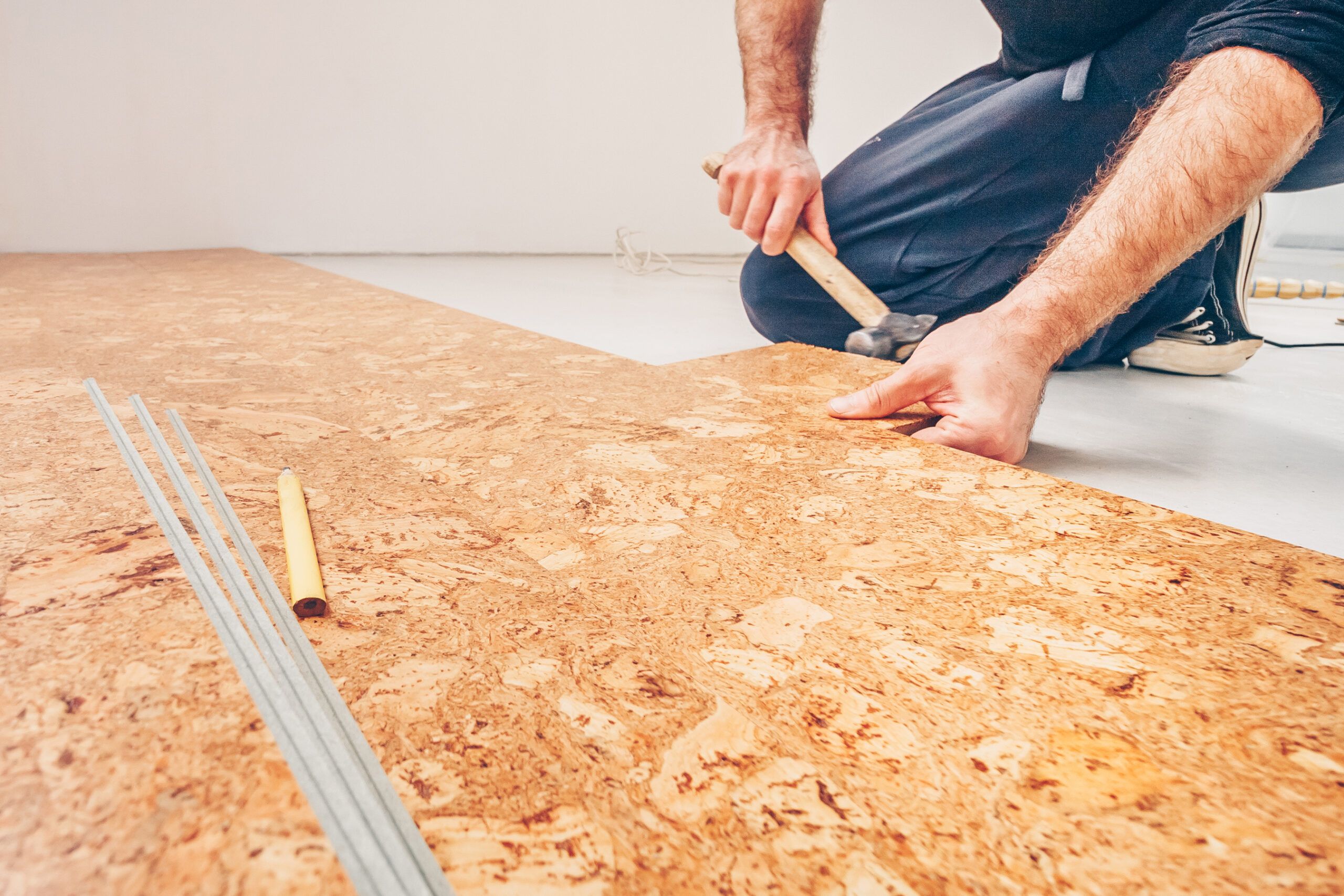
Cork flooring is another great choice for pet owners because it’s durable and eco-friendly. It’s resistant to scratches and stains, which means it can withstand the wear and tear that pets can cause. Cork flooring is also an eco-friendly option because cork is a renewable resource that doesn’t harm the environment.

Cork flooring is also hypoallergenic, which means it doesn’t trap dust or allergens. This is an excellent choice for those with allergies or respiratory issues. Additionally, cork flooring is comfortable to walk on and provides cushioning for pets’ joints.

5. Engineered Hardwood Flooring

Engineered hardwood flooring is a great choice for pet owners because it’s durable and easy to maintain. It’s resistant to scratches and stains, which means it can withstand the wear and tear that pets can cause. Engineered hardwood flooring also comes in a variety of styles and colors, which means you can find a design that complements your home’s décor.

Engineered hardwood flooring is also easy to clean, which means you can quickly and easily clean up any accidents or spills. Additionally, engineered hardwood flooring is more affordable than solid hardwood flooring, which makes it a cost-effective choice.

6. Stain-Resistant Carpet

While carpeting isn’t typically the first choice for pet owners, there are stain-resistant options available that can stand up to pets. Stain-resistant carpet is treated with a protective coating that repels stains and spills. This means that accidents can be quickly and easily cleaned up without leaving a stain.

How to Remove Stains from Your Flooring: Tips and Tricks

2

Stains on your flooring can be a frustrating and unsightly problem, but luckily there are plenty of tips and tricks you can use to remove them. Whether you have carpet, hardwood, tile, or any other type of flooring, there are methods for removing stains that can help restore the look of your floors. In this article, we will provide you with a comprehensive guide on how to remove stains from your flooring, including tips and tricks for different types of stains and different types of flooring.

Identify the Type of Stain

  1. The first step in removing a stain from your flooring is to identify the type of stain. Different stains require different methods of removal, and using the wrong method can make the stain worse or damage your flooring. Here are some common types of stains and how to identify them:
  • Food and drink stains: These stains are caused by spilled food or drink, and they can be identified by their color and smell. Common food and drink stains include coffee, tea, wine, and juice.
  • Pet stains: If you have pets, you may be dealing with urine, feces, or vomit stains. These stains can be identified by their smell and color.
  • Grease and oil stains: Grease and oil stains are often caused by cooking or car maintenance. They can be identified by their dark color and greasy texture.
  • Ink stains: Ink stains are caused by spilled ink, and they can be identified by their dark color and the fact that they do not spread like other stains.
  • Rust stains: Rust stains are caused by metal objects left on the floor, and they can be identified by their orange or brown color.

Best Flooring For House: Choose From Numerous Varieties

Determine the Type of Flooring

2. Once you have identified the type of stain, the next step is to determine the type of flooring you have. Different types of flooring require different methods of stain removal, so it’s important to know what you’re working with. Here are some common types of flooring and how to identify them:

  • Carpet: Carpet is a soft, plush flooring that is commonly used in bedrooms and living rooms. It can be identified by its texture and color.
  • Hardwood: Hardwood is a durable flooring that is made from natural wood. It can be identified by its color and grain pattern.
  • Tile: Tile is a hard, durable flooring that is commonly used in bathrooms and kitchens. It can be identified by its texture and color.
  • Laminate: Laminate is a synthetic flooring that is made to look like hardwood or tile. It can be identified by its texture and color.

Use the Right Cleaning Method

3. Once you have identified the type of stain and the type of flooring, you can choose the right cleaning method. Here are some tips and tricks for removing stains from different types of flooring:

  • Carpet: To remove food and drink stains from carpet, blot the stain with a clean, white cloth to absorb as much liquid as possible. Then, mix one tablespoon of dish soap with two cups of warm water and use a clean cloth to gently scrub the stain. Blot the area with a clean, white cloth to remove any excess moisture.

For pet stains on carpet, first, remove any solid material with a paper towel or plastic bag. Then, mix one cup of white vinegar with one cup of warm water and pour the solution over the stain. Blot the area with a clean, white cloth until the stain is removed.

For grease and oil stains on carpet, mix one teaspoon of dish soap with one cup of warm water and use a clean cloth to gently scrub the stain. Blot the area with a clean, white cloth to remove any excess moisture.

The Ultimate Guide to Choosing the Right Area Rug for Your Flooring

0

Adding an area rug to a room can instantly transform the look and feel of the space. It can add color, texture, and warmth, and tie together different elements of the decor. However, choosing the right area rug can be overwhelming. With so many options available, it can be difficult to know where to start. In this ultimate guide, we will walk you through the process of choosing the perfect area rug for your flooring.

Contents

Consider the Size

The first step in choosing an area rug is to determine the size that you need. This will depend on the size of the room, as well as the furniture layout. As a general rule, your rug should be large enough to anchor the furniture in the room. This means that all of the legs of your furniture should be on the rug, or at least the front legs of larger pieces such as sofas and chairs.

If you have a small room, a smaller rug may be appropriate, but it should still be large enough to define the seating area. If you have a larger room, you can consider a larger rug that will fill the space and create a cohesive look.

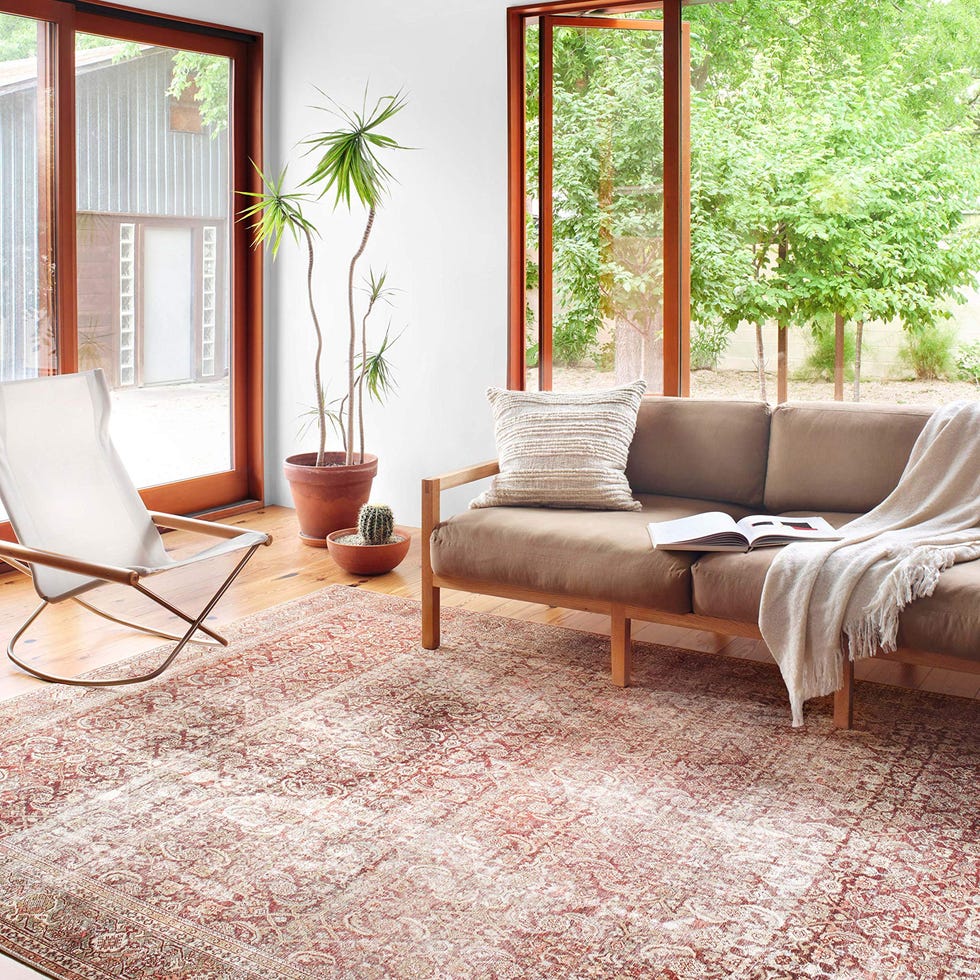
The 15 Best Area Rugs to Shop Online in 2023

Consider the Material

The material of your area rug will play a big role in its durability, texture, and appearance. Some of the most common rug materials include:

  • Wool: Wool is a popular choice for area rugs because it is durable, soft, and comes in a range of colors and patterns. It is also naturally stain-resistant and fire-retardant. However, wool rugs can be more expensive than other materials.
  • Synthetic: Synthetic fibers such as nylon, polyester, and olefin are often used for area rugs because they are affordable, durable, and easy to clean. They can also mimic the look and feel of natural fibers such as wool.
  • Natural fibers: Natural fibers such as jute, sisal, and seagrass are popular for their unique textures and earthy appearance. However, they may not be as soft or durable as other materials and may require special care.

Consider the Style

The style of your area rug should complement the overall decor of your room. Some popular rug styles include:

  • Traditional: Traditional rugs often feature intricate patterns and rich colors. They can add a sense of elegance and sophistication to a room.
  • Modern: Modern rugs tend to be more minimalist, with clean lines and bold colors or patterns. They can add a sense of playfulness and energy to a room.
  • Transitional: Transitional rugs blend traditional and modern elements, making them versatile and easy to incorporate into different decor styles.
  • Oriental: Oriental rugs are known for their intricate patterns and rich colors. They can add a sense of luxury and history to a room.

Consider the Color

The color of your area rug should complement the colors in your room, rather than clash with them. If you have a neutral color palette, you can consider a rug with a bold pattern or bright color to add interest. If you have a colorful room, a neutral rug can help to balance out the space. When choosing a rug color, consider the following:

  • If you want your rug to be the focal point of the room, choose a color or pattern that stands out.
  • If you want your rug to blend in with the decor, choose a rug that is similar in color to the walls or furniture.
  • If you want to add a pop of color to a neutral room, choose a rug with a bold color or pattern.

The Benefits of Cork Flooring: Why It’s a Smart Choice

1

Cork flooring is becoming increasingly popular due to its eco-friendly properties and numerous benefits. It’s an excellent option for those who want to add warmth, comfort, and style to their homes. In this article, we’ll discuss the benefits of cork flooring and why it’s a smart choice for your home.

Contents

1. Eco-Friendly

One of the biggest benefits of cork flooring is that it’s a sustainable and eco-friendly material. Cork is harvested from the bark of cork oak trees without harming the tree, which means it’s a renewable resource. The cork oak tree is capable of regenerating its bark every 9-12 years, making it a highly sustainable material.

Furthermore, cork flooring is manufactured without using any toxic chemicals or solvents, which makes it a healthy choice for both the environment and homeowners. It’s also biodegradable and recyclable, which means it won’t end up in landfills.

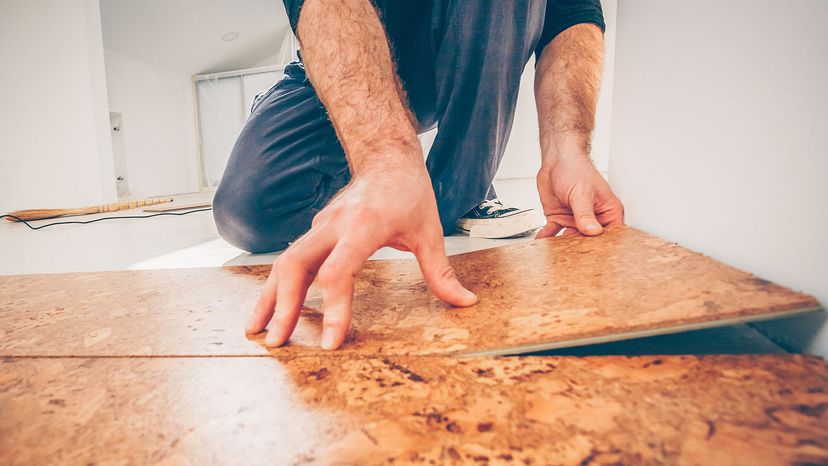
What Is Cork Flooring? | HowStuffWorks

2. Durability

Cork flooring is highly durable and can last for many years if maintained properly. It’s resistant to moisture and can withstand heavy foot traffic without showing signs of wear and tear. Cork flooring is also resistant to mold, mildew, and termites, which makes it an excellent choice for those with allergies or respiratory issues.

Moreover, cork flooring is a natural insulator, which means it’s able to retain heat and keep your home warm in winter. This also means it’s resistant to fluctuations in temperature and humidity, which helps it maintain its shape and appearance.

3. Comfort

Cork flooring is incredibly comfortable to walk on due to its softness and resilience. It’s a natural shock absorber, which means it can cushion your feet and reduce the impact of walking. This makes it a great choice for areas where you spend a lot of time standing or walking, such as kitchens or living rooms.

Cork flooring is also an excellent choice for those with joint pain or arthritis, as it can provide relief and reduce discomfort. Additionally, cork flooring is quiet, which means it won’t produce any loud noises when you walk on it.

4. Style

Cork flooring is available in a wide range of styles and colors, which means you can find a design that complements your home’s décor. It can mimic the look of hardwood or tile, or you can opt for a more unique and unconventional design.

Cork flooring is also versatile and can be used in any room in your home, from bedrooms to kitchens to basements. It’s an excellent choice for those who want a stylish and unique flooring option.

5. Easy to Maintain

Cork flooring is easy to maintain and doesn’t require much upkeep. It can be cleaned with a damp mop and mild soap, and any spills should be wiped up immediately to prevent staining.

Furthermore, cork flooring is naturally resistant to water and stains, which means it’s easy to keep clean and hygienic. It also doesn’t require any special treatments or finishes, which makes it a low-maintenance flooring option.

6. Affordable

Cork flooring is an affordable option when compared to other types of flooring, such as hardwood or tile. It’s also a cost-effective choice in the long run, as it’s durable and long-lasting, which means you won’t have to replace it as often as other types of flooring.

Additionally, cork flooring can help reduce your energy bills as it’s a natural insulator, which means it can keep your home warm in winter and cool in summer.

7. Hypoallergenic

Cork flooring is naturally hypoallergenic, which means it doesn’t produce any harmful fumes or allergens. It’s an excellent choice for those with allergies or respiratory issues, as it doesn’t trap dust or pollen like other types of flooring.

How to Install Laminate Flooring Like a Pro

0

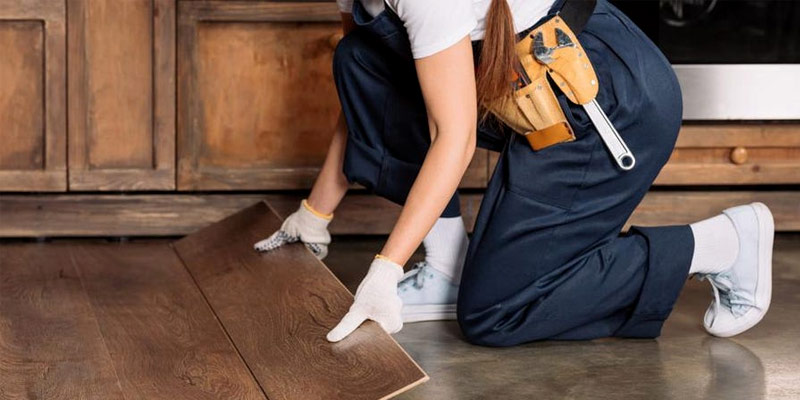
Laminate flooring is a popular choice for homeowners who want to give their floors a new look without breaking the bank. It’s easy to install and comes in a variety of styles and colors. Plus, it’s durable and easy to clean. If you’re thinking about installing laminate flooring in your home, there are a few things you should know. In this article, we’ll provide you with step-by-step instructions on how to install laminate flooring like a pro.

Contents

Step 1: Gather Your Materials

Before you start installing laminate flooring, you’ll need to gather all the necessary materials. Here’s a list of what you’ll need:

  • Laminate flooring
  • Underlayment
  • Spacers
  • Tape measure
  • Saw (circular or miter saw)
  • Pry bar
  • Hammer
  • Tapping block
  • Pull bar
  • Knee pads
  • Safety glasses

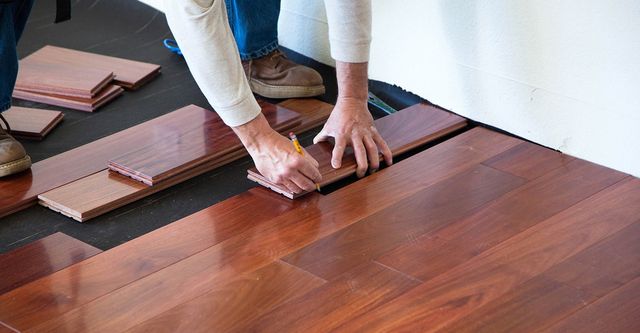
What is Laminate Flooring: Know Cost, Pros & Cons, Types, Brands (2023)

Step 2: Prepare the Subfloor

Before you can install laminate flooring, you need to make sure the subfloor is clean, level, and dry. If there are any dips or bumps in the subfloor, you’ll need to fill them in with a leveling compound. If the subfloor is made of concrete, you’ll need to install a moisture barrier to prevent moisture from seeping through the concrete and damaging your laminate flooring.

Step 3: Lay the Underlayment

Once the subfloor is ready, it’s time to lay the underlayment. The underlayment is a thin layer of foam that helps absorb sound and provides a smooth surface for your laminate flooring. Roll out the underlayment and trim it to fit the room. Make sure the seams are overlapped by at least 8 inches and taped together.

Step 4: Measure the Room

Measure the length and width of the room and multiply the two numbers to get the square footage. When you purchase your laminate flooring, make sure to buy enough to cover the entire square footage, plus an extra 10% for waste.

Step 5: Install the First Row

Starting in a corner of the room, lay the first row of laminate flooring with the tongue side facing the wall. Use spacers to create a 1/4-inch gap between the flooring and the wall. This gap will allow the flooring to expand and contract with changes in temperature and humidity.

Step 6: Cut the Last Piece of the First Row

Measure the distance between the last piece of the first row and the wall. Cut the last piece of the first row to fit using a saw. Remember to leave a 1/4-inch gap between the last piece and the wall.

Step 7: Install the Second Row

Start the second row with the piece you cut from the first row. This will create a staggered pattern, which will make your flooring look more natural. Insert the tongue of the second row into the groove of the first row and use a tapping block and hammer to lock the pieces together. Continue installing the second row, using spacers to maintain the 1/4-inch gap.

Step 8: Cut the Last Piece of the Second Row

Measure the distance between the last piece of the second row and the wall. Cut the last piece of the second row to fit using a saw. Remember to leave a 1/4-inch gap between the last piece and the wall.

Step 9: Continue Installing Rows

Continue installing rows of laminate flooring, using the same technique as before. Remember to use spacers to maintain the 1/4-inch gap between the flooring and the wall.

The Top Design Trends in Flooring for 2023

0

As we approach 2023, it’s a great time to start thinking about the top design trends in flooring. Your choice of flooring can set the tone for the entire room and impact the overall style and functionality of your space. In this article, we’ll explore the top design trends in flooring for 2023.

Contents

1. Sustainable Materials

Sustainability continues to be a top trend in home design, and this extends to flooring as well. Homeowners are increasingly opting for flooring materials that are eco-friendly and sustainable, such as bamboo, cork, and reclaimed wood. These materials offer a unique and natural look, and they are also durable and easy to maintain.

2. Bold Colors and Patterns

Gone are the days of neutral and subdued flooring. In 2023, expect to see bold colors and patterns taking center stage. From geometric patterns to bright colors, these flooring options can add a pop of personality to any space. This trend is particularly popular in larger rooms, where the flooring can act as a statement piece.

Flooring: Different options to choose from | Housing News

3. Textured Flooring

Texture is another trend that’s set to take over in 2023. Textured flooring can add depth and dimension to a space, making it feel more interesting and dynamic. Some popular textured flooring options include wood-look tiles, hand-scraped hardwood, and even patterned carpet.

4. Mixed Materials

Combining different flooring materials in the same space is a trend that’s gaining popularity in 2023. For example, you might choose hardwood flooring for the living room and kitchen, but opt for tile or carpet in the bedrooms. This trend allows homeowners to create a unique and custom look, while also taking into account the different needs of each room.

5. Large Format Tiles

Large format tiles are a trend that’s been gaining popularity for several years, and it’s set to continue in 2023. These tiles can be as large as 48 inches by 48 inches, creating a seamless and modern look. They are ideal for open concept spaces, where the flooring needs to flow smoothly from one area to the next.

6. Luxury Vinyl Plank

Luxury vinyl plank (LVP) continues to be a popular choice for homeowners in 2023. This flooring option offers the look of hardwood flooring at a fraction of the cost. LVP is also durable and easy to maintain, making it an ideal option for high-traffic areas. In 2023, expect to see a wider range of colors and styles in LVP, including more natural-looking wood grain patterns.

7. Concrete

Concrete flooring is a trend that’s been gaining popularity in recent years, and it’s set to continue in 2023. This flooring option offers a modern and industrial look, and it’s also durable and easy to maintain. In 2023, expect to see more variations of concrete flooring, including stained and polished options.

8. Mixed Width Planks

Mixed width planks are a trend that’s gaining popularity in 2023. This trend involves mixing different widths of planks within the same flooring installation. For example, you might combine 4-inch, 6-inch, and 8-inch planks to create a unique and custom look. This trend adds visual interest to a space and can make it feel more dynamic and lively.

Conclusion

In 2023, we can expect to see a wide range of flooring trends, from bold colors and patterns to eco-friendly materials and mixed-width planks. Ultimately, the best flooring for your space will depend on your personal style, needs, and budget. Consider working with a professional flooring installer to help you choose the perfect flooring for your home or business.

The Pros and Cons of Tile Flooring

0

Tile flooring has been a popular choice for many homeowners for years. It’s durable, versatile, and comes in a wide range of styles, colors, and patterns. But before you decide to install tile flooring in your home, it’s important to weigh the pros and cons. In this article, we’ll take a closer look at the benefits and drawbacks of tile flooring to help you make an informed decision.

Contents

Pros of Tile Flooring

1. Durability

One of the main advantages of tile flooring is its durability. It’s resistant to scratches, dents, and water damage, making it an ideal choice for high-traffic areas such as entryways, kitchens, and bathrooms. Tile flooring can withstand heavy foot traffic and is less likely to crack or warp compared to other types of flooring.

2. Versatility

Tile flooring comes in a wide range of styles, colors, and patterns. You can choose from ceramic, porcelain, or natural stone tiles, each with their own unique properties. From classic subway tiles to intricate mosaic designs, you can find a tile that suits your personal taste and complements the overall style of your home.

Best Flooring Companies & Professionals Near Me | Thumbtack

3. Low Maintenance

Tile flooring is relatively easy to maintain. Simply sweep or vacuum regularly to remove dirt and debris, and mop with a mild detergent to keep the tiles clean. Unlike carpet or hardwood flooring, tiles don’t require special treatments or expensive cleaning products to maintain their appearance.

4. Health Benefits

Tile flooring is a good choice for people who suffer from allergies. It doesn’t trap dust, dirt, or allergens, making it a healthier option for indoor air quality. Additionally, tile flooring doesn’t emit harmful volatile organic compounds (VOCs) like some types of flooring do.

5. Temperature Control

Tile flooring is great at keeping your home cool in warm weather. It can absorb and release heat slowly, which makes it a good choice for warmer climates. You can also install radiant heating systems underneath tile flooring to keep your home warm and cozy during the colder months.

Cons of Tile Flooring

1. Hardness

Tile flooring is hard and can be uncomfortable to stand on for long periods of time. This can be a problem for people who spend a lot of time in the kitchen or standing at a desk. While you can use rugs or anti-fatigue mats to cushion your feet, they can be a tripping hazard and may not be practical in all situations.

2. Slippery When Wet

Tile flooring can be slippery when wet, which can be dangerous, especially in bathrooms or kitchens. You can add a non-slip coating to the tiles or use slip-resistant mats to reduce the risk of falls, but it’s important to take extra precautions to avoid accidents.

3. Installation

Tile flooring installation can be time-consuming and labor-intensive. It requires specialized tools and skills to ensure that the tiles are installed correctly and evenly. You’ll also need to properly prepare the subfloor to ensure a smooth and level surface for the tiles.

4. Cost

Tile flooring can be more expensive than other types of flooring, especially if you opt for natural stone tiles. The cost of installation can also be higher due to the specialized tools and labor required. However, it’s important to note that tile flooring is a long-term investment that can add value to your home.

5. Stains and Grout

Tile flooring is prone to stains and grout can be difficult to keep clean. Dirt and grime can accumulate in the grout lines, which can be unsightly and difficult to remove. You can use a grout sealer to protect the grout and prevent stains, but you’ll need to maintain it regularly to keep it looking its best.

The Most Durable Flooring Options for High-Traffic Areas

1

High-traffic areas in a home or commercial space require flooring that is durable, easy to maintain, and can withstand heavy foot traffic without showing signs of wear and tear. Choosing the right flooring for high-traffic areas can be a challenging task. In this article, we’ll explore the most durable flooring options for high-traffic areas.

Contents

1. Porcelain Tile

Porcelain tile is a popular flooring options for high-traffic areas. It is made from dense clay that is fired at high temperatures, making it resistant to scratches, stains, and heavy foot traffic. Porcelain tile is also resistant to water and moisture, making it an ideal option for areas like bathrooms and kitchens. It is available in a wide range of colors, patterns, and finishes, making it easy to find a style that complements your space.

2. Luxury Vinyl Tile

Luxury vinyl tile (LVT) is a durable and affordable flooring options that is ideal for high-traffic areas. It is made from multiple layers of vinyl and features a protective wear layer that resists scratches, scuffs, and stains. LVT is also water-resistant, making it an ideal option for bathrooms, laundry rooms, and kitchens. It is available in a wide range of styles, including wood-look and stone-look options.

8 Cheap Flooring Options - This Old House

3. Concrete

Concrete is a durable and low-maintenance flooring options that is ideal for high-traffic areas. It is resistant to scratches, stains, and heavy foot traffic, making it an ideal option for commercial spaces. Concrete floors can be stained or polished to create a unique and stylish look that complements your space. Additionally, concrete floors are easy to clean and maintain, making them a popular choice for homeowners and business owners alike.

4. Hardwood

Hardwood flooring is a classic and timeless option that is also durable and suitable for high-traffic areas. Hardwood flooring is made from solid wood or engineered wood, and it is available in a wide range of species, finishes, and colors. Hardwood flooring can be sanded and refinished multiple times, making it an excellent long-term investment. It is important to choose a hardwood species that is dense and durable, such as oak or hickory, to ensure that it can withstand heavy foot traffic.

5. Bamboo

Bamboo flooring is an eco-friendly and durable flooring options that is ideal for high-traffic areas. It is made from bamboo grass, which is a fast-growing and renewable resource. Bamboo flooring is available in a wide range of colors and finishes, and it is resistant to scratches, dents, and stains. It is also easy to clean and maintain, making it an ideal option for busy households and commercial spaces.

6. Carpet Tiles

Carpet tiles are a durable and versatile flooring options that is ideal for high-traffic areas. They are made from individual tiles that can be easily replaced if damaged or stained. Carpet tiles are available in a wide range of colors, patterns, and styles, making it easy to find a design that complements your space. They are also easy to clean and maintain, making them an ideal option for commercial spaces.

7. Epoxy

Epoxy flooring is a durable and low-maintenance flooring options that is ideal for high-traffic areas. It is made from a combination of resin and hardener, which creates a hard and durable surface that is resistant to scratches, stains, and heavy foot traffic. Epoxy flooring is available in a wide range of colors and finishes, making it easy to find a style that complements your space. Additionally, it is easy to clean and maintain, making it a popular choice for commercial spaces.