
Thursday, March 19, 2026
Home Blog Page 90

The Ultimate Guide to Refinishing Your Hardwood Floors

0

If your hardwood floors are looking a bit worn and tired, refinishing them can bring them back to their former glory. Refinishing is a process that involves sanding down the top layer of the hardwood to remove any scratches, dents, or marks, and then applying a new finish. This guide will take you through the steps involved in refinishing your hardwood floors, and provide some tips to ensure that the job is done right.

Contents

Step 1: Prep Work

Before you begin the refinishing process, you need to prepare the floors. This involves removing all furniture and rugs from the room and giving the floors a thorough clean. Sweep or vacuum the floors to remove any dirt and debris, and then mop them with a damp cloth to ensure that they are completely clean and dry. You should also take the time to inspect the floors for any damage or rot. If you find any areas that are severely damaged, you may need to replace those sections of the floorboards.

Hardwood Floors

Step 2: Sanding

Once the floors are prepped, it’s time to start sanding. Sanding is an important part of the refinishing process because it removes the old finish, smooths out any rough spots, and prepares the floors for the new finish. You can sand the floors by hand using sandpaper, but this can be a time-consuming process. A better option is to use a floor sander, which is a large machine that sands the floor quickly and efficiently.

When using a floor sander, start with a coarse grit sandpaper to remove the old finish and any scratches or dents. Work your way up to a finer grit sandpaper to smooth out the floors and prepare them for the new finish. Make sure to sand in the direction of the wood grain to avoid any scratches.

Step 3: Staining (optional)

If you want to change the color of your floors, now is the time to do it. Staining is an optional step in the refinishing process, but it can give your floors a fresh, updated look. There are many different stains available, so choose one that complements the rest of your décor.

Apply the stain with a brush or a rag, working in small sections. Allow the stain to sit for a few minutes before wiping away any excess with a clean cloth. Be sure to follow the manufacturer’s instructions for drying time.

Step 4: Sealing

The final step in the refinishing process is sealing the floors. The sealant provides a protective layer that helps to prevent scratches and damage to the wood. There are many different types of sealant available, including polyurethane, varnish, and wax.

Polyurethane is the most common type of sealant used on hardwood floors because it is durable and easy to apply. You can choose between a glossy, satin, or matte finish. Apply the sealant with a brush or a roller, working in small sections. Allow the sealant to dry completely before applying a second coat.

Varnish is another option for sealing hardwood floors. It is similar to polyurethane, but it tends to have a slightly more natural look. Varnish also comes in different finishes, including matte, satin, and gloss.

Wax is the most traditional type of sealant used on hardwood floors. It provides a warm, natural look and is easy to apply. However, wax does require regular maintenance and can be prone to scratches and stains.

Step 5: Maintenance

Once your floors are refinished, it’s important to maintain them properly. This means sweeping or vacuuming regularly to remove dirt and debris, and wiping up any spills or stains immediately. You should also avoid wearing high heels or shoes with cleats on your floors, as they can cause scratches.

The Best Wood Fence Design Ideas for Your Property

1

Welcome to our guide on the Best Wood Fence Design Ideas for Your Property. A fence is not only a functional feature that keeps your property secure, but it also adds beauty and charm to your home. Wood fences are a popular choice among homeowners due to their versatility, durability, and aesthetic appeal. In this guide, we will provide you with some of the best wood fence design ideas to help you choose the perfect fence for your property.

Contents

1. Traditional Wood Fence

The traditional wood fence is a classic choice that never goes out of style. This type of fence is made of vertical wooden boards that are attached to horizontal rails. The boards can be spaced apart or close together, depending on your preference. Traditional wood fences are available in a variety of wood types such as cedar, redwood, and pine. These fences are durable, long-lasting, and provide excellent privacy.

Wood Fence

2. Picket Fence

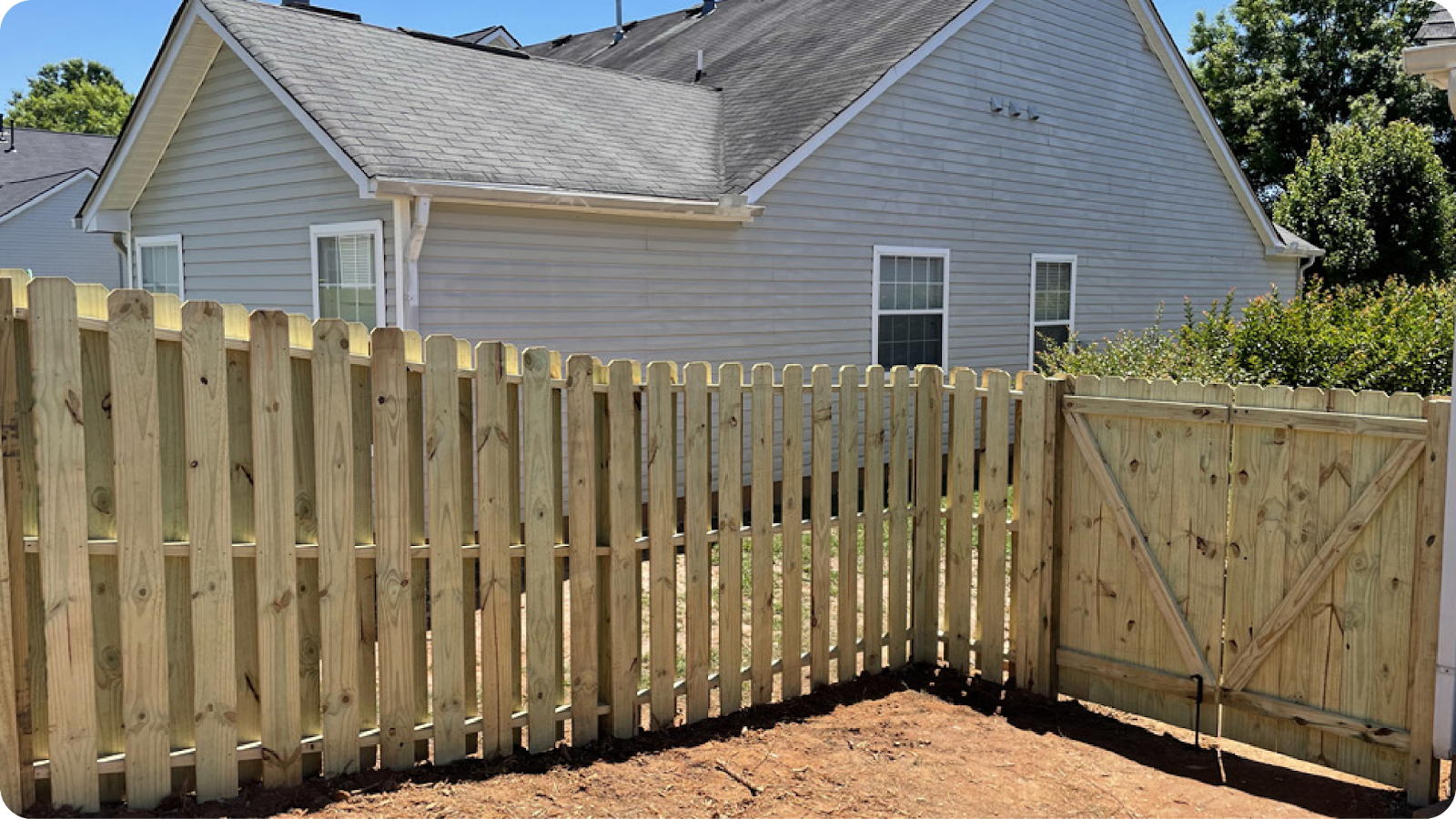
Picket fences are a popular choice among homeowners who want to add a touch of charm to their property. These fences are made of vertical wooden boards that are spaced apart and attached to horizontal rails. The boards are pointed at the top, giving the fence a picket-like appearance. Picket fences are available in a variety of heights and can be painted or stained to match the color of your home.

3. Split Rail Fence

Split rail fences are a rustic and natural-looking option that is perfect for homeowners who want to create a natural boundary for their property. This type of fence is made of horizontal wooden rails that are attached to vertical wooden posts. The rails are left unattached, giving the fence a rough and rugged appearance. Split rail fences are available in different wood types such as cedar and pine and can be left unfinished or stained.

4. Lattice Fence

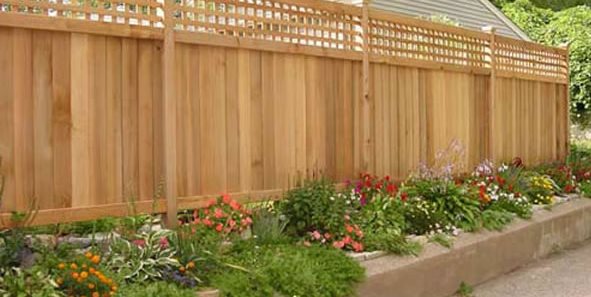
Lattice fences are a decorative option that is perfect for homeowners who want to add some privacy to their property while still allowing some light and air to pass through. This type of fence is made of wooden slats that are arranged in a criss-cross pattern, creating a lattice-like appearance. Lattice fences can be installed as a standalone fence or as a decorative feature on top of an existing fence.

5. Shadowbox Fence

Shadowbox fences are a popular choice among homeowners who want to create a fence that provides privacy while still allowing some light and air to pass through. This type of fence is made of vertical wooden boards that are attached to horizontal rails on both sides of the fence, creating a shadowbox effect. Shadowbox fences are available in a variety of wood types and can be painted or stained to match the color of your home.

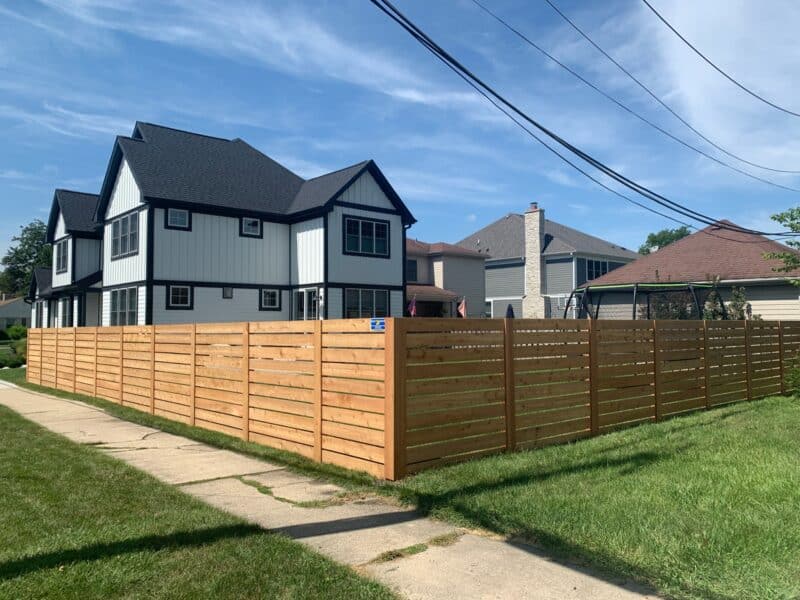
6. Horizontal Wood Fence

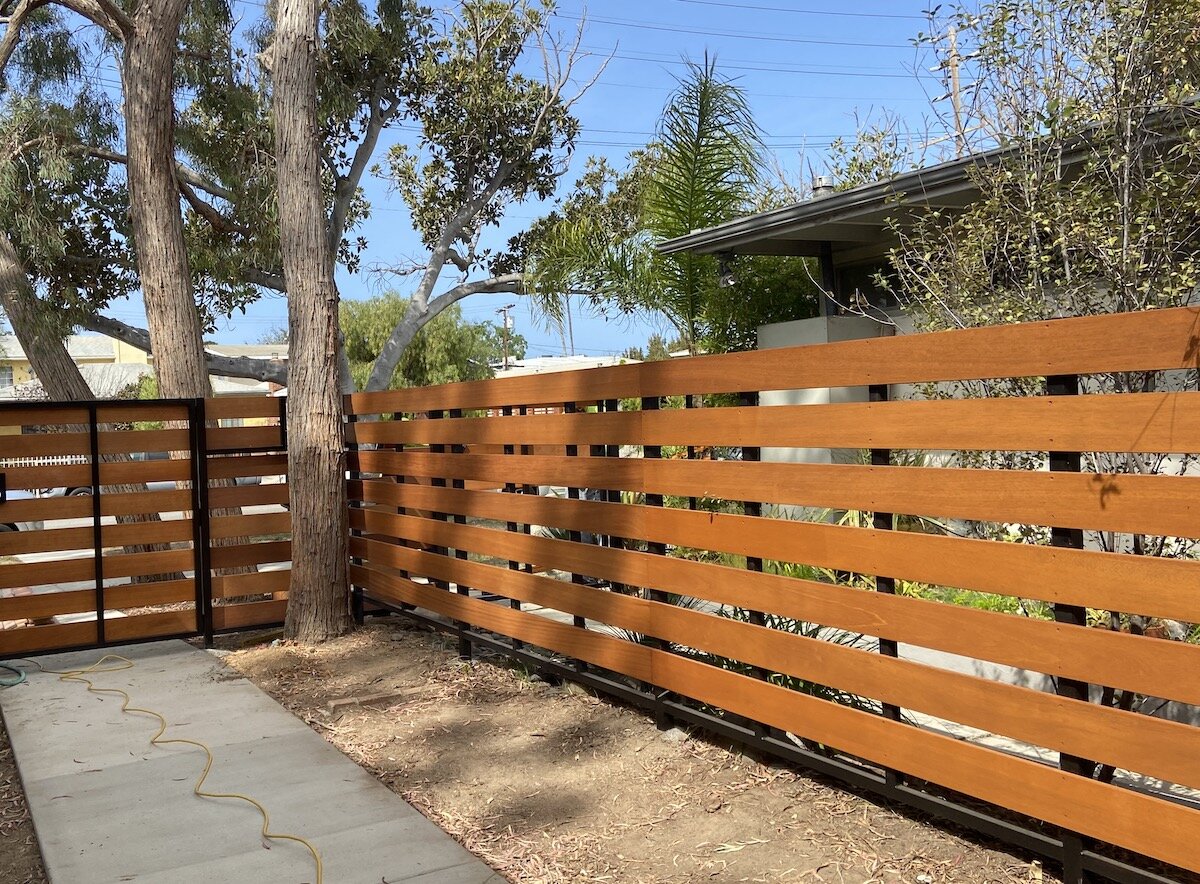
Horizontal wood fences are a modern and stylish option that is perfect for homeowners who want to create a unique and contemporary look for their property. This type of fence is made of horizontal wooden boards that are attached to vertical wooden posts. Horizontal wood fences are available in a variety of wood types and can be stained or painted to match the color of your home.

Conclusion

Choosing the right wood fence design for your property is an important decision that can greatly enhance the aesthetic appeal and functionality of your home. Whether you prefer a classic, rustic, or modern look, there is a wood fence design that can meet your needs. We hope that our guide on the Best Wood Fence Design Ideas for Your Property has provided you with the inspiration you need to choose the perfect fence for your home.

The Pros and Cons of a Horizontal Wood Fence

0

When it comes to choosing a fence for your home or property, there are several options available, each with its own set of pros and cons. One popular choice among homeowners is a horizontal wood fence, which offers a unique and stylish look while also providing security and privacy. In this article, we will discuss the pros and cons of a horizontal wood fence, helping you decide if it is the right choice for your property.

Contents

Pros of a Horizontal Wood Fence

1. Aesthetic Appeal

One of the primary advantages of a horizontal wood fence is its aesthetic appeal. Unlike traditional vertical fences, which can look plain and uninteresting, a horizontal fence adds a modern and unique touch to your property. The clean lines and smooth texture of the wood give a sleek and contemporary appearance that complements modern home designs.

Wood Fence

2. Enhanced Privacy

Another advantage of a horizontal wood fence is its ability to provide privacy. By installing the fence boards horizontally, you can create a solid barrier that blocks the view from outside. This is especially useful if your property is near a busy road or if you have neighbors nearby. A horizontal fence can also block noise pollution and provide a peaceful and quiet outdoor space.

3. Low Maintenance

Wooden fences require regular maintenance to keep them looking their best, but horizontal wood fences are relatively low maintenance. Unlike vertical fences, which trap moisture between the boards, horizontal fences allow water to run off, preventing rot and mold growth. This makes them easier to clean and less likely to suffer from damage caused by water and moisture.

4. Customizable

Horizontal wood fences are highly customizable. You can choose the type of wood, the width and height of the boards, and the spacing between the boards. This allows you to create a fence that perfectly matches your style and needs. You can also add decorative elements such as lattice panels or trellises to create a unique and personalized fence design.

Cons of a Horizontal Wood Fence

1. Cost

One of the primary disadvantages of a horizontal wood fence is its cost. Horizontal fences require more materials than vertical fences, which can make them more expensive to install. Additionally, the extra labor required to install the fence boards horizontally can also increase the cost of installation.

2. Maintenance

While horizontal wood fences are relatively low maintenance, they still require regular upkeep to keep them looking their best. Over time, the wood may become discolored or damaged, requiring staining or repainting. If you live in an area with extreme weather conditions, such as heavy rain or strong winds, the fence may require more frequent maintenance.

3. Limited Durability

While horizontal wood fences can be durable, they are not as sturdy as other fence materials, such as vinyl or metal. The wood may warp or crack over time, especially if it is exposed to extreme weather conditions or moisture. This can reduce the lifespan of the fence and may require costly repairs or replacements.

4. Installation Difficulty

Installing a horizontal wood fence can be more challenging than installing a traditional vertical fence. The boards must be carefully spaced and leveled to create a straight and even fence line. This requires more precision and skill, which can make the installation process more difficult and time-consuming.

Conclusion

A horizontal wood fence offers a unique and modern look that can enhance the aesthetic appeal of your property while also providing privacy and security. While there are several advantages to this type of fence, such as its low maintenance and customizable design, there are also some drawbacks, including its cost, maintenance requirements, and limited durability. Ultimately, the decision to install a horizontal wood fence depends on your personal preferences, budget, and needs.

The Importance of Choosing the Right Wood Fence Gate

2

At our company, we believe that choosing the right wood fence gate is crucial to the overall success and longevity of your fencing system. A well-built and well-designed fence can add beauty, privacy, and security to your property, but it all starts with choosing the right gate.

When it comes to selecting a wood fence gate, there are many factors to consider. From the type of wood used to the style of gate, every decision can impact the overall look and functionality of your fence. In this article, we will discuss the importance of choosing the right wood fence gate and provide some helpful tips for making the best decision.

Contents

1. Durability and Longevity

One of the most important factors to consider when selecting a wood fence gate is durability and longevity. The gate should be able to withstand harsh weather conditions, daily wear and tear, and potential damage from animals or other external factors. At our company, we recommend using high-quality, pressure-treated wood for your fence gate. This type of wood is resistant to rot, decay, and insects, ensuring that your gate will last for many years to come.

97,200+ Wooden Gate Stock Photos, Pictures & Royalty-Free Images - iStock |  Old wooden gate

2. Design and Style

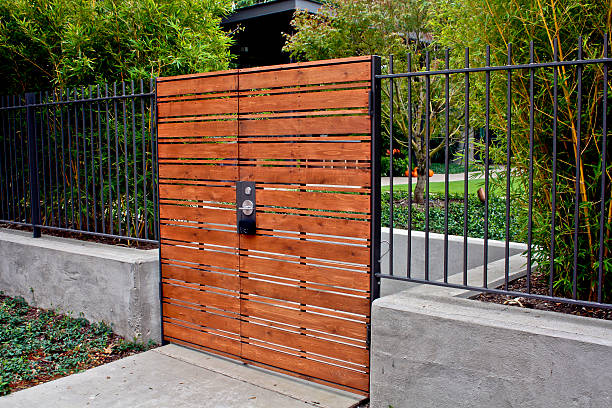
The design and style of your wood fence gate can greatly impact the overall aesthetic of your property. You want to select a gate that complements the design of your home and surrounding landscape. There are many styles to choose from, including picket gates, privacy gates, and custom gates. At our company, we offer a variety of designs to choose from, or we can work with you to create a custom gate that meets your specific needs and preferences.

3. Privacy and Security

Another important consideration when selecting a wood fence gate is privacy and security. If you are looking for a gate that provides maximum privacy and security, we recommend selecting a solid wood gate with no gaps or spaces. This will prevent anyone from seeing inside your property and provide an extra layer of security. However, if you prefer a gate with some visibility, a picket or lattice gate may be a better option.

4. Maintenance

The maintenance required for your wood fence gate can also impact your decision. Some types of wood require more maintenance than others, so it is important to consider how much time and effort you are willing to put into maintaining your gate. At our company, we use high-quality, low-maintenance materials to ensure that your gate stays looking great for years to come with minimal upkeep.

5. Professional Installation

Finally, it is important to have your wood fence gate professionally installed. A properly installed gate will ensure that it functions correctly and lasts as long as possible. At our company, we have a team of experienced professionals who can install your gate quickly and efficiently, ensuring that it meets all safety and quality standards.

Conclusion

Choosing the right wood fence gate is a crucial decision that can impact the overall look and functionality of your fencing system. By considering factors such as durability, design, privacy and security, maintenance, and professional installation, you can ensure that you select a gate that meets your specific needs and preferences. At our company, we are committed to providing high-quality, custom-built wood fence gates that are designed to last. Contact us today to learn more about our services and how we can help you select the perfect gate for your property.

The Differences Between Cedar, Pine, and Redwood for Wood Fencing

2

Wood fencing is a classic and timeless way to add beauty and privacy to any property. It provides a natural look and feel that complements any landscape. When it comes to choosing the right wood for your fencing, there are several factors to consider. Cedar, pine, and redwood are some of the most popular wood options for fencing. Each wood type has its unique features, advantages, and disadvantages that make it ideal for different situations.

In this article, we will discuss the differences between cedar, pine, and redwood for wood fencing, and which one is the best for your project.

Contents

Landscape Fence Ideas and Gates - Landscaping Network

Cedar Wood Fencing

Cedar wood fencing is a popular choice for its natural beauty and durability. Cedar has natural oils that make it resistant to decay and insect infestations, making it a great option for outdoor use. The wood has a reddish-brown hue that creates a warm and inviting look that complements any landscape. Cedar is also easy to work with, making it a favorite among DIY enthusiasts.

One of the biggest advantages of cedar wood fencing is its longevity. Cedar wood can last up to 20 years or more with proper maintenance. The wood requires regular sealing and staining to protect it from moisture and sunlight damage. However, cedar wood fencing can be more expensive than other wood options, which can be a drawback for some homeowners.

Pine Wood Fencing

Pine wood fencing is another popular option for its affordability and versatility. Pine wood has a light, yellowish color that can be stained or painted to match any design style. Pine wood is easy to work with, making it a favorite among DIY enthusiasts.

One of the biggest advantages of pine wood fencing is its affordability. Pine wood is readily available and less expensive than cedar or redwood. However, pine wood is less durable than cedar or redwood and requires more maintenance to prevent decay and insect infestations. Pine wood fencing typically lasts between 5 to 12 years with proper maintenance.

Redwood Wood Fencing

Redwood wood fencing is a high-end option for its natural beauty and durability. Redwood has natural oils and tannins that make it resistant to decay and insect infestations, making it ideal for outdoor use. The wood has a reddish hue that creates a luxurious and elegant look that complements any landscape. Redwood is also easy to work with, making it a favorite among DIY enthusiasts.

One of the biggest advantages of redwood wood fencing is its longevity. Redwood wood can last up to 25 years or more with proper maintenance. The wood requires regular sealing and staining to protect it from moisture and sunlight damage. However, redwood wood fencing can be more expensive than cedar or pine, which can be a drawback for some homeowners.

Which Wood is Best for Your Fencing Project?

Choosing the right wood for your fencing project depends on several factors, including your budget, design style, and maintenance preferences. Here are some things to consider when choosing between cedar, pine, and redwood for your fencing project:

  • Budget: Cedar and redwood are more expensive than pine, but they offer better durability and longevity.
  • Design Style: Cedar and redwood have a natural beauty that complements any landscape, while pine can be stained or painted to match any design style.
  • Maintenance Preferences: Cedar and redwood require regular maintenance, but they offer better resistance to decay and insect infestations than pine.

Conclusion

Cedar, pine, and redwood are all great options for wood fencing, each with its unique features, advantages, and disadvantages. Cedar is a durable and beautiful option that requires regular maintenance, while pine is an affordable and versatile option that requires more maintenance.

The Advantages of a Board-on-Board Wood Fence

1

A board-on-board wood fence is a type of privacy fence that is constructed by overlapping vertical boards on top of each other. One of the main advantages of this type of fence is its excellent privacy and security, as the overlapping boards provide a solid barrier that is difficult to see through or climb over. Additionally, board-on-board fences are highly durable and long-lasting, as the overlapping boards help to prevent warping, cracking, and other types of damage. This makes them a great investment for homeowners looking to improve the value and curb appeal of their property. 

Board-on-board wood fences are a popular choice for residential properties. These fences offer a number of advantages over other types of fences, including increased privacy and durability. In this article, we will discuss the advantages of a board-on-board wood fence in detail and why it is an excellent choice for your property.

Is a Horizontal Fence Right For You? (Here Are Some Things to Consider)

Contents

Enhanced Privacy

One of the primary advantages of a board-on-board wood fence is the enhanced privacy it provides. The overlapping boards of a board-on-board fence provide complete coverage, which makes it nearly impossible for anyone to see through the fence. This means that you can enjoy your backyard without worrying about nosy neighbors or passersby.

Increased Durability

Another advantage of a board-on-board wood fence is its increased durability. The overlapping boards of a board-on-board fence provide a double layer of protection against wind, rain, and other elements. This means that your fence will last longer and require less maintenance than other types of fences.

Aesthetically Pleasing

A board-on-board wood fence is also aesthetically pleasing. The overlapping boards provide a rustic and natural look that blends in well with the surrounding landscape. Additionally, a wood fence can be stained or painted to match the exterior of your home, giving it a cohesive and polished appearance.

Versatility

A board-on-board wood fence is versatile and can be used in a variety of settings. It can be installed in both residential and commercial properties and can be used to define property lines, create privacy, or enhance the look of a landscape. Additionally, wood fences can be customized to fit the unique needs of your property, such as incorporating gates, lattice, or decorative posts.

Cost-Effective

Compared to other types of fences, a board-on-board wood fence is a cost-effective choice. Wood is a relatively inexpensive material, and installation costs are typically lower than other types of fences. Additionally, if your fence becomes damaged, individual boards can be easily replaced, saving you money in the long run.

Environmental Sustainability

Another advantage of a board-on-board wood fence is its environmental sustainability. Wood is a renewable resource and is biodegradable, which means that it can be easily disposed of without harming the environment. Additionally, modern forestry practices ensure that new trees are planted to replace those that are harvested, making wood a responsible and sustainable choice for fencing materials.

Increased Property Value

A board-on-board wood fence can also increase the value of your property. The enhanced privacy, durability, and aesthetics of a wood fence are attractive to potential buyers and can make your property more desirable. Additionally, a well-maintained fence can improve the overall curb appeal of your property, which can increase its value even further.

Conclusion

A board-on-board wood fence offers a number of advantages over other types of fences, including enhanced privacy, increased durability, and cost-effectiveness. Additionally, a wood fence is versatile, aesthetically pleasing, and environmentally sustainable, making it an excellent choice for your property. Consider installing a board-on-board wood fence to enhance the value and appeal of your property today.

The Environmental Benefits of Wood Fencing

2

Wood fencing is a popular choice for homeowners who want to add privacy, security, and aesthetic appeal to their property. However, wood fencing also provides a range of environmental benefits. For starters, wood is a renewable resource that is biodegradable, which means that it can be easily disposed of without causing harm to the environment. Additionally, wood fencing has a lower carbon footprint compared to other fencing materials, such as vinyl or metal. The manufacturing process for wood fencing requires less energy, resulting in fewer greenhouse gas emissions. Wood also has natural insulation properties, which can help to reduce the amount of energy needed to heat or cool a home. 

Wood fencing is a popular choice for homeowners looking to enhance the look of their property while also providing a secure boundary. However, wood fencing offers more than just aesthetic and security benefits. In fact, wood fencing can provide significant environmental benefits that homeowners may not be aware of.

20 Inspiring Wood Fence Ideas & Styles for 2023

In this article, we will explore the environmental benefits of wood fencing and how it can help reduce our carbon footprint.

Contents

Wood is a renewable resource

  1. One of the most significant environmental benefits of wood fencing is that wood is a renewable resource. Unlike non-renewable resources like oil and gas, wood can be regrown and harvested sustainably. This means that wood fencing is a more environmentally friendly option than other materials that are not renewable.

Wood is biodegradable

2. Another environmental benefit of wood fencing is that it is biodegradable. This means that it can decompose naturally over time, unlike synthetic materials like plastic that can take hundreds of years to break down. When wood fencing is no longer needed, it can be recycled or disposed of in an environmentally friendly way.

Wood fencing helps to reduce carbon emissions

3. Wood fencing also plays a role in reducing carbon emissions. Trees absorb carbon dioxide from the atmosphere as they grow, which helps to mitigate the effects of climate change. When wood is harvested and turned into products like fencing, it stores the carbon dioxide that the tree absorbed during its lifetime. This means that wood fencing can help to reduce the amount of carbon dioxide in the atmosphere, which is a significant environmental benefit.

Wood fencing is energy efficient

4. Wood fencing is also energy efficient. Wood is a natural insulator, which means that it can help to keep your home cooler in the summer and warmer in the winter. This can help to reduce your energy consumption and lower your carbon footprint. Additionally, wood fencing can provide shade, which can further reduce the amount of energy needed to cool your home during the summer months.

Wood fencing is a sustainable choice

5. Finally, wood fencing is a sustainable choice. By choosing wood fencing, homeowners can support sustainable forestry practices that help to protect and conserve our natural resources. Many wood fencing manufacturers use sustainably sourced wood, which means that the wood is harvested in a way that does not harm the environment or deplete natural resources.

Conclusion

Wood fencing is an excellent choice for homeowners who are looking for a durable, secure, and environmentally friendly option. With its renewable nature, biodegradability, carbon sequestration, energy efficiency, and sustainability, wood fencing can help to reduce our carbon footprint while also enhancing the look and value of our properties.

If you are looking for a high-quality wood fence, it is essential to choose a reputable and environmentally conscious manufacturer. By doing so, you can ensure that your fence is made from sustainably sourced wood that is both durable and eco-friendly.

The Benefits of a Wood Fence for Your Privacy and Security

1

When it comes to safeguarding your property, installing a fence is one of the most effective ways to do so. Not only does it keep intruders out, but it also offers privacy from prying eyes. While there are many types of fencing materials available, wood fence remain a popular choice for homeowners.

A wood fence is a popular choice for homeowners looking to enhance their privacy and security. Wood fence can be customized to fit the specific needs and preferences of a homeowner, whether it be a tall fence for maximum privacy or a decorative fence to add visual appeal to a property. In addition to providing privacy, wood fence also offer security by deterring unwanted visitors and keeping pets and children safely contained within the property.  In this article, we will explore the benefits of a wood fence for your privacy and security.

Santa Monica Modern Wood Fences, Gates, Driveway Gates — Harwell Design -  Fences, Driveway Gates, Los Angeles, Santa Monica

Contents

1. Durable and Long-Lasting

One of the main advantages of wood fence is their durability and longevity. With proper maintenance, a wood fence can last for decades. Wood fence are made from sturdy, natural materials that can withstand harsh weather conditions, such as rain, wind, and snow. Additionally, wood fence can be treated with sealants and stains to protect against rot and insect damage.

2. Customizable Designs

Wood fence are also highly customizable, making them a popular choice for homeowners who want to add a personal touch to their property. With a variety of wood species, stains, and finishes to choose from, you can design a fence that complements the architectural style of your home and enhances your property’s curb appeal.

3. Offers Privacy

Privacy is a top priority for many homeowners, and a wood fence can provide just that. Wood fence offer a solid barrier that prevents outsiders from peering into your yard or home. With the right height and design, you can create a private oasis that’s free from prying eyes.

4. Enhances Security

In addition to privacy, wood fence also offer enhanced security. By creating a physical barrier around your property, you can deter intruders and make it more difficult for them to enter your home. Additionally, wood fence can be equipped with locks and other security features to further increase your home’s protection.

5. Increases Property Value

A wood fence can also add value to your property. A well-maintained wood fence can increase your home’s curb appeal and make it more attractive to potential buyers if you decide to sell your home in the future. Additionally, a wood fence can provide a sense of exclusivity and luxury that can increase the perceived value of your property.

6. Environmentally Friendly

Wood fence are also environmentally friendly. Wood is a renewable resource that can be sustainably harvested, making it a greener alternative to other fencing materials. Additionally, wood fence are biodegradable, meaning they won’t have a negative impact on the environment when they eventually need to be replaced.

Conclusion

A wood fence is an excellent choice for homeowners who value privacy, security, and durability. With its customizable designs, solid construction, and natural beauty, a wood fence can enhance the aesthetic appeal of your property while also providing a sense of safety and exclusivity. If you’re considering installing a fence on your property, be sure to explore the many benefits of a wood fence.

How to Protect Your Wood Fence from Insects and Rot

2

At some point in time, you may have found yourself with a wood fence that is slowly rotting away or is being devoured by insects. Wood fence are an excellent investment for many homeowners, but they can also be a source of frustration when not properly maintained. In this article, we will provide you with valuable insights on how to protect your wood fence from insects and rot.

Contents

Understanding the Causes of Wood Rot and Insect Infestation

Before discussing ways to protect your wood fence, it’s important to understand the root causes of wood rot and insect infestation. Wood rot is caused by a fungus that thrives in moist conditions, and it can quickly spread to other parts of the wood if not treated promptly. On the other hand, insects such as termites, carpenter ants, and beetles burrow into the wood and feed on it, causing structural damage over time. In order to protect your wood fence, it’s important to address these issues at the root cause.

Wooden Gate Installation Chicagoland | First Fence Company

1. Choose Quality Wood

One of the most effective ways to prevent wood rot and insect infestation is by choosing quality wood for your fence. Not all wood is created equal, and some types are more resistant to rot and insects than others. Cedar and redwood are popular choices for wood fence because they contain natural oils that repel insects and fungi. Pressure-treated pine is also a viable option, but make sure that it is rated for ground contact.

2. Apply a Protective Stain

Another effective way to protect your wood fence is by applying a protective stain. Stains not only enhance the natural beauty of the wood, but they also act as a barrier against moisture, UV rays, and insects. When choosing a stain, opt for one that is specifically designed for exterior wood and is water-resistant. Apply the stain every two to three years or as needed, depending on the climate and level of exposure to the elements.

3. Keep the Fence Clean and Dry

Moisture is one of the main culprits of wood rot and insect infestation, so it’s important to keep your fence clean and dry. Regularly clean your fence with a mild detergent and water, and remove any debris that may accumulate around the base. If you live in a humid climate, consider installing a dehumidifier in the area to reduce moisture levels.

4. Trim Nearby Trees and Shrubs

Trees and shrubs that are too close to your fence can create a moist and shady environment that attracts insects and fungi. To prevent this, make sure to trim any nearby trees and shrubs so that they don’t come into contact with the fence. This will also allow for better air circulation and sunlight, which helps to keep the fence dry and less prone to rot and infestation.

5. Repair Damage Promptly

Even with the best preventive measures in place, your wood fence may still experience damage over time. If you notice any signs of rot or insect infestation, such as soft spots or small holes, it’s important to address them promptly. Replace any damaged boards, and treat the affected area with a wood preservative to prevent further damage.

Conclusion

Protecting your wood fence from insects and rot requires a combination of preventive measures and prompt action. By choosing quality wood, applying a protective stain, keeping the fence clean and dry, trimming nearby trees and shrubs, and repairing damage promptly, you can enjoy a beautiful and long-lasting fence for years to come.

The Best Wood Fence Stain Colors for Your Home’s Exterior

1

When it comes to choosing a wood fence stain color for your home’s exterior, there are several factors to consider. The right stain color can enhance the natural beauty of the wood, complement the overall aesthetic of your home, and provide protection from the elements. In this article, we’ll explore the best wood fence stain colors for your home’s exterior, based on factors such as wood type, home style, and personal preference.

Wood Fence Styles | CT Wood Fence Installation | Cedar Wood Fencing

Contents

Factors to Consider When Choosing a Wood Fence Stain Color

Before we dive into the best wood fence stain colors, let’s first discuss the factors to consider when making your selection.

  1. Wood Type: The type of wood used for your fence will affect how the stain color appears. For example, a dark stain on a light wood, such as cedar or pine, will appear more vibrant than on a darker wood, such as redwood or mahogany.
  2. Home Style: The style of your home should also be taken into consideration when selecting a wood fence stain color. A traditional home may benefit from a classic stain color, such as a warm brown or deep red, while a modern home may look better with a more unique color, such as gray or black.
  3. Personal Preference: Ultimately, the stain color you choose should reflect your personal style and taste. Don’t be afraid to experiment with different colors to find the perfect match for your home.

Now, let’s take a closer look at the best wood fence stain colors for your home’s exterior.

1. Classic Brown

A classic brown stain color is a popular choice for wood fences, as it complements a variety of home styles and wood types. Brown stains come in a range of shades, from light honey to dark walnut, so you can choose the perfect shade for your home. A brown stain also provides a natural look that enhances the wood grain and texture.

2. Warm Red

If you want to add a pop of color to your home’s exterior, a warm red stain may be the perfect choice. This color is ideal for traditional or rustic homes and works well with lighter woods, such as cedar or pine. A red stain also provides a warm and inviting look that will make your home stand out.

3. Gray

For a more modern look, consider a gray stain color for your wood fence. Gray stains come in a range of shades, from light ash to dark charcoal, and work well with both traditional and contemporary home styles. A gray stain also provides a sleek and sophisticated look that will elevate the overall aesthetic of your home.

3. Black

If you’re looking for a bold and dramatic statement, a black stain color may be the perfect choice for your wood fence. Black stains work well with both traditional and modern home styles and provide a sleek and sophisticated look. However, keep in mind that a black stain may require more maintenance than other colors, as it can show scratches and wear more easily.

4. Natural

For a more understated look, consider a natural stain color that enhances the beauty of the wood without adding color. A natural stain comes in a range of shades, from light amber to dark brown, and works well with all home styles and wood types. A natural stain also provides a timeless and classic look that will never go out of style.

Conclusion

Choosing the best wood fence stain color for your home’s exterior requires careful consideration of several factors, including wood type, home style, and personal preference. By taking these factors into account, you can select a stain color that enhances the natural beauty of the wood, complements the overall aesthetic of your home, and provides protection from the elements.