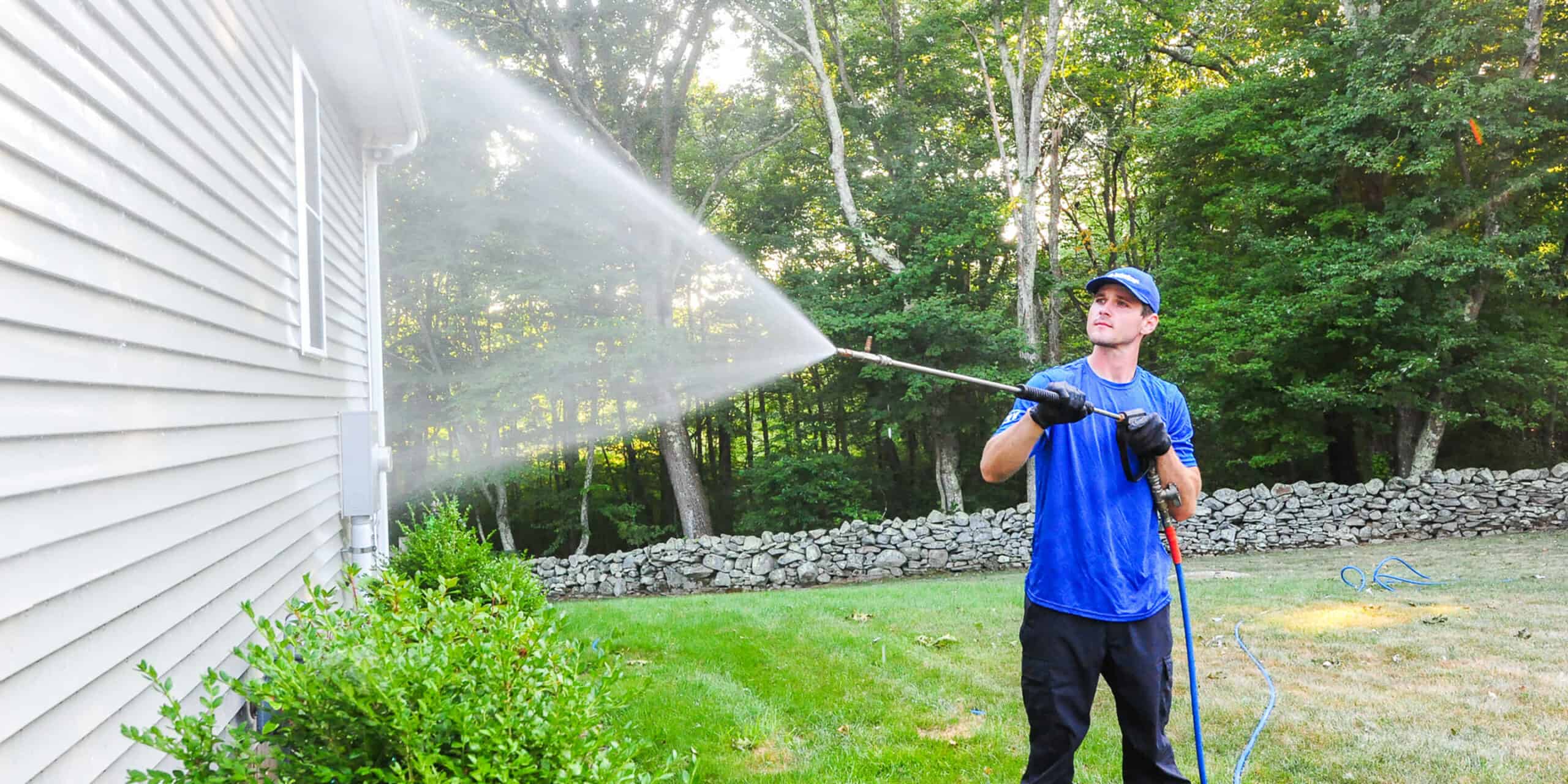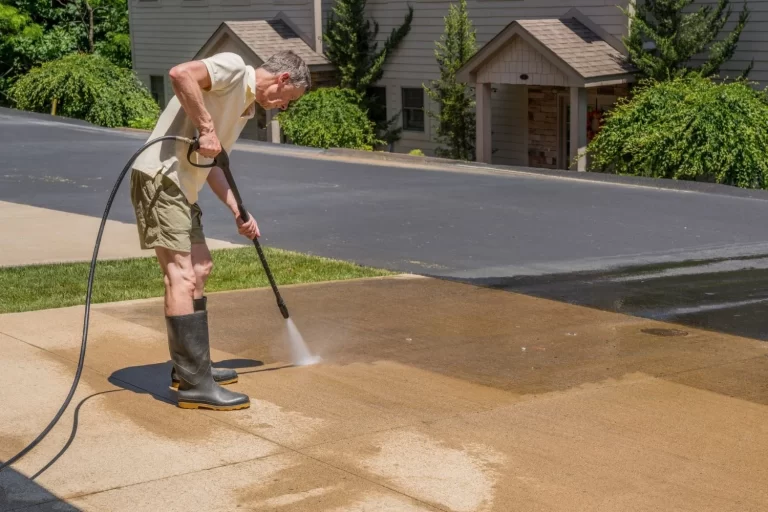


Thursday, March 19, 2026
Home Blog Page 95

The Dos and Don’ts of Signage Design

2

Creating effective signage is crucial for any business. Signage serves as a representation of your brand and is often the first impression customers have of your business. Therefore, it is important to ensure your signage design is not only visually appealing but also conveys your message in a clear and concise manner.

Here are the dos and don’ts of signage design to help you create effective and impactful signage:

Contents

DO:

Keep it Simple

When designing signage, it’s important to keep it simple. Your message should be easily readable and understandable from a distance. Avoid using too many fonts, colors, and graphics that can overwhelm the viewer. The simpler the design, the more impactful it will be.
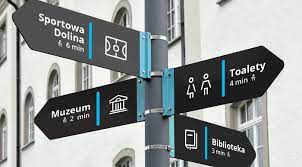
Signage Design

Use High-Quality Images and Graphics

The use of high-quality images and graphics can make your signage stand out. Using low-resolution images or graphics can make your signage appear unprofessional and can detract from the message you are trying to convey. Therefore, it is important to use high-quality images and graphics that are clear and visually appealing.

Consider the Placement

The placement of your signage is just as important as the design itself. Your signage should be placed in a location where it is easily visible to your target audience. Consider the height and angle of the signage to ensure it is visible from all angles.

Use Contrasting Colors

Using contrasting colors can make your signage pop and draw the viewer’s attention. However, it’s important to use colors that are visually appealing and complement each other. Avoid using colors that clash or are difficult to read.

Ensure Consistency

Consistency is key when it comes to signage design. Your signage should be consistent with your brand’s overall image and messaging. This helps to reinforce your brand identity and makes it easier for customers to identify your business.

DON’T:

Use Too Much Text

Signage should be easy to read and understand. Avoid using too much text as it can overwhelm the viewer and make your message difficult to comprehend. Keep your message short and sweet, and use clear and concise language.

Use Low-Quality Materials

Using low-quality materials can make your signage appear cheap and unprofessional. Invest in high-quality materials that are durable and long-lasting to ensure your signage maintains its impact.

Use Fonts That Are Difficult to Read

Fonts play a crucial role in signage design. Using fonts that are difficult to read can detract from your message and make your signage appear unprofessional. Stick to easy-to-read fonts that are clear and legible.

Overcomplicate the Design

Overcomplicating the of your signage design can make it difficult to read and understand. Stick to a simple and visually appealing design that effectively conveys your message.

Ignore the Importance of Branding

Branding is crucial when it comes to signage design. Your signage should be consistent with your overall brand image and messaging. This helps to build brand recognition and reinforces your business’s identity.

Conclusion

Effective signage design is crucial for any business. By following these dos and don’ts of signage design, you can create impactful and visually appealing signage that effectively conveys your message and reinforces your brand identity. Remember to keep it simple, use high-quality materials and images, consider the placement, and ensure consistency with your overall brand image and messaging.
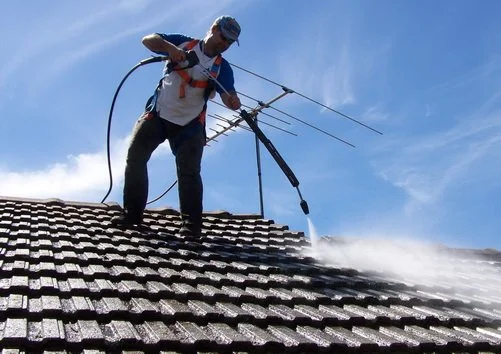
Pressure Washing Your Roof: Is it Safe and Effective?

1

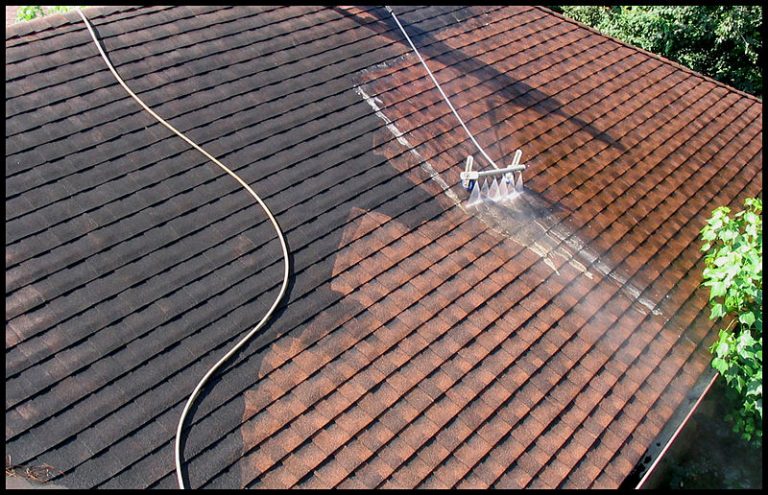
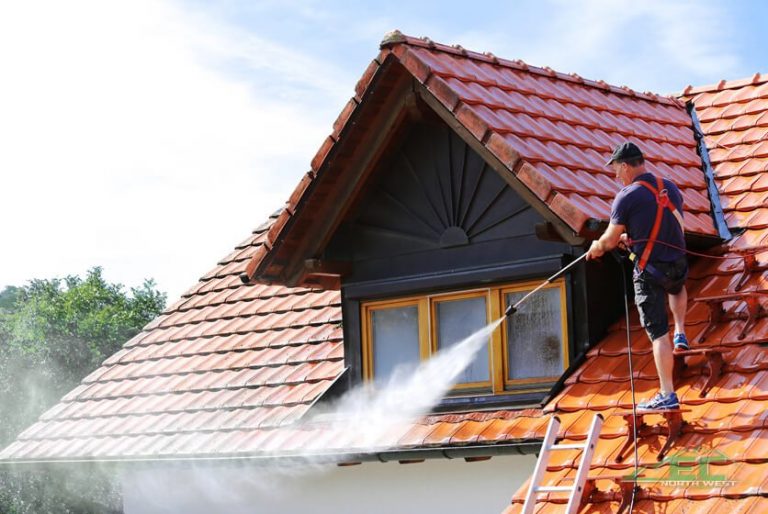
Your roof is one of the most important parts of your home, protecting you and your family from the elements. Over time, however, it can become dirty and covered in debris, which can lead to mold and other issues. This is where pressure washing comes in. Pressure washing your roof can be an effective way to remove dirt, debris, and mold, but is it safe? In this article, we will explore the benefits and risks of pressure washing your roof.

Contents

What is Pressure Washing?

Pressure washing is the use of high-pressure water to remove dirt, debris, and other contaminants from surfaces. It’s a powerful and effective way to clean many different surfaces, including driveways, decks, and roofs. Pressure washers use a motor and pump to pressurize water, which is then forced through a wand and nozzle at high pressure.

Should You Pressure Wash Your Roof?

Benefits of Pressure Washing Your Roof

There are several benefits to pressure washing your roof. These include:

  1. Improved Curb Appeal: A clean roof can greatly improve the appearance of your home and increase its value.
  2. Extended Lifespan: By removing dirt, debris, and mold, you can help extend the lifespan of your roof.
  3. Improved Energy Efficiency: A clean roof can help reflect sunlight, reducing the amount of heat that’s absorbed by your home and potentially lowering your energy bills.

Risks of Pressure Washing Your Roof

While pressure washing your roof can be an effective way to clean it, there are also some risks to consider. These include:

  1. Damage to Shingles: High-pressure water can cause damage to shingles, especially older or more brittle shingles. This can lead to leaks and other issues.
  2. Water Intrusion: If water is forced under the shingles, it can lead to water intrusion and damage to the roof deck and other parts of the roof structure.
  3. Injury: Pressure washers are powerful machines that can cause injury if not used properly. Falling off a roof or being hit by flying debris are also risks to consider.

How to Pressure Wash Your Roof Safely and Effectively

If you decide to pressure wash your roof, there are several steps you can take to do it safely and effectively. These include:

  1. Use a Low Pressure Setting: When pressure washing your roof, it’s important to use a low-pressure setting to avoid causing damage to shingles or other parts of the roof.
  2. Work with a Partner: It’s a good idea to have someone else working with you to help keep the pressure washer hose under control and to ensure your safety.
  3. Wear Protective Gear: You should wear protective gear, including gloves, safety glasses, and non-slip shoes or boots.
  4. Follow Proper Technique: Always aim the pressure washer nozzle down the roof, and never aim it up, as this can force water under the shingles. Keep the nozzle at least 6 inches away from the roof surface and move it in a sweeping motion.
  5. Start at the Top: Start at the top of the roof and work your way down, so that the water flows down the roof and doesn’t force water under the shingles.
  6. Rinse Thoroughly: After pressure washing, rinse the roof thoroughly with a garden hose to remove any remaining debris or detergent.

When to Hire a Professional

If you’re not comfortable pressure washing your roof, or if your roof is particularly steep or difficult to access, it’s best to hire a professional. A professional pressure washing company will have the experience and equipment needed to safely and effectively clean your roof. They will also have insurance to cover any damage or injuries that may occur during the cleaning process.

The Advantages of Pressure Washing Your Boat

0

Pressure washing your boat is a crucial aspect of boat maintenance that can improve its appearance, prevent damage, increase its resale value, reduce maintenance costs, and even improve performance. Over time, boats can accumulate substances that can detract from their appearance, weaken the boat’s exterior, and cause drag, which can reduce performance. By pressure washing your boat regularly, you can remove these substances, prevent damage, and ensure that your boat looks and performs its best. It’s a simple and cost-effective way to ensure the longevity and safety of your vessel.

As boaters, we all know the importance of regular maintenance and upkeep of our vessels. It’s crucial to keep them in good condition not only to ensure their longevity but also to ensure the safety of everyone on board. One aspect of boat maintenance that is often overlooked is pressure washing. In this article, we’ll explore the advantages of pressure washing your boat and why it should be a regular part of your boat maintenance routine.

Contents

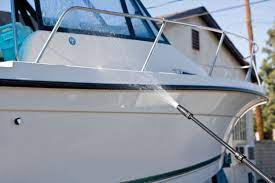
How to Clean a Boat Hull: Best Methods | LoveToKnow

Improved Appearance

One of the most apparent advantages of pressure washing your boat is the immediate improvement in appearance. Over time, boats can accumulate dirt, grime, and other unsightly substances that can detract from their appearance. Pressure washing can quickly and effectively remove these substances, leaving your boat looking as good as new. It’s a simple and cost-effective way to give your boat a much-needed facelift.

Prevents Damage

Boats are exposed to a lot of elements such as salt, UV rays, and moisture, which can cause damage to the exterior over time. Pressure washing can help prevent this damage by removing substances that can corrode or weaken the boat’s exterior. Removing salt buildup, for example, can help prevent rust and other forms of corrosion that can weaken the metal parts of your boat.

Increases Resale Value

Pressure washing your boat regularly can also help increase its resale value. Boats that are well-maintained and look good are more appealing to potential buyers. By pressure washing your boat, you’re ensuring that it looks its best and is in top condition. This can go a long way in increasing its resale value and helping you get the best price when it’s time to sell.

Reduces Maintenance Costs

Regular pressure washing can also help reduce maintenance costs in the long run. By removing substances that can cause damage, you’re preventing the need for more extensive repairs down the road. For example, removing barnacles and other organisms that can attach themselves to the bottom of your boat can help prevent damage to the hull, which can be costly to repair.

Improves Performance

Believe it or not, pressure washing your boat can also improve its performance. By removing substances that can cause drag, such as barnacles and other organisms, you’re improving the boat’s hydrodynamics. This can lead to better fuel efficiency, improved speed, and overall better performance on the water.

Conclusion

Pressure washing your boat is a simple and cost-effective way to improve its appearance, prevent damage, increase resale value, reduce maintenance costs, and improve performance. It’s an essential part of any boat maintenance routine that should not be overlooked. If you’re not already pressure washing your boat regularly, it’s time to start. Your boat will thank you.

Pressure Washing Your Fence: A Guide to a Clean and Fresh Look

4

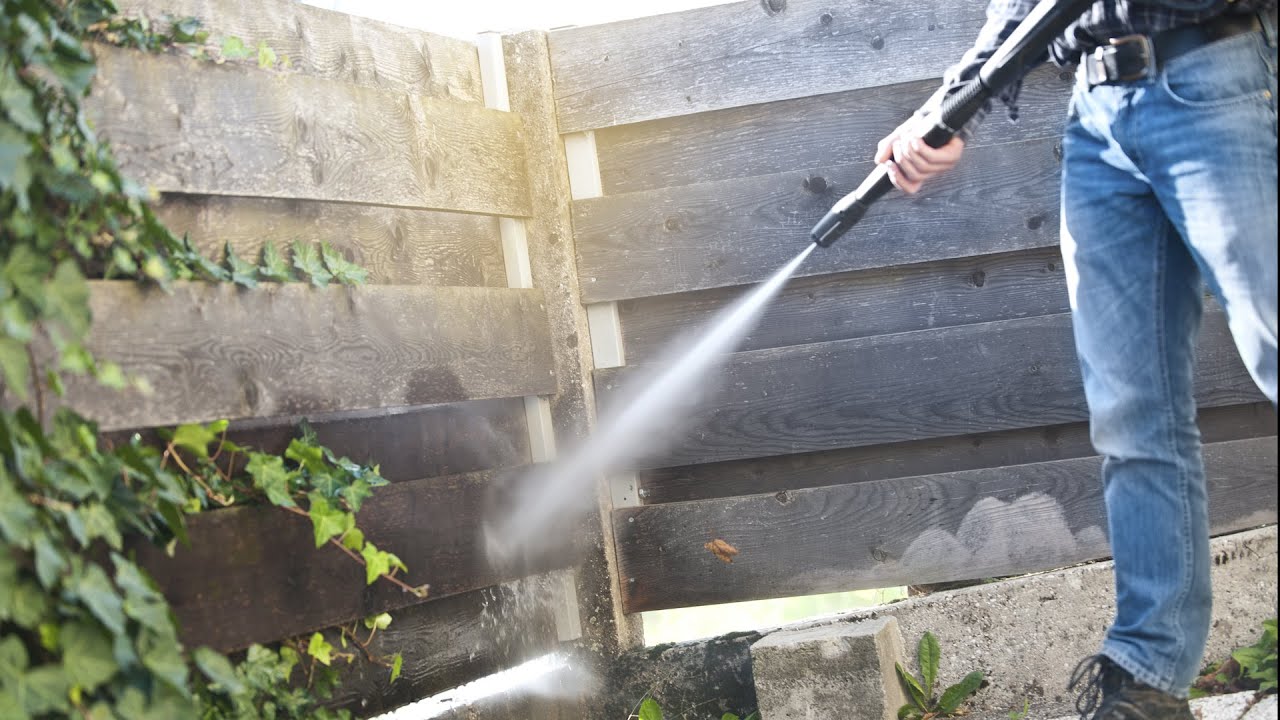
At some point, you may have looked at your fence and wondered how to make it look new again. Over time, fences can accumulate dirt, grime, and other debris that can make them look unsightly. Fortunately, pressure washing your fence can restore it to its original appearance. In this guide, we will provide you with a step-by-step process on how to pressure wash your fence to give it a clean and fresh look.

Contents

What is Pressure Washing?

Pressure washing is a method of cleaning that uses high-pressure water to remove dirt, grime, and other debris from surfaces. Pressure washing can be used to clean a variety of surfaces, including fences, decks, driveways, and sidewalks. The high-pressure water stream can help to remove dirt and grime that regular washing cannot.

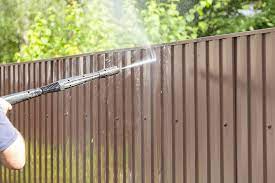
The Six Best Places to Pressure Wash Around Your Home

Why Pressure Wash Your Fence?

Pressure washing your fence has several benefits. First, it can help to restore your fence to its original appearance. Over time, fences can become dirty and discolored due to exposure to the elements. Pressure washing can help to remove the buildup of dirt, grime, and other debris that can make your fence look unsightly.

Second, pressure washing can help to prolong the life of your fence. By removing the buildup of dirt and other debris, pressure washing can help to prevent mold and mildew from growing on your fence. Mold and mildew can weaken the wood, leading to premature deterioration.

Third, pressure washing can be a cost-effective way to maintain your fence. Rather than replacing your fence, which can be expensive, pressure washing can help to restore it to its original appearance and prolong its life.

Steps to Pressure Wash Your Fence

  1. Prepare the area: Before you start pressure washing your fence, it is important to prepare the area. Remove any objects that are close to the fence, such as outdoor furniture or decorations. Cover any nearby plants or flowers with a tarp to protect them from the high-pressure water.
  2. Set up the pressure washer: Once you have prepared the area, set up your pressure washer. Connect the water hose to the pressure washer and turn on the water supply. Connect the pressure washer wand to the machine and turn it on.
  3. Adjust the pressure: Before you start pressure washing your fence, it is important to adjust the pressure. Different types of fences require different levels of pressure. Start with a low pressure setting and increase it gradually until you find the right level of pressure for your fence.
  4. Start at the top: When pressure washing your fence, it is important to start at the top and work your way down. This will ensure that the dirty water flows down and does not leave streaks on your fence.
  5. Use the right technique: When pressure washing your fence, it is important to use the right technique. Hold the pressure washer wand at a 45-degree angle and move it in a back and forth motion. This will help to remove the dirt and grime from your fence.
  6. Work in sections: To ensure that you clean your fence thoroughly, work in sections. Start at one end of your fence and work your way to the other end.
  7. Rinse your fence: Once you have finished pressure washing your fence, rinse it off with a garden hose. This will help to remove any remaining dirt or debris.

Tips for Pressure Washing Your Fence

  • Wear protective gear: When pressure washing your fence, it is important to wear protective gear, such as safety glasses and gloves, to protect yourself from the high-pressure water.
  • Test the pressure: Before you start pressure washing your fence, test the pressure on a small, inconspicuous area of your fence to ensure that it does not damage the wood.

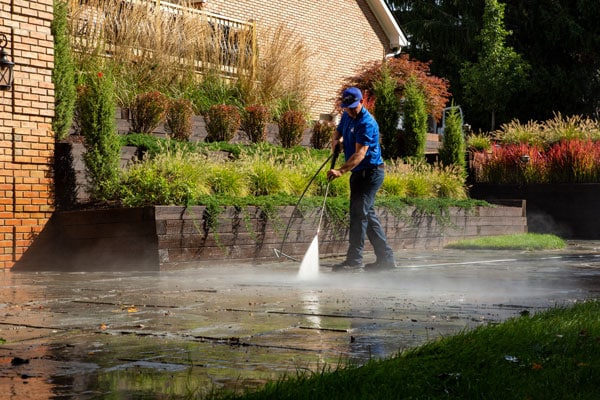
How to Pressure Wash Your Brick and Stone Patios

0

One of the most effective ways to keep your brick and stone patios looking their best is by pressure washing them. Pressure washing is a powerful cleaning method that can remove dirt, grime, and other debris from the surface of your patio, leaving it looking fresh and new. However, it’s important to take the necessary safety precautions when pressure washing, as the high pressure of the water can be dangerous if not used correctly. By following the steps outlined in this guide, you can pressure wash your brick and stone patios safely and effectively, so you can enjoy a beautiful outdoor space all year round.

Pressure washing your brick and stone patios is a great way to keep them looking their best, but it can be a bit intimidating if you’ve never done it before. In this guide, we’ll walk you through the steps you need to take to pressure wash your patio safely and effectively, so you can enjoy a beautiful, clean outdoor space.

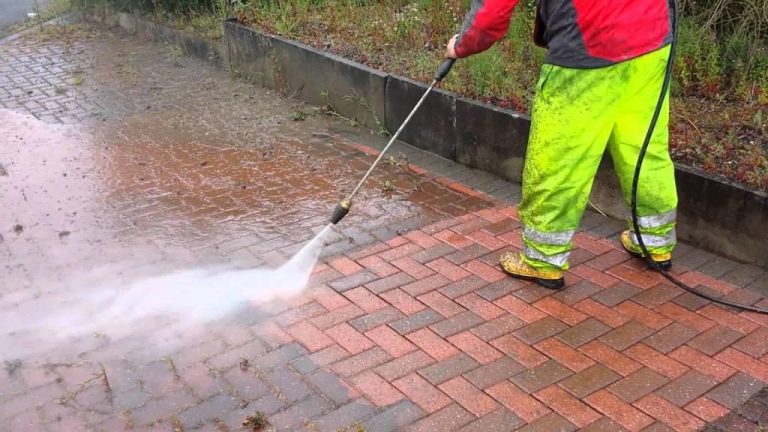
Professional Brick & Stone Power Washing Services Near You

Contents

Step 1: Gather your supplies

Before you begin pressure washing your patio, you’ll need to gather the necessary supplies. You’ll need a pressure washer, a garden hose, a stiff-bristled broom, a bucket, and a cleaning solution. We recommend using a solution specifically designed for pressure washing, as this will help to ensure that you get the best results possible.

Step 2: Prep your patio

Before you start pressure washing your patio, you’ll need to prepare the area. Begin by removing any furniture, plants, or other items from your patio. Next, sweep the surface of your patio with a stiff-bristled broom to remove any loose debris or dirt. If you have any stains or discolorations on your patio, you may need to pretreat these areas with a stain remover before pressure washing.

Step 3: Set up your pressure washer

Once you’ve prepared your patio, it’s time to set up your pressure washer. First, attach the garden hose to the pressure washer and turn on the water supply. Next, add your cleaning solution to the pressure washer’s detergent tank. Finally, attach the appropriate nozzle to the end of your pressure washer wand. For most patios, a 25-degree nozzle will provide the best results.

Step 4: Start pressure washing

Now it’s time to start pressure washing your patio. Begin by standing a few feet away from the surface of your patio and holding the pressure washer wand at a 45-degree angle. Move the wand in a sweeping motion back and forth over the surface of your patio, being careful not to get too close to the surface. As you work, be sure to rinse the surface of your patio frequently with a garden hose to prevent the cleaning solution from drying on the surface.

Step 5: Rinse and dry your patio

Once you’ve finished pressure washing your patio, it’s important to rinse the surface thoroughly with a garden hose. This will help to remove any remaining cleaning solution or debris from the surface. Finally, allow your patio to air dry completely before replacing any furniture or other items.

Conclusion

Pressure washing your brick and stone patios is a great way to keep them looking their best, and by following these simple steps, you can do it safely and effectively. Remember to always take the necessary safety precautions when pressure washing, such as wearing appropriate clothing and protective gear, and never point the pressure washer wand at yourself or others. With a little bit of effort, you can enjoy a beautiful, clean patio all year round.

The Benefits of Hot Water Pressure Washing

0

At our company, we believe in the power of hot water pressure washing to transform and revitalize outdoor spaces. Whether it’s a residential property, commercial building, or industrial site, hot water pressure washing offers a range of benefits that go beyond just a clean surface. Seeking professional roof cleaning services? Discover the finest options available with Roof Cleaning Near Me and ensure your roof receives a thorough and impeccable cleaning.

Keeping a clean environment is a top priority for many homeowners, business owners, and property managers. While there are many ways to achieve a clean property, hot water pressure washing is one of the most effective methods. In this article, we will discuss the numerous benefits of hot water pressure washing and how it can improve the overall appearance and hygiene of your property. Looking for professional house washing services in your area? Look no further than House Washing Near Me for comprehensive and reliable cleaning solutions that will leave your home looking fresh and vibrant.

Contents

Here are just a few of the benefits of hot water pressure washing:

  1. Superior Cleaning Power

Hot water pressure washing is a highly effective cleaning method that can remove dirt, grime, stains, and other buildup that can be difficult to remove with other cleaning methods. The combination of hot water and high pressure makes it easier to break down and remove dirt and grime, leaving surfaces looking clean and refreshed. 

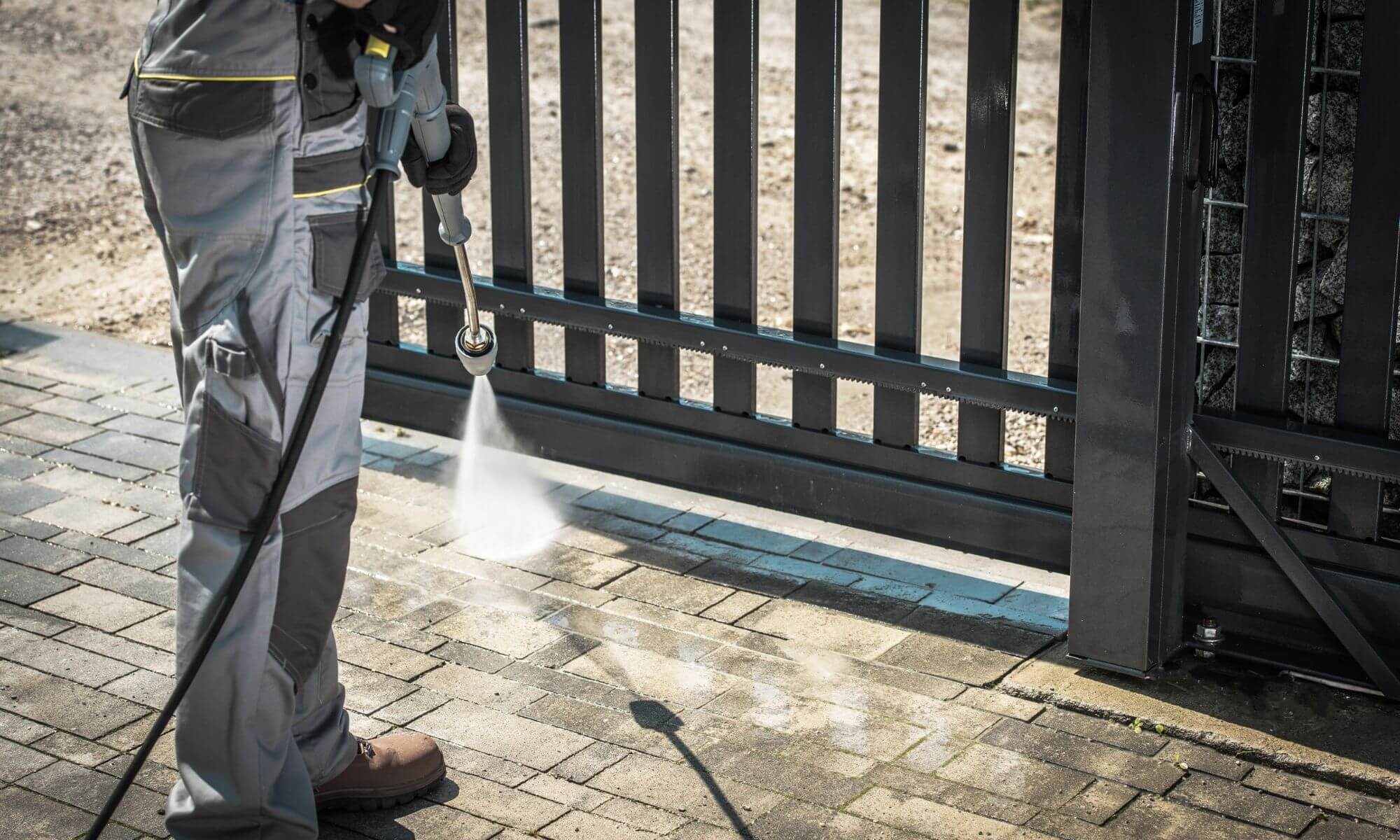
Pressure Washer Buying Guide | Consumer Reports - YouTube

  1. Faster and More Efficient Cleaning

Hot water pressure washing can be a much faster and more efficient cleaning method than other cleaning methods. The high pressure and heat of the water can help clean surfaces more quickly, which means less time spent cleaning and more time enjoying a clean and refreshed outdoor space. Experts have years of experience in pressure washing near me several types of surfaces safely and effectively, with expert techniques that are sure to keep your property free from damage.

  1. Environmentally Friendly Cleaning

Hot water pressure washing can be an environmentally friendly cleaning method when used correctly. Unlike other cleaning methods that rely on harsh chemicals, hot water pressure washing relies on the power of heat and pressure to clean surfaces. This means fewer harmful chemicals are released into the environment, making it a safer and more sustainable cleaning option. The team at Power Wash is thoroughly trained and has years of experience in cleaning with many different power washing near me with machines.

  1. Enhances Safety

Dirty and slippery surfaces can pose a safety hazard, especially in high-traffic areas. Hot water pressure washing can help remove dirt and grime from surfaces, reducing the risk of slips and falls. This makes it an excellent option for cleaning sidewalks, parking lots, and other high-traffic areas.

  1. Versatile Cleaning

Hot water pressure washing is a versatile cleaning method that can be used on a variety of surfaces, including concrete, brick, stone, and even wood. This makes it an ideal cleaning method for a range of outdoor surfaces, including driveways, patios, sidewalks, and more.

  1. Improved Property Value

Hot water pressure washing can help improve the overall value of a property by removing built-up dirt, grime, and other unsightly buildup. This can give the property a fresh and clean look, making it more appealing to potential buyers or renters.

  1. Healthier Outdoor Environment

Hot water pressure washing can help remove harmful bacteria, mold, and other allergens from outdoor surfaces. This can lead to a healthier outdoor environment, especially for those with allergies or respiratory issues.

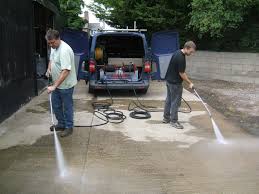
At our company, we specialize in hot water pressure washing services for residential, commercial, and industrial properties. Our experienced team uses state-of-the-art equipment and techniques to ensure a deep and thorough clean of all surfaces. We take pride in our ability to deliver superior cleaning results and customer satisfaction.

If you’re interested in learning more about the benefits of hot water pressure washing or would like to schedule a service, please contact us today. We would be happy to answer any questions you may have and provide you with a quote for our services.

Pressure Washing Your Pool Deck: A Quick and Easy Clean

0

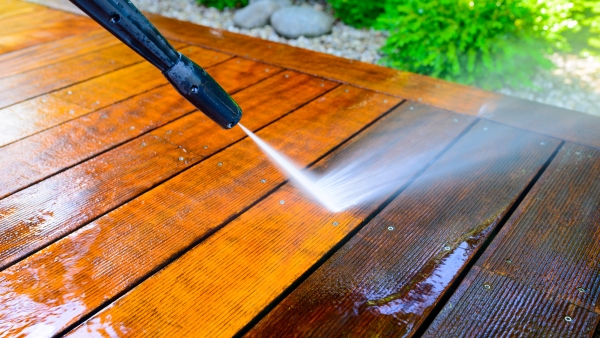
We understand the importance of maintaining a clean and safe pool deck. Over time, pool decks can accumulate dirt, grime, and algae, creating a slippery and hazardous environment. That’s why we recommend pressure washing your pool deck regularly to ensure it stays looking its best and remains safe for you and your loved ones.

In this article, we’ll provide you with a comprehensive guide on pressure washing your pool deck. We’ll cover everything from the equipment you’ll need to the proper technique for achieving a deep and thorough clean. By following our step-by-step guide, you’ll be able to keep your pool deck looking its best for years to come.

Pressure Washing

Contents

Choosing the Right Equipment

Before you begin pressure washing your pool deck, you’ll need to gather the necessary equipment. The most important tool you’ll need is a pressure washer. When selecting a pressure washer, look for one with a pressure rating of at least 2000 PSI (pounds per square inch) and a flow rate of at least 2.5 GPM (gallons per minute). This will provide you with the power and speed you need to blast away dirt, grime, and algae.

In addition to a pressure washing, you’ll also need a few other tools, including a garden hose, a scrub brush, and a cleaning solution. When it comes to cleaning, we recommend using a mixture of bleach and water in a ratio of 1:4. This solution is powerful enough to kill bacteria and algae, but gentle enough to use on most types of pool deck materials.

Preparing Your Pool Deck

Before you start pressure washing, you’ll need to prepare your pool deck. Begin by removing any furniture, toys, or other items from the deck. This will give you plenty of room to work and ensure that everything on the deck is thoroughly cleaned.

Next, use a broom or leaf blower to remove any loose dirt, leaves, or other debris from the deck. This will make it easier to see any areas that require extra attention during the pressure washing process.

Applying the Cleaning Solution

Now it’s time to apply the cleaning solution. Start by filling your pressure washer’s detergent tank with the bleach and water mixture. Then, attach the low-pressure soap nozzle to the wand and apply the solution to the entire pool deck.

Be sure to cover every inch of the deck, paying extra attention to any areas with visible dirt or algae. Once you’ve applied the solution, let it sit for about 10 minutes to allow the bleach to work its magic.

Pressure Washing Your Pool Deck

After the cleaning solution has had time to work, it’s time to start pressure washing. Attach the high-pressure nozzle to the wand and begin working your way across the deck. Use a sweeping motion, holding the wand about 6-12 inches away from the surface of the deck.

Be sure to work in small sections, moving slowly and methodically to ensure that every inch of the deck is thoroughly cleaned. If you encounter any stubborn dirt or stains, use a scrub brush to help loosen them up before pressure washing again.

Rinsing Your Pool Deck

Once you’ve pressure washing the entire pool deck, it’s time to rinse away any remaining dirt, grime, or cleaning solution. Switch back to the low-pressure soap nozzle and rinse the deck thoroughly with clean water.

Be sure to rinse every inch of the deck, paying extra attention to any areas where the cleaning solution may have pooled or concentrated. It’s important to rinse thoroughly to ensure that all traces of cleaning solution are removed from the deck.

Pressure Washing for Mold and Mildew Removal

2

Pressure washing is one of the most effective ways to clean outdoor surfaces. However, it’s not just about blasting away dirt and grime. Mold and mildew can quickly take hold on surfaces like siding, decks, and sidewalks, making them not only unsightly but also hazardous to your health. In this article, we’ll take a closer look at pressure washing for mold and mildew removal and share our expertise on how to effectively clean your outdoor spaces.

Contents

What is Mold and Mildew?

Mold and mildew are types of fungi that grow in damp environments. They can appear as black, brown, or green spots and can quickly spread if left unchecked. Not only are they unsightly, but they can also cause health issues, especially for people with allergies or respiratory problems.

Pressure Washing

Why Pressure Washing is Effective for Mold and Mildew Removal

Pressure washing is a highly effective method for removing mold and mildew from outdoor surfaces. The high-pressure water stream can blast away the fungus, leaving your surfaces looking clean and refreshed. Pressure washing also removes any dirt or grime buildup that may be contributing to the growth of mold and mildew. It’s important to note, however, that pressure washing should only be done by professionals who are experienced in working with high-pressure equipment.

Steps for Effective Pressure Washing for Mold and Mildew Removal

Step 1: Identify the Affected Areas

The first step in pressure washing for mold and mildew removal is to identify the areas that are affected. Check your siding, deck, patio, and any other outdoor surfaces for signs of mold or mildew growth. You may notice dark spots, discoloration, or a musty odor.

Step 2: Prepare the Area

Before pressure washing, it’s important to prepare the area properly. Cover any delicate plants or outdoor furniture that may be damaged by the high-pressure water stream. Use a detergent specially formulated for mold and mildew removal to pre-treat the affected areas. This will help loosen the fungus and make it easier to remove.

Step 3: Use Proper Equipment

As mentioned earlier, pressure washing should only be done by professionals who have experience working with high-pressure equipment. They will have the proper tools and techniques to safely and effectively remove mold and mildew from your outdoor surfaces. A professional pressure washing company will also be able to assess the type of surface being cleaned and adjust the pressure and detergent accordingly.

Step 4: Clean and Rinse

Once the area has been properly prepared and the equipment is ready, it’s time to clean and rinse. Work in sections, starting from the top and working your way down. This will prevent dirty water from dripping down onto areas that have already been cleaned. Use a gentle, sweeping motion to remove the mold and mildew, being careful not to damage the surface. Rinse thoroughly with clean water to remove any remaining detergent or debris.

Step 5: Maintenance

Regular maintenance is key to preventing mold and mildew growth on your outdoor surfaces. Keep your outdoor spaces clean and dry, and address any water damage or leaks promptly. Trim back any vegetation that may be providing shade or holding moisture against the surface. A professional pressure washing company can also provide routine maintenance to keep your outdoor surfaces looking their best.

Conclusion

Pressure washing for mold and mildew removal is an effective way to keep your outdoor surfaces looking clean and healthy. By following the steps outlined in this article, you can safely and effectively remove mold and mildew from your outdoor spaces. Remember to always use caution when working with high-pressure equipment, and to seek the help of a professional pressure washing company when necessary. With proper maintenance, your outdoor spaces can remain mold and mildew-free for years to come.

Pressure Washing Safety: Precautions and Best Practices

0

Pressure washing is a popular method used for cleaning a variety of outdoor surfaces. Whether it’s your home’s siding, deck, or driveway, pressure washing can help remove dirt, grime, and other unsightly stains. However, while pressure washing is an effective cleaning method, it can also be dangerous if proper precautions are not taken.

In this article, we will discuss pressure washing safety, including the necessary precautions and best practices to follow. By following these guidelines, you can ensure that your pressure washing experience is not only effective but also safe.

Contents

Precautions for Pressure Washing Safety

Before beginning any pressure washing project, it’s important to take the necessary precautions to avoid any accidents or injuries. Here are some of the most important precautions to keep in mind:

Wear Protective Gear

When pressure washing, you will be working with high-pressure water, which can cause serious injuries if it comes into contact with your skin or eyes. It’s important to wear protective gear, including goggles, gloves, and non-slip shoes.

Pressure Washing Safety

Familiarize Yourself with the Equipment

Before using a pressure washer, it’s important to read the user manual and familiarize yourself with the equipment. This includes understanding the different nozzles, settings, and pressure levels. Using the wrong setting or nozzle can result in damage to the surface you are cleaning, or worse, injury to yourself or others.

Use Proper Technique

When pressure washing, it’s important to use proper technique to avoid injury or damage to the surface. This includes holding the nozzle at a safe distance from the surface, working in a consistent pattern, and avoiding directing the water stream towards electrical components or other hazards.

Avoid Working at Heights

Pressure washing at heights can be dangerous, especially if you are working on a ladder or on a sloping surface. It’s best to avoid working at heights whenever possible, or hire a professional to handle the job.

Best Practices for Pressure Washing Safety

In addition to taking the necessary precautions, there are also best practices to follow to ensure that your pressure washing project is both effective and safe. Here are some of the best practices to keep in mind:

Start with Low Pressure

When beginning a pressure washing project, it’s best to start with low pressure and gradually increase as needed. Starting with high pressure can cause damage to the surface, especially if it is fragile or has loose components.

Use the Right Cleaning Solution

In some cases, using a cleaning solution can help loosen dirt and grime, making it easier to remove with a pressure washer. However, it’s important to use the right cleaning solution for the job, as using the wrong one can damage the surface.

Test the Surface First

Before pressure washing, it’s important to test the surface first to ensure that the pressure and cleaning solution won’t cause damage. This can be done by applying a small amount of pressure to a small, inconspicuous area of the surface and observing the results.

Protect Nearby Objects

When pressure washing, it’s important to protect nearby objects, such as plants or outdoor furniture, from the high-pressure water. This can be done by covering the objects with plastic or cloth tarps.

Conclusion

Pressure washing can be an effective method for cleaning a variety of outdoor surfaces. However, it’s important to take the necessary precautions and follow best practices to ensure that your pressure washing project is not only effective but also safe. By wearing protective gear, familiarizing yourself with the equipment, using proper technique, and following best practices, you can enjoy a clean, beautiful outdoor space without putting yourself or others at risk.

How to Save Money on Pressure Washing Costs

0

If you’re a homeowner looking to save money on property maintenance costs, pressure washing is a great place to start. While it’s important to keep your property clean, hiring a professional pressure washing service can sometimes be expensive. That’s why we’ve compiled a list of tips to help you save money on pressure washing costs, including do-it-yourself options, renting a pressure washer, getting multiple quotes, scheduling off-season, combining services, and regular maintenance. 

We understand that maintaining the appearance of your property is important, and that includes keeping it clean. However, hiring a professional pressure washing service can sometimes be expensive. That’s why we’ve compiled a list of tips to help you save money on pressure washing costs, so you can keep your property looking great without breaking the bank.

2023 Pressure Washing Prices | Cost to Power Wash a House

Contents

Do it Yourself

While pressure washing can be dangerous if not done properly, there are some surfaces that are safe for homeowners to clean on their own. For example, sidewalks, driveways, and patios can typically be pressure washed safely without the need for a professional. Investing in a good quality pressure washer can be a great investment for homeowners who want to take care of their property themselves and save money in the long run.

Rent a Pressure Washer

If you only need to pressure wash your property once or twice a year, it might not be cost-effective to purchase a pressure washer. In that case, renting a pressure washer can be a great option. Most home improvement stores rent out pressure washers by the day or weekend, so you can get the job done without spending a lot of money.

Get Multiple Quotes

If you do need to hire a professional pressure washing service, it’s important to get multiple quotes before making a decision. Prices can vary widely between companies, so taking the time to compare prices can save you a significant amount of money. Additionally, make sure to ask about any discounts or promotions that the company may be offering.

Schedule Off-Season

Pressure washing services are typically in high demand during the spring and summer months, which can drive up prices. Scheduling your pressure washing during the off-season can save you money, as companies may be more willing to offer discounts during slower times of the year.

Combine Services

Many pressure washing companies offer other services, such as gutter cleaning, window washing, or landscaping. Bundling these services together can often result in a discount. Plus, it’s more convenient to have multiple services done at once, rather than scheduling them separately.

Regular Maintenance

Regularly maintaining your property can prevent the need for extensive pressure washing in the future. For example, keeping your gutters clean can prevent buildup that can lead to staining on your home’s exterior. Additionally, trimming trees and bushes away from your home can prevent organic material from accumulating on your property, reducing the need for pressure washing.

By following these tips, you can save money on pressure washing costs and keep your property looking great. However, it’s important to keep in mind that some surfaces may be too dangerous to clean on your own, and may require a professional. Always prioritize safety and follow all manufacturer’s instructions when using a pressure washer.

we’re committed to helping our customers save money on their property maintenance costs. For more information on our pressure washing services or other property maintenance services, contact us today.