

Thursday, March 19, 2026
Home Blog Page 98

A Comprehensive Guide to Choosing an Emergency Well Water Pump

0

Access to clean and safe water is a fundamental necessity for any homeowner, especially during emergency situations. When your home’s primary water source fails or is unavailable, an emergency well water pump is an essential tool to keep your household running. Choosing the right type of well water pump can be a daunting task given the multitude of options available in the market today. In this comprehensive website, we aim to guide you through the various factors to consider when choosing an emergency well water pump that best suits your needs.

We will first look at the different types of well water pumps available, including hand pumps, submersible pumps, and jet pumps, and the factors that weigh heavily in their suitability for different situations. Next, we will discuss the materials and construction of the pump to ensure its durability and longevity. We will also cover the various technical factors to consider, including motor power, flow rate, and head lift.

Antique Well Pumps | LoveToKnow

Contents

Determine the Reason for Investing in a Water Pump

When considering a well water pump, it is important to determine the reason for investing in one. By understanding the specific needs and requirements, you can narrow down the options and select the most efficient and effective water pump for your situation. For instance, if you live in an area prone to natural disasters such as flooding, hurricanes or tornadoes, you may need an emergency backup water pump to ensure a steady supply of clean water during a crisis. On the other hand, if your well water pump is not functioning optimally and you need a replacement, you may want to consider a durable and high-quality water pump that can provide reliable and consistent water supply over an extended period of time.  By identifying the reason for investing in a water pump, you can select the right type, size, and specifications that meet your specific requirements and ensure long-term satisfaction with your purchase.

Evaluate the Volume of Water Needed

Before selecting an emergency well water pump, it is critical to evaluate the volume of water needed. The volume of water required will depend on the number of people in the household, their daily water needs, and any additional needs like watering a garden or livestock. It is recommended that one gallon of water per person per day is reserved for emergency situations. Therefore, a four-person household would need at least four gallons of water a day during an emergency. It is advisable to take into account any additional water requirements, as well. Evaluating the volume of water needed ensures that the emergency well water pump purchased will provide enough water for all the required uses during an emergency.

Consider the Water Flow Requirements

When choosing an emergency well water pump, it is important to consider the water flow requirements. This refers to the amount of water needed to meet the demands of your household or property. To determine the water flow requirements, you will need to consider factors such as the number of people living in the home, the number of bathrooms and appliances that use water, and the intended use of the well water (e.g. drinking, irrigation, etc.). It is important to choose a pump with a flow rate that can meet these requirements, as insufficient water flow can lead to inadequate water pressure and lack of water supply. On the other hand, a pump with excessive flow may result in unnecessary water waste and higher energy costs. Therefore, it is crucial to carefully assess your water flow requirements to ensure that the emergency well water pump you select can meet the necessary demands efficiently and effectively.

Compare the Different Types of Water Pump Models

When it comes to choosing an emergency well water pump, one of the most important factors you need to consider is the type of pump model that best suits your needs. There are several types of water pump models available, each with its own set of advantages and disadvantages. The four most common types of water pump models are submersible pumps, jet pumps, centrifugal pumps, and hand pumps. Submersible pumps are designed to be submerged in water and offer efficient pumping performance, but may be more expensive than other models. Jet pumps, on the other hand, are typically less expensive and can be used for both shallow and deep well applications. Centrifugal pumps are ideal for high flow rates, but may not be as effective at pulling water from deep wells. Finally, hand pumps are a reliable backup option that can be used in emergencies, but typically require manual pumping and may not be suitable for large volume pumping needs. By comparing the different types of water pump models, you can select the right one for your specific needs and ensure you have access to emergency well water when you need it most.

Research the Pump’s Warranty and Features

When assessing your options for an emergency well water pump, it’s crucial to pay attention to the warranty and features of the pump. These factors can determine the reliability, durability, and functionality of the pump, and ultimately its ability to serve its purpose during an emergency situation. Before making any purchases, research the pump’s warranty and features, including the specifications of the motor, the type of materials used to construct the pump, and any additional features or accessories. A quality warranty should cover manufacturing defects, damage caused by normal use, and parts and labor costs for repairs or replacements. Features to look for include a strong and corrosion-resistant construction, an automatic shut off feature to prevent overheating and burnout, and the ability to handle both shallow and deep well settings. Taking these factors into consideration will ensure that you make an informed decision when selecting an emergency well water pump.

Conclusion

Choosing an emergency well water pump is crucial to ensure you have access to clean and safe water in times of need. By understanding the key factors to consider, such as size, horsepower, and durability, you can make an informed decision that meets your unique needs. Remember to also consider the warranty, installation process, and maintenance requirements for your chosen pump to ensure its functionality for years to come. With the right well water pump, you can have peace of mind knowing you are prepared for any emergency situations that may arise.


The Benefits of Investing in Project Management Software for Your Construction Business.

3

Managing a construction project is a challenging task that requires coordination and collaboration between multiple stakeholders. From planning to execution, there are numerous moving parts that must be managed effectively to ensure the project’s success. Fortunately, advancements in technology have led to the development of project management software solutions that are specifically designed to help construction companies manage their projects more efficiently. In this article, we will discuss the benefits of investing in project management software for construction.

Contents

What is Project Management Software?

Project management software is a suite of tools designed to help companies manage their projects from start to finish. These tools include project planning, scheduling, resource management, budgeting, and reporting, among others. The primary goal of project management software is to improve efficiency and productivity by providing real-time data, automating repetitive tasks, and streamlining workflows.

Project Management Skills: These 6 Skills are Essential

Benefits of Investing in Project Management Software

Improved Collaboration and Communication

One of the most significant benefits of project management software is improved collaboration and communication between team members and stakeholders. Project management software provides real-time data on project progress and status, making it easier for team members to identify potential issues early and take proactive steps to address them. Additionally, project management software allows team members to communicate more effectively, ensuring that everyone is on the same page and working towards the same goals.

Streamlined Workflows

Project management software can help streamline workflows by automating repetitive tasks and providing real-time data on project progress and resource allocation. By optimizing workflows, project management software can reduce the risk of errors and delays, ensuring that projects are completed on time and within budget.

Improved Resource Allocation

Project management software provides real-time data on resource availability and usage, allowing construction companies to make more informed decisions about how to allocate their resources. By optimizing resource allocation, project management software can reduce waste and improve efficiency, ensuring that projects are completed on time and within budget.

Enhanced Risk Management

Construction projects are inherently risky, and project management software can help construction companies manage those risks more effectively. By providing real-time data on project status, project management software allows construction companies to identify potential risks early and take proactive steps to mitigate them. Additionally, project management software provides detailed reports on project status, budget, and resource allocation, making it easier to communicate with stakeholders and make strategic decisions.

Increased Efficiency and Productivity

Project management software can help construction companies increase their efficiency and productivity by automating repetitive tasks and streamlining workflows. This frees up time for team members to focus on more critical tasks, ensuring that projects stay on schedule and within budget.

Better Project Tracking and Reporting

Project management software provides real-time data on project progress, allowing construction companies to track project milestones and make informed decisions. Additionally, project management software provides detailed reports on project status, budget, and resource allocation, making it easier to communicate with stakeholders and make strategic decisions.

Improved Client Satisfaction

By improving efficiency and productivity, project management software can help construction companies deliver projects on time and within budget, enhancing client satisfaction. Additionally, project management software allows construction companies to communicate more effectively with clients, ensuring that their needs and expectations are met.

How Project Management Software Improves Efficiency and Productivity

Automation of Repetitive Tasks

One of the most significant benefits of project management software is the automation of repetitive tasks. Many construction projects involve numerous repetitive tasks that can be time-consuming and tedious, such as data entry or scheduling. By automating these tasks, project management software can free up time for team members to focus on more critical tasks, improving efficiency and productivity.

Information About Software HUBs

0

SoftwareHUBS is a new platform allowing software inventors and businesses to snappily and fluently partake in law and operation.

The platform makes it easy for a different corridor of the development process to be integrated, from design to testing and deployment. It means that inventors can work on multiple systems at the same time without having to switch between different tools and platforms constantly.

SoftwareHUBS also offers colorful other features, similar to versioning and collaboration.

What are SoftwareHUBS?

SoftwareHUBS are a new strain of pall-grounded software delivery capitals that enable associations to snappily and efficiently deliver software operations to their druggies.

SoftwareHUBS provides a practical and secure means for inventors to distribute and emplace operations with minimum trouble. The platform gives druggies a single point of access to a wide range of operation coffers, including law depositories, operation waitpeople, and databases. 

Web and Mobile App Development Company

SoftwareHub’s primary thing as an innovative Web and Mobile app development company is to produce exceptional client results and inconceivable apps to master complex issues.

High-position web APP development and data robotization are our specialties. We also develop mobile operations, image processing, and artificial intelligence for companies. 

Services that give SoftwareHUBS

Softwarehub is known for its grit in IT service results, supplying services for both mobile and web apps and furnishing unequaled software support. We exceed your prospects with each commerce you’ve got with us.

client exposure and workflow operation separate us as a commanding IT agency.

Software capitals give the following services

  • Web App development
  • Mobile App Development
  • Data operation & development

Web Apps Development Services

Creating a solid online presence makes your business more successful since you can draw in consumers and promote your services without having an Internet presence. Presently, further people are trying to attract guests with their online presence rather than having Delapazine droit, so you do not have as many openings to promote your wares and services when the point is absent.

Getting to the consequential question of how to make a dependable website that will allure guests’ interest now becomes pivotal. SoftwareHub is then to prop you with our software operation development services to make and develop a customized point that will really and vibrantly punctuate the theme and nature of your business.

Conclusion

In conclusion, software capitals can be an effective way to promote invention, collaboration, and creativity. Software capitals can help businesses achieve their pretensions more quickly and efficiently by furnishing access to a large pool of talented inventors. As the assiduity continues to evolve, businesses need access to the most delinquent and excellent tools and technologies. Businesses can use a software mecca to find the coffers to stay ahead of the competition.

The Future of Commercial Construction: Advancements in Technology and Sustainability

0

As technology advances and concerns for sustainability grow, the future of commercial construction is looking bright. With new and innovative techniques emerging, commercial construction is becoming more efficient, cost-effective, and environmentally friendly. In this article, we will explore the latest advancements in technology and sustainability that are shaping the future of commercial construction.

Contents

Efficient Building Designs

The design phase of a construction project is critical for creating a building that is efficient and sustainable. With the help of new technology, architects and engineers can create detailed 3D models of a building before construction begins. This allows them to identify potential problems and make necessary changes before construction even starts. Additionally, virtual reality tools can provide a more immersive experience for clients, allowing them to visualize the final product before construction begins.

Sustainable Building Materials

Sustainable building materials are becoming increasingly popular in the construction industry. These materials are made from renewable resources and have a lower environmental impact than traditional building materials. For example, bamboo is a sustainable alternative to hardwood that is fast-growing and can be harvested without harming the environment. Recycled materials like reclaimed wood and steel are also popular choices for sustainable construction projects.

How to Maintain Quality in Commercial Construction Projects | Modern Contractor Solutions

Smart Building Systems

Smart building systems are another exciting development in the world of commercial construction. These systems use sensors and automation to improve energy efficiency and reduce waste. For example, a smart lighting system can adjust lighting levels based on the amount of natural light in a room, reducing energy usage and costs. Additionally, smart HVAC systems can adjust heating and cooling based on occupancy levels, improving comfort and reducing energy usage.

Green Roofs

Green roofs are becoming more popular in commercial construction projects. These roofs are covered with vegetation and provide a number of benefits, including improved air quality, reduced storm water runoff, and increased energy efficiency. Green roofs also provide a natural habitat for birds and other wildlife, helping to promote biodiversity in urban areas.

Renewable Energy

Renewable energy sources like solar and wind power are becoming more affordable and accessible, making them a popular choice for commercial construction projects. Solar panels can be installed on rooftops or integrated into the building’s design, providing a source of clean, renewable energy. Additionally, wind turbines can be installed on site to generate power, reducing reliance on traditional energy sources.

Modular Construction

Modular construction is another innovative development in the world of commercial construction. This technique involves building individual components off-site and then assembling them on-site. This can greatly reduce construction time and waste, as well as improve the quality of the final product. Additionally, modular construction can be used to create temporary or permanent structures, making it a versatile option for a variety of commercial construction projects.

Conclusion

The future of commercial construction is exciting, with advancements in technology and sustainability shaping the industry in new and innovative ways. Efficient building designs, sustainable building materials, smart building systems, green roofs, renewable energy, and modular construction are just a few of the advancements that are changing the way we approach commercial construction projects. As these technologies continue to develop, we can expect to see even more efficient, cost-effective, and environmentally friendly construction projects in the future.

SEO Domain Names and Go Daddy Comparison

12

Over ten years in the industry have made SEO Domain Names a domain name marketplace known for supplying high-quality SEO domains. They offer a large inventory of high-quality SEO domain names. All domains are manually vetted for quality and power to guarantee only the best to our clients. They can simplify your search here by sorting domains by category.

SEO Domain

They provide domains with clean backlinks history . They also mentioned the Domain overview, Domain Rating , Reference Domain , Trust Flow ,Citation flow , Age , Language ,Niche in our Domain inventory . They provide you the domain at affordable prices.

SEO Domain Names have a wide range of domains. The SEODN Domain Inventory provides a filtering option where you can select a niche related to your domain. It displays your domain with all its relevant Details.

SEO Domain Names has a wide variety of domain categories that you can explore.

  • Blockchain and cryptocurrency                                 Marketing
  • Design                                                                   Gaming
  • Education                                                               Beauty
  • Outdoors                                                                Educational
  • Blockchain and Cryptocurrency                                 Entertainment
  • Finance                                                                  Health
  • Hair and Beauty                                                      Cameras
  • Digital marketing                                                    Fashion 
  • Medical                                                                  Pet and animal care
  • Lifestyle                                                                 Outdoors.
  • Photography                                                           Books and fiction and many more.                                                                  

Contents

GO Daddy :-

Go daddy is the one of the largest services platforms for entrepreneurs, GoDaddy provides customers with website-building tools, online marketing services, email, and productivity tools. A domain name is the address for accessing a website on the Internet. 

Customers can register domain names with them. Customers can also host their websites on GoDaddy’s servers, which allows them to manage and update their websites.

Go Daddy

Overview

Providing high-quality SEO domains for over ten years has made SEO Domain Names a leading domain name marketplace whereas GoDaddy was founded in 1997. As of 2023, it is 26 years old.

Comparison of Godaddy Auctions and SEODN Marketplace

SEODN and Godaddy auctions are compared based on the following components:

Godaddy Auctions

Domain Quality

SEODN provides domains with clean, high-quality backlink histories. SEODN provides you domain filtration with all the metrics that are Domain overview , Domain Rating, Reference domain  , Age , Language , Trust flow and Citation flow and  domain category where as In Go daddy you have to do check manually Domain reference , Reference domain , age , Language , Citation flow and trust flow and backlinks . 

Customer Support Services

SEODN provides you 24 hrs by  seven customer services. The SEO Domain Names team provides our clients with satisfactory services regarding the domain while purchasing and  provides complete information regarding the domain . Moreover Go daddy does not provide any customer support service 24 hrs by seven . Customers have to wait for the team to revert back ..

Smooth Ownership Transfer

A significant advantage of SEODN is that they offer a smooth domain ownership transfer, unlike GoDaddy. In contrast to GoDaddy, SEODN takes seven to 15 days for a smooth transfer of domain ownership as it takes the company a long time to complete the transfer

Penalty domain

GoDaddy serves plenty of penalized domains and those that are bounded by Google for legitimate reasons as opposed to SEODN serving penalty domains or those that are bounded by Google for legitimate reasons. SEODN experts check each quality domain themselves.

RigorousDue Diligence

Each domain that gets added to SEODN goes through a unique due diligence process. This mechanism is meant to make sure that every SEODN domain means business: has clear history, multiple quality backlinks, and high SEO value that lead to pretty much instant results in terms of organic traffic and sales.

Commission

Go daddy takes commission for Domain vetting process as SEODN never takes any commission  unlike Go daddy . In SEODN you can sell domains without any commission . SEODN  also recognized for  domain vetting process .You can also sell domains at SEO Domain Names. SEODN is the safest marketplace as compared to the GO daddy.

Conclusion

This article makes the suggestion that purchasing an expired domain from an auction platform carries a higher risk of failure and could leave you with a low-quality or penalized domain that is unfit to rank on Google. 

Advantages of Renting a Car for Your Next Vacation

2

Renting a car for your next vacation can provide numerous benefits compared to using public transportation or relying on ridesharing services. Whether you are traveling domestically or internationally, renting a car can offer greater flexibility, comfort, and cost savings. In this article, we will explore the advantages of renting a car for your next vacation.

Contents

Flexibility and Convenience

One of the main advantages of renting a car is the flexibility and convenience it offers. With a rental car, you can come and go as you please, without worrying about scheduling conflicts or the availability of public transportation. You have the freedom to explore your destination at your own pace, whether you want to stick to a specific itinerary or go off the beaten path. Additionally, a rental car can provide greater comfort compared to public transportation, especially if you are traveling with a large group or have a lot of luggage.

do you need your own insurance to rent a car for Sale OFF 77%

Lower Cost

Renting a car can often be more cost-effective than using public transportation or ridesharing services, especially for longer trips. While the upfront cost of renting a car may seem high, when you factor in the cost of transportation for the entire trip, the overall cost may be less. This is especially true if you are traveling with a group and can split the cost of the rental car among multiple people. Furthermore, when you rent a car, you have access to a vehicle for the entire trip, so you don’t have to pay for separate ridesharing or public transportation fees for each excursion or outing.

Avoid Crowds and Save Time

Another advantage of renting a car is that it can help you avoid crowds and save time. During peak travel seasons, public transportation can become overcrowded, making it difficult and time-consuming to get around. With a rental car, you can bypass busy areas and reach your destination more quickly. Additionally, you won’t have to wait in long lines for taxis or ridesharing services, or deal with the hassle of carrying your luggage on public transportation.

Discover Hidden Gems

By renting a car for your vacation, you have the opportunity to discover hidden gems that you may not have known about otherwise. With the freedom to explore on your own, you can take roads less traveled and find unique and interesting sights and experiences that are off the beaten path. Additionally, if you are traveling to a remote location or rural area, renting a car can provide you with the transportation you need to fully experience the local culture and landscape.

Eco-Friendly Option

Finally, renting a car can also be an eco-friendly option for your vacation. Many car rental companies offer fuel-efficient vehicles that are designed to minimize their carbon footprint. By choosing a fuel-efficient vehicle, you can reduce your carbon emissions and contribute to a more sustainable future. Additionally, if you are traveling to a location that is not well-served by public transportation, renting a car can help you reduce the carbon emissions associated with air travel.

Conclusion

Renting a car for your next vacation can offer numerous advantages over using public transportation or ridesharing services. From greater flexibility and convenience to cost savings and eco-friendliness, renting a car can provide a convenient and enjoyable way to explore your destination. Whether you are traveling domestically or internationally, be sure to consider the benefits of renting a car for your next vacation.

Impact of Electric Vehicles on the Energy Industry and Grid

0

The rise of electric vehicles (EVs) has the potential to significantly impact the energy industry and grid. With more and more people choosing to switch from traditional gasoline-powered vehicles to EVs, the demand for electricity is expected to rise. This increase in demand will have far-reaching effects on the energy industry, from the generation of electricity to its distribution, and could have significant implications for the power grid.

One of the most significant impacts of EVs on the energy industry is the effect they will have on electricity generation. As the number of EVs grows, so too will the demand for electricity to power them. This increase in demand will likely drive the growth of renewable energy sources, such as wind and solar power, which are already growing rapidly. By replacing traditional gasoline-powered vehicles, EVs will help to reduce greenhouse gas emissions and decrease the amount of pollutants in the air, further contributing to the growth of renewable energy sources.

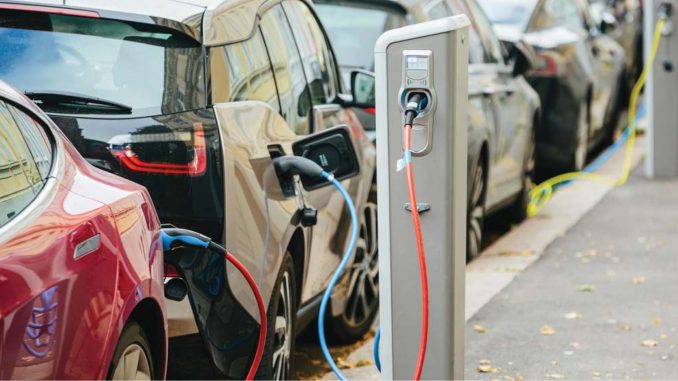
Electric Vehicles
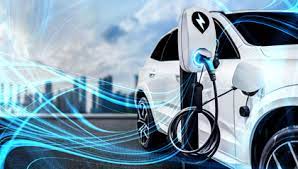
Electric Vehicles

In addition to the impact on electricity generation, EVs will also have an impact on the distribution of electricity. As the demand for electricity grows, the power grid will need to be updated and improved to accommodate this increase. This will likely require the construction of new transmission lines, substations, and distribution systems, which will be expensive and time-consuming. The impact of this investment in the grid will be felt throughout the energy industry, as companies will need to invest in new technology and infrastructure to keep pace with the growing demand for electricity.

Another important impact of EVs on the energy industry is the effect they will have on electricity pricing. As the demand for electricity grows, so too will the price of electricity. This increase in price could potentially make it more difficult for some people to afford to charge their EVs, especially those who live in areas with high electricity prices. It will also likely result in higher electricity bills for businesses and homeowners, which will have an impact on the overall economy.

The impact of EVs on the energy industry is not limited to just the electricity sector. The growth of EVs will also have an impact on the oil and gas industry, as EVs will likely displace the demand for gasoline and diesel. As a result, oil and gas companies will need to find new ways to monetize their existing assets, such as developing new products and services, or investing in alternative energy sources.

The rise of EVs will also have an impact on the automobile industry. As more people switch to EVs, traditional automakers will need to pivot their focus and invest in new technology and infrastructure to stay competitive in this rapidly evolving market. Automakers will also need to invest in the development of charging infrastructure to support the growth of EVs. This investment will likely include the construction of new charging stations, as well as the development of new charging technologies, such as fast charging and wireless charging.

Conclusion

The impact of EVs on the energy industry and grid is likely to be significant. From the generation of electricity to its distribution and pricing, the growth of EVs will have far-reaching effects on the energy industry. The rise of EVs will also have an impact on the oil and gas industry, the automobile industry, and the overall economy. As the demand for EVs continues to grow, it is important for companies and governments to invest in the technology and infrastructure necessary to accommodate this growth and ensure a smooth transition to a more sustainable energy future.

The Benefits of Regular Car Maintenance: From Better Performance to Increased Safety

1

Regular car maintenance is an essential aspect of vehicle ownership that is often overlooked by many drivers. Regular car maintenance can offer a range of benefits, from improved performance and fuel efficiency to increased safety and longevity of the vehicle. This article will explore the numerous advantages of regular car maintenance and why it is crucial to invest in keeping your car in good condition.

Contents

Better Performance

One of the most significant benefits of regular car maintenance is improved performance. Regular maintenance checks can help to identify and resolve any potential issues before they become major problems, resulting in improved performance. For example, regular oil changes can help to keep the engine lubricated, ensuring it runs smoothly and efficiently, while regular brake maintenance can ensure that your brakes are functioning optimally, providing you with the necessary stopping power when you need it.

Your Car Service Checklist! | The ultimate Car Maintenance checklist |  Carcility

Increased Fuel Efficiency

Another benefit of regular car maintenance is increased fuel efficiency. A well-maintained car will run more efficiently, using less fuel, and this can result in significant savings over time. For example, regular tire pressure checks can help to improve fuel efficiency, as under-inflated tires can increase rolling resistance, resulting in decreased fuel efficiency. Additionally, regular air filter maintenance can help to keep the engine running smoothly, ensuring it doesn’t have to work as hard and use more fuel.

Increased Safety

Regular car maintenance can also have a significant impact on the safety of your vehicle. Regular maintenance checks can help to identify any potential safety issues before they become major problems, such as worn brakes or worn tires. Additionally, regular maintenance can help to ensure that your vehicle’s systems, such as the lights, electrical system, and steering, are functioning properly, providing you with the necessary safety features when you need them.

Longevity of the Vehicle

Regular car maintenance can also help to extend the life of your vehicle. By keeping your car in good condition, you can prevent expensive repairs and replacements down the line. For example, regular oil changes can help to keep the engine lubricated, preventing unnecessary wear and tear, while regular brake maintenance can help to ensure that your brakes are functioning optimally, extending their lifespan.

Cost-Effective

Contrary to popular belief, regular car maintenance can actually be a cost-effective solution in the long run. By investing in regular maintenance checks and repairs, you can prevent expensive repairs and replacements down the line, saving you money in the long run. Additionally, by keeping your car in good condition, you can also maintain its value, making it easier to sell when the time comes.

Improved Resale Value

Regular car maintenance can also have a positive impact on the resale value of your vehicle. A well-maintained car will have a higher resale value, as potential buyers will see that the vehicle has been taken care of and is in good condition. Additionally, regular maintenance can help to keep the car looking its best, making it more attractive to potential buyers.

Conclusion

Regular car maintenance is an essential aspect of vehicle ownership that offers a range of benefits, from improved performance and fuel efficiency to increased safety and longevity of the vehicle. By investing in regular maintenance checks and repairs, you can keep your car in good condition, prevent expensive repairs and replacements, and maintain its value. So, it is crucial to make regular car maintenance a priority, ensuring that you get the most out of your vehicle.

The History of Automotive Technology: A Journey Through Time

0

The history of automotive technology is a fascinating journey through time, tracing the evolution of vehicles and the various innovations that have shaped the industry. From the earliest horse-drawn carts to the latest electric cars, the automotive sector has undergone tremendous change, revolutionizing transportation and transforming the way we live, work and travel.

The early days of automotive technology can be traced back to the late 18th century when steam-powered vehicles were first introduced. However, it was not until the late 19th century that the internal combustion engine was invented, setting the stage for the mass production of automobiles. The first successful gasoline-powered vehicle was created by German inventor Karl Benz in 1885, and soon after, other inventors such as Gottlieb Daimler and Henry Ford began producing their own versions.

Infographic: The History of Automotive Technology - AUTOCRYPT

The early 20th century marked the beginning of the automobile industry, with carmakers springing up in various countries and mass production techniques being developed. The introduction of the assembly line by Henry Ford in 1913 revolutionized the automobile industry, making cars more affordable and accessible to the general public.

During the interwar period, automotive technology continued to evolve, with the introduction of the electric starter, independent suspension, and four-wheel brakes. The 1930s also saw the development of streamlined body designs and the use of chrome and other embellishments on cars, which helped to popularize the automobile and solidify its place as a status symbol.

The post-World War II era was marked by tremendous growth in the automotive industry, with new models and designs being introduced at an unprecedented pace. The 1950s saw the introduction of power steering, air conditioning, and the automatic transmission, making cars easier to drive and more comfortable to ride in. The 1960s and 1970s brought further advancements in automotive technology, such as the development of fuel injection systems and anti-lock brakes.

The oil crisis of the 1970s and early 1980s led to a renewed focus on fuel efficiency and alternative power sources. This led to the development of hybrid and electric vehicles, as well as the increased use of lightweight materials such as aluminum and plastic in car construction.

The late 20th century saw the introduction of electronic technologies, such as onboard computers, GPS navigation systems, and driver-assist features such as traction control and stability control. In the 21st century, the focus has shifted towards developing fully electric and autonomous vehicles, with companies such as Tesla leading the way.

Today, automotive technology continues to advance at a rapid pace, with electric and self-driving vehicles becoming increasingly common. The use of sensors, cameras, and other technologies to enhance safety and improve driving experience is also becoming increasingly widespread.

Conclusion

The history of automotive technology is a rich and fascinating journey through time, tracing the evolution of vehicles and the various innovations that have shaped the industry. From the earliest horse-drawn carts to the latest electric cars, the automotive sector has undergone tremendous change, revolutionizing transportation and transforming the way we live, work and travel. The future of automotive technology is exciting and filled with possibilities, and we can only imagine what new innovations and advancements are yet to come.

The Pros and Cons of Hybrid and Plug-In Hybrid Cars

0

Hybrid and plug-in hybrid cars are becoming increasingly popular as people look for more environmentally friendly ways to get around. Both types of cars have their own pros and cons, and it can be difficult to decide which one is right for you. In this article, we will explore the pros and cons of hybrid and plug-in hybrid cars to help you make an informed decision.

Contents

Pros of Hybrid Cars

  1. Increased fuel efficiency: One of the biggest advantages of hybrid cars is their improved fuel efficiency. Because hybrids use both an internal combustion engine and an electric motor, they are able to use less fuel and emit fewer emissions than traditional gas-powered cars.
  2. Reduced emissions: Hybrid cars emit fewer greenhouse gases and other pollutants than traditional gas-powered cars. This makes them a more environmentally friendly option for people who are concerned about the impact of their driving habits on the environment.
  3. Improved performance: Hybrid cars often have improved acceleration and handling compared to traditional gas-powered cars, thanks to the electric motor that provides additional power.
  4. Tax incentives: In many countries, hybrid cars may be eligible for tax incentives, such as reduced road tax or access to HOV lanes.

Plug-In Hybrid Cars

Cons of Hybrid Cars

  1. Higher upfront cost: Hybrid cars are often more expensive to buy than traditional gas-powered cars. This can make them a less accessible option for people who are on a tight budget.
  2. Reduced battery life: The batteries in hybrid cars have a limited lifespan, and they will eventually need to be replaced. This can be an expensive and time-consuming process.
  3. Limited electric-only range: Most hybrids only have a small battery that is only capable of powering the car for a short distance on electric power alone. This means that you will still need to refuel your car with gasoline, which can be inconvenient.

Pros of Plug-In Hybrid Cars

  1. Increased electric-only range: Unlike hybrids, plug-in hybrid cars have a larger battery that allows them to be driven for longer distances on electric power alone. This means that you can save money on fuel and reduce your emissions.
  2. Cheaper to refuel: Plug-in hybrid cars can be refueled using a regular household outlet, which is much cheaper than filling up at a gas station.
  3. Tax incentives: In many countries, plug-in hybrid cars may be eligible for even more generous tax incentives than hybrid cars, such as reduced road tax or access to HOV lanes.

Cons of Plug-In Hybrid Cars

  1. Higher upfront cost: Plug-in hybrid cars are even more expensive to buy than hybrid cars, making them a less accessible option for people who are on a tight budget.
  2. Limited charging infrastructure: In some areas, there may be a limited number of public charging stations available. This can make it difficult to charge your car while you are on the go.
  3. Dependence on electricity: If you live in an area with unreliable electricity supply, a plug-in hybrid car may not be the best option for you.

Conclusion

Both hybrid and plug-in hybrid cars have their own pros and cons, and the best option for you will depend on your individual needs and circumstances. If you are looking for a more environmentally friendly car with improved fuel efficiency, either a hybrid or a plug-in hybrid car may be a good option. However, if you are concerned about the upfront cost or the availability of charging infrastructure, you may want to consider other options.