
Thursday, March 19, 2026
Home Blog Page 97

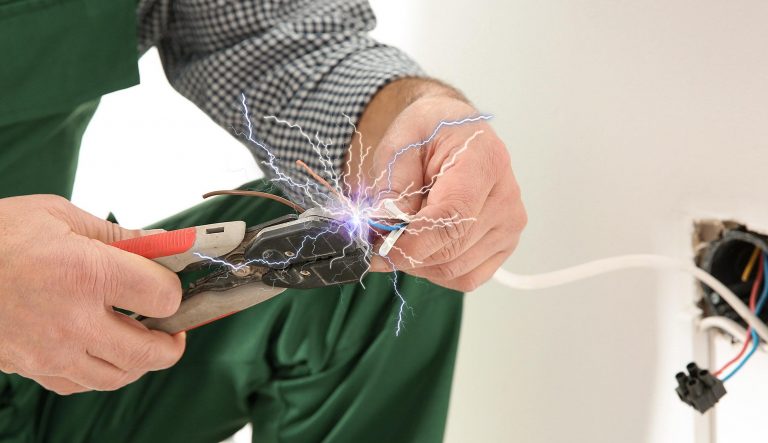
The Advantages of Electrical Surge Protection

0

Protecting your home or business from electrical surges is crucial in today’s world. Electrical surges can cause significant damage to your electronic devices, leading to costly repairs or replacements. In this article, we will discuss the advantages of electrical surge protection and how it can benefit you.

What is an Electrical Surge?

An electrical surge, also known as a power surge, is a sudden increase in voltage that exceeds the standard level of electricity flowing through your home or business. These surges can occur due to lightning strikes, power outages, or issues with your power grid. Electrical surges can be detrimental to your electronic devices, causing them to malfunction or even become completely unusable.

Advantages of Electrical Surge Protection

Protection of Electronic Devices

One of the main advantages of electrical surge protection is the safeguarding of your electronic devices. Surge protectors can provide an extra layer of protection against electrical surges, ensuring that your devices remain safe during power fluctuations. This can be particularly important for businesses that rely heavily on electronic equipment, as damage to these devices can result in significant downtime and lost revenue.

Cost Savings

By investing in electrical surge protection, you can potentially save money in the long run. The cost of repairing or replacing damaged electronic devices can quickly add up, particularly for businesses with a large number of devices. Surge protection can help prevent damage to these devices, leading to cost savings in the long term.

Peace of Mind

Knowing that your electronic devices are protected from electrical surges can provide peace of mind. This is particularly important for those who live in areas that are prone to lightning strikes or frequent power outages. Surge protectors can help reduce the risk of damage to your devices, allowing you to rest easy knowing that your equipment is protected.

Types of Electrical Surge Protection

There are several types of electrical surge protection available, each with its own advantages and disadvantages.

Surge Protectors

Surge protectors are the most common type of electrical surge protection. They work by diverting excess voltage away from your electronic devices and into the ground, protecting your equipment from damage. Surge protectors are typically inexpensive and can be easily purchased from most electronics stores.

Uninterruptible Power Supplies (UPS)

Uninterruptible Power Supplies, or UPS, provide surge protection as well as backup power in the event of a power outage. These devices are particularly useful for businesses that require continuous power to operate, as they can help prevent downtime and lost revenue.

Voltage Regulators

Voltage regulators work by stabilizing the voltage flowing through your home or business, helping to prevent surges before they occur. These devices are particularly useful for areas with unstable power grids, as they can help regulate the voltage and prevent damage to your electronic devices.

Conclusion

In conclusion, electrical surge protection is an important investment for anyone looking to protect their electronic devices from damage. By investing in surge protection, you can safeguard your devices, save money in the long term, and enjoy peace of mind knowing that your equipment is protected. There are several types of electrical surge protection available, each with its own unique advantages and disadvantages. Consider your individual needs and choose the type of surge protection that is right for you.


The Importance of Electrical Grounding for Your Home

0

As a homeowner, one of the most important aspects of maintaining a safe and functional electrical system is ensuring proper grounding. Electrical grounding is the process of providing a path for electrical current to safely flow to the ground in the event of a fault or short circuit. In this article, we will discuss the importance of electrical grounding for your home and why it is critical to have a professional electrician handle any grounding-related issues.

What is Electrical Grounding?

To understand the importance of electrical grounding, it’s important to first understand what it is. Electrical grounding is the process of creating a safe and low-impedance path for electricity to flow to the ground. This is typically accomplished by connecting a wire or conductor from the electrical system to a metal rod buried in the earth. When an electrical current flows through the system, it can be safely redirected to the earth, preventing electrical shock, fires, and other hazards.

Why is Electrical Grounding Important?

There are several reasons why electrical grounding is critical for your home. Here are some of the most important ones:

  1. Electrical Safety: Without proper grounding, electrical current can build up in appliances and devices, which can create a serious safety hazard. Grounding helps prevent electrical shock and electrocution by providing a safe path for the current to flow in the event of a fault.
  2. Fire Safety: Electrical fires are a significant hazard in many homes, and they can be caused by a variety of factors, including faulty wiring, damaged appliances, and overloaded circuits. Grounding can help prevent electrical fires by ensuring that any excess current is safely directed to the ground.
  3. Equipment Protection: Electrical surges and voltage spikes can damage sensitive electronic equipment and appliances, leading to costly repairs or replacements. Proper grounding can protect your devices by directing these surges to the ground rather than through your equipment.
  4. Code Compliance: Electrical grounding is required by building codes and regulations in most areas. Failure to comply with these requirements can result in fines, legal liability, and insurance issues.

How is Electrical Grounding Installed?

Electrical grounding is typically installed by a professional electrician, as it involves connecting the electrical system to a grounding rod or other conductive material buried in the earth. The installation process typically involves the following steps:

  1. Determining the grounding requirements for the home based on its size and electrical load.
  2. Selecting a suitable location for the grounding rod or conductive material.
  3. Installing the grounding rod or material and connecting it to the electrical system.
  4. Testing the grounding system to ensure that it is properly installed and functioning correctly.

It’s important to note that attempting to install electrical grounding yourself can be extremely dangerous and is not recommended. Always rely on a licensed electrician to handle any grounding-related issues in your home.

In Conclusion

In summary, electrical grounding is a critical aspect of maintaining a safe and functional electrical system in your home. It helps prevent electrical shocks, fires, and equipment damage, and is required by building codes and regulations in most areas. If you suspect that your home’s electrical grounding is not working properly, it’s important to contact a professional electrician as soon as possible to ensure that your system is safe and functional.

The Benefits of Electrical Automation for Your Home

0

When it comes to home automation, electrical automation is one of the most innovative and useful technologies available to homeowners today. By automating your home’s electrical systems, you can increase energy efficiency, improve safety and security, provide convenience and comfort, offer customization and flexibility, and even allow for remote access. With just a few taps on your smartphone or tablet, you can control your lights, temperature, and entertainment systems, creating a more personalized and comfortable living space while saving time and money in the long run. If you are interested in upgrading your home with electrical automation, contact us today to schedule a consultation.

At our company, we believe that electrical automation is one of the most innovative and useful technologies available to homeowners today. Not only does it make your life easier and more convenient, but it can also save you time and money in the long run. In this article, we will explore the many benefits of electrical automation for your home.

Energy Efficiency

One of the main benefits of electrical automation is the potential for increased energy efficiency. By automating your home’s electrical systems, you can ensure that lights and appliances are only being used when they are needed. This can help reduce your energy consumption and save you money on your monthly utility bills.

Improved Safety and Security

Another key benefit of electrical automation is improved safety and security for your home. Automated systems can be programmed to turn lights on and off at different times throughout the day, giving the impression that someone is always home. This can be an effective deterrent to burglars and can give you peace of mind when you are away from home.

Convenience and Comfort

Perhaps the most obvious benefit of electrical automation is the convenience it provides. With an automated home, you can control your lights, temperature, and entertainment systems with just a few taps on your smartphone or tablet. This can make your life easier and more comfortable, allowing you to relax and enjoy your home to the fullest.

Customization and Flexibility

Electrical automation also offers a high level of customization and flexibility. With automated systems, you can set up different zones throughout your home and control each one individually. This can help you save money by only heating or cooling the rooms that are being used, and it can also allow you to create a more personalized and comfortable living space.

Remote Access

Finally, many electrical automation systems offer remote access, allowing you to control your home’s electrical systems from anywhere in the world. This can be incredibly useful for homeowners who travel frequently or who want to monitor their homes while they are away. With remote access, you can check on your home’s security systems, adjust the temperature, and turn lights on and off with just a few taps on your smartphone or tablet.

Overall, the benefits of electrical automation for your home are clear. By increasing energy efficiency, improving safety and security, providing convenience and comfort, offering customization and flexibility, and allowing for remote access, automated systems can help you save time and money while enjoying your home to the fullest. If you are interested in learning more about electrical automation, contact us today to schedule a consultation.

Electrical Wiring for Smart Homes: What You Need to Know

3

At present, more and more people are looking to turn their homes into smart homes. With advancements in technology, it is now possible to control almost every aspect of your home, including lighting, temperature, security, and more, through the use of smart devices. However, for these devices to work, you need to have the right electrical wiring installed in your home. In this article, we will discuss what you need to know about electrical wiring for smart homes.

Smart Home Basics

Before we delve into the topic of electrical wiring for smart homes, it is essential to understand the basics of a smart home. A smart home is a house that uses internet-connected devices to control and automate different appliances and systems. These devices are controlled through an app or voice commands, and they can range from smart lights and thermostats to security systems and kitchen appliances.

Wiring for Smart Homes

The electrical wiring in your home is the backbone of your smart home. It is essential to ensure that the wiring is designed to handle the extra load of smart devices. Most homes built in the last 30 years have wiring that is sufficient for basic lighting and power. However, smart devices require a more robust wiring system to function properly. If you are building a new home or renovating an existing one, you should consider installing the appropriate wiring for smart devices.

Types of Wiring

There are different types of wiring that you can use in your home, depending on your needs. The most common types of wiring are:

  1. Romex Wiring: This is a type of electrical wire that is used in most homes. It is easy to install, and it is designed to handle a maximum load of 20 amps.
  2. BX Wiring: This type of wiring is used in areas where the wire is exposed to damage, such as in basements or garages. It has a metal jacket that provides extra protection.
  3. THHN Wiring: This type of wiring is used for indoor and outdoor applications. It is made of a thermoplastic material and can handle a maximum load of 600 volts.
  4. UF Wiring: This type of wiring is used for underground applications, such as outdoor lighting or sprinkler systems. It is designed to withstand moisture and exposure to the elements.

Wiring Considerations

When wiring your home for smart devices, there are a few things to consider. Firstly, you should ensure that you have a dedicated circuit for your smart devices. This will ensure that there is no interference from other appliances in your home. Secondly, you should install a surge protector to protect your smart devices from power surges. Finally, you should make sure that your wiring is installed by a licensed electrician to ensure that it meets all safety codes and regulations.

Conclusion

In conclusion, electrical wiring is a crucial component of a smart home. It is essential to have the right wiring installed in your home to ensure that your smart devices function properly. When installing electrical wiring for smart homes, it is essential to consider the type of wiring, the load requirements of your devices, and the safety considerations. By following these guidelines, you can ensure that your home is ready for the future of smart technology.

The Importance of Electrical Inspections Before Buying a Home

1

We understand the excitement and stress that comes with buying a new home. You have to make sure that everything is perfect, from the location to the layout of the house. However, it’s important not to overlook one critical aspect of buying a home – electrical inspections.

Electrical inspections can help identify potential hazards such as outdated wiring, overloaded circuits, or improper installations. These issues can pose a serious safety risk to the occupants of the home, and can also lead to costly repairs and higher energy bills. An inspection can also reveal whether the electrical system has been properly maintained and is in good working condition.

It is important to note that not all home inspections include a detailed assessment of the electrical system, so it is essential to specifically request an electrical inspection from a qualified electrician. A licensed electrician can identify any issues and provide recommendations for necessary repairs or upgrades.

Electrical inspections are often overlooked by many homebuyers, but they are a critical component of the home buying process. An electrical inspection is a thorough examination of the electrical systems in a home, including the wiring, circuit breakers, outlets, and more. This inspection ensures that the electrical system is safe and up to code.

Why is an electrical inspection so important?

Safety

First and foremost, an electrical inspection ensures that the home you’re buying is safe. Faulty electrical systems can be a major hazard and cause serious harm to you and your family. An electrical inspection can identify potential hazards and ensure that they are corrected before you move in. It’s better to be safe than sorry, and an electrical inspection can provide the peace of mind you need when it comes to your family’s safety.

Cost-Effective

An electrical inspection may seem like an unnecessary expense, but it can actually save you money in the long run. If an electrical system is outdated or not up to code, it can be expensive to repair or replace. An electrical inspection can identify these issues before you buy the home, giving you the opportunity to negotiate repairs or ask the seller to fix any problems before closing.

Negotiating Tool

Speaking of negotiating, an electrical inspection can be a valuable tool in your negotiations with the seller. If the inspection reveals any problems, you can use that information to negotiate a lower price or ask the seller to make the repairs. This can save you money and give you the peace of mind that comes with knowing that the home you’re buying is safe and up to code.

Compliance

An electrical inspection ensures that the electrical system in the home is up to code. Electrical codes are in place to ensure that homes are safe and that the electrical systems are installed correctly. If the electrical system is not up to code, it can cause problems when it comes time to sell the home. Ensuring that the electrical system is up to code can make the selling process smoother and ensure that you get the best price for your home when it’s time to sell.

In conclusion, an electrical inspection is an essential part of the home buying process. It ensures that the home you’re buying is safe, up to code, and can save you money in the long run. Don’t overlook this critical aspect of buying a home. We recommend that you always get an electrical inspection before you buy a home.

How to Choose the Right Electrical Contractor

4

Choosing the right electrical contractor is crucial for any electrical project, whether it be for your home or business. The right electrical contractor will have the proper licensing and certifications, adequate insurance coverage, and will stand behind their work with a warranty. They will also have years of experience in the field and a reputation for providing high-quality work and exceptional customer service. By doing your research, checking references, and getting multiple quotes, you can feel confident in your decision to hire the right electrical contractor for your needs.

Are you in need of electrical services for your home or business? If so, it’s important to choose the right electrical contractor to ensure that the job is done safely and effectively. With so many options available, it can be difficult to know where to start. That’s why we’ve put together this comprehensive guide on how to choose the right electrical contractor for your needs.

Do Your Research

Before hiring an electrical contractor, it’s important to do your research. Start by checking online reviews and ratings to get an idea of the quality of their work and customer service. Look for contractors that have a high rating and positive reviews from previous clients.

Check Licenses and Certifications

When choosing an electrical contractor, it’s essential to check that they are properly licensed and certified to do the job. Check with your state’s licensing board to ensure that the contractor is up-to-date with their licensing and certifications. This will help to ensure that the work is done safely and up to code.

Ask for References

It’s always a good idea to ask for references from previous clients when choosing an electrical contractor. This will give you an idea of their level of experience and the quality of their work. Contact the references and ask about their experience working with the contractor, and whether they would recommend them for future work.

Consider Their Experience

Experience is crucial when it comes to electrical work. Look for contractors who have several years of experience in the field, and who have experience working on projects similar to yours. This will help to ensure that they have the knowledge and expertise needed to complete the job safely and effectively.

Get Multiple Quotes

Before choosing an electrical contractor, it’s important to get multiple quotes to ensure that you are getting a fair price for the work. Be wary of contractors who offer significantly lower prices than others, as this may be a sign of poor quality work or the use of subpar materials.

Check Their Insurance Coverage

When hiring an electrical contractor, it’s important to make sure that they have adequate insurance coverage. This will help to protect you in the event that something goes wrong during the project, such as property damage or personal injury.

Look for a Contractor Who Offers a Warranty

A reputable electrical contractor will stand behind their work and offer a warranty for the services they provide. Look for a contractor who offers a warranty on their work, as this will give you peace of mind that any issues will be promptly addressed.

By following these tips, you can ensure that you choose the right electrical contractor for your needs. Don’t settle for anything less than the best, and always prioritize safety and quality in your decision-making process.

Electrical Repairs vs Electrical Upgrades: What’s the Difference?

2

As a homeowner or a property manager, it’s essential to understand the difference between electrical repairs and electrical upgrades. Knowing the difference can save you time, money, and effort. Electrical repairs are necessary when there is an issue with the electrical system, and an upgrade is needed when you want to improve the system.

In this article, we will explain the difference between electrical repairs and electrical upgrades, and when you might need to consider each one.

Electrical Repairs

Electrical repairs are necessary when there is a fault or an issue with your electrical system. These issues can occur for a variety of reasons, including wear and tear, damage, or outdated equipment. Here are some of the common electrical repairs that homeowners might need:

  1. Replacing outdated or faulty circuit breakers: Circuit breakers are designed to protect your electrical system from overloads, and they need to be replaced if they become damaged or outdated.
  2. Fixing faulty electrical outlets: Faulty electrical outlets are not only inconvenient but can also be dangerous. If you notice that an outlet is not working or producing sparks, it’s essential to have it repaired as soon as possible.
  3. Repairing electrical wiring: Electrical wiring can become damaged or corroded over time, leading to potential fire hazards or electrical shock. Professional electricians can repair any wiring issues you may have.
  4. Fixing electrical switches: If you notice that your light switches are not working or are producing sparks, it’s essential to have them repaired as soon as possible.

Electrical Upgrades

Electrical upgrades are different from electrical repairs in that they are designed to improve your electrical system rather than fixing an issue. Electrical upgrades are typically more involved and complex than repairs and require a professional electrician to complete. Here are some of the common electrical upgrades that homeowners might need:

  1. Upgrading your electrical panel: An outdated electrical panel can lead to electrical hazards and outages. Upgrading to a new panel can increase the safety and efficiency of your electrical system.
  2. Installing new lighting: New lighting can add value and aesthetic appeal to your home. LED lighting is a popular choice for its energy efficiency and long lifespan.
  3. Upgrading electrical outlets: Upgrading your outlets can provide more power and greater safety features. GFCI (Ground Fault Circuit Interrupter) outlets are a common upgrade that provides extra protection against electrical shock.
  4. Adding electrical circuits: If you are planning to install new appliances or electronics, you may need to add new electrical circuits to your home. A professional electrician can assess your needs and install the necessary circuits.

When to Consider Repairs vs. Upgrades

Knowing when to consider repairs versus upgrades can save you time and money. Generally, if there is an issue with your electrical system, you should consider repairs. If you want to improve your electrical system’s safety, efficiency, or aesthetics, you should consider upgrades. Here are some scenarios that might require electrical repairs or upgrades:

  1. Flickering Lights: If you notice that your lights are flickering or dimming, this could be a sign of an electrical issue that requires a repair.
  2. Outdated Electrical Panel: If your home has an outdated electrical panel, it’s essential to upgrade to a newer and safer model.
  3. Planning for Home Renovations: If you are planning to renovate your home, you may need to upgrade your electrical system to accommodate new appliances or lighting.
  4. Energy Efficiency Upgrades: If you want to reduce your energy bills and carbon footprint, upgrading to LED lighting or installing a smart thermostat can help.

The Benefits of Upgrading Your Electrical Panel

0

Upgrading your electrical panel is an important investment that can have significant benefits for your home or business. By replacing an outdated or faulty electrical panel, you can improve the safety and efficiency of your electrical system, reduce your energy costs, and enjoy better performance. Upgrading your electrical panel can also provide you with the opportunity to modernize your electrical system and take advantage of new technologies and advancements in electrical safety and efficiency. With the help of experienced professionals, you can choose the right electrical panel for your needs and ensure that it is installed safely and efficiently. Overall, upgrading your electrical panel is a smart investment that can improve your quality of life and save you money in the long run.

We believe that upgrading your electrical panel can have significant benefits for your home or business. In this article, we will explore the various advantages of upgrading your electrical panel, including enhanced safety, increased efficiency, and reduced energy costs. Whether you are experiencing frequent electrical issues or simply looking to modernize your electrical system, upgrading your electrical panel can be a smart investment that can improve your quality of life and save you money in the long run.

Improved Safety

One of the most significant benefits of upgrading your electrical panel is improved safety. An outdated or faulty electrical panel can pose a serious hazard to your home or business, increasing the risk of electrical fires, power surges, and other electrical issues. By upgrading your electrical panel, you can ensure that your electrical system is up to code and in compliance with modern safety standards. This can help reduce the risk of electrical accidents and provide you with greater peace of mind.

Increased Efficiency

Another advantage of upgrading your electrical panel is increased efficiency. Older electrical systems are often less efficient, which can result in higher energy bills and more frequent electrical issues. By upgrading to a newer, more efficient electrical panel, you can reduce your energy usage and save money on your utility bills. In addition, a new electrical panel can help distribute power more evenly throughout your home or business, reducing the risk of overloaded circuits and electrical problems.

Reduced Energy Costs

Upgrading your electrical panel can also lead to reduced energy costs. With a more efficient electrical system, you can reduce your energy usage and save money on your monthly utility bills. In addition, a new electrical panel can help you take advantage of new energy-saving technologies, such as smart thermostats and energy-efficient lighting. By making these small changes, you can significantly reduce your overall energy consumption and save money in the long run.

Better Performance

A new electrical panel can also provide better performance than an outdated or faulty system. By upgrading your electrical panel, you can ensure that your electrical system is running at peak performance, providing you with a more reliable and consistent power supply. This can be particularly beneficial for businesses that rely on consistent electrical performance to operate effectively.

Modernization

Upgrading your electrical panel can also be an effective way to modernize your electrical system. As technology continues to evolve, so do electrical systems. By upgrading your electrical panel, you can take advantage of new technologies and advancements in electrical safety and efficiency. This can help future-proof your electrical system and ensure that it is equipped to handle the demands of modern technology.

Conclusion

In conclusion, upgrading your electrical panel can have numerous benefits for your home or business. From improved safety and increased efficiency to reduced energy costs and better performance, upgrading your electrical panel can be a smart investment that can improve your quality of life and save you money in the long run. If you are experiencing frequent electrical issues or simply looking to modernize your electrical system, consider upgrading your electrical panel with [Your Company]. Our experienced professionals can help you choose the right electrical panel for your needs and ensure that it is installed safely and efficiently.

The Dangers of Electrical Shock and How to Prevent It

0

At some point in our lives, we have all experienced an electrical shock. Whether it was from touching an appliance or a light switch, it’s important to understand that electrical shocks can be dangerous and even deadly. Electrical shock occurs when electric current flows through the body, causing injury or death. The severity of the shock depends on the amount of current and the duration of the shock.

Electrical shock is a serious matter that should not be taken lightly. Even a mild shock can cause discomfort and harm, and a severe shock can be fatal. To prevent electrical shock, it’s crucial to understand the dangers and take the necessary precautions. By following the tips mentioned in this article, such as inspecting appliances before use, using ground fault circuit interrupters, and being careful when using electrical appliances near water, you can protect yourself and those around you from electrical hazards.

Electric Shock: What Is Is, How It Feels, and Why Dangerous?

At its mildest, an electrical shock can feel like a tingling sensation. However, at its most severe, it can cause burns, muscle contractions, and even stop the heart. The fact that electrical shock can be so dangerous makes it crucial for everyone to understand how to prevent it.

In this article, we’ll be discussing the dangers of electrical shock and how to prevent it. We’ll provide you with practical tips on how to keep yourself and others safe from electrical hazards.

The Dangers of Electrical Shock

The human body is a good conductor of electricity. When electrical current flows through the body, it can cause damage to the internal organs, and in severe cases, it can cause death. Here are some of the dangers of electrical shock:

  1. Burns: Electrical burns are the most common injuries caused by electrical shock. These burns can be both internal and external and can range from minor to severe.
  2. Heart Failure: Electrical shock can cause the heart to stop beating, leading to cardiac arrest and even death.
  3. Neurological Damage: Electrical shock can cause damage to the nervous system, resulting in tingling, numbness, and muscle weakness.
  4. Electrocution: Electrocution is the most severe danger of electrical shock. It occurs when electrical current passes through the body, causing death.

How to Prevent Electrical Shock

Preventing electrical shock is essential to your safety and the safety of others. Here are some practical tips on how to prevent electrical shock:

  1. Avoid Using Damaged Appliances: Damaged electrical appliances can cause electrical shock. Always inspect appliances before use, and if you notice any damages, replace them immediately.
  2. Unplug Appliances When Not In Use: When not in use, unplug appliances to prevent electrical shock.
  3. Do Not Touch Electrical Wires: Never touch electrical wires, especially if you are not a qualified electrician.
  4. Use Ground Fault Circuit Interrupters (GFCIs): GFCIs are safety devices that prevent electrical shock. They automatically shut off the electrical circuit when they detect a ground fault, protecting you from electrical shock.
  5. Be Careful When Using Electrical Appliances Near Water: Water is an excellent conductor of electricity. Be cautious when using electrical appliances near water.
  6. Keep Electrical Appliances Away from Children: Keep electrical appliances away from children to prevent accidental electrical shock.

Conclusion

Electrical shock is a dangerous and potentially deadly occurrence. Understanding the dangers of electrical shock and how to prevent it is essential to your safety and the safety of others. By following the tips provided in this article, you can protect yourself and others from electrical hazards. Remember, always be cautious when dealing with electricity, and if you’re not sure what to do, always seek the help of a qualified electrician.

Choosing the Right Electrical Fixtures for Your Home

2

At some point in every homeowner’s life, they will be faced with the task of choosing the right electrical fixtures for their home. It may seem like a daunting task, but with a little bit of knowledge and guidance, it can be a fun and exciting project.

In this article, we will walk you through the process of choosing the right electrical fixtures for your home. We will cover everything from the basics of electrical fixtures to the latest trends in lighting design. By the end of this article, you will be armed with the knowledge and confidence to tackle your next electrical fixture project with ease.

Understanding Electrical Fixtures

Before we dive into the world of electrical fixtures, let’s start with the basics. Electrical fixtures are devices that are used to connect electrical equipment to a power source. This can include outlets, switches, and lighting fixtures.

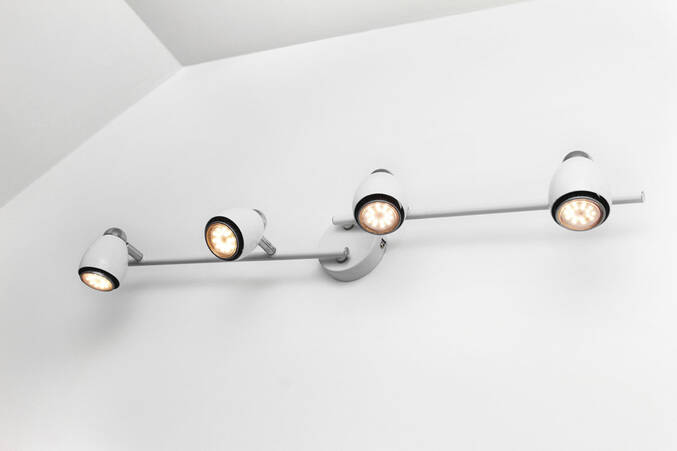
When it comes to choosing the right electrical fixtures for your home, it is important to understand the different types of fixtures available. For example, there are several types of light fixtures to choose from, including ceiling fixtures, chandeliers, and wall sconces. Each type of fixture has its own unique style and function, so it is important to choose the right fixture for the right space.

Choosing the Right Lighting Fixtures

When it comes to choosing the right lighting fixtures, there are several factors to consider. The first factor is the size of the room. A larger room will require more lighting fixtures than a smaller room to adequately light the space. The second factor to consider is the style of the room. A modern room will require different lighting fixtures than a traditional room. Finally, the third factor to consider is the function of the room. A workspace will require brighter lighting than a bedroom or living room.

In addition to these factors, it is also important to consider the type of light bulb that the fixture uses. There are several types of light bulbs to choose from, including incandescent, fluorescent, and LED. Each type of bulb has its own advantages and disadvantages, so it is important to choose the right bulb for the right fixture.

Choosing the Right Outlets and Switches

When it comes to choosing the right outlets and switches, there are several factors to consider. The first factor is the number of outlets and switches required. A larger room will require more outlets and switches than a smaller room. The second factor to consider is the location of the outlets and switches. Outlets and switches should be placed in convenient locations for easy access.

Another factor to consider is the type of outlet or switch to use. There are several types of outlets and switches to choose from, including standard outlets, GFCI outlets, and dimmer switches. Each type of outlet or switch has its own unique function, so it is important to choose the right type for the right space.

Trends in Electrical Fixtures

As with any aspect of home design, there are always trends in electrical fixtures. One of the latest trends in lighting design is the use of smart lighting. Smart lighting allows you to control your lighting fixtures from your smartphone or other smart device. This can include changing the brightness, color, or even setting a schedule for your lights to turn on and off.

Another trend in electrical fixtures is the use of eco-friendly lighting. LED light bulbs are the most eco-friendly option, as they use less energy and last longer than other types of light bulbs. In addition, many lighting fixtures are now designed with eco-friendly materials, such as recycled glass and metal.