

Friday, March 20, 2026
Home Blog Page 78

Asbestos and the Military: A Deadly Connection

0

We all know that the military plays a vital role in protecting our country and preserving our freedom. But what many people don’t know is that for decades, the military used asbestos in its buildings, vehicles, and equipment. As a result, thousands of service members and veterans have suffered from asbestos-related diseases, including mesothelioma, lung cancer, and asbestosis.

In this article, we will explore the deadly connection between asbestos and the military. We will discuss the history of asbestos use in the military, the health risks associated with exposure to asbestos, and the steps that the military has taken to address this issue.

Contents

A Brief History of Asbestos Use in the Military

Asbestos is a naturally occurring mineral that was widely used in construction, manufacturing, and other industries from the early 1900s until the 1970s. It was prized for its heat-resistant and fireproof properties, as well as its strength and durability.

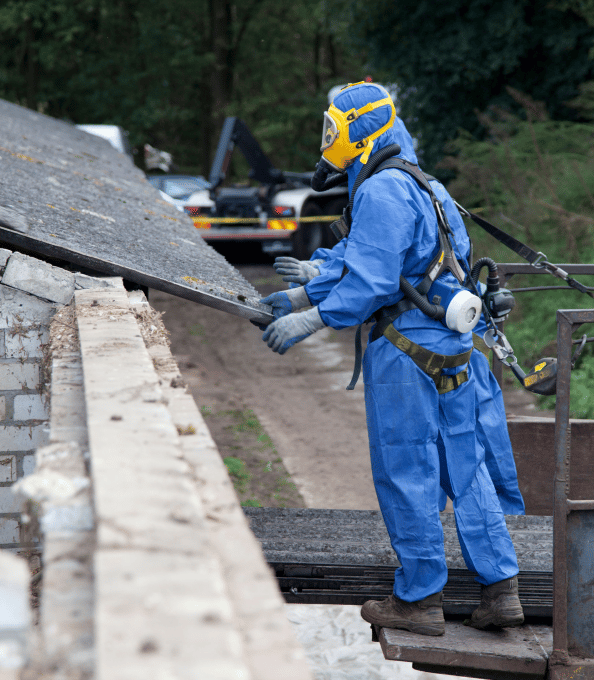
Military Asbestos Exposure - The Lanier Law Firm

The military was one of the largest users of asbestos during this time period. Asbestos was used in a wide range of military applications, including:

  • Insulation for buildings, ships, and aircraft
  • Brake linings and gaskets for vehicles and aircraft
  • Fireproof clothing and gear for firefighters and pilots
  • Electrical insulation for wiring and equipment

Because asbestos was so widely used in the military, service members and veterans were exposed to the mineral on a regular basis. This exposure occurred not only during active duty but also during training exercises and other activities.

The Health Risks of Asbestos Exposure

Asbestos exposure can lead to a variety of health problems, including mesothelioma, lung cancer, and asbestosis. These diseases can take years or even decades to develop, and symptoms may not appear until long after exposure has occurred.

Mesothelioma is a rare and aggressive form of cancer that affects the lining of the lungs, abdomen, or heart. It is almost exclusively caused by asbestos exposure, and there is no known cure. Symptoms of mesothelioma can include chest pain, shortness of breath, and persistent coughing.

Lung cancer is another common health risk associated with asbestos exposure. It is the leading cause of cancer death in the United States, and exposure to asbestos can significantly increase a person’s risk of developing the disease. Symptoms of lung cancer can include coughing, chest pain, and difficulty breathing.

Asbestosis is a chronic lung disease that occurs when asbestos fibers become lodged in the lungs and cause scarring. This scarring can make it difficult for the lungs to function properly, leading to shortness of breath, coughing, and other symptoms.

The Military’s Response to Asbestos Exposure

In the 1970s, the dangers of asbestos became widely known, and the military began taking steps to reduce exposure to the mineral. The military stopped using asbestos in new construction projects, and began removing asbestos-containing materials from existing buildings and equipment.

In 1980, Congress passed the Comprehensive Environmental Response, Compensation, and Liability Act (CERCLA), also known as the Superfund Act. This law established a fund to clean up hazardous waste sites, including those contaminated with asbestos. The military has spent billions of dollars cleaning up these sites and protecting the health of service members and civilians.

Conclusion

The Department of Veterans Affairs (VA) provides compensation and health care benefits to veterans who were exposed to asbestos during their service. Veterans who have been diagnosed with mesothelioma or other asbestos-related diseases may be eligible for disability compensation, health care, and other benefits.
The Economic Impact of Asbestos on Society

0

Asbestos has been a topic of discussion for decades due to its health hazards. It was widely used in the construction industry for its heat-resistant properties until its harmful effects were discovered. While asbestos has been banned in many countries, it still remains in use in some parts of the world. This article will discuss the economic impact of asbestos on society and how it affects various industries.

Contents

Healthcare Industry

Asbestos exposure can cause mesothelioma, a type of cancer that affects the lining of the lungs and chest cavity. Mesothelioma can take decades to develop, and the healthcare industry bears the burden of treating patients with this disease. The cost of treating mesothelioma can be exorbitant, with patients requiring long-term care and treatment. This puts a significant financial strain on the healthcare industry and can impact the availability of resources for other patients.

E.P.A. Staff Objected to Agency's New Rules on Asbestos Use, Internal  Emails Show - The New York Times

Legal Industry

Asbestos exposure has resulted in numerous lawsuits against companies that used the material in their products. As a result, the legal industry has profited from the litigation surrounding asbestos-related illnesses. These lawsuits have resulted in billions of dollars in settlements and damages, which has created a niche industry for law firms specializing in asbestos cases. However, the litigation process can be time-consuming and costly, which can impact the overall efficiency of the legal system.

Insurance Industry

The insurance industry has also been affected by asbestos-related illnesses. Insurance companies have been required to pay out billions of dollars in settlements and damages to victims of asbestos exposure. This has resulted in increased insurance premiums for companies that use asbestos in their products or operations. In some cases, insurance companies have refused to provide coverage to companies that use asbestos, which can limit their ability to operate.

Construction Industry

Asbestos was widely used in the construction industry due to its heat-resistant properties. However, the discovery of its harmful effects has resulted in increased regulations and restrictions on the use of asbestos in construction. This has impacted the construction industry by increasing the cost of construction materials and limiting the availability of certain products. Additionally, the removal of asbestos from buildings can be a costly and time-consuming process, which can impact the overall cost and timeline of construction projects.

Manufacturing Industry

Asbestos was used in a variety of manufacturing processes, including the production of automotive parts and building materials. The discovery of its harmful effects has resulted in increased regulations and restrictions on the use of asbestos in manufacturing. This has impacted the manufacturing industry by increasing the cost of production and limiting the availability of certain products. Additionally, the removal of asbestos from manufacturing facilities can be a costly and time-consuming process, which can impact the overall cost and efficiency of production.

Conclusion

The economic impact of asbestos on society has been significant. While it was once a widely used material in various industries, the discovery of its harmful effects has resulted in increased regulations, restrictions, and litigation. Asbestos-related illnesses have put a financial strain on the healthcare industry and insurance industry, while also creating a niche industry for law firms specializing in asbestos cases. The construction and manufacturing industries have also been impacted by increased regulations and restrictions, which have increased costs and limited the availability of certain products. It is important for society to continue to address the harmful effects of asbestos and work towards safer alternatives to protect the health and well-being of individuals and industries.

Asbestos in the Home: Common Sources and Risks

0

Asbestos has been used for decades in various applications due to its heat-resistant properties. However, it is a hazardous material that can pose serious health risks if inhaled. Asbestos fibers can cause lung cancer, mesothelioma, and other respiratory diseases. In this article, we will discuss the common sources of asbestos in homes and the associated risks.

Contents

What is Asbestos?

Asbestos is a naturally occurring mineral that consists of thin, microscopic fibers. These fibers are strong and heat-resistant, which makes them ideal for use in a variety of applications, including insulation, flooring, roofing, and fireproofing. However, when these fibers are disturbed, they can become airborne and inhaled, leading to serious health problems.

Asbestos and Lung Health | American Lung Association

Sources of Asbestos in Homes

Asbestos was commonly used in homes built before the 1980s, particularly in insulation and flooring. If your home was built before this time, there is a chance that it contains asbestos. Here are some common sources of asbestos in homes:

1. Insulation

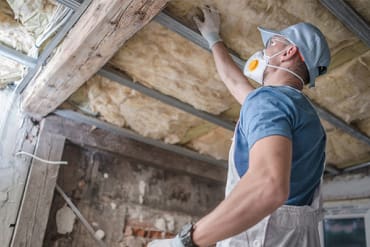
Asbestos was commonly used in insulation due to its heat-resistant properties. It can be found in insulation around pipes, ducts, and boilers. It may also be present in attic insulation.

2. Flooring

Asbestos was used in vinyl flooring, particularly in the backing and adhesive. It was also used in some types of linoleum flooring.

3. Roofing

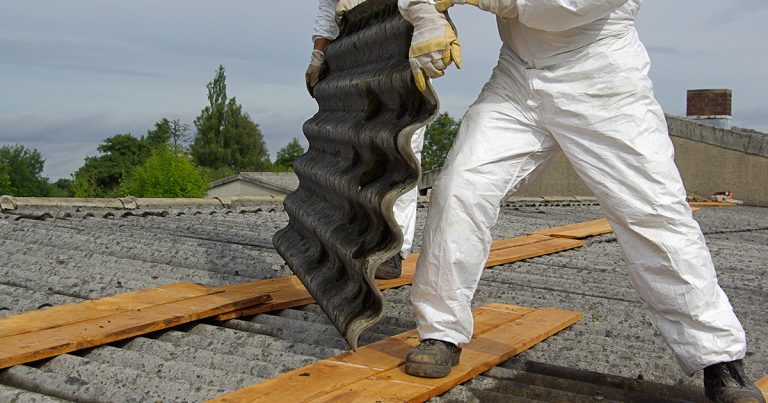
Asbestos was used in roofing materials, particularly in shingles and felt. It may also be present in roof coatings and sealants.

4. Textured Paint

Asbestos was used in textured paint and patching compounds. It may also be present in other types of paint.

5. Pipes

Asbestos was used in pipes for its heat-resistant properties. It may be present in hot water and steam pipes in older homes.

Risks of Asbestos Exposure

Exposure to asbestos can lead to serious health problems, particularly if the fibers are inhaled. Asbestos fibers can become lodged in the lungs, leading to lung cancer, mesothelioma, and other respiratory diseases. The risks of asbestos exposure depend on the duration and intensity of exposure, as well as individual factors such as age and health status.

Preventing Asbestos Exposure

If you suspect that your home may contain asbestos, it is important to take steps to prevent exposure. Here are some tips:

1. Don’t Disturb Asbestos-Containing Materials

If you suspect that your home contains asbestos, don’t disturb the materials. Asbestos fibers can become airborne if the materials are disturbed, leading to exposure.

2. Hire a Professional

If you need to have asbestos-containing materials removed or repaired, hire a professional. They will have the proper equipment and training to safely handle the materials.

3. Follow Safety Precautions

If you must work with asbestos-containing materials, follow safety precautions such as wearing a respirator and protective clothing.

4. Test for Asbestos

If you are unsure whether your home contains asbestos, you can have it tested by a professional. They will take samples of the materials and test them for asbestos.

Conclusion

Asbestos is a hazardous material that can pose serious health risks if inhaled. It is important to be aware of the common sources of asbestos in homes and the associated risks. If you suspect that your home may contain asbestos, take steps to prevent exposure and hire a professional for removal or repair. By following these tips, you can protect yourself and your family from the harmful effects of asbestos exposure.

Protecting Your Family from Asbestos Exposure

Asbestos is a naturally occurring mineral that was commonly used in building materials for many years due to its heat-resistant properties. Unfortunately, exposure to asbestos fibers can lead to serious health problems, including lung cancer, mesothelioma, and asbestosis. It’s important to take steps to protect your family from asbestos exposure, especially if you live in an older home. If you suspect that your home contains asbestos, it’s best to have it professionally inspected and removed if necessary. 

Asbestos is a naturally occurring mineral that was commonly used in construction materials due to its heat-resistant and durable properties. However, it has been linked to serious health problems such as lung cancer, mesothelioma, and asbestosis. Even though the use of asbestos has been banned in many countries, it can still be found in older homes, buildings, and products. In this article, we will provide you with information on how to protect your family from asbestos exposure.

Asbestos Exposure: Dangers, How You're Exposed & Prevention

Contents

Identifying Asbestos

The first step in protecting your family from asbestos exposure is identifying if it is present in your home or building. Asbestos can be found in insulation, roofing materials, flooring, ceiling tiles, and many other building products. If your home or building was built before the 1980s, it is more likely to contain asbestos.

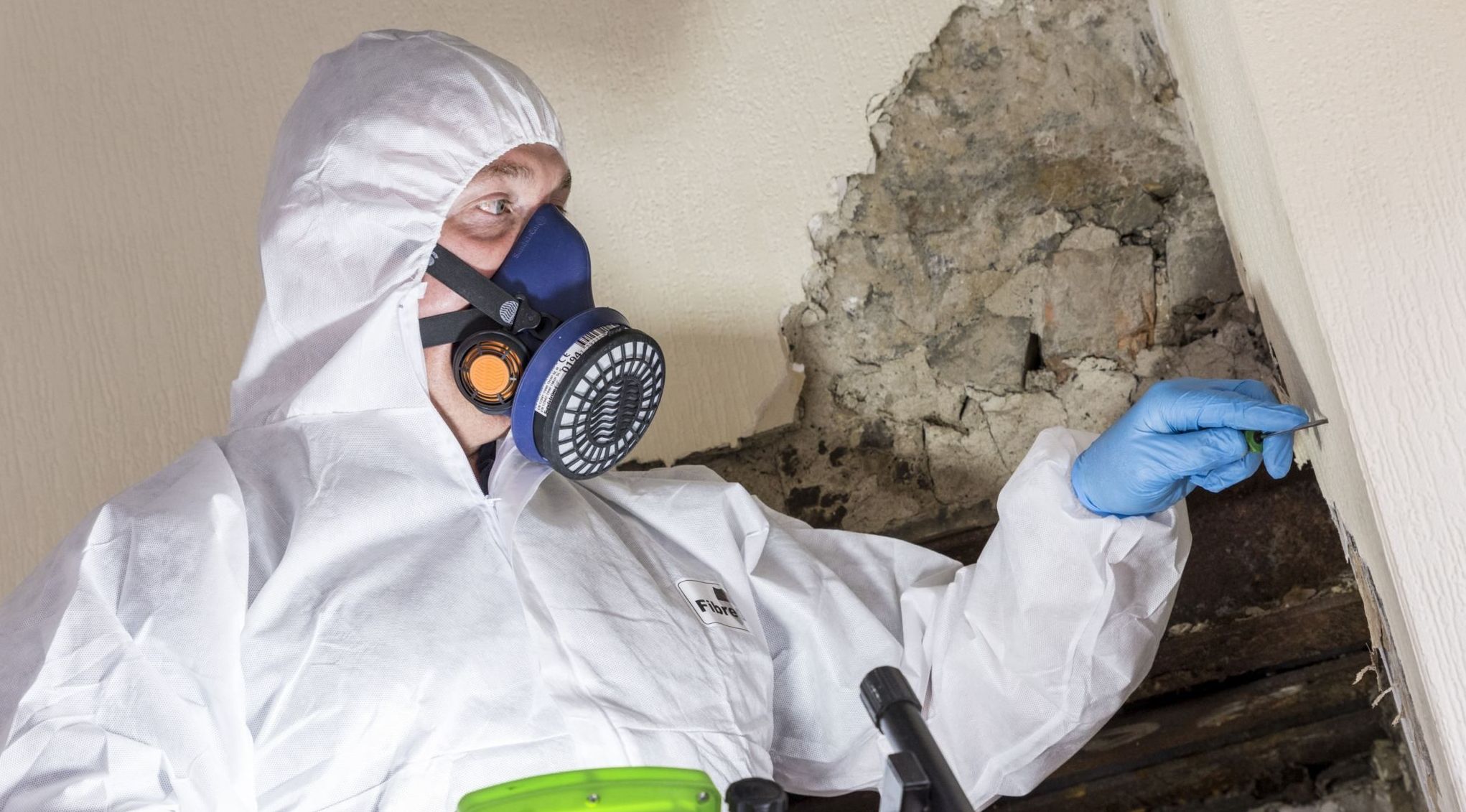
If you suspect that your home or building contains asbestos, do not attempt to remove it yourself. Disturbing asbestos can release dangerous fibers into the air, which can be inhaled and cause health problems. Instead, contact a professional asbestos abatement company to safely remove the asbestos.

Preventing Exposure

If you are planning any renovations or repairs in your home or building, it is important to take precautions to prevent exposure to asbestos. Before starting any work, have the building inspected for asbestos. If it is present, have it removed by a professional abatement company before starting any renovations.

During renovations or repairs, take steps to minimize the release of asbestos fibers. Wet down materials containing asbestos before removal to prevent fibers from becoming airborne. Use appropriate personal protective equipment, including a respirator, gloves, and protective clothing.

If you are exposed to asbestos fibers, it is important to take immediate action to prevent further exposure. Remove any contaminated clothing and wash your skin with soap and water. If you have been exposed to asbestos in a work setting, notify your employer and seek medical attention.

Safe Removal of Asbestos

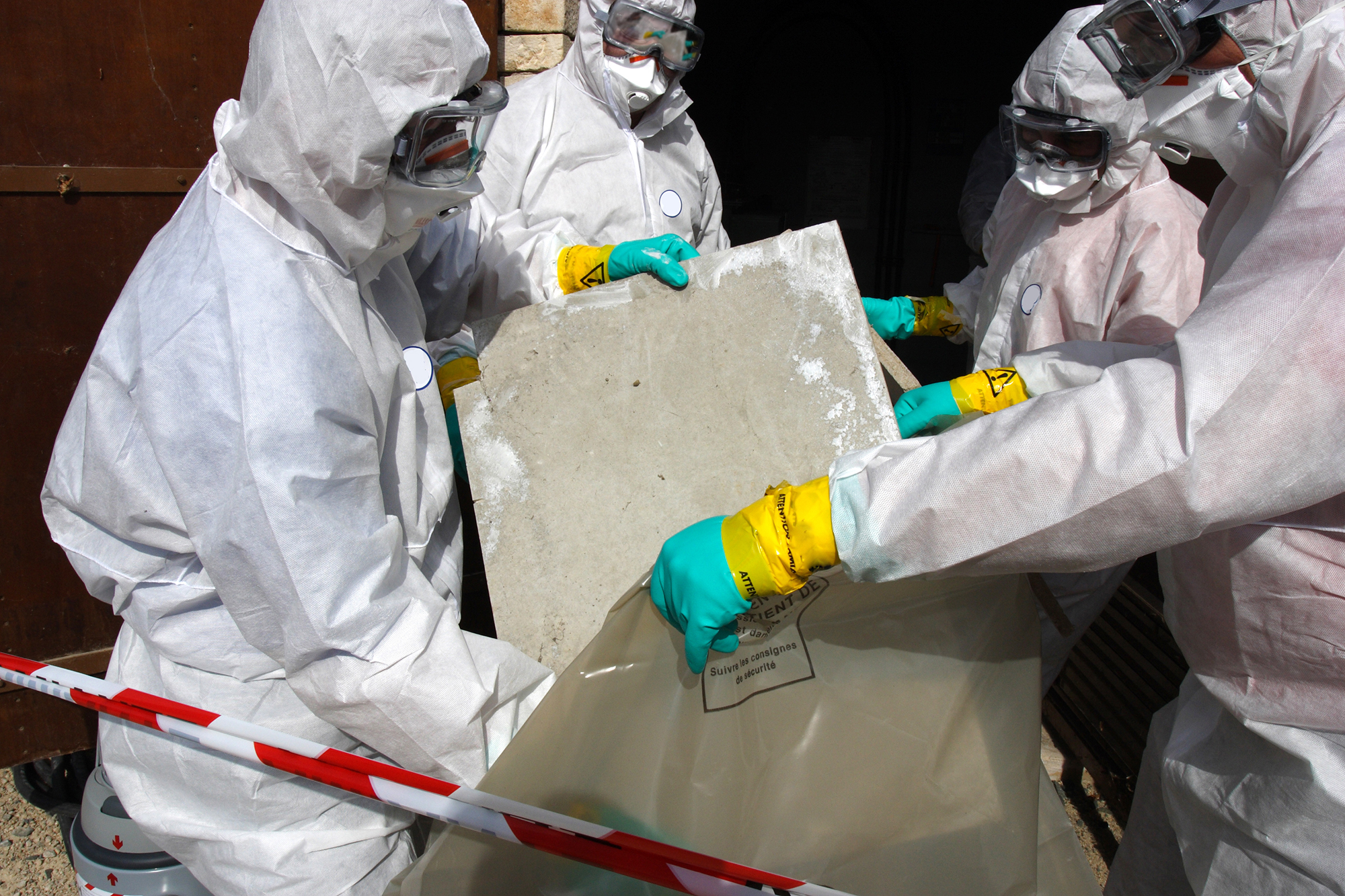
If you need to have asbestos removed from your home or building, it is important to choose a qualified and experienced asbestos abatement company. They will have the necessary equipment and training to safely remove asbestos without causing harm to you or your family.

Before hiring an asbestos abatement company, do your research to ensure they are licensed and have a good reputation. Ask for references and check with your state’s licensing board to ensure they are properly licensed and insured.

Conclusion

Protecting your family from asbestos exposure is essential for their health and well-being. If you suspect that your home or building contains asbestos, have it inspected and removed by a professional abatement company. Take precautions during renovations or repairs to prevent exposure to asbestos fibers, and take immediate action if you are exposed.

By following these guidelines, you can ensure that your family is safe from the dangers of asbestos exposure. Don’t take chances with your health – contact a professional asbestos abatement company today to ensure that your home or building is asbestos-free.

How Asbestos Was Used in Construction

Asbestos is a naturally occurring mineral that was commonly used in construction due to its properties such as strength, heat resistance, and insulation. Asbestos fibers are flexible and can be woven into various materials, making them suitable for use in many products. In the construction industry, asbestos was used in a variety of ways, including in insulation, roofing, flooring, and cement products. It was also used in fireproofing materials and as a component in joint compound and textured paint. 

Asbestos was widely used in construction during the 20th century due to its heat-resistant properties, durability, and affordability. However, it was later discovered that asbestos fibers can cause serious health problems, including mesothelioma and lung cancer. As a result, the use of asbestos in construction was banned in many countries around the world.

In this article, we will explore how asbestos was used in construction, the risks associated with asbestos exposure, and the steps you can take to protect yourself and your loved ones.

The dangers of asbestos: What the public should know | Penn Today

Contents

What is Asbestos?

Asbestos is a naturally occurring mineral that consists of microscopic fibers. These fibers are strong, flexible, and heat-resistant, making asbestos an ideal material for use in construction. Asbestos was commonly used in insulation, roofing materials, floor tiles, and cement products.

The Risks of Asbestos Exposure

When asbestos fibers are inhaled, they can become trapped in the lungs and cause serious health problems. Exposure to asbestos has been linked to lung cancer, mesothelioma, and asbestosis. The symptoms of these diseases can take years or even decades to develop, which is why it is important to take steps to protect yourself from asbestos exposure.

How Asbestos Was Used in Construction

Asbestos was widely used in construction during the 20th century, particularly in buildings constructed between the 1940s and the 1970s. Asbestos was used in a variety of construction materials, including:

Insulation: Asbestos was commonly used in insulation products, such as pipe insulation and attic insulation. Asbestos insulation was effective at reducing heat loss and was often used in older homes and buildings.

Roofing Materials: Asbestos was used in roofing materials, such as shingles and tiles, to make them more durable and fire-resistant.

Floor Tiles: Asbestos was used in vinyl and linoleum floor tiles to make them stronger and more durable.

Cement Products: Asbestos was used in a variety of cement products, including wallboard, siding, and stucco. Asbestos cement products were commonly used in the construction of homes and commercial buildings.

Protecting Yourself from Asbestos Exposure

If your home was built before the 1980s, there is a chance that it may contain asbestos. If you suspect that your home may contain asbestos, it is important to have it tested by a professional. If asbestos is found, it should be removed by a professional asbestos abatement contractor.

If you are planning to renovate your home, it is important to take steps to protect yourself from asbestos exposure. This may include wearing protective clothing, using special equipment to remove asbestos-containing materials, and following proper safety procedures.

Conclusion

Asbestos was once a common material used in construction due to its strength and heat-resistant properties. However, it is now known that asbestos exposure can cause serious health problems, including lung cancer, mesothelioma, and asbestosis. If you suspect that your home or workplace may contain asbestos, it is important to have it tested by a professional and take steps to protect yourself and your loved ones from exposure.

The Importance of Asbestos Testing

2

Asbestos is a naturally occurring mineral that has been widely used in construction and manufacturing for its durability and heat resistance. However, it is now widely known that asbestos fibers can cause serious health problems, including lung cancer, mesothelioma, and asbestosis.

As a result, it is essential that homeowners, business owners, and anyone involved in construction or renovation projects take the necessary precautions to prevent exposure to asbestos fibers. One of the most important steps in this process is asbestos testing.

Contents

What is Asbestos Testing?

Asbestos testing is the process of collecting and analyzing samples of materials suspected to contain asbestos fibers. These materials may include ceiling tiles, flooring, insulation, and roofing materials.

The samples are collected by a certified asbestos inspector and sent to a laboratory for analysis. The laboratory will use a microscope to identify any asbestos fibers in the sample and determine the percentage of asbestos present.

Choosing Asbestos Companies who are right for the task - RB Asbestos

Why is Asbestos Testing Important?

Asbestos testing is important for several reasons. Firstly, it ensures that any asbestos-containing materials are identified before any construction or renovation work takes place. This allows for proper precautions to be taken to prevent exposure to asbestos fibers.

Secondly, asbestos testing is essential for the safety of workers and anyone who may come into contact with asbestos-containing materials. Exposure to asbestos fibers can cause serious health problems, so it is important to identify and properly manage any potential hazards.

Thirdly, asbestos testing is important for legal reasons. In many countries, including the United States, there are strict regulations regarding the handling and disposal of asbestos-containing materials. Failing to properly identify and manage asbestos-containing materials can result in fines and legal action.

When Should Asbestos Testing be Conducted?

Asbestos testing should be conducted whenever there is a suspicion that asbestos-containing materials may be present. This includes during pre-renovation or pre-demolition surveys, as well as during routine inspections of buildings and facilities.

In addition, if you are planning to purchase a new home or commercial property, it is a good idea to have an asbestos inspection conducted as part of the pre-purchase process. This can help to identify any potential hazards and allow you to make an informed decision about the property.

Who Should Conduct Asbestos Testing?

Asbestos testing should always be conducted by a certified asbestos inspector. These professionals have the necessary training and equipment to safely collect samples and identify any asbestos-containing materials.

It is important to choose a reputable and experienced asbestos testing company to ensure accurate results and proper handling of any asbestos-containing materials.

What Happens if Asbestos is Found?

If asbestos is found during testing, it is important to take the necessary steps to manage the hazard. This may involve removing the asbestos-containing materials, encapsulating them to prevent fiber release, or simply monitoring them to ensure they do not pose a risk.

It is important to consult with a qualified asbestos professional to determine the best course of action for managing any asbestos-containing materials.

Conclusion

Asbestos testing is an essential step in preventing exposure to asbestos fibers and ensuring the safety of workers and anyone who may come into contact with asbestos-containing materials. It is important to have any suspected asbestos-containing materials tested by a certified asbestos inspector to ensure accurate results and proper management of any hazards.

By taking the necessary precautions and properly managing asbestos-containing materials, we can help to prevent the serious health problems associated with asbestos exposure and ensure a safer environment for everyone.

Asbestos in Schools: The Silent Threat

0

Asbestos is a naturally occurring mineral that was used extensively in construction for decades. Despite being banned in many countries, including the US, the material is still present in numerous buildings, especially in older structures. This includes schools, where asbestos can pose a serious threat to the health and well-being of students and faculty members.

Asbestos was once commonly used in schools for its fire-resistant properties and durability. However, as the dangers of asbestos exposure became more widely known, regulations were put in place to limit its use. Unfortunately, many schools built before these regulations went into effect still contain asbestos.

The threat posed by asbestos in schools is often overlooked or ignored, as the material is usually only harmful when it is disturbed and the fibers become airborne. This can occur during renovation or demolition projects, or even during routine maintenance tasks like replacing ceiling tiles or repairing pipes.


The Dangers of Asbestos Exposure in Public Schools | Asbestos 123

When asbestos fibers are inhaled, they can become lodged in the lungs and cause serious health problems, including lung cancer, mesothelioma, and asbestosis. These illnesses can take years or even decades to develop, and there is no known cure for any of them.

Schools have a responsibility to protect their students and staff from the dangers of asbestos. This includes identifying areas of the school that contain asbestos, implementing proper management and removal procedures, and educating students, parents, and faculty about the risks of asbestos exposure.

Contents

Identifying Asbestos in Schools

The first step in protecting against asbestos exposure in schools is to identify areas where the material may be present. This can include:

  • Ceiling tiles
  • Floor tiles
  • Insulation
  • Pipe insulation
  • Roofing materials
  • Wallboard

If your school was built before the 1980s, it is likely that it contains asbestos. A certified asbestos inspector can conduct an assessment of the school and identify areas where the material is present.

Managing and Removing Asbestos in Schools

Once asbestos has been identified in a school, it is important to develop a management plan to prevent exposure. This can include:

  • Labeling asbestos-containing materials.
  • Enclosing or sealing off areas where asbestos is present.
  • Regular inspections to ensure the material is not disturbed.
  • Training custodial and maintenance staff on proper handling procedures.

In some cases, it may be necessary to remove asbestos from the school. This should only be done by certified asbestos abatement professionals who can ensure that the material is safely removed and disposed of.

Education and Awareness

Finally, it is important to educate students, parents, and faculty about the risks of asbestos exposure and the steps being taken to protect against it. This can include:

  • Providing information about the health risks of asbestos exposure.
  • Explaining the school’s management plan and removal procedures.
  • Encouraging students, parents, and faculty to report any suspected asbestos-containing materials to school administrators.

By taking these steps, schools can help protect their students and staff from the dangers of asbestos exposure. It is important to remember that the threat posed by asbestos is very real, and should not be taken lightly.

Conclusion

Asbestos in schools is a serious threat to the health and well-being of students and faculty members. While regulations have been put in place to limit its use, many older schools still contain asbestos. Identifying areas where the material is present, developing a management plan, and educating the school community about the risks of asbestos exposure are all critical steps in protecting against this silent threat.

The Link Between Asbestos and Lung Disease

2

Asbestos is a naturally occurring mineral that has been used in various industries due to its heat-resistant and insulating properties. However, it is also a known carcinogen that can cause serious health problems, particularly lung diseases. In this article, we will explore the link between asbestos and lung disease, as well as the different types of lung diseases that can be caused by asbestos exposure.

Contents

What is Asbestos?

Asbestos is a group of naturally occurring minerals that are made up of microscopic fibers. It is known for its durability, heat resistance, and insulation properties, which is why it has been used in a wide range of industries, including construction, shipbuilding, and automotive manufacturing. There are six types of asbestos minerals, including chrysotile, crocidolite, amosite, anthophyllite, tremolite, and actinolite.

Interstitial Lung Diseases | Allergy & Asthma Network

The Danger of Asbestos Exposure

While asbestos has been used in many industries, it is also a known carcinogen that can cause serious health problems, particularly lung diseases. When asbestos fibers are inhaled, they can become lodged in the lungs and cause damage over time. Over the years, asbestos exposure has been linked to several types of lung diseases, including mesothelioma, lung cancer, asbestosis, and pleural disease.

Mesothelioma

Mesothelioma is a type of cancer that affects the mesothelium, which is the thin layer of tissue that covers most of the internal organs. The only known cause of mesothelioma is asbestos exposure, and it can take 20-50 years for the cancer to develop after the initial exposure. Symptoms of mesothelioma can include chest pain, shortness of breath, coughing, and fatigue. Unfortunately, mesothelioma is often diagnosed in its later stages, which makes it difficult to treat.

Lung Cancer

Asbestos exposure is also a known cause of lung cancer. According to the American Cancer Society, people who are exposed to asbestos are five times more likely to develop lung cancer than those who are not exposed. Lung cancer caused by asbestos exposure can take anywhere from 10-30 years to develop, and symptoms can include chest pain, coughing, shortness of breath, and weight loss.

Asbestosis

Asbestosis is a chronic lung disease that is caused by inhaling asbestos fibers over an extended period. It can take anywhere from 10-40 years for the disease to develop after the initial exposure. Symptoms of asbestosis can include shortness of breath, coughing, chest pain, and fatigue. Unfortunately, there is no cure for asbestosis, and treatment options are limited.

Pleural Disease

Pleural disease is a condition that affects the lining of the lungs and the chest wall. It is caused by the inhalation of asbestos fibers, and it can take anywhere from 20-30 years for symptoms to develop. Symptoms of pleural disease can include chest pain, shortness of breath, coughing, and fatigue.

How to Reduce the Risk of Asbestos Exposure

The only way to completely eliminate the risk of asbestos exposure is to avoid working with or around asbestos-containing materials. However, for those who work in industries that involve asbestos, there are several steps that can be taken to reduce the risk of exposure. These include:

  • Wearing appropriate personal protective equipment, such as respirators and protective clothing
  • Following proper work practices, such as wetting down asbestos-containing materials and using appropriate tools to minimize dust
  • Ensuring that the work area is well-ventilated
  • Following proper decontamination procedures to avoid carrying asbestos fibers home

Music Lessons for Special Needs Students

0

Music is a powerful form of expression and communication that can be enjoyed by people of all ages and abilities. For special needs students, music can be an especially effective tool for learning, communication, and emotional expression. Music lessons can provide a safe and supportive environment for special needs students to explore their creativity, develop their skills, and gain confidence in their abilities.

In this article, we will explore the benefits of music lessons for special needs students and discuss some tips for teaching music to this population.

Contents

Things to Know Before Starting Music Lessons - Neighbour Note Blog

Benefits of Music Lessons for Special Needs Students

1. Emotional Expression

Music has the power to evoke strong emotions and can be a valuable tool for special needs students who may have difficulty expressing themselves verbally. Through music, students can express their emotions in a safe and supportive environment. Playing an instrument, singing, or composing a song can be a powerful outlet for students to express themselves and communicate their feelings.

2. Cognitive Development

Learning music requires a range of cognitive skills, including memory, attention, and sequencing. Music lessons can help special needs students develop these skills in a fun and engaging way. Research has also shown that music lessons can improve language processing, reading comprehension, and spatial-temporal skills in special needs students.

3. Social Interaction

Music lessons can provide special needs students with opportunities to interact with their peers and develop social skills. Group music lessons can help students learn to work together, communicate effectively, and develop empathy and respect for others. Music can also provide a common ground for students with different abilities to connect and share their interests.

4. Physical Development

Playing an instrument or singing requires coordination, fine motor skills, and breath control. Music lessons can help special needs students develop these physical skills in a fun and engaging way. Playing music can also provide a low-impact form of exercise that can improve overall physical health and well-being.

Tips for Teaching Music to Special Needs Students

1. Individualized Instruction

When teaching music to special needs students, it is important to provide individualized instruction that takes into account their unique abilities and needs. This may involve modifying the curriculum, using visual aids or assistive technology, and breaking down complex tasks into smaller steps. Teachers should also be prepared to adjust their teaching style to accommodate different learning styles and preferences.

2. Multi-Sensory Approach

Special needs students often learn best through a multi-sensory approach that engages all of their senses. This may involve using visual aids, tactile materials, and movement-based activities to reinforce concepts and skills. Teachers can also incorporate different types of music, such as classical, jazz, or world music, to expose students to a variety of styles and cultures.

3. Positive Reinforcement

Special needs students may face unique challenges when learning music, but they also have unique strengths and talents. Teachers should focus on the positive aspects of their students’ abilities and provide plenty of positive reinforcement and encouragement. Celebrating small successes and accomplishments can help build confidence and motivation.

4. Patience and Flexibility

Teaching music to special needs students can be challenging, but it can also be incredibly rewarding. Teachers should approach each lesson with patience and flexibility, recognizing that progress may be slow and uneven. It is important to create a safe and supportive environment where students feel comfortable taking risks and making mistakes.

5. Collaboration with Families and Caregivers

Collaboration with families and caregivers is essential when teaching music to special needs students. Teachers should work closely with parents, therapists, and other professionals to develop individualized learning plans and monitor progress. Communication and collaboration can help ensure that students receive the support and resources they need to succeed.

Conclusion

Music lessons can be a valuable tool for special needs students, providing opportunities for emotional expression, cognitive development, social interaction, and physical development.

The Benefits of Learning Multiple Instruments in Music Lessons

0

At some point in our lives, most of us have taken music lessons or at least considered taking them. Music education is beneficial for people of all ages, from young children to seniors. It’s a known fact that music lessons improve our cognitive abilities, but did you know that learning multiple instruments can be even more beneficial?

Learning multiple instruments in music lessons can have numerous benefits for students. Firstly, it broadens their knowledge and understanding of music, helping them to appreciate and enjoy a wider range of genres and styles. It also improves their overall musicianship, as they develop a deeper understanding of musical theory and techniques that can be applied across multiple instruments.

In addition, learning multiple instruments can help students to overcome technical challenges, as they are forced to adapt to different playing styles and techniques. This can lead to improved coordination, dexterity and muscle memory, which can be transferred to other instruments and even other areas of life.

Moreover, learning multiple instruments can enhance creativity, as it encourages students to experiment and develop their own unique style. They may even find that they can create new sounds and music by combining different instruments and techniques. In this article, we’ll explore the benefits of learning multiple instruments in music lessons and why it’s worth considering.

Music House | Are Private Music Lessons Near Me Worth the Money?

Contents

1. Enhanced Learning Abilities

Learning multiple instruments involves learning different skills, which can enhance our overall learning abilities. When we learn to play a new instrument, we have to adjust to different techniques, note ranges, and playing styles. This helps our brain to create new neural pathways, which in turn helps us to learn new things faster and more efficiently.

2. Increased Musical Awareness

Learning multiple instruments also increases our musical awareness. We become more aware of the different aspects of music, such as rhythm, melody, harmony, and timbre. This helps us to develop a better understanding of how music works and how to create it. As a result, we become better musicians overall, with a more well-rounded musical education.

3. Improved Performance Skills

Learning multiple instruments also improves our performance skills. When we learn to play multiple instruments, we become more versatile musicians. We can play different instruments in different styles and genres, which can improve our performance abilities. This is especially useful for musicians who perform live or record in a studio setting.

4. Better Appreciation of Music

Learning multiple instruments can also help us to develop a better appreciation of music. When we learn to play multiple instruments, we become more aware of the complexities of music and the skill required to create it. This can help us to appreciate different styles of music and different musicians more fully.

5. Increased Creativity

Learning multiple instruments can also increase our creativity. When we learn to play different instruments, we are exposed to different musical styles and genres. This can inspire us to create our own music, whether it’s a new composition or a unique interpretation of an existing piece. This can also help us to think more creatively in other areas of our lives.

Conclusion

Learning multiple instruments in music lessons can be incredibly beneficial. It can enhance our learning abilities, increase our musical awareness, improve our performance skills, help us to appreciate music more fully, and increase our creativity. If you’re considering taking music lessons, why not consider learning multiple instruments? It may just be the best decision you ever make.