
Friday, March 20, 2026
Home Blog Page 79

The History of Music Lessons: From Ancient Times to Today

0

The history of music lessons dates back to ancient times, where individuals learned to play musical instruments and sing through oral tradition. In ancient Greece, music was considered an essential component of education, and young people were required to learn how to sing and play instruments. During the Middle Ages, music lessons were primarily reserved for the wealthy and the nobility, who had access to trained musicians and music tutors.

Music has been an integral part of human civilization since the dawn of time. From the earliest forms of chanting and drumming to the complex compositions of today, music has always held a special place in human culture. Throughout history, music lessons have played an important role in the development and spread of musical knowledge. In this article, we will explore the history of music lessons, from ancient times to today.

Contents

Early Music Lessons

The earliest forms of music lessons can be traced back to ancient civilizations such as Egypt, Greece, and Rome. In these cultures, music was often associated with religious and spiritual practices, and music lessons were typically taught in temples and other sacred spaces. The teaching of music was considered a sacred duty, and only those deemed worthy were allowed to receive formal instruction.

During the Middle Ages, music lessons continued to be taught primarily in religious settings, such as monasteries and cathedrals. However, as music began to spread beyond the church, more secular institutions such as courts and universities began to offer formal music education.

Renaissance Music Lessons

The Renaissance period saw a significant increase in the availability of music lessons, as the arts began to flourish and education became more widespread. This period saw the development of music notation and the rise of polyphony, or the use of multiple simultaneous melodies. As a result, music lessons became more complex and diverse, with a greater emphasis on music theory and composition.

Things to Know Before Starting Music Lessons - Neighbour Note Blog

Baroque Music Lessons

During the Baroque period, music lessons continued to evolve, with an increased focus on virtuosity and technical proficiency. This period saw the rise of instrumental music and the development of new musical forms such as the concerto and sonata. Music lessons during this time were often taught by master musicians, who passed on their knowledge through apprenticeships.

Classical Music Lessons

The Classical period saw a shift towards more structured and formal music education. Music lessons were typically taught in conservatories, and a standardized curriculum was developed. The piano became a popular instrument for music lessons, and composers such as Mozart and Beethoven wrote music specifically for teaching purposes.

Romantic Music Lessons

The Romantic period saw a return to more expressive and emotional music, with an increased emphasis on individuality and creativity. Music lessons during this time focused on developing the student’s own unique voice and style, rather than simply mastering a standardized curriculum.

Modern Music Lessons

Today, music lessons are more accessible than ever before, with a wide range of instruments and styles available to students of all ages and skill levels. Technology has also played a significant role in music education, with online lessons and virtual classrooms allowing students to learn from anywhere in the world.

Conclusion

The history of music lessons is a long and rich one, spanning thousands of years and countless cultures. From the earliest forms of chanting and drumming to the complex compositions of today, music lessons have played an important role in the development and spread of musical knowledge. Whether you are a beginner or an advanced musician, the benefits of music lessons are clear. So why not start your own musical journey today?

Read more: For more information please visit our website prospector-utah.com
The Connection Between Music and Emotions in Music Lessons

1

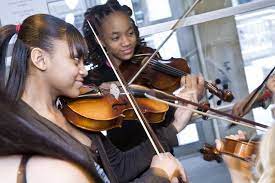
The connection between music and emotions is a powerful one that has been explored for centuries. It is widely known that music can evoke strong emotions and even influence mood. This is why music therapy has become increasingly popular in recent years as a way to improve mental health and well-being. In music lessons, this connection between music and emotions is particularly important. Students learn to connect with music on a deep emotional level, which can help them to express themselves in new ways and develop a greater sense of empathy and understanding. 

Music has the ability to evoke powerful emotions within us. It can make us feel happy, sad, inspired, and motivated. In music lessons, understanding the connection between music and emotions is essential to the learning process. In this article, we will explore how music can affect our emotions and how it can be used in music lessons to enhance the learning experience.

Do Music Lessons Really Make Children Smarter?

Contents

The Power of Music

Music has been used throughout history to express emotions and convey messages. It has the ability to communicate across cultures and languages, and it can bring people together in a shared experience. Music can also be a powerful tool for self-expression and emotional release.

Research has shown that music can affect our mood and emotions in several ways. For example, listening to upbeat music can increase our energy levels and make us feel more positive, while listening to slower, more relaxing music can help us to feel calm and peaceful. Additionally, music can trigger memories and associations, which can elicit strong emotional responses.

Using Music in Lessons

In music lessons, music can be used in a variety of ways to enhance the learning experience. For example, playing a piece of music that relates to a particular concept or historical period can help students to engage with the material and remember it more effectively. Additionally, incorporating music into exercises and drills can make them more enjoyable and engaging for students.

Music can also be used to help students develop their emotional awareness and expression. For example, asking students to improvise a piece of music that reflects a particular emotion can help them to understand and express their feelings. Similarly, playing a piece of music and asking students to describe the emotions it evokes can help them to develop their emotional vocabulary and awareness.

The Role of the Teacher

The teacher plays a crucial role in helping students to connect with music emotionally. Teachers can create a supportive and positive learning environment that encourages students to express themselves and explore their emotions through music. They can also help students to identify and understand the emotions conveyed in different types of music.

Additionally, teachers can use music to help students develop important life skills such as empathy, teamwork, and self-discipline. For example, playing music in a group setting can help students to learn how to work together and communicate effectively. Similarly, setting goals and practicing regularly can help students to develop self-discipline and perseverance.

Conclusion

The connection between music and emotions is a powerful one. In music lessons, understanding this connection can help students to engage with the material, develop their emotional awareness, and learn important life skills. By incorporating music into lessons and creating a supportive learning environment, teachers can help students to connect with music emotionally and reap the benefits of this powerful art form.


How to Make the Most of Your Music Lessons

0

If you’re taking music lessons, you have a unique opportunity to learn and grow as a musician. To make the most of your music lessons, it’s important to be prepared, engaged, and consistent. This means arriving on time and with all necessary materials, such as your instrument and any sheet music or other resources you need. It also means paying attention during your lesson and actively participating by asking questions and trying out new techniques. Beyond your lesson time, it’s important to practice regularly and consistently to reinforce what you’ve learned and improve your skills. Set goals for yourself and track your progress to stay motivated and on track. Finally, don’t be afraid to communicate with your music teacher about your goals and any challenges you may be facing. By working together, you can make the most of your music lessons and achieve your musical aspirations.

Music lessons are a fantastic way to improve your skills as a musician, whether you’re a beginner or an advanced player. However, simply taking lessons isn’t enough to guarantee progress – you need to make the most of them. In this article, we’ll share some tips and strategies to help you get the most out of your music lessons.

Music Lessons in Charlotte - Piedmont School of Music (Private Lessons)

Contents

1. Set Clear Goals

Before you even start taking lessons, it’s important to set clear goals for yourself. What do you want to achieve with your music? Do you want to learn a new instrument, improve your technique, or work on a specific piece of music? Once you have a clear goal in mind, you can work with your teacher to create a plan to achieve it.

2. Practice Consistently

One of the most important things you can do to make progress in your music lessons is to practice consistently. This doesn’t mean you need to practice for hours every day – even just 15-30 minutes of focused practice each day can make a big difference. Make sure you’re practicing the right things, too – your teacher can help you identify areas that need improvement and give you exercises to work on.

3. Listen to Music

In addition to practicing, it’s important to listen to music regularly. This will help you develop your ear and become more familiar with different styles and genres. Try to listen critically, paying attention to the different instruments, rhythms, and melodies in the music.

4. Ask Questions

Don’t be afraid to ask questions during your music lessons – that’s what your teacher is there for! If you don’t understand something, ask for clarification. If you’re struggling with a particular piece of music, ask for help. Your teacher is there to support you and help you succeed.

5. Take Notes

Taking notes during your music lessons can be incredibly helpful. Write down exercises, techniques, and pieces of music you’ve worked on, as well as any feedback or advice your teacher gives you. This will help you stay organized and track your progress over time.

6. Record Yourself

Recording yourself playing can be a great way to identify areas that need improvement. Listen back to your recordings and make note of any mistakes or areas that need work. You can also share your recordings with your teacher for feedback.

7. Attend Concerts and Performances

Attending concerts and performances can be a great source of inspiration and motivation. Seeing other musicians perform can help you develop a deeper appreciation for music and push you to work harder in your own practice.

8. Stay Positive

Finally, it’s important to stay positive and patient as you work towards your goals. Learning a new instrument or improving your skills can be challenging, but it’s also incredibly rewarding. Celebrate your successes, no matter how small, and don’t get discouraged by setbacks.

By following these tips, you can make the most of your music lessons and achieve your goals as a musician. Remember, progress takes time and effort, but with dedication and perseverance, you can reach new heights in your musical journey.

The Top 5 Tips for Successful Music Lessons

0

Successful music lessons are essential for anyone who wants to develop their skills as a musician. A good music teacher should have a strong foundation in music theory and be able to teach students the fundamental principles of music. They should also have experience in teaching different genres and instruments, and be able to tailor their lessons to meet the specific needs of each student. A successful music lesson should involve a balance of theory and practical application, with the teacher providing clear explanations and demonstrations of new concepts, and the student actively practicing and applying those concepts. Regular practice outside of lessons is also key to success, as it helps to reinforce the concepts learned in the lesson and build muscle memory.

Finally, a positive and supportive learning environment is crucial for success, as it encourages students to stay motivated and engaged with their music education. With these elements in place, anyone can have successful music lessons and achieve their musical goals.

At our music school, we believe that every student has the potential to become a successful musician. However, learning music is not always easy, and many students face challenges along the way. That’s why we’ve compiled our top 5 tips for successful music lessons to help students achieve their goals and become confident and skilled musicians.

How Much to Charge for Music Lessons in 2020 - Tonara

Contents

Tip #1: Practice Consistently

Consistency is key when it comes to music lessons. It’s not enough to practice for hours one day and then skip a few days before practicing again. Instead, students should aim to practice a little bit every day, even if it’s just for 10 or 15 minutes. This will help them build muscle memory and reinforce what they’ve learned in their lessons.

Tip #2: Set Realistic Goals

Setting realistic goals is essential for progress in music lessons. Students should work with their teacher to create achievable goals that are specific, measurable, and time-bound. This could be anything from learning a new piece of music to mastering a specific technique. By setting goals, students can track their progress and stay motivated.

Tip #3: Listen to Music

Listening to music is an important part of learning music. By listening to different styles of music, students can expand their musical knowledge and gain inspiration for their own playing. They can also study the works of great musicians to learn new techniques and approaches to playing their instrument.

Tip #4: Communicate with Your Teacher

Communication is key in any learning environment, and music lessons are no exception. Students should feel comfortable talking to their teacher about any challenges they are facing or areas where they need extra help. Teachers can offer guidance and support to help students overcome obstacles and achieve their goals.

Tip #5: Have Fun!

Music lessons should be fun and enjoyable. While it’s important to work hard and practice consistently, students should also take time to enjoy their progress and celebrate their achievements. By having fun, students will stay motivated and continue to grow as musicians.

Conclusion

By following these top 5 tips for successful music lessons, students can overcome challenges, achieve their goals, and become confident and skilled musicians. At our music school, we strive to create a supportive and encouraging learning environment where students can thrive and reach their full potential. Whether you’re a beginner or an advanced musician, we’re here to help you on your musical journey.

The Benefits of Group Music Lessons

0

At times, taking up a new hobby can bring a sense of excitement and wonder to our lives. One such hobby that has been proven to be both enjoyable and beneficial for individuals of all ages is music. While learning to play an instrument or sing can be a fulfilling experience, participating in group music lessons can bring about a myriad of advantages that cannot be obtained from individual sessions alone.

In this article, we will explore the numerous benefits of group music lessons, and how they can positively impact the lives of those who choose to engage in them.

Music House | Are Private Music Lessons Near Me Worth the Money?

Contents

Enhanced Social Interaction

Group music lessons offer the unique opportunity to interact with individuals who share the same passion for music. Whether it is through playing together in an ensemble, singing in a choir, or simply discussing music theory, participants are exposed to a diverse range of perspectives and ideas.

This social interaction can lead to increased confidence, improved communication skills, and a greater sense of belonging within a community. It also provides an avenue for individuals to make new friends and develop lasting relationships, which can have a positive impact on mental health and overall well-being.

Improved Learning Experience

Learning music in a group setting can provide a more well-rounded and comprehensive learning experience. Group lessons offer the opportunity for individuals to learn from others and observe different techniques and approaches to music.

Participants can also receive immediate feedback from both their peers and instructors, which can help to identify areas of improvement and encourage growth. Additionally, group lessons often involve collaborative exercises, such as playing in an ensemble or performing a duet, which can enhance learning and promote teamwork.

Cost-Effective

Participating in group music lessons can be a more cost-effective alternative to private lessons. In group lessons, the cost of the instructor is divided among the participants, making it a more affordable option for those who may not have the resources to take private lessons.

This affordability can make music education more accessible to individuals of all backgrounds, regardless of income or socioeconomic status.

Motivation and Accountability

In a group setting, participants are more likely to feel motivated and accountable for their progress. The social aspect of group lessons can provide a sense of accountability, as individuals are more inclined to practice and improve when they know they will be performing with others.

Group lessons can also provide a sense of motivation, as participants can be encouraged by the progress of their peers and inspired by the achievements of the group as a whole.

Increased Confidence and Self-Esteem

Participating in group music lessons can have a positive impact on confidence and self-esteem. The social interaction and collaborative nature of group lessons can lead to a greater sense of accomplishment and self-worth.

Performing in front of others can also provide a sense of validation and recognition, which can boost confidence and self-esteem. This newfound confidence can also translate to other areas of life, leading to increased success and happiness.

Conclusion

The benefits of group music lessons are vast and varied. From enhanced social interaction and improved learning experiences to cost-effectiveness and increased motivation and confidence, group music lessons offer a unique and valuable opportunity for individuals of all ages and backgrounds.

If you are considering learning music, we encourage you to consider the many advantages of group lessons. By engaging in a supportive and collaborative community, you can develop your skills, meet new friends, and experience the joy of making music together.

The Role of Music Teachers in Music Lessons

0

Music is an essential part of our lives, and learning to play an instrument can be a fulfilling and enriching experience. However, it’s not always easy to learn how to play an instrument, and many people struggle with it. That’s where music teachers come in – they play a crucial role in music lessons, helping students to learn, grow, and develop their skills.

Music teachers play a crucial role in music lessons. They are responsible for imparting the necessary skills, techniques, and knowledge to their students, and help them develop their musical abilities. Music teachers are not just educators, but also mentors, role models, and sources of inspiration for their students. They create a safe and supportive learning environment, where students can feel free to experiment, make mistakes, and grow as musicians. Music teachers use a variety of teaching methods and resources to engage their students and make learning music fun and enjoyable. In this article, we’ll take a closer look at the role of music teachers in music lessons and explore why they’re so important.

Contents

Creating a Positive Learning Environment

One of the most critical roles of a music teacher is creating a positive learning environment. Learning to play an instrument can be challenging, and it’s easy for students to get discouraged or frustrated. A good music teacher will create an environment that is supportive, encouraging, and positive, helping students to stay motivated and engaged. They’ll provide feedback and constructive criticism, but they’ll also make sure to acknowledge and celebrate their students’ successes.

How Music Lessons Teach More Than Music - The California Conservatory of  Music

Tailoring Lessons to Individual Needs

Every student is different, and a good music teacher will recognize this. They’ll tailor their lessons to meet the individual needs of their students, taking into account their learning style, personality, and skill level. They’ll use different teaching techniques and strategies to help each student learn and grow, and they’ll adjust their approach as needed to ensure that every student is making progress.

Teaching Proper Technique and Form

Learning proper technique and form is crucial when it comes to playing an instrument. Without the right technique, students can develop bad habits that can be challenging to break later on. A good music teacher will teach their students proper technique and form right from the beginning, helping them to develop good habits and avoid bad ones. They’ll also help their students to understand why proper technique is so important, and how it can impact their playing in the long run.

Providing Guidance and Support

Learning to play an instrument can be a long and challenging process, and it’s easy for students to get discouraged or overwhelmed. That’s where music teachers come in – they provide guidance and support, helping their students to stay on track and make progress. They’ll help students set goals and create a plan to achieve them, and they’ll be there to offer encouragement and support every step of the way.

Encouraging Creativity and Exploration

While learning proper technique and form is essential, music is also about creativity and exploration. A good music teacher will encourage their students to explore their creativity and express themselves through their music. They’ll provide opportunities for students to experiment with different styles and genres, and they’ll help them to develop their own unique voice and style.

Conclusion

Music teachers play a vital role in music lessons. They create a positive learning environment, tailor their lessons to individual needs, teach proper technique and form, provide guidance and support, and encourage creativity and exploration. Without music teachers, many students would struggle to learn and grow as musicians. If you’re interested in learning how to play an instrument, finding a good music teacher can make all the difference. So don’t hesitate – start your musical journey today!

Read more: For more information please visit our website usonlineprofessors.com

Music Lessons for Young Children: Tips for Parents

2

Music is an art that has been around for centuries. It is an essential part of human life, and its significance can never be underestimated. It has been proven that music has numerous benefits to the human brain, including improving memory, increasing creativity, and reducing stress. Music education is, therefore, a crucial part of our lives, and music teachers play a vital role in making this possible. In this article, we will discuss the role of music teachers in music lessons, and how they contribute to shaping the lives of their students.

Contents

Teaching Music Theory

Music theory is an essential aspect of learning music. It involves the study of the principles and practices of music, including rhythm, harmony, melody, and notation. A good music teacher will ensure that their students have a solid foundation in music theory, which will enable them to understand the language of music. This knowledge will help the students to read and interpret sheet music, play different instruments, and compose their music. The teacher will use various teaching techniques, such as visual aids, practical demonstrations, and interactive activities, to make learning music theory fun and engaging.

Teaching music to kids | Music lesson plans and activities

Developing Technical Skills

Music lessons are not just about learning the theory of music. Students must also develop the technical skills necessary to play their instruments proficiently. A good music teacher will have a deep understanding of the technical aspects of playing different instruments, such as the correct posture, hand position, and finger placement. They will use their expertise to guide their students through the process of developing their technical skills, such as playing scales, arpeggios, and chord progressions. The teacher will also teach the students how to play different styles of music, such as classical, jazz, and contemporary, to broaden their musical horizons.

Encouraging Creativity

Music is an art form that allows for creativity and self-expression. A good music teacher will encourage their students to express themselves creatively through their music. They will provide opportunities for the students to improvise and compose their music, using the knowledge and skills they have acquired in their music lessons. The teacher will also provide constructive feedback and support to help the students improve their compositions and performances.

Building Confidence and Self-esteem

Learning music can be challenging, and it requires dedication and hard work. A good music teacher will help their students to overcome their fears and build their confidence and self-esteem. They will create a supportive learning environment that fosters a sense of belonging and encourages the students to take risks and push themselves beyond their comfort zones. The teacher will acknowledge and celebrate the students’ successes and provide constructive feedback to help them improve their performance.

Fostering a Love for Music

Finally, a good music teacher will instill in their students a love for music that will last a lifetime. They will share their passion for music and inspire their students to pursue their musical interests beyond their music lessons. The teacher will expose the students to different genres of music, such as classical, jazz, and world music, to broaden their musical horizons. They will also encourage the students to attend concerts and performances, and participate in music competitions and festivals.

Conclusion

Music teachers play a critical role in music education. They are responsible for teaching music theory, developing technical skills, encouraging creativity, building confidence and self-esteem, and fostering a love for music. A good music teacher will create a supportive learning environment that encourages their students to take risks, push themselves beyond their comfort zones, and pursue their musical interests. Music is an essential part of our lives, and music teachers are the ones who make it possible for us to enjoy its benefits.

Exploring Different Genres in Music Lessons

2

Music is a universal language that speaks to everyone, regardless of their background or culture. It has the power to move us, to uplift us, and to connect us with our emotions in ways that words alone cannot. As music lovers, we all have our favorite genres that we like to listen to, but have you ever considered exploring different genres in your music lessons? In this article, we’ll dive into the benefits of exploring different genres in music lessons and how it can help you become a more versatile musician.

Contents

Expanding Your Horizons

As musicians, it’s easy to get comfortable playing the same style of music over and over again. While this can be great for building a strong foundation in a particular genre, it can also limit your growth and development as a musician. By exploring different genres in your music lessons, you can expand your horizons and gain exposure to new techniques, styles, and musical ideas.

Multiple Music Genres and Styles | Online Lessons | ArtistWorks

For example, if you’re a classical pianist, you might be used to playing music that’s written in a certain style or time period. However, by exploring jazz, blues, or even rock music, you can learn new chord progressions, improvisation techniques, and other musical concepts that can help you become a more well-rounded musician.

Developing Your Musical Ear

One of the biggest benefits of exploring different genres in music lessons is that it can help you develop your musical ear. When you’re exposed to new types of music, you’ll start to pick up on different rhythms, melodies, and harmonies that you may not have noticed before. This can help you become more attuned to different musical styles and better able to pick up new pieces of music quickly.

For example, if you’re used to playing classical music, you might struggle with picking up a new jazz piece at first. However, by exposing yourself to different jazz recordings and learning about jazz harmony, you’ll start to develop a better understanding of the genre and be able to pick up new pieces more quickly.

Enhancing Your Creativity

Exploring different genres in music lessons can also help enhance your creativity as a musician. When you’re exposed to new types of music, you’ll start to think outside the box and come up with new ideas for your own playing. This can help you break out of old habits and develop your own unique sound and style.

For example, if you’re used to playing classical music, you might start to incorporate jazz or blues elements into your playing, creating a unique blend of styles that sets you apart from other musicians.

Connecting with Other Musicians

Finally, exploring different genres in music lessons can help you connect with other musicians. When you’re exposed to new types of music, you’ll meet new people who share your passion for music and may be able to teach you new things about your instrument or style of music. This can be a great way to build your network and find new opportunities for collaboration and performance.

For example, if you’re interested in exploring jazz music, you might seek out other jazz musicians in your community and start jamming together. This can help you develop your skills, make new friends, and even lead to new performance opportunities.

Conclusion

Exploring different genres in music lessons can have a profound impact on your growth and development as a musician. By expanding your horizons, developing your musical ear, enhancing your creativity, and connecting with other musicians, you can become a more versatile and well-rounded musician. So, whether you’re a classical pianist or a rock guitarist, consider branching out and exploring new genres in your music lessons. You never know where it might take you.

Finding the Right Mentor for Your Business

0

As entrepreneurs, we often feel like we need to do everything ourselves. We’re confident in our skills, but we also know that there’s always room for growth. That’s where a mentor comes in.

Finding the right mentor for your business can be a game-changer for your success. A mentor can provide you with valuable guidance, support, and advice based on their own experiences and expertise. However, it’s important to find the right mentor who can understand your business goals and offer relevant insights.

When searching for a mentor, consider their industry experience and the specific skills and knowledge they possess that can benefit your business. Look for someone who has achieved success in a similar field or business model, and who has a track record of helping others achieve success.

A mentor is someone who has already achieved what we’re striving for. They’ve been there, done that, and can offer invaluable guidance and advice. But finding the right mentor for your business can be challenging. In this article, we’ll explore the qualities to look for in a mentor, where to find them, and how to build a successful mentoring relationship.

7 Reasons You Need a Mentor for Entrepreneurial Success | Entrepreneur

Contents

Qualities of a Great Mentor

When it comes to finding a mentor, it’s essential to find someone who possesses the qualities you need. Here are some characteristics of great mentors:

  1. Experience: A great mentor has experience in your industry and has achieved success in their own career.
  2. Positive Attitude: A great mentor is positive, encouraging, and supportive. They believe in you and your vision and are there to help you achieve your goals.
  3. Good Communication: A great mentor communicates clearly and effectively. They listen to your concerns, offer thoughtful feedback, and help you navigate challenges.
  4. Trustworthiness: A great mentor is trustworthy and reliable. They keep your discussions confidential and follow through on their commitments.

Where to Find a Mentor

Now that you know what to look for in a mentor, where do you find one? Here are a few places to start:

  1. Networking Events: Attend networking events in your industry and connect with other professionals. You may find a mentor through these events or get a referral.
  2. Industry Associations: Join industry associations and attend their events. You can meet other professionals in your field and potentially find a mentor.
  3. Social Media: Connect with professionals in your industry on social media platforms like LinkedIn. You can build relationships and find potential mentors.
  4. Mentorship Programs: Many organizations offer mentorship programs. Check with your local chamber of commerce or business organizations to see if they have any programs available.

Building a Successful Mentoring Relationship

Once you’ve found a potential mentor, how do you build a successful mentoring relationship? Here are some tips:

  1. Set Clear Expectations: Define your goals and expectations upfront. Be clear about what you hope to achieve from the mentoring relationship.
  2. Be Respectful: Show respect for your mentor’s time and expertise. Be punctual for meetings and follow through on commitments.
  3. Listen and Learn: Listen carefully to your mentor’s advice and guidance. Be open to learning and trying new things.
  4. Give Back: A mentoring relationship is a two-way street. Offer your mentor your skills and expertise in return. You can also pay it forward by mentoring someone else in the future.

Conclusion

A great mentor can help you take your business to the next level. When looking for a mentor, focus on finding someone who has experience, a positive attitude, good communication skills, and is trustworthy. Networking events, industry associations, social media, and mentorship programs are all great places to find potential mentors. Once you’ve found a mentor, be respectful, listen and learn, and give back. With the right mentor, you can achieve your goals and take your business to new heights.


The Importance of Networking for Startup Success

0

As a startup, networking is crucial to your success. It is an essential part of building a strong foundation for your business and creating opportunities for growth. Whether you are just starting out or have been in business for a while, networking can help you to connect with the right people and open up new avenues for success.

Networking is an essential component of startup success. Building a strong network can help a startup gain access to valuable resources, including funding, mentors, advisors, and potential customers. A well-established network can provide opportunities for partnerships and collaborations, which can accelerate growth and increase brand visibility. Networking events, such as conferences, meetups, and industry events, offer an excellent opportunity for startups to connect with like-minded individuals and learn from experienced entrepreneurs. Networking also helps startups to stay updated on the latest trends, innovations, and best practices in their industry, which can help them stay ahead of the competition.

5 essential skills for a successful startup | Wordtracker

In this article, we will explore the importance of networking for startup success and how you can leverage it to grow your business.

Contents

1. Building Relationships

Networking is all about building relationships. As a startup, you need to be able to connect with other business owners, investors, and industry experts to learn from their experiences and gain valuable insights into your industry. By attending events, conferences, and meetups, you can meet people who can help you grow your business, whether it’s through mentoring, investment, or partnerships.

2. Raising Capital

One of the most significant benefits of networking for startups is the opportunity to raise capital. By connecting with investors and venture capitalists, you can pitch your business idea and secure funding to take your startup to the next level. Networking also allows you to build relationships with potential customers, which can lead to increased revenue and profitability.

3. Gaining Industry Insights

Networking is a great way to gain insights into your industry. By attending conferences and events, you can learn about the latest trends, technologies, and innovations in your field. This knowledge can help you to stay ahead of the competition and identify opportunities for growth.

4. Finding Partnerships

Networking can also help you to find partnerships that can benefit your startup. By connecting with other businesses and entrepreneurs, you can identify potential collaboration opportunities that can help you to reach new customers, expand your product offerings, and grow your business.

5. Building Your Brand

Networking can also help you to build your brand. By attending events and conferences, you can showcase your business and raise awareness of your products and services. This can help you to attract new customers and build a loyal following.

6. Learning from Others

Networking is a great way to learn from other entrepreneurs and business owners. By connecting with people who have been through the startup process, you can gain valuable insights into what works and what doesn’t. This can help you to avoid common pitfalls and make more informed decisions about your business.

7. Building Confidence

Networking can also help you to build confidence. By putting yourself out there and connecting with others, you can gain the confidence you need to pitch your business idea, make sales, and build relationships with potential partners and customers.

Conclusion

Networking is essential for startup success. It provides you with the opportunity to connect with other business owners, investors, and industry experts, and gain valuable insights into your industry.